







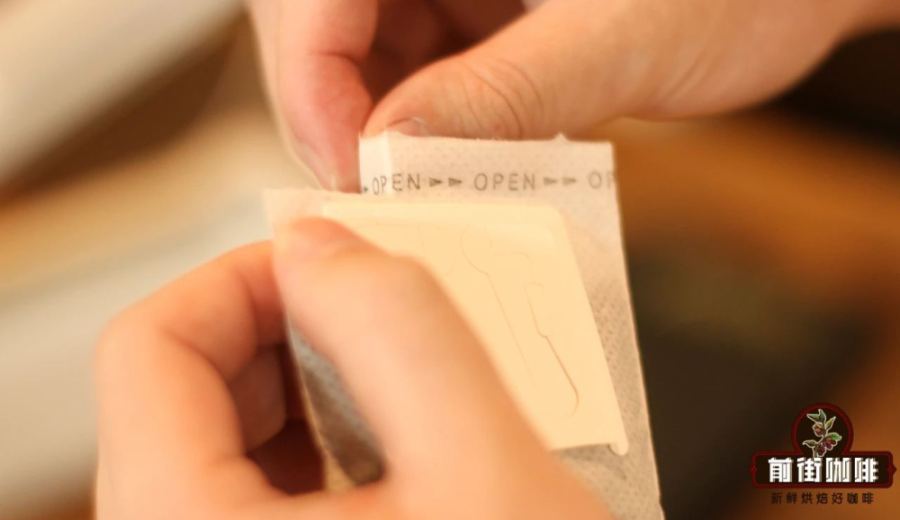
Introduction:Many coffee enthusiasts wonder: when using the same coffee beans, is there a noticeable difference in flavor between drip bags and pour-over coffee? This article compares two beans—Panama Geisha "Flower Butterfly" and Papua New Guinea "Heavenly Bird"—to analyze the key differences between the two brewing methods. It also offers practical notes and parameter suggestions to help you choose the most suitable brewing style based on your preferences.
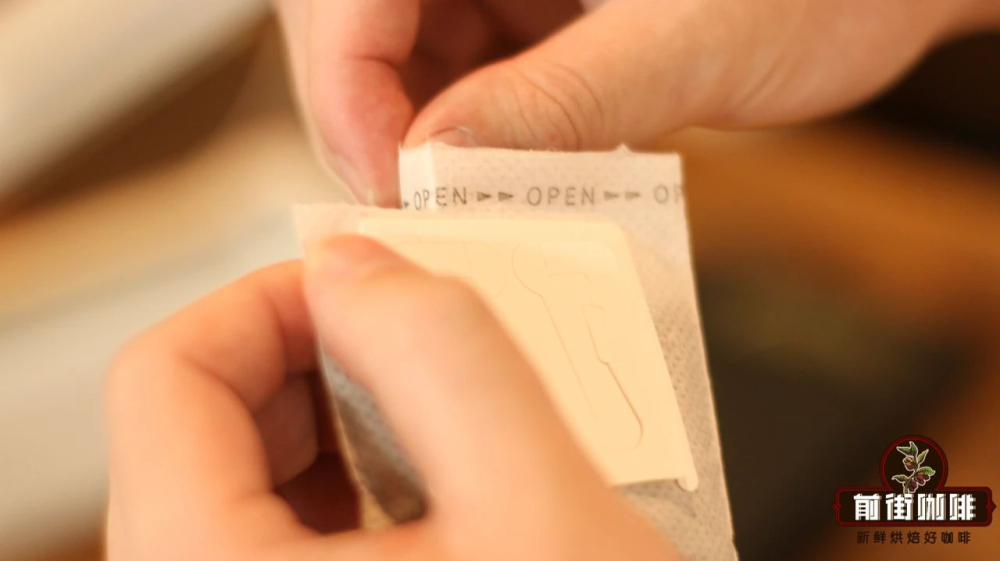
With the rise of specialty coffee culture, more and more office workers have made coffee a part of their daily routine. However, due to the complexity of pour-over steps, some have turned to instant coffee. Yet for coffee lovers who seek layered flavors, how to easily brew a cup at home that approaches professional standards remains an important topic.
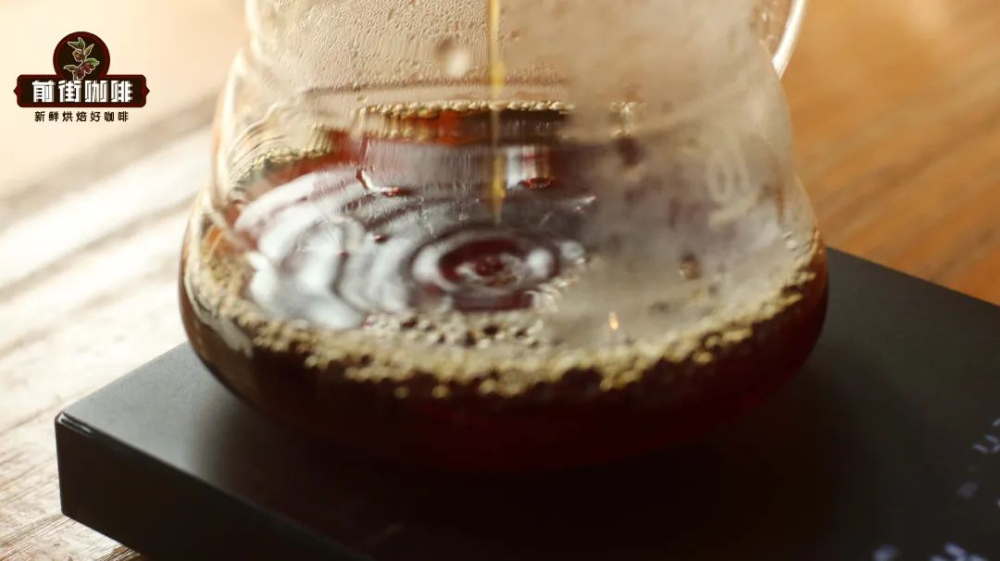
A customer who often brews coffee at home once asked a shop owner: “Does the flavor differ much when using the same coffee beans, but brewing with pour-over versus drip bag?” This question touches on a common doubt among many novice coffee drinkers. This article will delve into a comparison of the two brewing methods, using the same beans and strict parameters, to help you understand their actual differences and suitable scenarios.
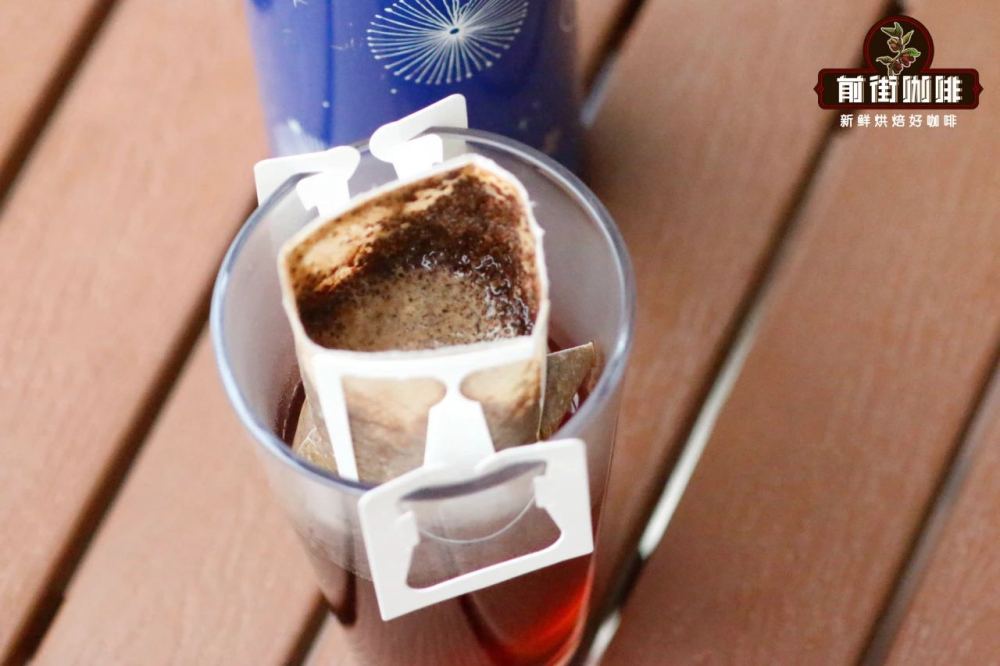
In principle, both drip bags and pour-over belong to the filtration extraction method. The main difference lies in the fact that drip bags simplify the preparation of equipment and the grinding process, making them suitable for users who seek efficiency without sacrificing flavor. This practical test used Panama washed “Flower Butterfly,” a bean known for its balanced profile, and compared its flavor performance when brewed both via pour-over and drip bag.
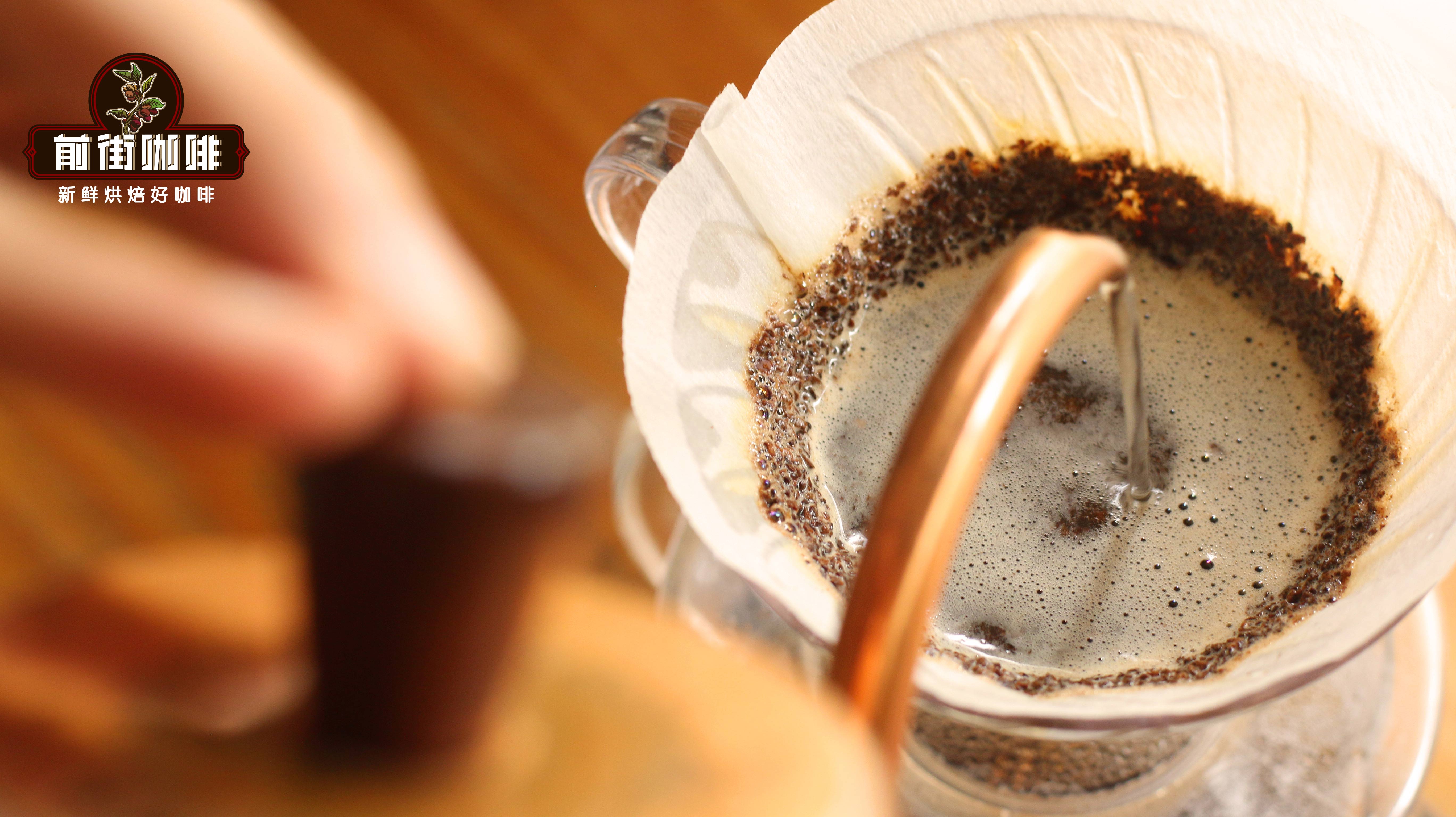
The pour-over group used 15 grams of coffee beans, a 1:15 coffee-to-water ratio, a water temperature of 92°C, and a grind size of 80% passing through a #20 sieve (approximately equivalent to EK grind setting 10). The extraction was completed in 2 minutes and 15 seconds using a three-stage pouring method, yielding a total of 225 milliliters of coffee. These parameters fully highlight fruity and floral profiles along with delicate sweetness, and are recommended by many specialty baristas as an entry-level recipe.
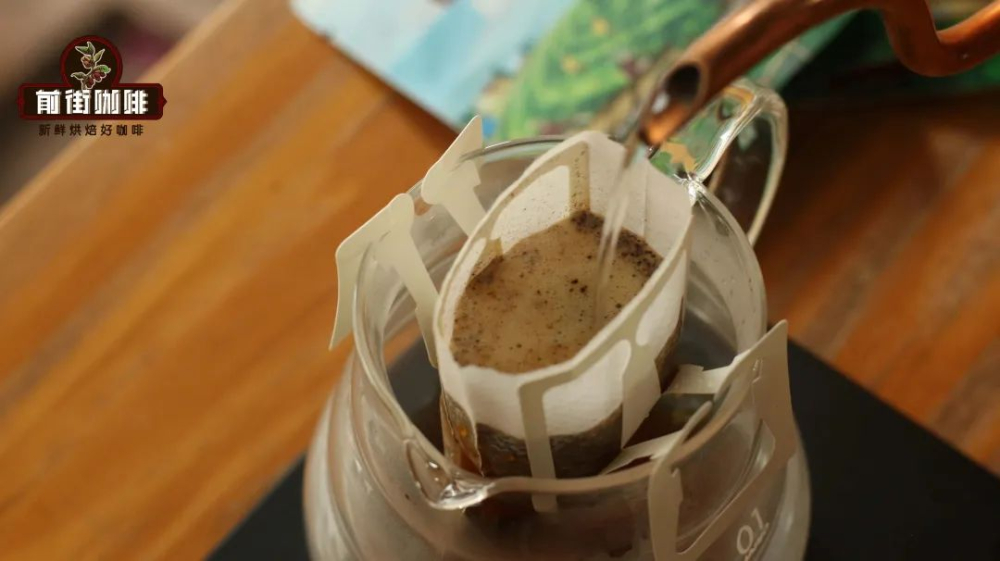
The drip bag group used 10 grams of coffee grounds, maintaining the same 1:15 coffee-to-water ratio, for a total liquid yield of approximately 150 milliliters. If you don’t have a professional thermometer, you can let boiled water sit for about 1 minute to naturally cool to around 90–92°C—a technique that helps ensure a stable brewing temperature. For daily use, it’s recommended to use a container with measurement markers, pouring water sequentially until the filter bag is about 90% full, and waiting for each pour to fully drip through, resulting in a balanced and easy-to-drink cup.
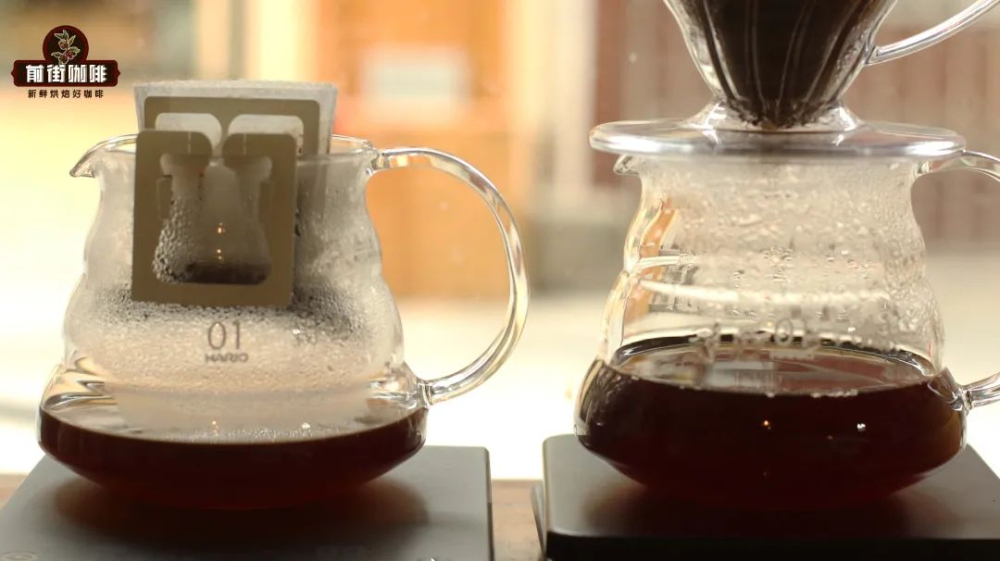
The test results showed that the pour-over version had a more pronounced aroma profile, clearly capturing tropical fruit notes such as passion fruit and berries, accompanied by honey-like sweetness and subtle floral tones. The drip bag version also presented a complete flavor wheel, but overall the expression was relatively more restrained. In terms of mouthfeel, the pour-over achieved a rounder and fuller body due to precise control of pouring and interaction with the coffee bed, while the drip bag offered a cleaner and crisper profile, suitable for those who prefer lighter flavors.
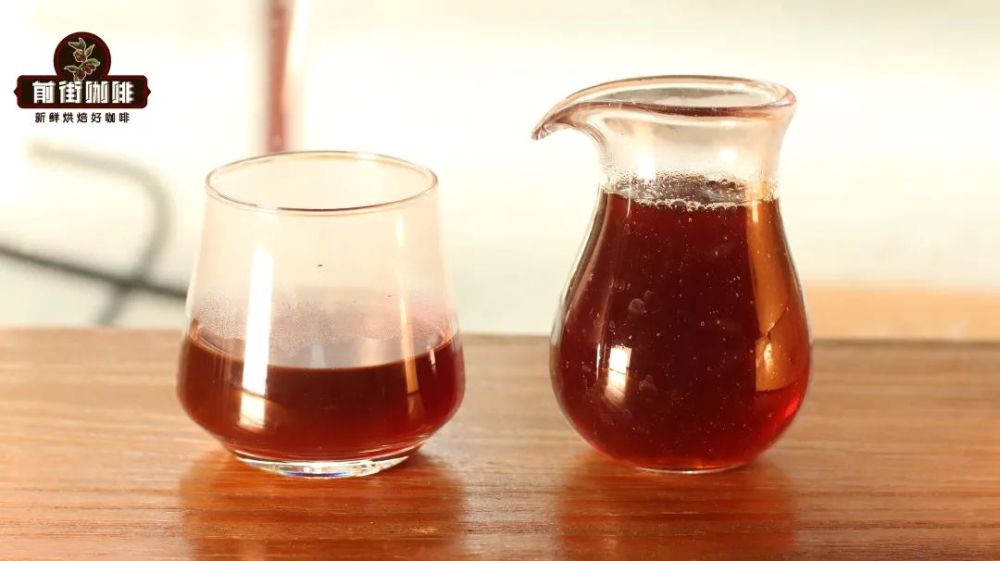
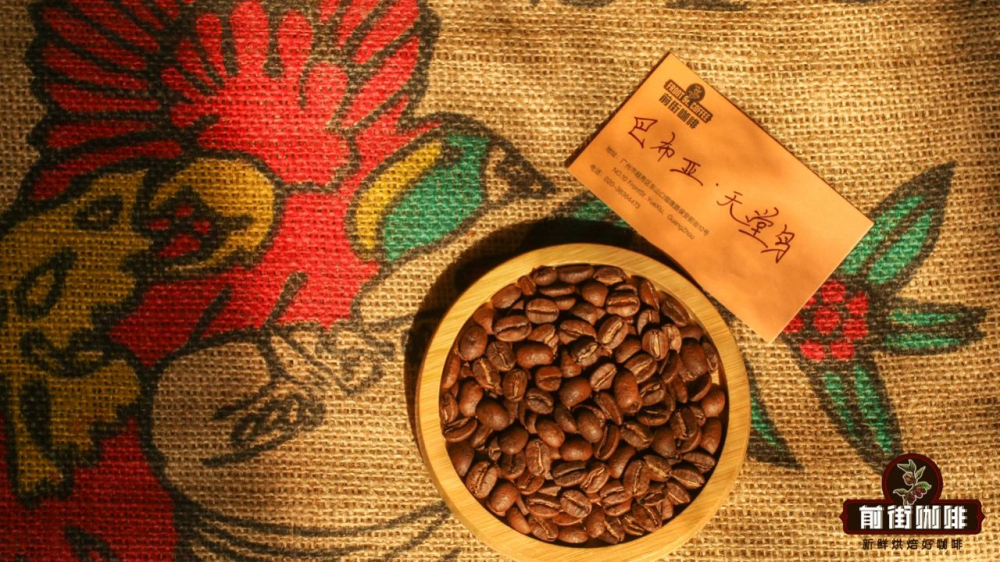
Further testing with a dark-roasted Papua New Guinea “Heavenly Bird” bean revealed that both methods showcased core flavors such as dark cocoa, cream, chocolate, and almond. However, the pour-over version delivered a thicker mouthfeel, whereas the drip bag had a subtly sweet aftertaste. Notably, this test used freshly ground beans and electronic scales to control all parameters, which was key to achieving similar flavor outcomes.
In practice, many home-use drip bags contain pre-ground coffee, whose aroma can deteriorate quickly over time. Additionally, the lack of a thermometer or timer during brewing often leads to deviations in water temperature or pouring volume. To improve the quality of drip bag brewing, it’s advisable to choose products with recently ground coffee and to use water with a stable temperature. Try to maintain a consistent and even pouring speed.
In summary, if you’re pursuing the ultimate in flavor expression and the enjoyment of the brewing process, pour-over coffee provides a richer sensory experience. Drip bags, on the other hand, offer a convenient yet quality-conscious alternative. No matter which method you choose, mastering basic parameter logic and proper use of equipment will allow you to enjoy a satisfying cup of coffee at home with ease.
The above content is compiled by CoffeeHunters, a coffee news website.


