







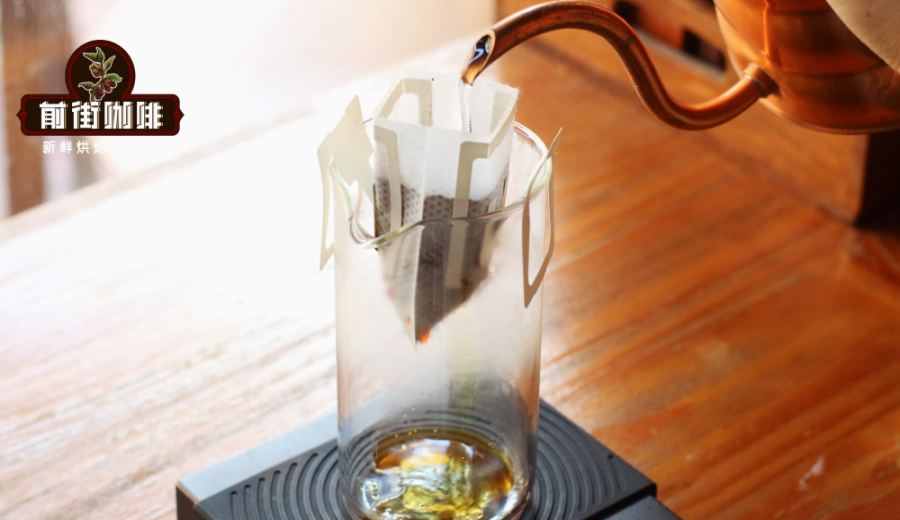
Introduction:Earl grey coffee combines the flavor profile of pour over with the convenience of instant brewing, making it a top choice for many coffee beginners. This article delves into the design principles of earl coffee, optimal brewing parameters, and offers selection advice based on the flavor characteristics of beans from different regions. It teaches you how to extract bright fruity acidity or rich chocolate notes using the correct technique, allowing you to enjoy a professional-grade pour over experience even in a busy daily routine.
The Essence and Advantages of Earl Coffee
As a convenient version of drip coffee, earl packets seal freshly ground coffee powder in filter bags, equipped with a "handle" design that allows it to be hung. All you need is hot water and a cup to complete the brew.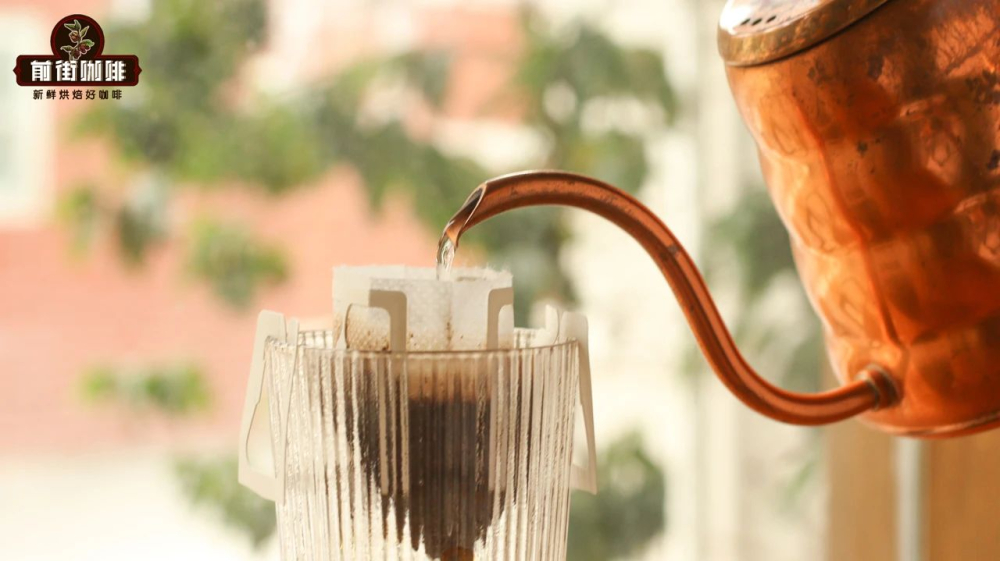 " />Its greatest feature is eliminating the need for expensive equipment while retaining the layered flavors of pour over coffee, making it suitable for drinkers who value both efficiency and taste.
The Structure of Earl Packets and the Key to Freshness
Each earl packet contains finely ground coffee powder wrapped in a non-woven fabric filter bag,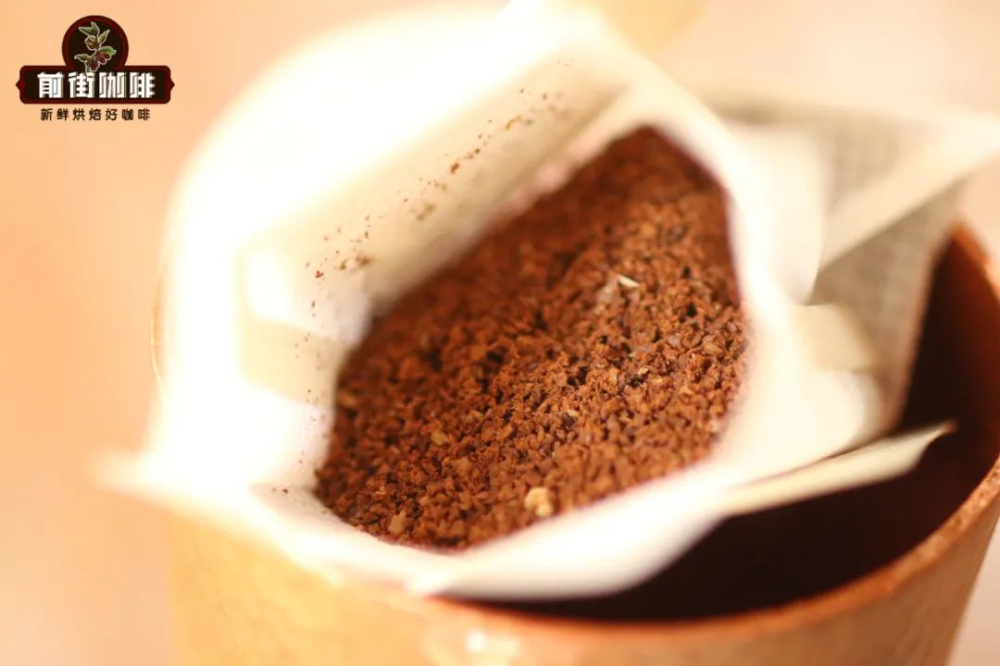 " />This material effectively filters out coffee grounds without affecting the flow rate. Special attention should be paid to the post-roast handling of the coffee powder — ideally, the beans should undergo 4–7 days of degassing and resting, while commercially available earl packets are usually made with freshly roasted beans within 5 days of roasting to ensure the flavors are at their peak upon opening.
Grind Size and Dose Science
The grind size of earl coffee is consistent with pour over settings, and most brands use small single-serve packaging of around 10 grams.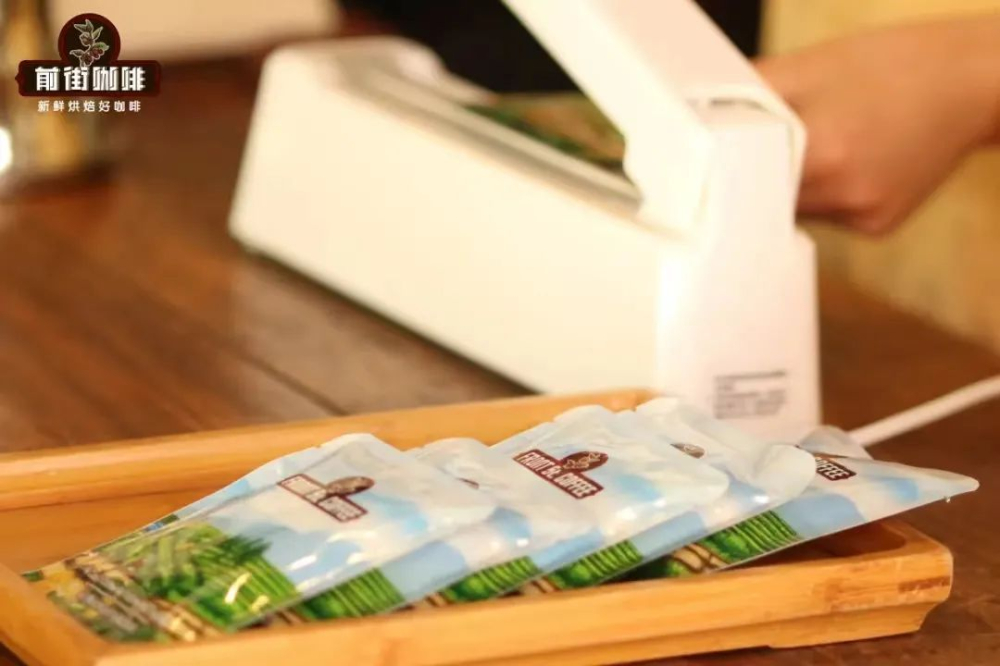 " />This dose has been tested to balance extraction efficiency and flavor intensity; too coarse may lead to under-extraction, while too fine may result in over-extraction and bitterness.
Professional-Grade Brewing Parameter Analysis
It is recommended to use hot water at around 90°C when brewing (let boiling water sit for 1–2 minutes to cool down),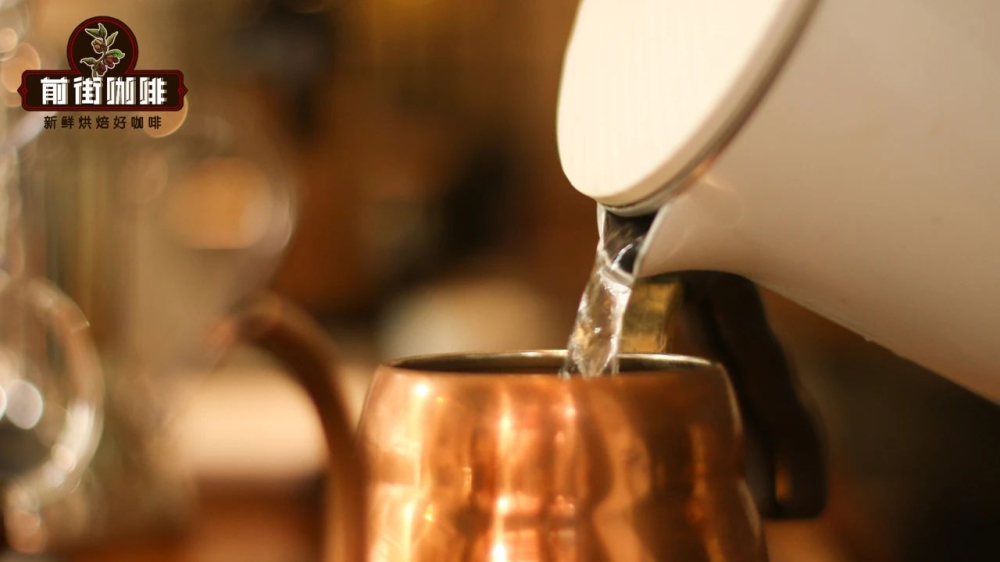 " />This temperature can effectively release aromatic compounds without producing burnt bitterness. The golden coffee-to-water ratio is 1:15 (10 grams of coffee to 150 milliliters of water). If you don’t have a scale, you can adjust according to the capacity of a common mug. Note to first wet all the coffee grounds with a small stream of water for 10–20 seconds to activate them, then pour the remaining water in stages.
Detailed Explanation of the Pulse Pouring Technique
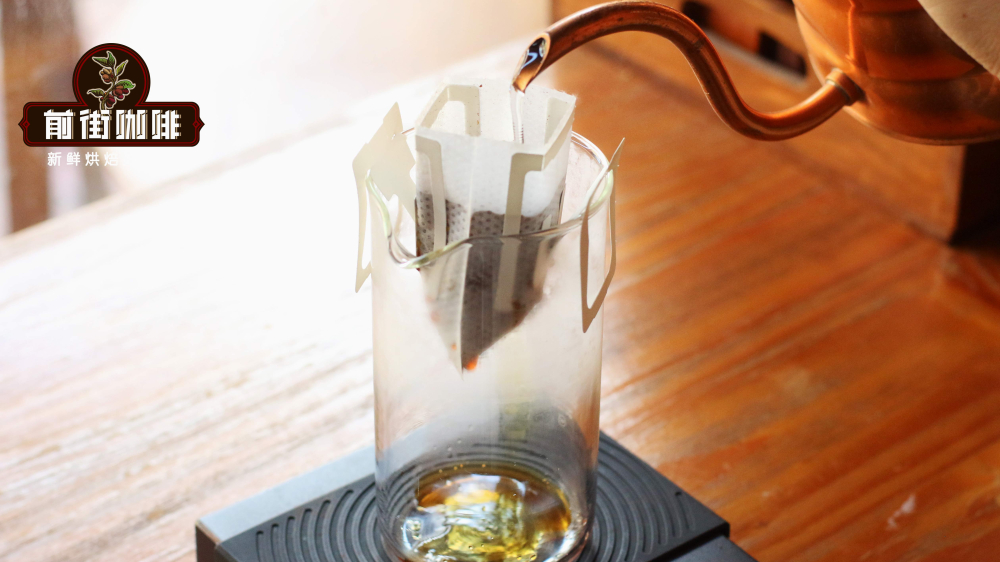
The actual operation is divided into three stages: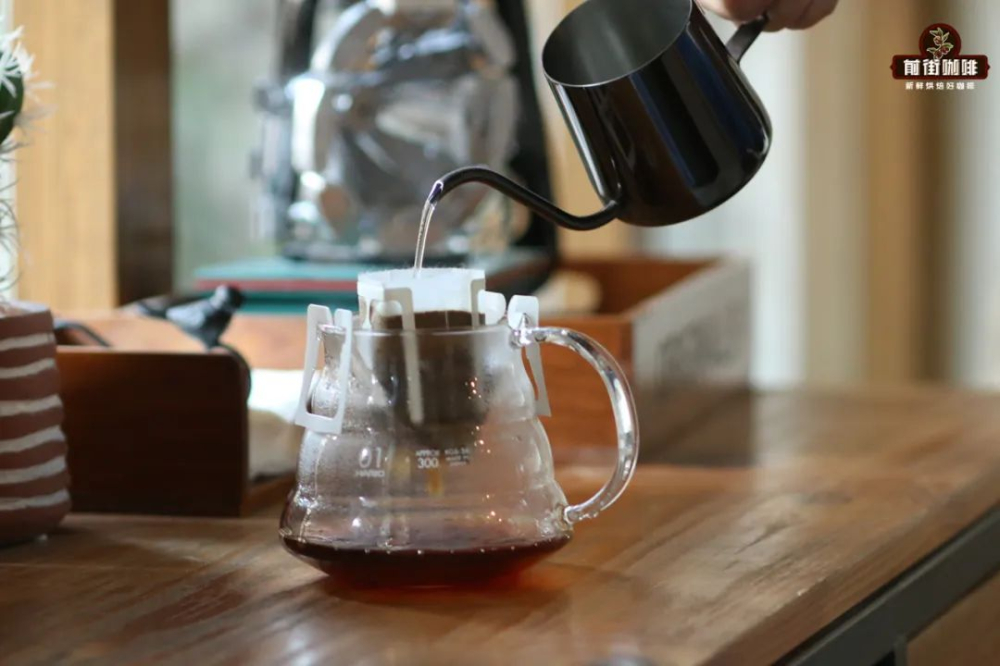 " />The first stage involves pouring a small amount of hot water to evenly wet all the coffee grounds; the middle stage switches to a steady, fine stream to maintain the water level inside the filter bag; the final stage tops up to the total water volume and waits for the dripping to complete. Throughout the process, ensure there is space between the filter bag and the cup wall to avoid blockage that could affect the flow rate.
Regions Suitable for Making Earl Coffee
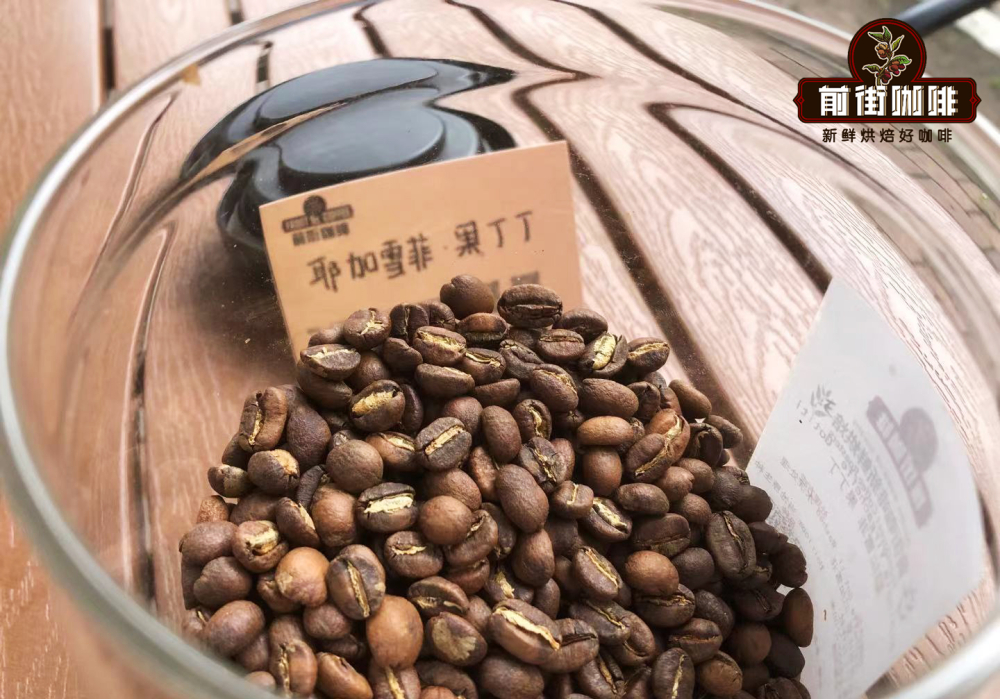
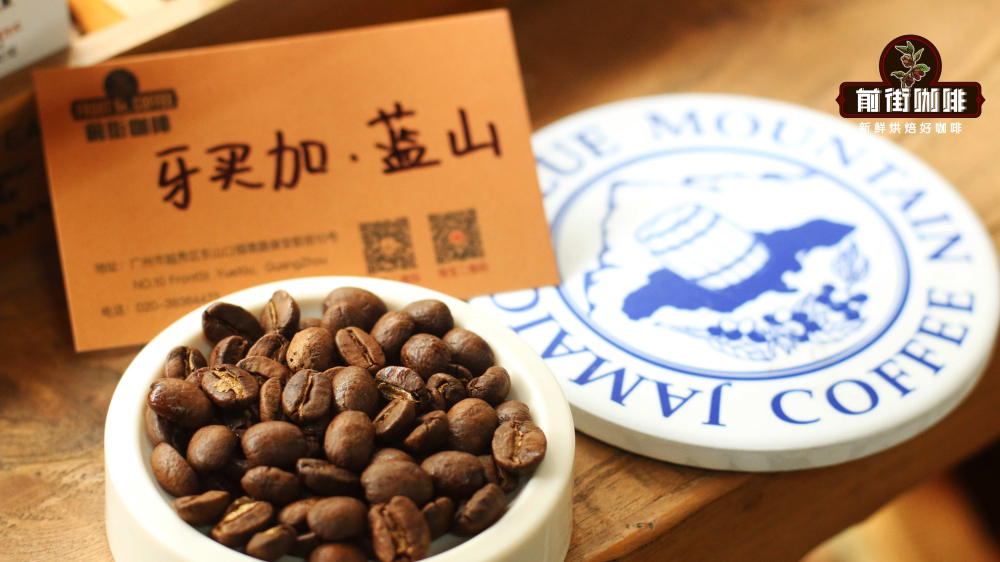
Not all coffee beans are suitable for pre-grinding. Regions with high aroma and low acidity, such as Yirgacheffe in Ethiopia,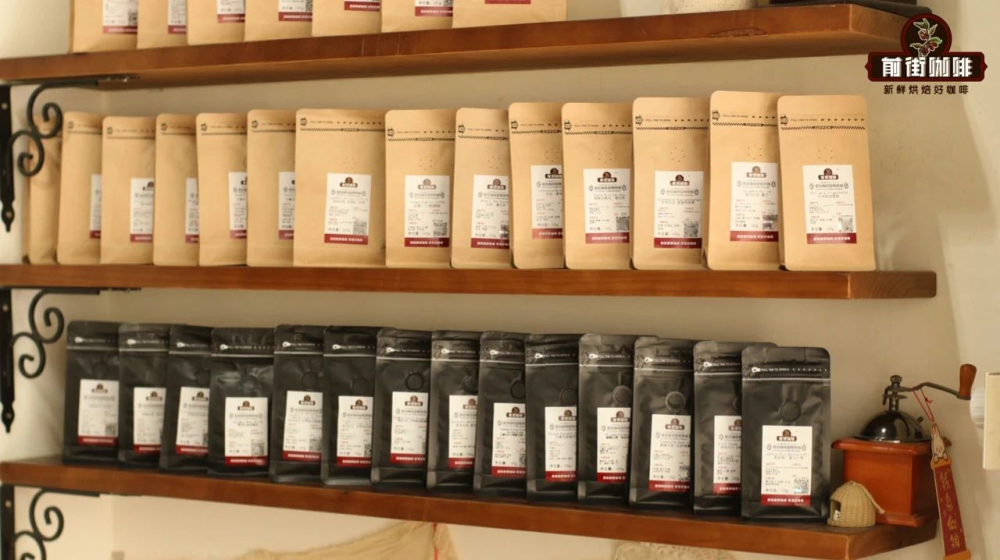 " />still retain their layered bright citrus notes in the earl format; meanwhile, dark roasted Blue Mountain or Costa Rican beans showcase a rich chocolate and nutty base. It’s important to note that ground coffee has a larger surface area exposed to air, so it’s recommended to use the product within half a month after delivery.
Image Description Supplement
The images include the original structure of the earl packet," />details of the filter bag material," />the standard brewing process," />and the characteristics of beans from different regions," />helping readers visually understand the operational key points and flavor differences.
The above content is compiled by CoffeeHunters, a coffee news website.


