







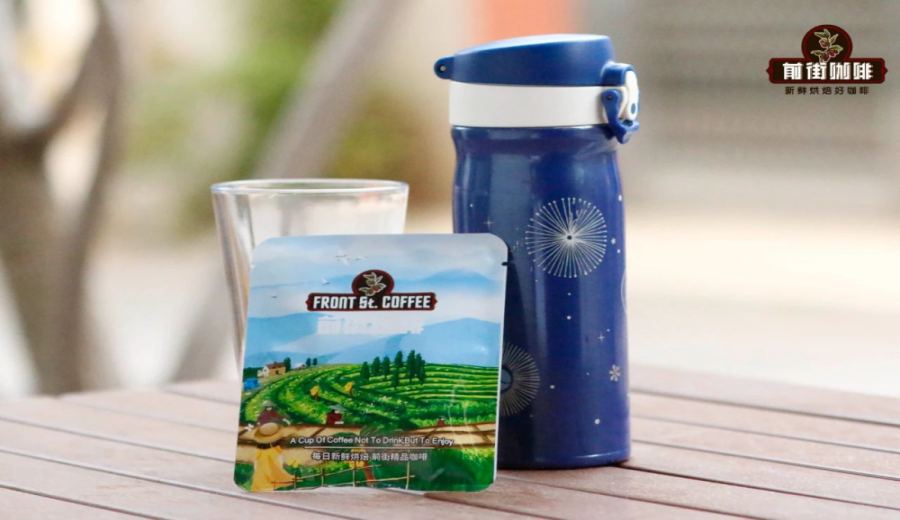
Introduction:Drip bags combine the convenience of pour over with the pure taste of filtered coffee, making them a top choice for many busy individuals. This article provides a detailed overview of the history of drip bags, how they differ from instant coffee, and expert brewing recommendations—including key parameters such as water temperature, coffee-to-water ratio, and bloom time. It also explores whether they can be reused and answers common misconceptions.
In recent years, drip bags have become a new favorite among office workers and home coffee enthusiasts due to their simple brewing process and ability to deliver flavors close to pour over. However, for those trying it for the first time, how to correctly brew a rich and aromatic cup of drip bag coffee may still be a question.
Tracing back to the origins of drip bags, they were first developed in 2001 by Japan’s UCC Ueshima Coffee and patented. In Japanese, they are called “ippai chūshutsu-gata kōhī” (one-cup extraction type coffee). The design uses a non-woven or paper filter pouch filled with coffee grounds, paired with two "ear"-shaped filter holders that hang on the edge of a cup. Simply pour hot water to easily extract black coffee. Since ground coffee loses its aroma quickly after being ground, it is recommended to choose freshly made products, such as drip bags produced within five days of packaging, for the best flavor. " alt="Schematic diagram of the historical origins of drip bags" />
The so-called “ears” refer to the two paper holders designed to hang on the edge of a cup, resembling ears. They stabilize the position of the filter pouch and allow hot water to evenly pass through the coffee grounds. This design is not only convenient to carry but also enables users to enjoy a pure pour over-like taste at home, in the office, or while traveling—without needing to purchase additional complex coffee equipment. Today, drip bags account for about 15% of the general coffee market in Japan, and this trend has expanded globally in recent years.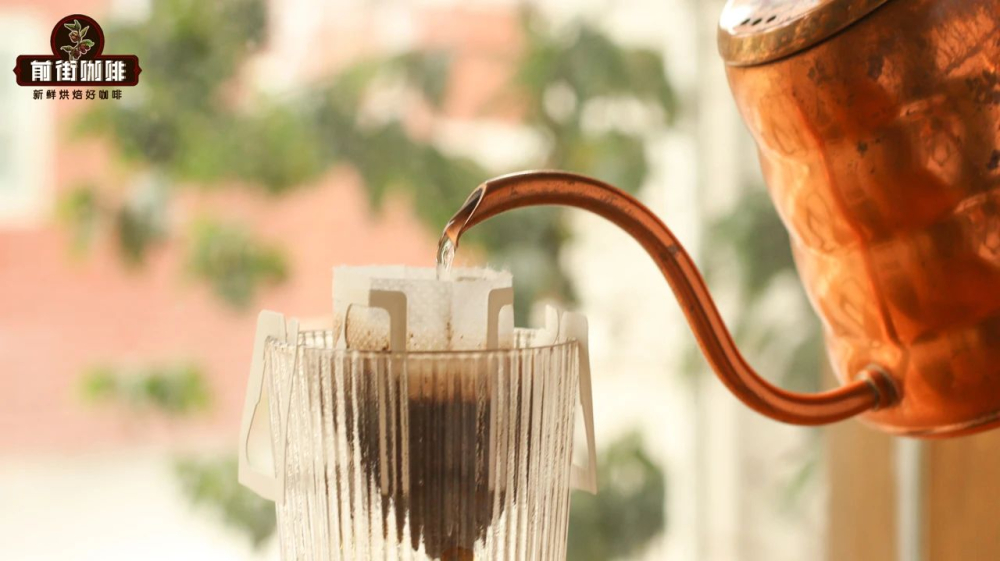 " alt="The ear-shaped filter holder design of drip bags" />
The principle of drip bags involves pre-ground coffee packed into a sealed filter pouch, which is then hung on the edge of a cup using the two "ears." Hot water is poured to extract the coffee. This method combines convenience with flavor performance. There’s no need to manually adjust grind size or use complicated equipment, yet users can still influence the final coffee taste and aroma release by adjusting water temperature and pouring technique. It is especially suitable for users who don’t have professional pour over equipment but still pursue high-quality coffee.
When brewing drip bag coffee, it is recommended to follow the indicated amount of coffee grounds (usually 10 grams) and use a coffee-to-water ratio of 1:15 to 1:16—resulting in approximately 140 to 150 milliliters of coffee liquid. For water temperature, around 90°C is a good benchmark. If you don’t have a temperature-controlled kettle, you can turn off the heat after boiling, lift the kettle lid, and let the water sit for about 2 to 3 minutes to naturally cool down to the appropriate range. This temperature helps fully extract the aroma and flavor compounds of the coffee without extracting excessive bitter impurities due to overly high temperatures.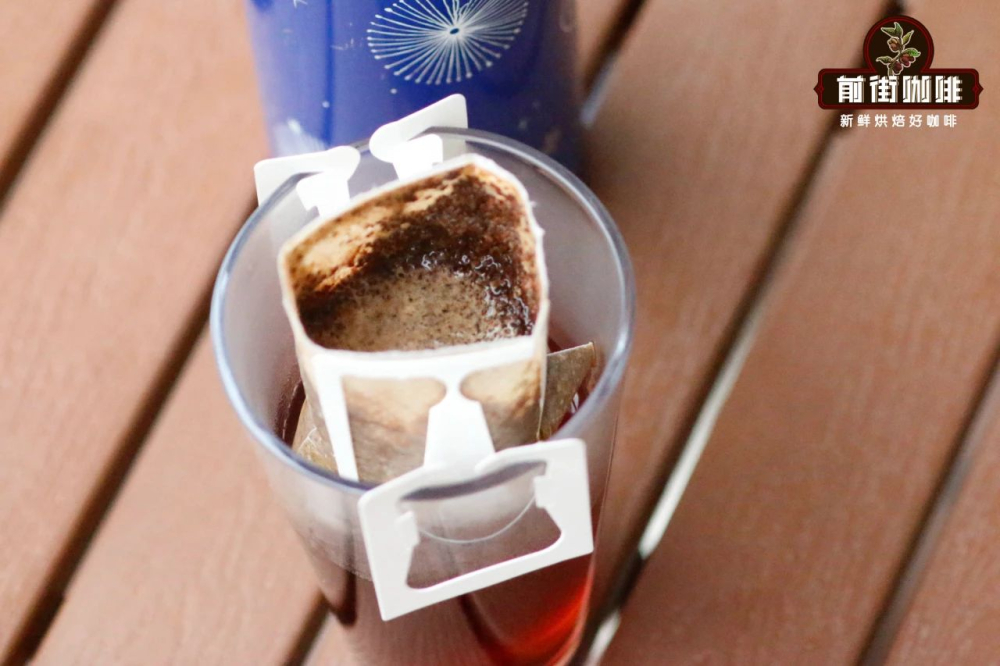 " alt="Recommended coffee-to-water ratio and water temperature for drip bags" />
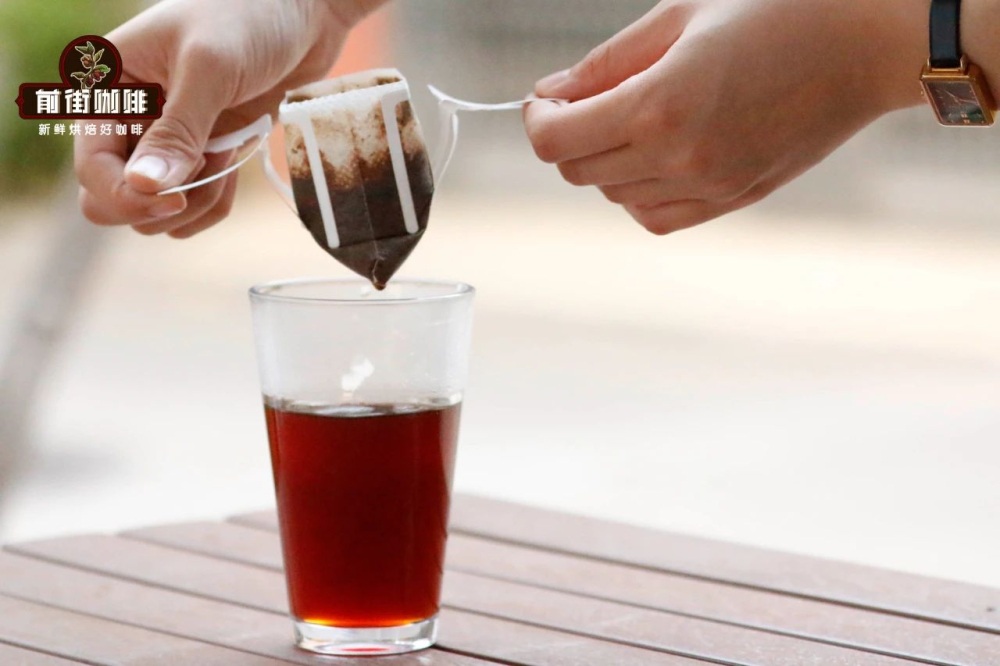
During actual brewing, start by preheating the cup that will hold the coffee. Then, tear open the sealed opening marked “Open” on the drip bag, gently unfold the two “ears,” and securely hang them on the edge of the cup. Lightly tap or shake the filter pouch to evenly distribute the coffee grounds. The first step is the bloom: pour a small amount of hot water to fully wet the coffee grounds and let it sit for about 30 seconds. This helps release carbon dioxide and initiates the flavor extraction process. After blooming, switch to a fine stream of water and pour in a circular motion. Once the coffee bed settles slightly, continue pouring until the total volume reaches 140 to 150 milliliters, then remove the drip bag. For more precise control, you can also pre-measure 150 to 160 milliliters of water, pour it all at once, and wait for the coffee liquid to fully drip through—the entire process takes about one minute.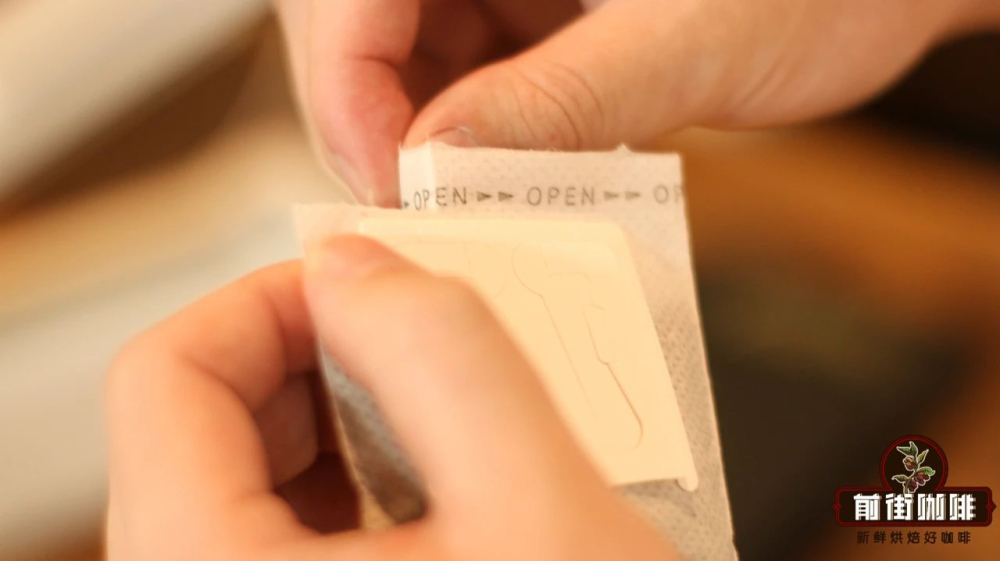 " alt="Bloom and pouring steps for drip bags" />
It’s important to note that drip bags use pre-ground coffee, which loses its aroma and flavor faster over time compared to whole beans. Therefore, it is recommended to brew and consume them as soon as possible for the best flavor experience. Additionally, although some users may wonder if the same drip bag can be reused, generally speaking, the extractable substances in the coffee grounds are mostly released in the first brew. The flavor and strength of a second brew will be significantly reduced, so reuse is not recommended.
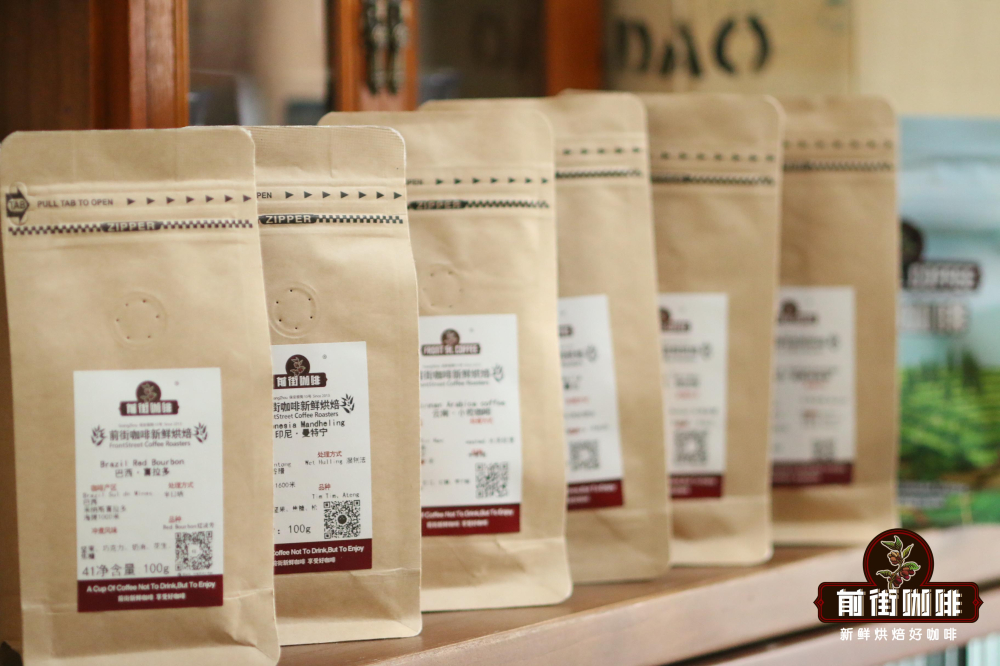
Coffee beans from different regions impart unique flavor profiles to drip bags. For example, Ethiopia’s Yirgacheffe is known for its citrus and fruity notes, Colombia’s Huila presents peanut and creamy aromas, while Indonesia’s Mandheling features a strong herbal and nutty base. These differences make drip bags not just a convenient option but also an accessible way to explore various coffee flavors.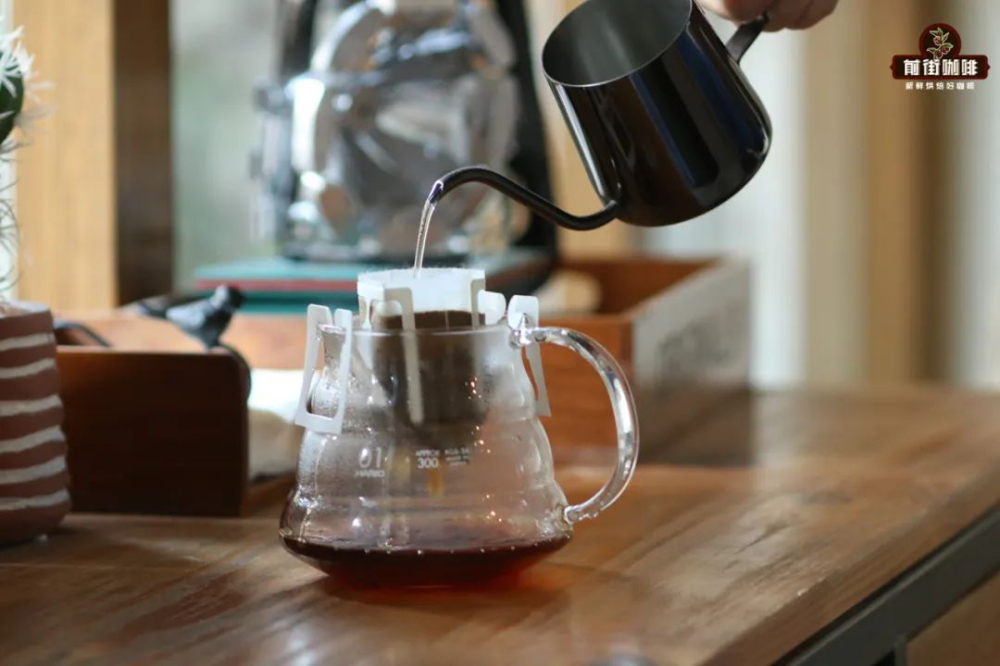 " alt="Flavor characteristics of coffee beans from different regions" />
 " alt="Drip bag brewing process and precautions" />
The above content is compiled by CoffeeHunters, a coffee news website.


