







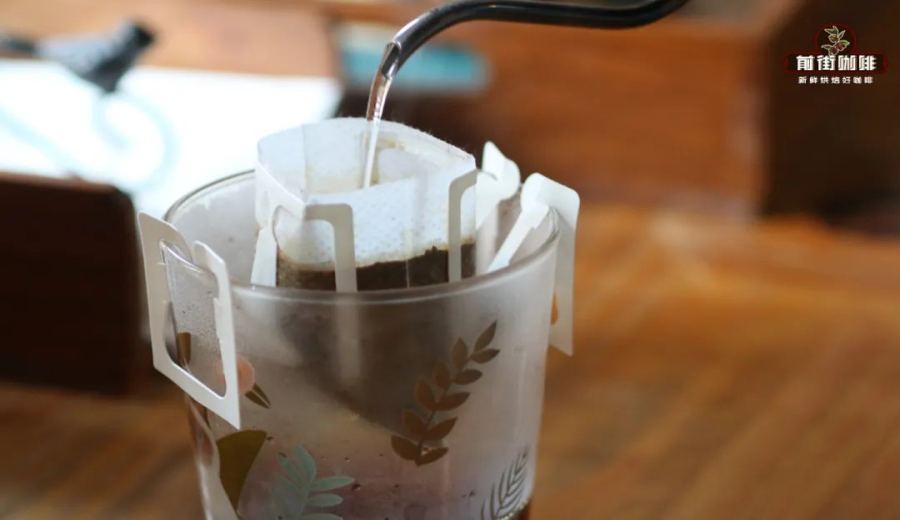
Introduction:Earline coffee combines the refinement of pour over with the convenience of instant brewing, making it a daily choice for many coffee enthusiasts. This article delves into the origins of earline coffee, the correct brewing methods, and contrasts its fundamental differences from instant coffee—helping readers master optimal flavor extraction parameters to elevate their home coffee experience.
The coffee powder used in earline coffee is freshly ground from newly roasted beans, effectively preserving the original aroma and layered complexity of the coffee. This brewing method mostly employs hot water extraction, during which coffee grounds are produced, hence the use of specialized filter bags. Unlike common instant coffee, earline coffee is based on real coffee powder, not artificially synthesized coffee extract, thus delivering a flavor closer to that of pour over coffee.
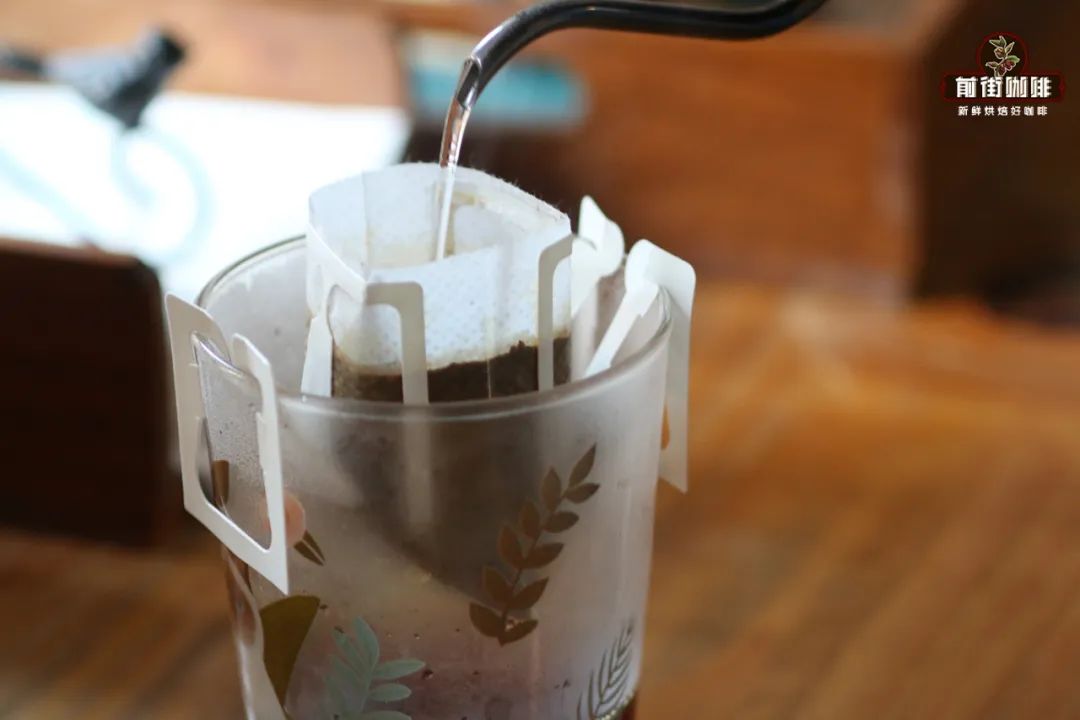
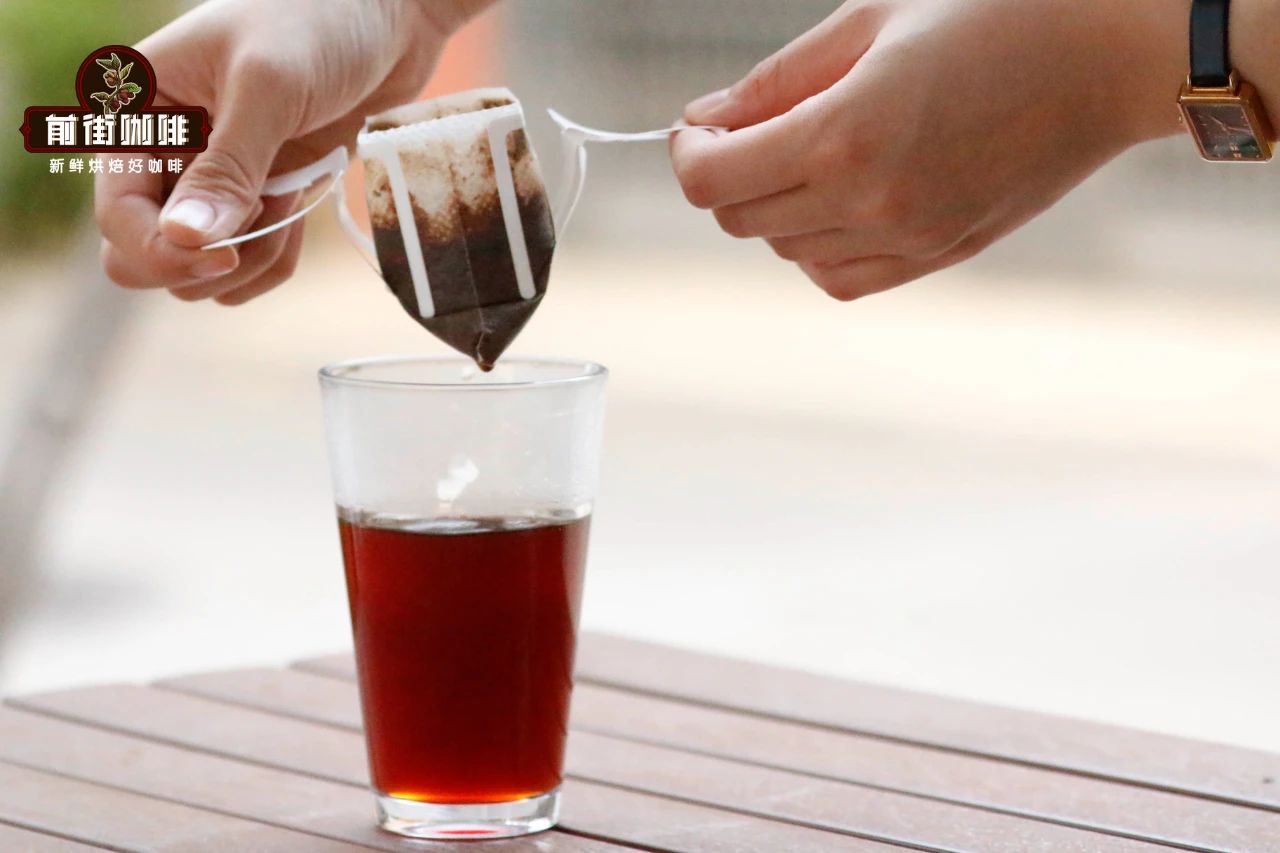
Like traditional pour over, earline coffee also belongs to the drip filtration extraction method. The final flavor profile of the coffee is closely related to the selected coffee bean variety and roast level. The inspiration for this convenient packaging originally came from hanging tea bags, with the design intent being to recreate the pour over drip experience. Pre-ground coffee is packed into a non-woven filter bag, with "little ears" made of paper attached to both sides of the bag. These act as stable suspension hooks at the center of the cup rim, allowing hot water to evenly saturate the coffee grounds—hence the name “earline coffee.”
The invention of earline coffee can be traced back as early as 1990, when it was introduced by Japan’s Yamagata Sangyo Co., Ltd. The product was similarly inspired by hanging tea bags, and the developers aimed to simplify the pour over process by pre-portioning coffee powder, enabling users to easily enjoy professional-level pour over coffee quality at home. By 2002, earline coffee packs were officially patented and launched in Japan. Thanks to their simple operation and portability, they quickly gained market favor and became the go-to choice for many busy individuals or coffee newcomers.
Brewing earline coffee is extremely simple—just prepare a kettle of hot water and a cup. Once brewed, simply discard the filter bag along with the coffee grounds, without the need to clean additional complicated equipment, saving considerable time and effort. With the rise of specialty coffee culture, more and more coffee beans from different regions and processed in various methods have been made into earline packs. Consumers can choose from various flavor profiles—such as bright acidity with fruity aromas, or rich and low-acid combinations—based on personal taste preferences.
The correct way to brew earline coffee is crucial for flavor expression. Generally, earline filter bags are made of non-woven fabric with a water permeability structure similar to metal filters, consisting of coarse and fine double-layered non-woven materials that effectively filter out coffee grounds while allowing only clear coffee liquid to drip through. Taking a common 10g earline pack as an example, if following the standard pour over powder-to-water ratio of 1:15 to 1:18, it is recommended to pour in 150~180 millilitersof hot water to achieve a balanced and layered taste.
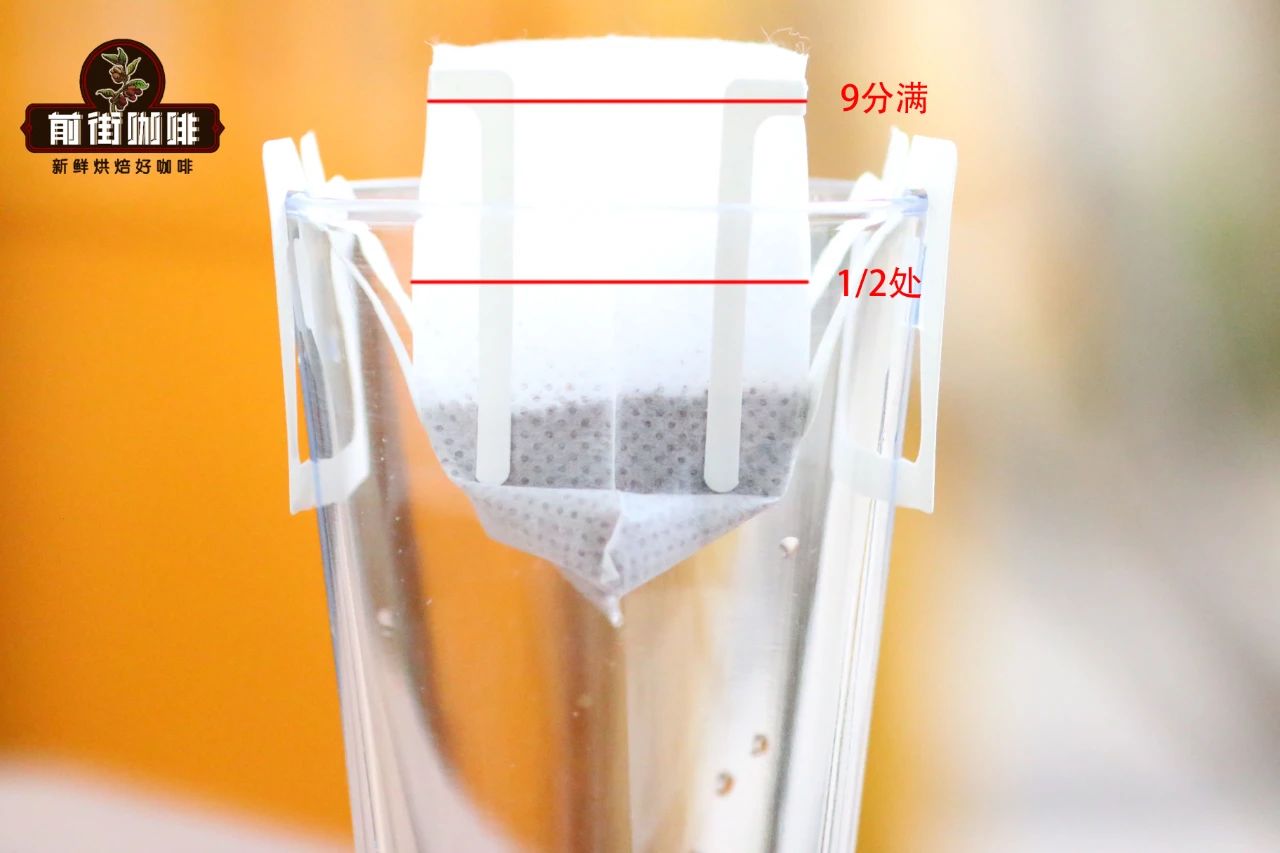
In specific steps, it is recommended to first pour a small amount of hot water (about half the height of the filter bag) to let the coffee grounds bloom fully for about 10 seconds, helping to release the aroma. Then, pour water steadily in portions until the filter bag is about 80% full. Once the coffee liquid has finished dripping, continue adding water until the extraction is complete. It is important to note that pouring too much water at once may cause the water to bypass the coffee grounds layer and flow directly out from the sides of the filter bag, resulting in insufficient flavor extraction and a thin-tasting cup. Practical tests have found that brewing in three pours takes about one and a half minutes, with the total water volume controlled at around 150 milliliters. For those who prefer a lighter taste, the number of pours can be extended until the bag is 80% full, with a total volume of about 180 milliliters.
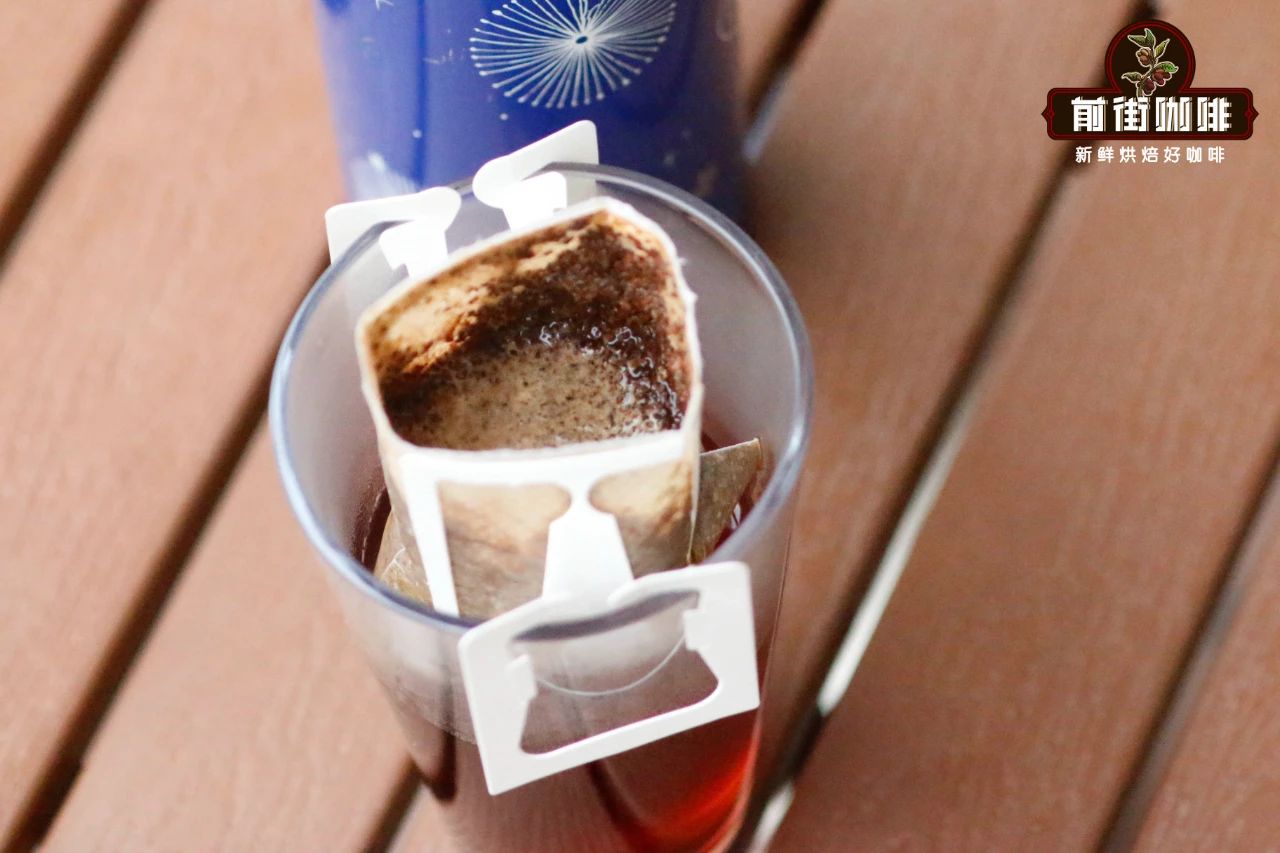
During brewing, water temperature is one of the key factors affecting flavor release. It is recommended to use 86~93°C hot water. Temperatures that are too low (e.g., around 80°C) may make the coffee flavor seem flat, while excessively boiling water can easily extract excessive bitter and astringent substances. In practice, after boiling the water, let it sit for about 1~2 minutesto lower the temperature to around 90°C. This range balances aroma and taste.
Additionally, the pouring technique should also be noted. It is recommended to use a narrow-spout kettle or other tools that allow for controlled water flow, pouring in a steady and delicate manner to avoid overly vigorous impact that could lead to uneven coffee extraction. A proper bloom not only helps the coffee grounds degas but also contributes to a more stable extraction in subsequent stages, further enhancing the overall flavor’s completeness and harmony.
The above content is compiled by CoffeeHunters, a coffee news website.


