








Introduction:Although both ice drip and cold brew belong to the category of low-temperature slow extraction coffee, they exhibit significant differences in extraction methods, time control, and flavor profiles. This article delves into the operational details of both methods—from coffee-to-water ratios and extraction durations to final flavor expressions—and includes a hands-on comparison between the clear, vinous notes of ice drip coffee and the rich, fruity sweetness of cold brew, helping you choose the most suitable cold extraction method based on your taste preferences.

Both ice drip coffee and cold brew are beloved low-temperature extraction methods that not only highlight the original flavors of coffee beans but also bring out unique layers through slow extraction. Many coffee enthusiasts wonder whether these two methods are truly as similar as they appear. In reality, from extraction principles and equipment design to final taste, there are clear distinctions. Understanding these details allows you to more accurately select your preferred cold extraction flavor.
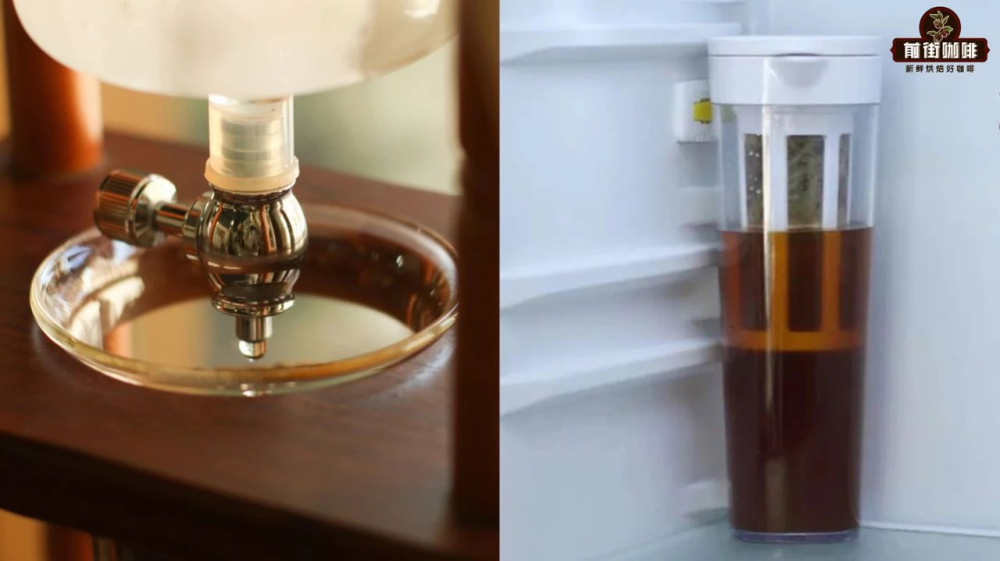
First, looking at the production process, ice drip coffee relies on slowly dripping ice water, utilizing a three-tiered setup (top chamber with ice water, middle chamber with coffee grounds, and bottom chamber for collected coffee liquid) to complete extraction at an extremely slow rate of just a few drops per minute, taking approximately 6 to 8 hours in total. In contrast, cold brew involves mixing coarsely ground coffee powder with cold water (or ice cubes), sealing it, and letting it steep in the refrigerator for 12 to 24 hours. Extraction is achieved through time and low temperature, and the final step is filtering through paper to complete the process.

To clearly compare the two, this experiment used the same coffee beans and synchronized preparation process. We selected a natural-processed Huakui coffee bean, whose flavor profile features a distinct creamy strawberry note with a sweet and tangy aftertaste, making it well-suited to showcase the characteristics of cold extraction methods. The grind size was uniformly adjusted to a fine grind, using a 20-mesh sieve passing rate of 75% as the baseline—the EK43s grinder was set to 9 clicks, while the hand grinder C40 was set to 22 clicks—to ensure even release of flavor from the coffee particles.
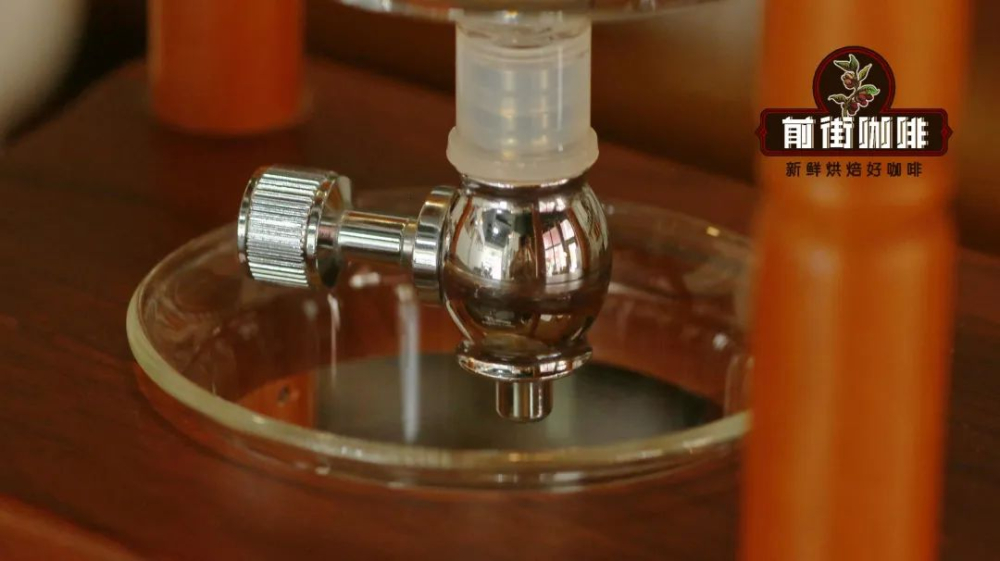
The specific approach for ice drip coffee was as follows: using 60 grams of coffee grounds, aiming to extract 600 milliliters of coffee liquid, with a coffee-to-water ratio controlled at 1:10. The dripping speed was adjusted to about 6 drops every 10 seconds, using an ice-water mixture as the water source in the top chamber. The overall extraction time was approximately 7 to 8 hours. After completion, the coffee liquid was poured into a sealed container, and it is recommended to refrigerate for an additional 48 hours to stabilize the flavor. This method utilizes the dual effects of gravity and time to allow coffee molecules to slowly release, resulting in a unique clear texture and fermented aroma.
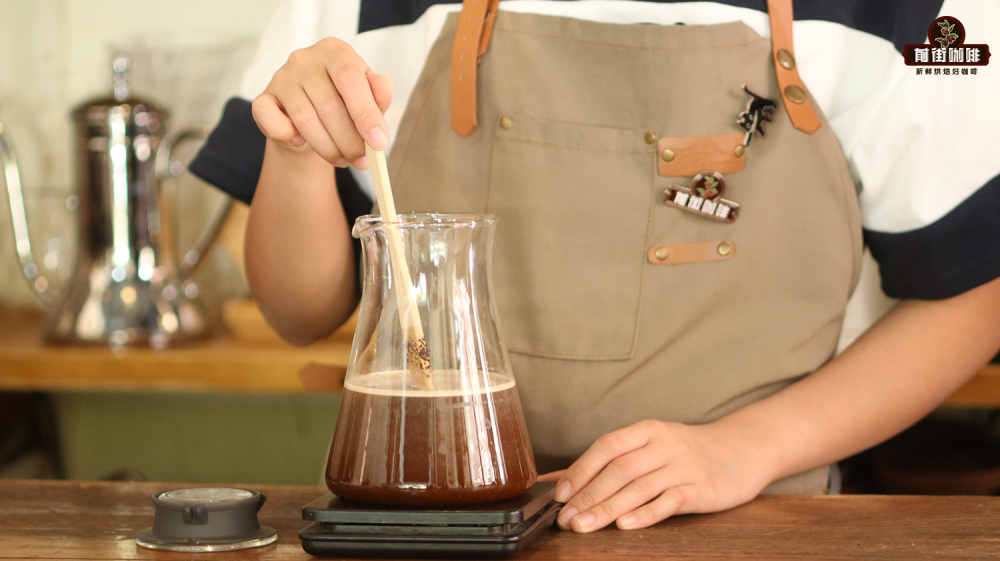
The operation for cold brew is slightly different: using 50 grams of coffee grounds, combined with 400 milliliters of cold water and 200 grams of hard ice (totaling 600 grams of ice-water mixture, considering the coffee grounds’ water absorption rate of about twice their original weight), stirred evenly, then sealed and refrigerated for 24 hours. After extraction, the coffee grounds were carefully filtered out with paper, and the final coffee liquid was poured into a clean, sealed bottle. It is recommended to refrigerate for an additional 2 to 4 hours to allow the flavor to become rounder and fuller. This method achieves even release of coffee flavors through prolonged low-temperature steeping, resulting in a smooth and consistent taste.

Observing the finished products, ice drip coffee typically presents a clear, bright amber color with almost no oil foam on the surface; whereas cold brew appears slightly hazy and often has a thin layer of delicate coffee oils floating on the surface. In terms of flavor, ice drip coffee excels in a clean and refreshing taste, featuring a strong fermented aroma and subtle vinous notes, along with a mild sweet-tangy sensation of berries. It is ideal for those who enjoy layered, long-lasting aftertastes. In contrast, cold brew has a richer mouthfeel, with a more uniform flavor profile, where fruit sweetness is prominently highlighted and fermentation notes are more restrained. It suits consumers who prefer a mellow, smooth, and low-acidity experience.

Based on comprehensive test results, the differences between ice drip and cold brew coffee are not only reflected in extraction time and equipment design but are also directly evident in the clarity, layering, and fullness of the flavors. Whether you are pursuing the nuanced variations of vinous fermentation or prefer the gentle experience of fruity sweetness and richness, understanding the characteristics of these two cold extraction methods can help you find the coffee enjoyment that best suits your palate.
The above content is compiled by CoffeeHunters, a coffee news website.


