








Introduction:Cold drip and cold brew coffee are the two most popular low-temperature extraction methods in summer, but many coffee enthusiasts still have only a vague understanding of their brewing principles, flavor differences, and reservation requirements. This article delves into the core distinctions between cold drip and cold brew coffee, covering everything from extraction mechanisms and flavor profiles to professional parameter settings, while also providing practical home-brewing tips to help you choose the ice coffee that best suits your taste preferences and easily replicate café-grade flavors at home.
In recent years, the options for iced coffee have become increasingly diverse, with cold drip and cold brew standing out as top choices for many coffee lovers due to their unique flavors and low-temperature extraction characteristics. However, many people still have questions about these two brewing methods: What exactly is the difference between cold drip and cold brew? Why do cafés often require advance reservations for cold drip coffee? This article will take you on an in-depth exploration of these two highly acclaimed iced coffee brewing techniques.
The Difference in Extraction Principles: Cold Drip vs. Cold Brew
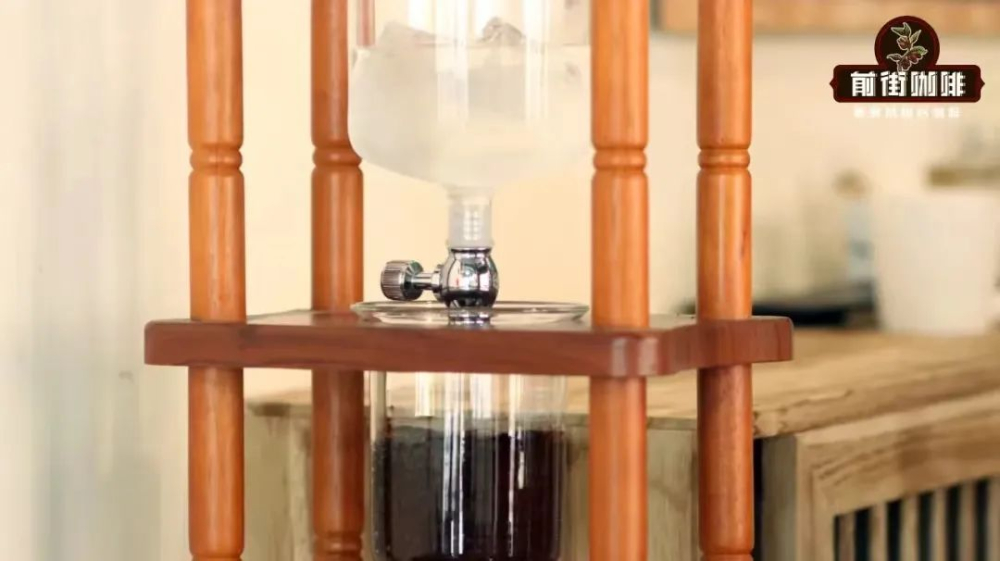
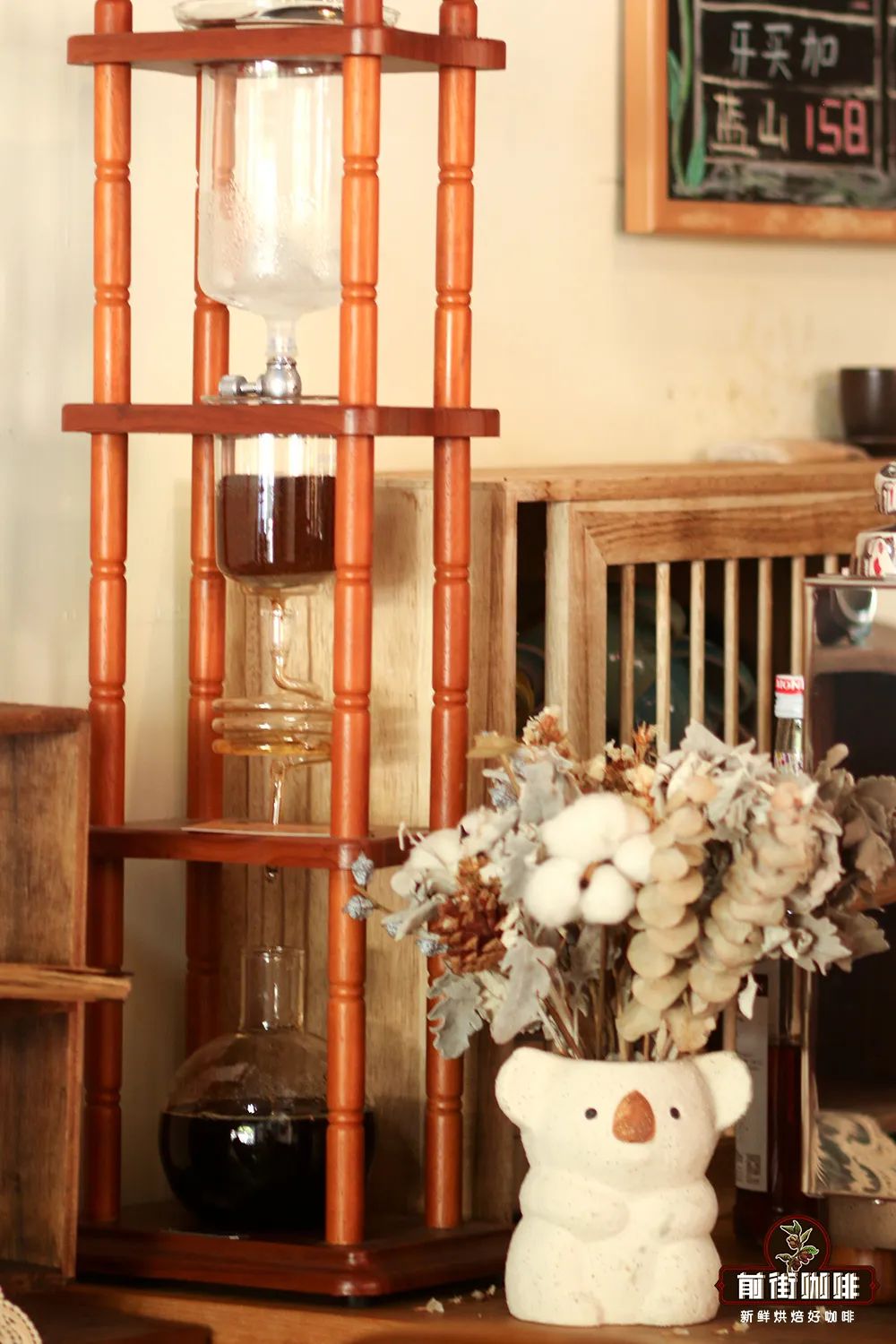
Although both cold drip and cold brew coffee fall under the category of low-temperature extraction, their brewing methods are fundamentally different. Simply put, cold brew involves steeping coffee grounds in cold water, allowing the flavors to gradually release over time—similar to the immersion method used in a French press. In contrast, cold drip slowly drips ice water drop by drop through the coffee grounds to extract the coffee compounds, a process akin to the drip filtration method used in pour over. If we were to compare the equipment, cold brew is like an immersion-style French press, whereas cold drip is closer to a precisely controlled pour over process.
Flavor Profile: Crisp and Bright Cold Drip vs. Rich and Full-Bodied Cold Brew
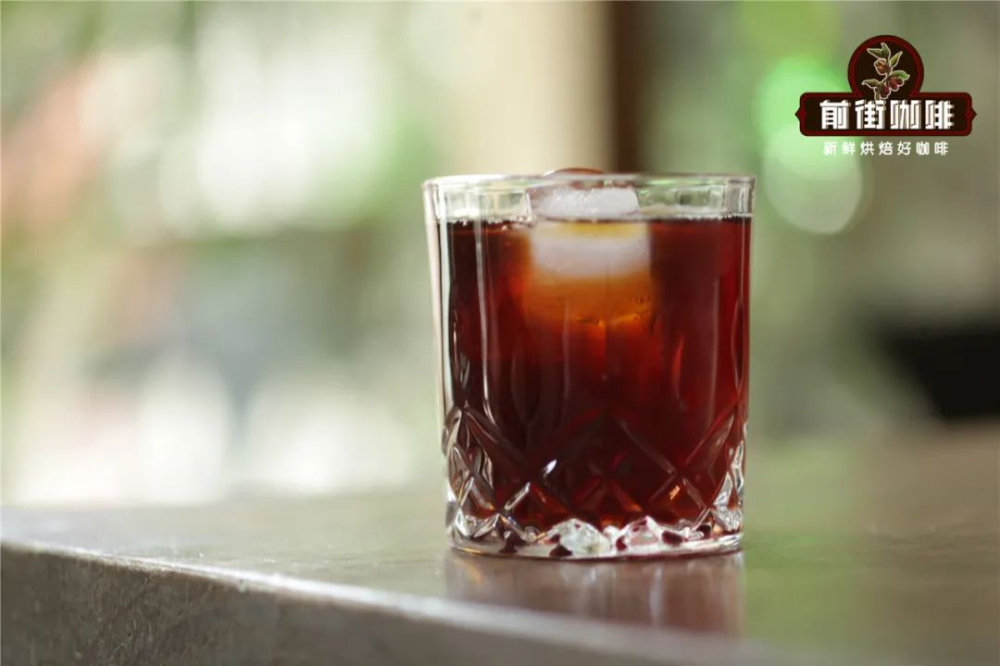
Many people wonder which tastes better—cold drip or cold brew? The truth is, it depends on personal taste preferences and the characteristics of the coffee beans. Using the same coffee beans as an example, real-world tests in cafés have shown that cold brew better highlights the original flavor profile of the beans, such as the aromas of raisins, osmanthus, and sweet oranges, with a generally more rounded and layered taste. On the other hand, cold drip offers a cleaner, clearer mouthfeel, accompanied by a distinct fruity, wine-like fermentation note, resulting in a more transparent and refreshing flavor. However, if you’re not paying close attention, the differences between the two might be less noticeable.
Why Does Cold Drip Coffee Require a Reservation?
It’s common for customers to see a chalkboard notice in cafés that reads “Cold drip coffee requires a two-day advance reservation.” This is because the production process for cold drip is more complex and time-consuming—it requires 6 to 8 hours of slow ice water dripping, followed by 12 hours of resting time to allow the flavors to fully integrate before it’s ready to drink. Therefore, if you want to try a specific coffee bean as a cold drip, it’s recommended to make a reservation in advance to ensure it can be prepared according to your request. Of course, during hot seasons, some cafés may also offer cold drip daily, though the bean variety may vary depending on daily supply.
Home Brewing Parameter Reference
If you’d like to try making cold drip or cold brew coffee at home, here are professional-grade reference parameters to help you achieve café-quality flavors. Please note that these parameters are not absolute and, much like pour over, can be fine-tuned based on personal taste.
Suggested Parameters for Making Cold Drip Coffee:
- Coffee grounds: 60 grams (adjustable based on container capacity)
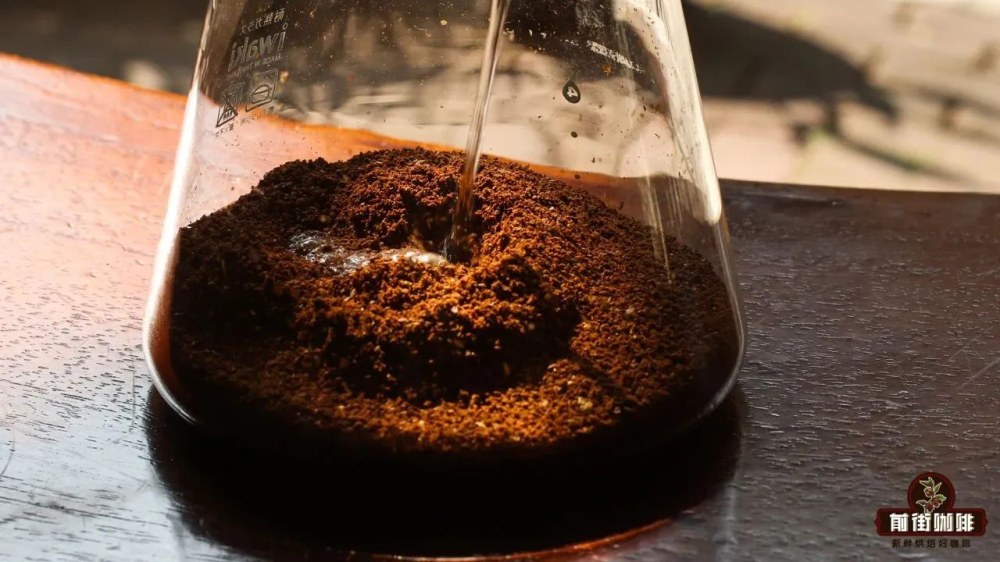
- Grind size: 85% passing through a #20 sieve, roughly equivalent to the coarseness of granulated sugar
- Coffee-to-water ratio: 1:10
- Extraction temperature: Use an ice water mixture, brewed at room temperature
- Drip rate: Controlled at 7 drops per 10 seconds
- Extraction time: 6 to 8 hours
- Serving method: After extraction, seal and refrigerate for 12 hours; when serving, add about 50 grams of ice cubes per 200 milliliters
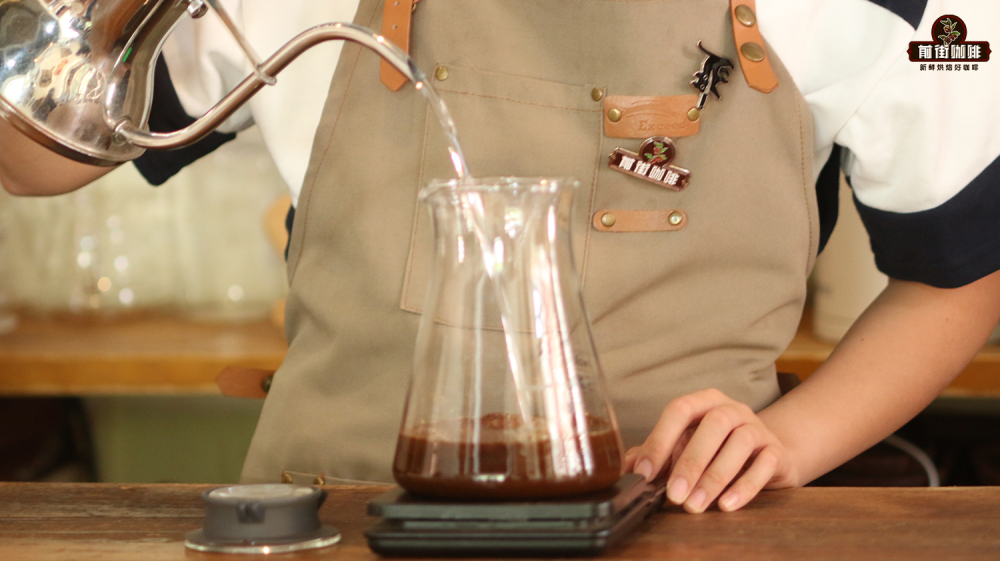
Suggested Parameters for Making Cold Brew Coffee:
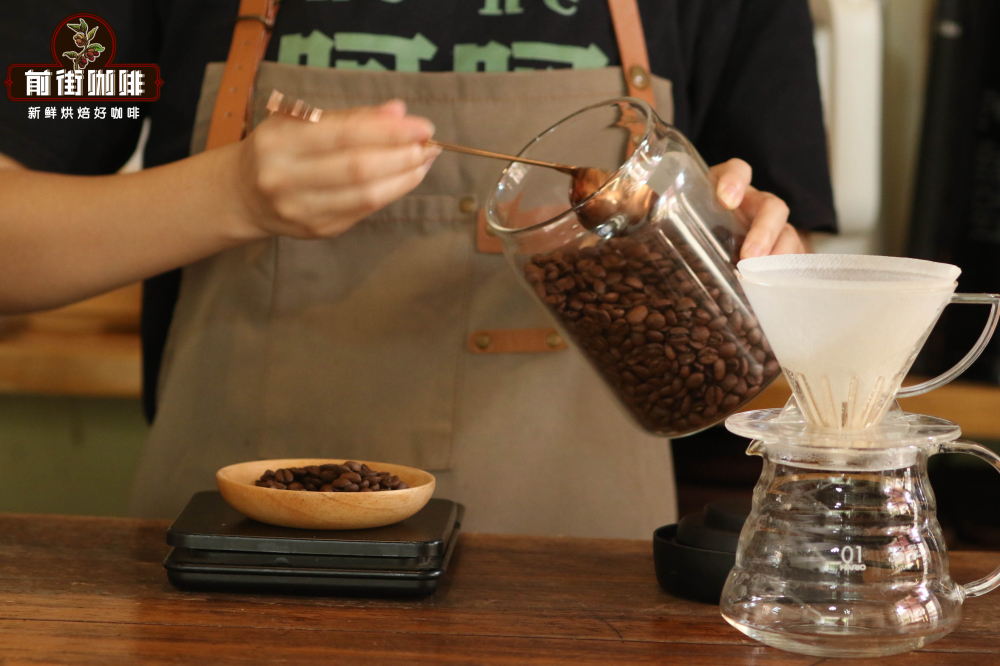
- Coffee grounds: 30 grams (adjustable based on container capacity)
- Grind size: 80% passing through a #20 sieve
- Coffee-to-water ratio: 1:12
- Extraction temperature: Brewed in a 7°C refrigerated environment
- Extraction time: 12 hours
- Serving method: After extraction, filter with paper and refrigerate for 4 hours before serving
Flavor Preservation Tips
Whether it’s cold drip or cold brew coffee, since both are produced via low-temperature extraction, it’s recommended to consume them within five days of production (starting from the day of brewing) to ensure optimal flavor and drinking safety. Proper storage not only helps maintain the flavor but also prevents flavor degradation or potential hygiene issues.
The above content is compiled by CoffeeHunters, a coffee news website.


