








Introduction:Cold drip coffee, with its unique low-temperature extraction process and profound flavors, has become an ultimate experience for many coffee enthusiasts. This article will take you through the origins and evolution of cold drip coffee, analyze how different processing methods of coffee beans influence the final flavor, and detail key parameter settings such as coffee-to-water ratio, grind size, drip rate, and time to help you brew clear and rich cold drip coffee at home.
Cold drip coffee (Dutch Cold Water Coffee) is a brewing method that slowly extracts coffee through the gradual dripping of ice water. Its origins can be traced back to the Dutch colonial period in the 17th century. At that time, the Dutch, wanting to enjoy coffee during their voyages but finding that hot water brewing resulted in overly sharp acidity and poor coffee preservation, experimented with using ice water instead of hot water for extraction. This method not only effectively reduced the release of acidity but also slowed down the oxidation rate of the coffee, allowing it to be preserved for a longer period, gradually forming the prototype of today’s cold drip coffee.
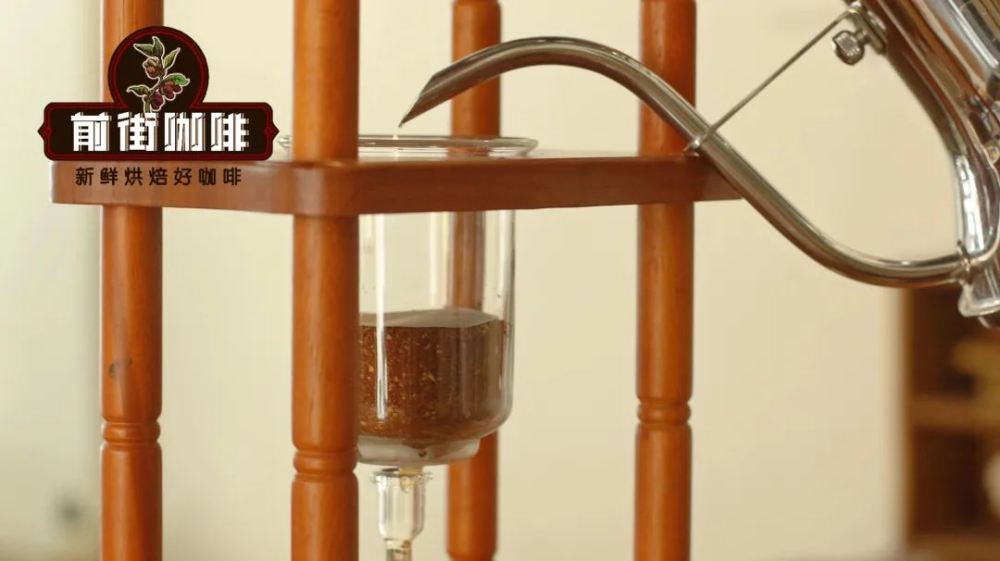
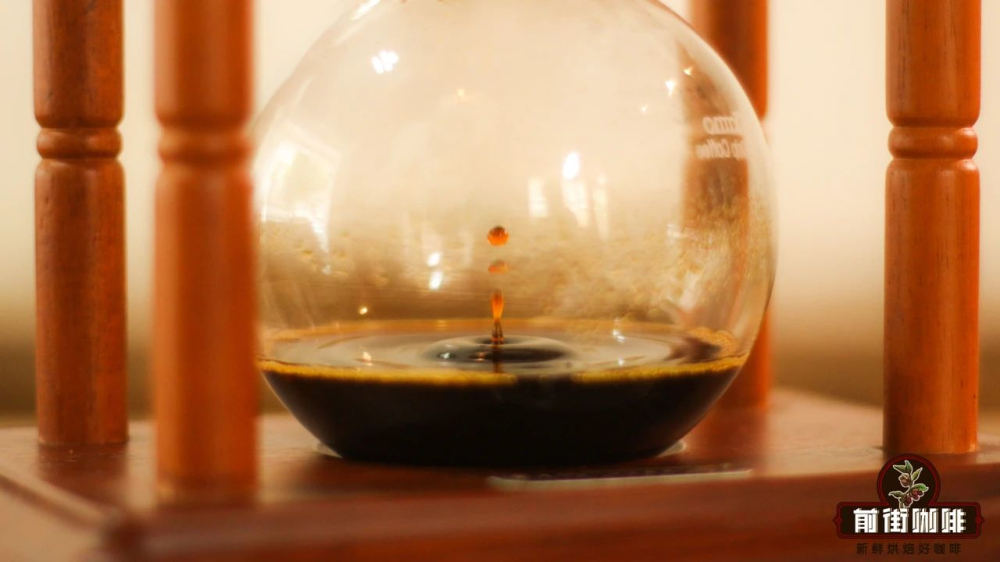
The core of making cold drip coffee lies in “slow extraction,” which typically takes 6 to 12 hours or even longer. By utilizing the natural melting of ice and water at room temperature, the ice water is controlled to drip steadily at a rate of 5 to 10 drops per minute onto the bed of coffee grounds. This low-temperature environment suppresses the volatilization of aromas, allowing flavor compounds to more fully dissolve into the liquid. After extraction, a brief period of refrigerated aging often results in a rounder and richer flavor.
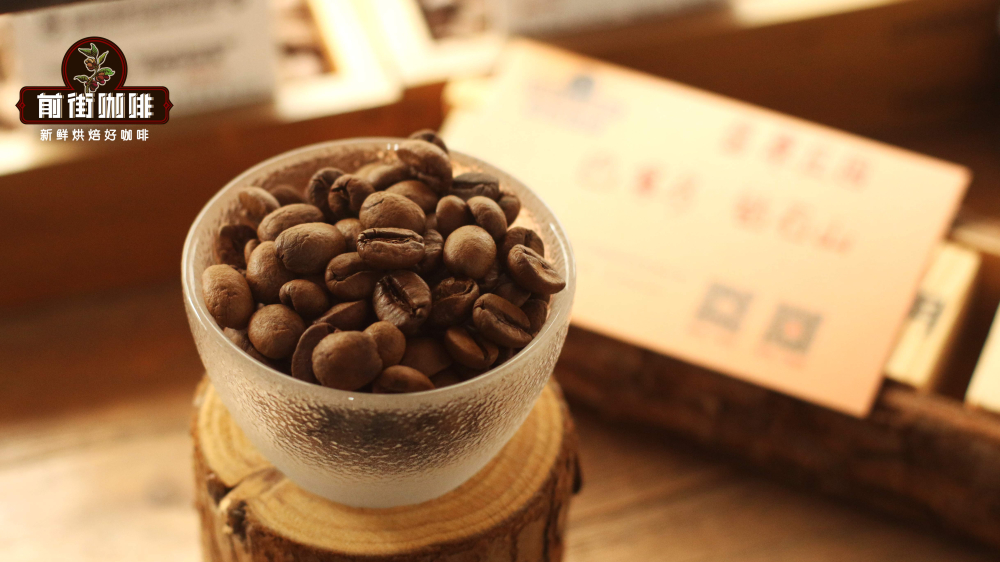
When selecting coffee beans, cold drip coffee is highly accommodating and can showcase the unique characteristics of different processing methods and roast levels. If you prefer a bright, fruity, and floral profile, light-roasted washed beans such as those from Yirgacheffe, Kenya, or Panamanian Geisha are ideal choices, offering vibrant citrus acidity and berry aromas. Medium to dark roasted beans like Colombian Huila or Brazilian Cerrado provide a rich body with notes of nuts, dark chocolate, and caramel, suiting those who enjoy a fuller mouthfeel. In recent years, popular fermented processing methods such as sherry cask or Sidamo beans impart intense wine-like aromas and unique dried fruit flavors, adding further complexity and layers to cold drip coffee.
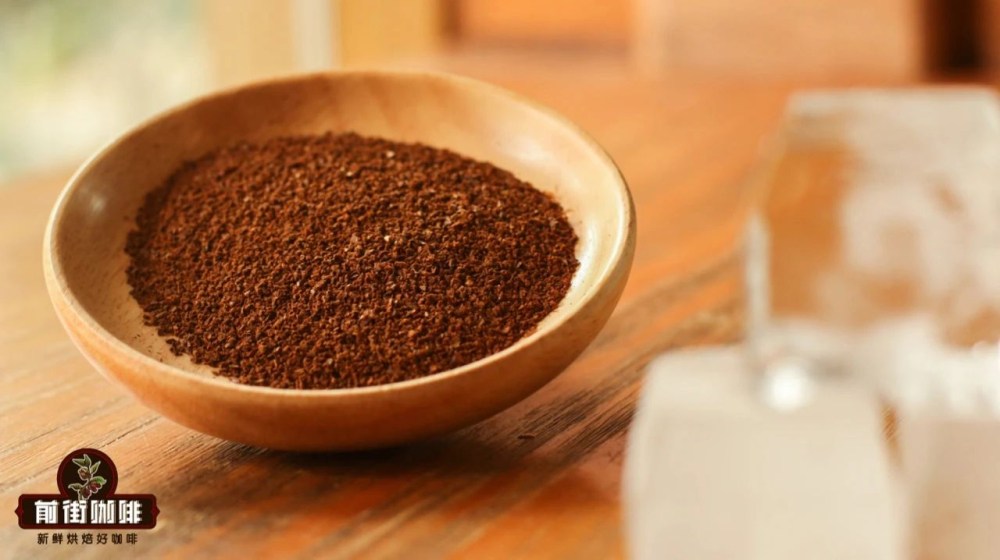
The standard coffee-to-water ratio for cold drip coffee is recommended to be between 1:10 and 1:12, meaning each 1 gram of coffee grounds corresponds to 10 to 12 milliliters of total liquid (including ice water and pure water). For example, with 60 grams of coffee grounds, the total extraction volume would be around 600 to 720 milliliters. The grind size should be adjusted to be slightly finer than superfine sugar, close to the coarseness of white sugar, ensuring sufficient extraction surface area without overly clogging the filter layer. If using a 1:1 ice-to-water ratio (e.g., 30 grams of ice mixed with 30 milliliters of water), note that the ice melting time may extend the overall extraction period, so adjust the drip rate slightly according to ambient temperature.
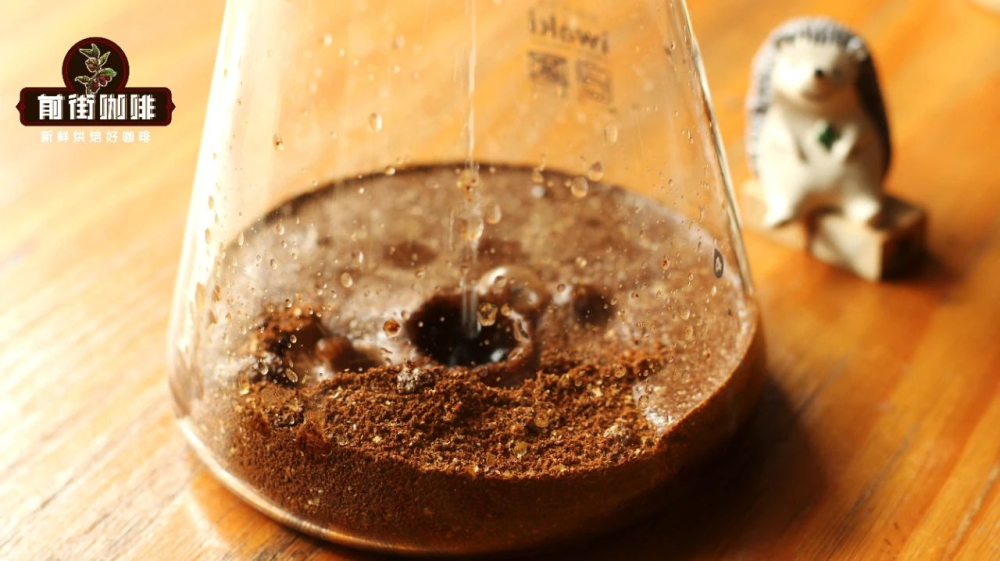
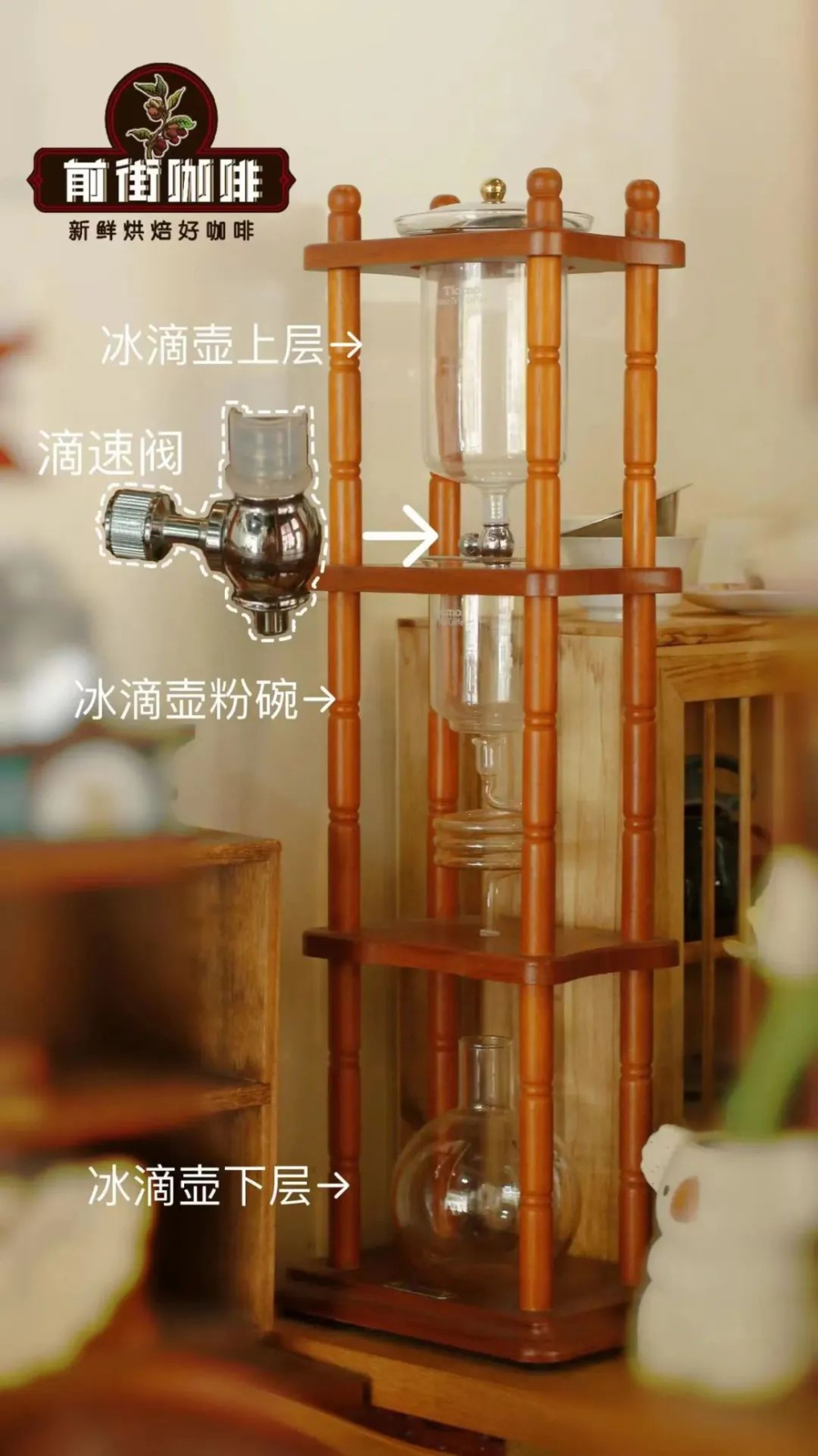
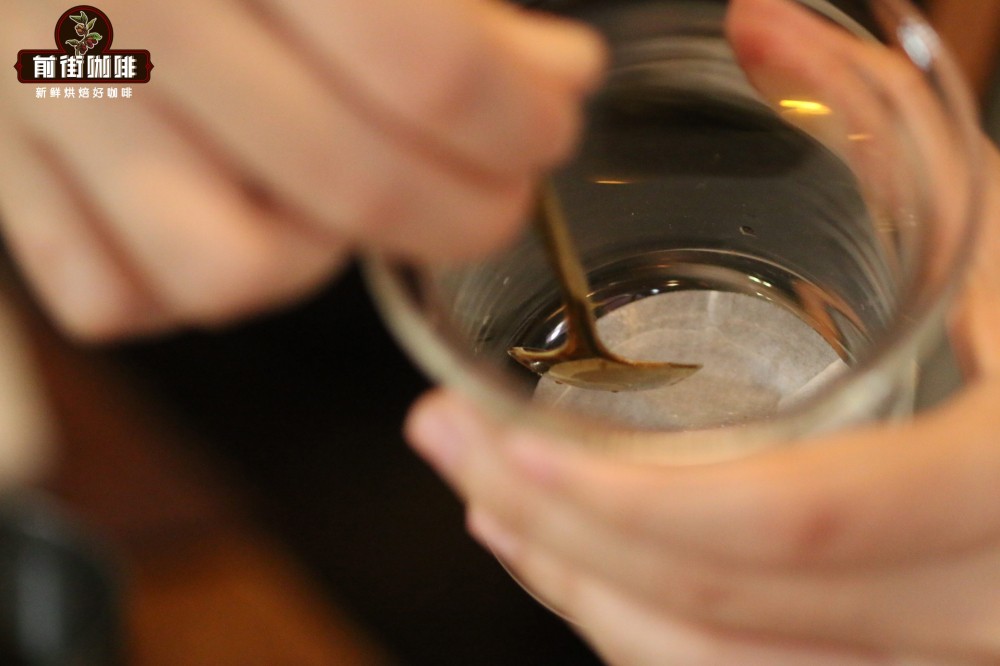
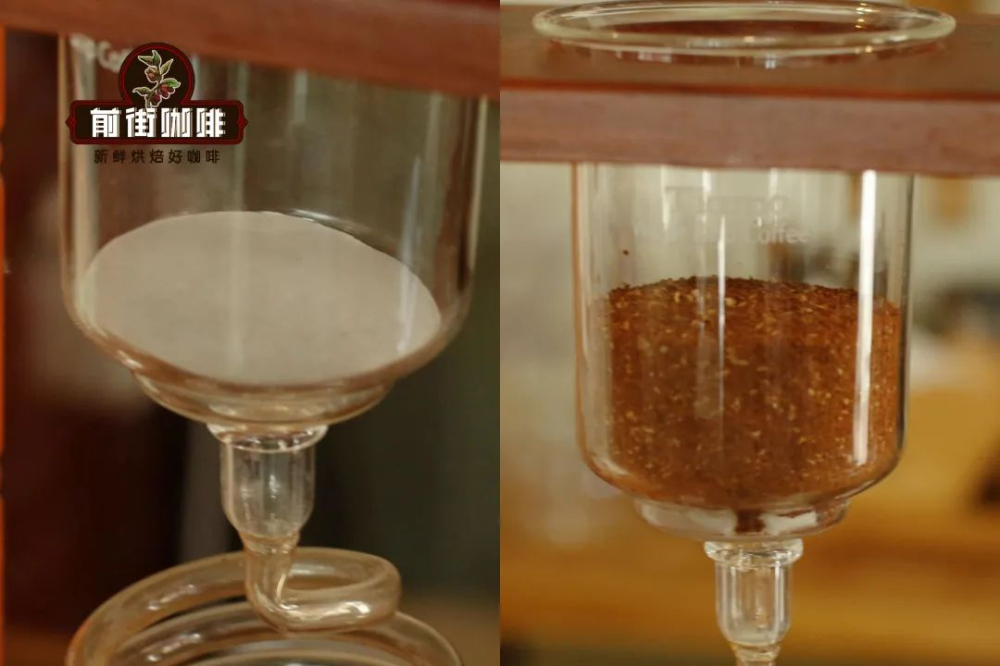
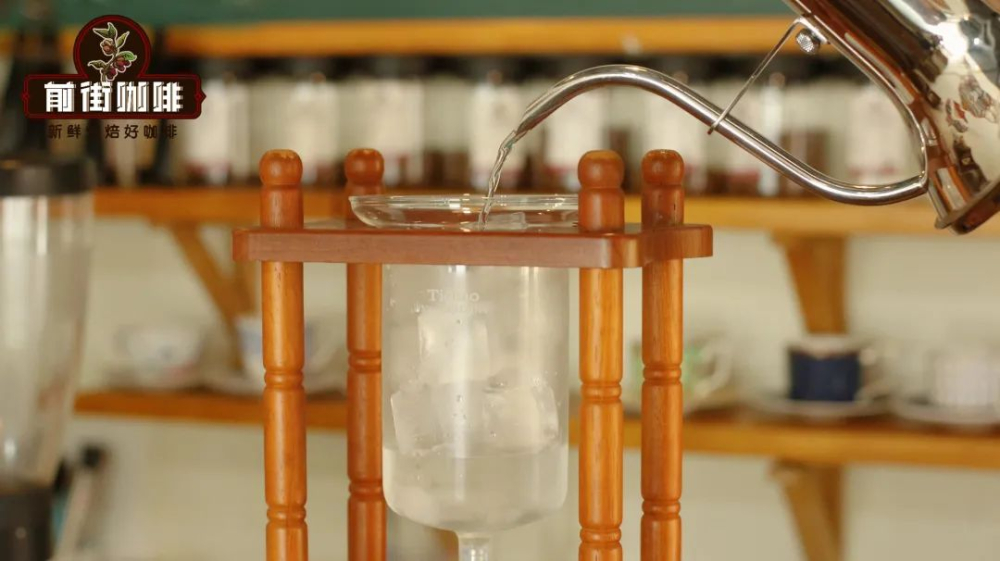
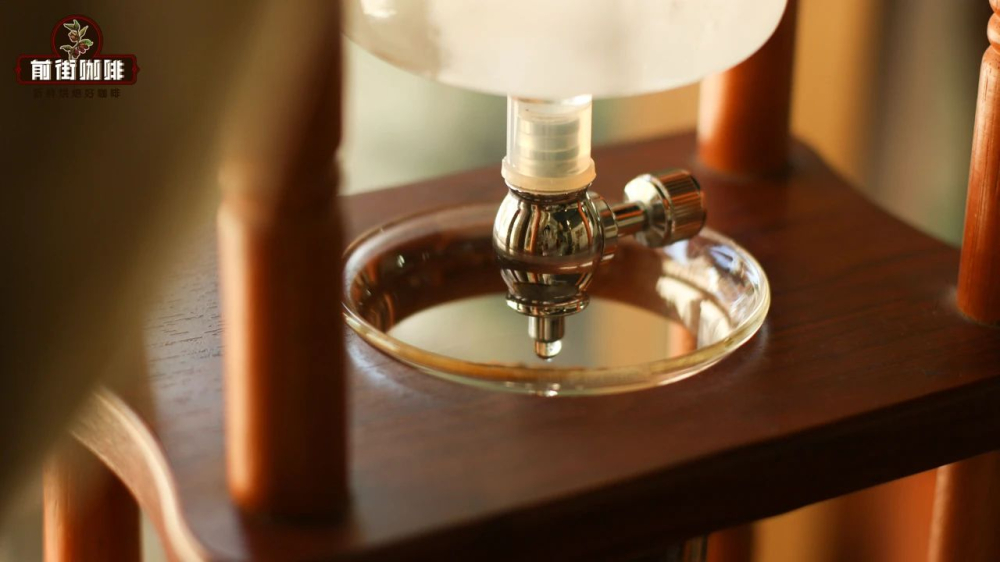
Cold drip equipment mainly consists of five components: a water reservoir for holding the ice-water mixture, a flow control valve to regulate the drip rate, a coffee grounds container, a coffee liquid collector, and a stand system to secure all parts. During preparation, place a moistened filter paper at the bottom of the coffee grounds container, press it flat, add freshly ground coffee, then cover with another layer of filter paper to ensure the coffee bed is level and compact. Before starting, quickly wet the coffee grounds with a small amount of ice water for pre-wetting (similar to the blooming step in pour over), wait until the coffee bed fully expands, then adjust the valve to control the drip rate to about 5 to 7 drops every 10 seconds, maintaining a stable flow until extraction is complete.
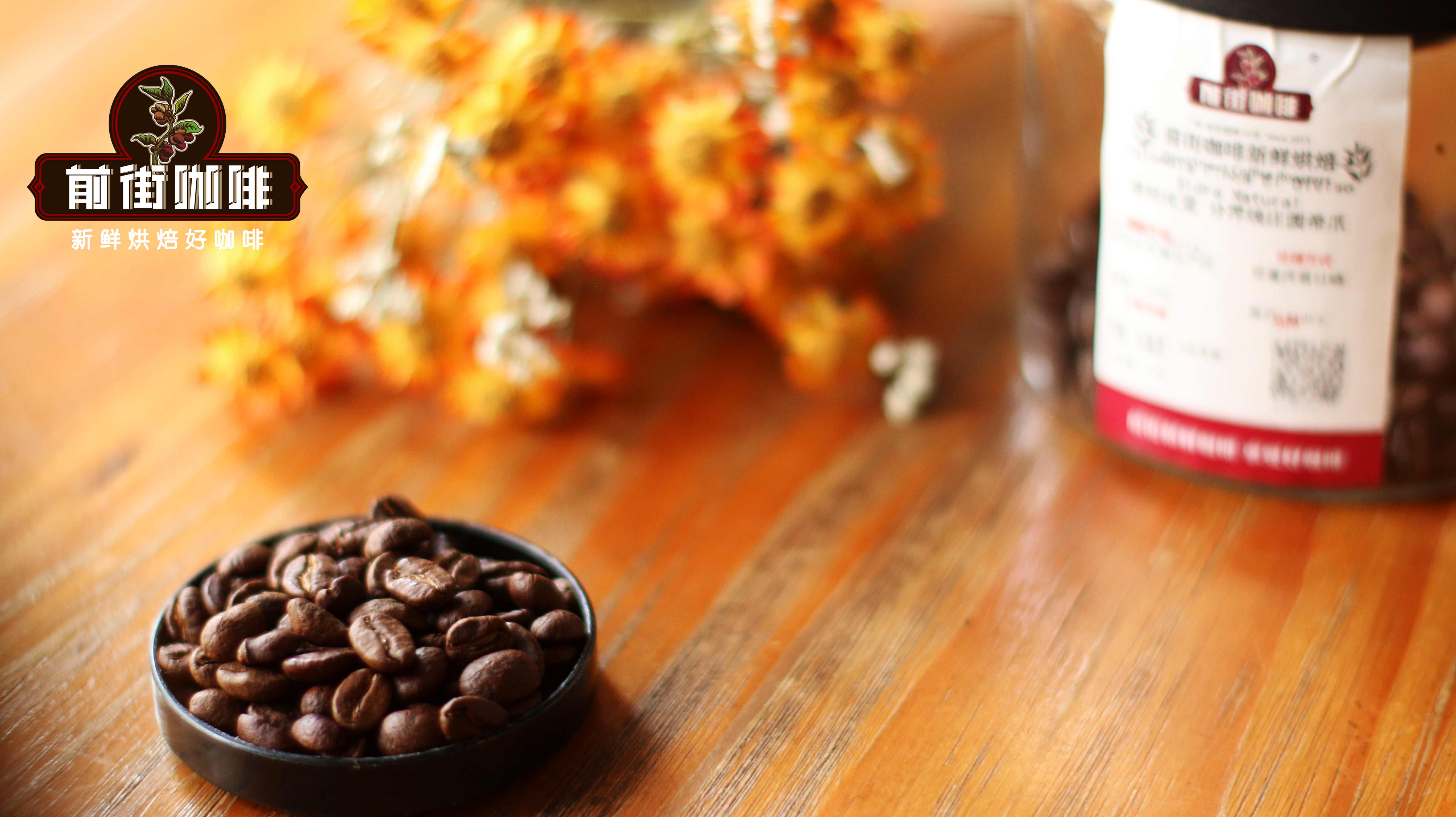
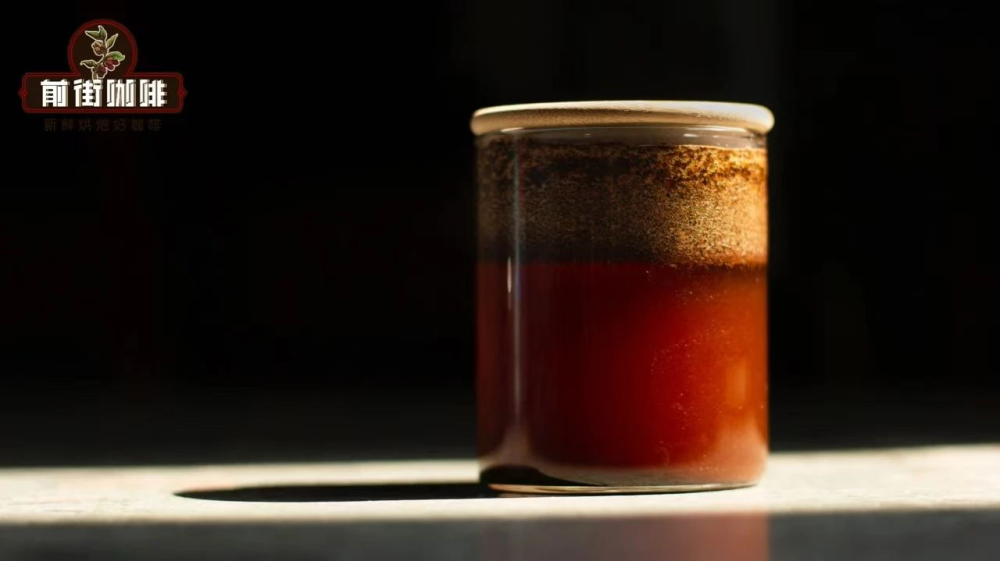
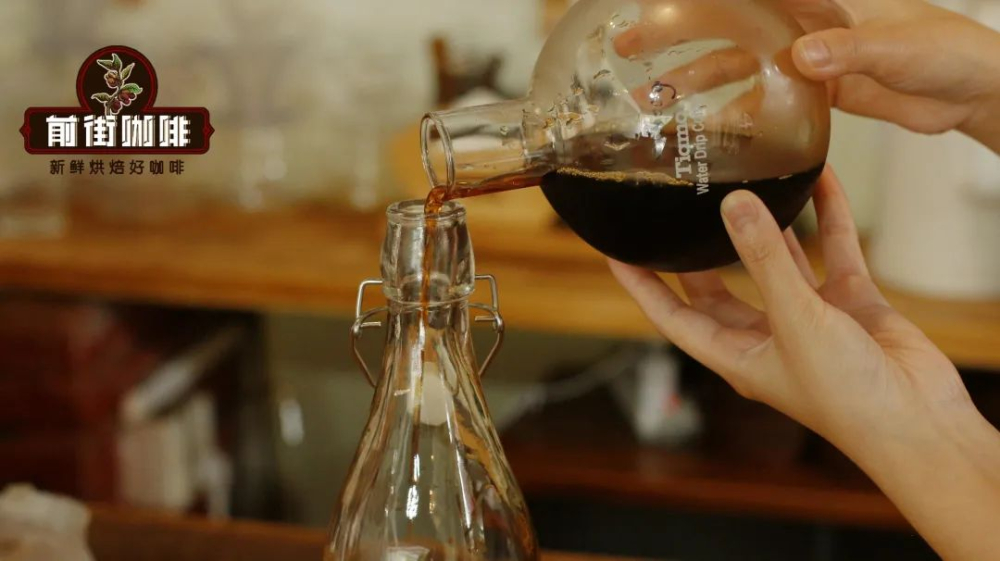
Taking classic washed Geisha beans as an example, the recommended parameter settings are as follows: 60 grams of coffee grounds, 1:10 coffee-to-water ratio, total liquid volume of 600 milliliters, 1:1 ice-to-water ratio, and a grind size as fine as white sugar, with the drip rate controlled at around 6 drops per 10 seconds. After pouring the mixed ice water into the water reservoir, wait for the coffee liquid to slowly drip out — the entire process takes approximately 8 to 10 hours. After extraction, it is recommended to transfer the coffee liquid into a sealed container, refrigerate it for 2 days to promote flavor integration, resulting in a more balanced acidity-sweetness structure and refined mouthfeel.
It is worth noting that although cold drip coffee is brewed at low temperatures, it is still recommended to consume it within 5 days after brewing to ensure optimal flavor and food safety. Extended storage times may lead to flavor degradation or off-odors. Additionally, beginners are encouraged to record details such as bean variety, grind size, coffee-to-water ratio, and drip rate for each attempt, and gradually adjust to develop a cold drip recipe that best suits personal taste, enjoying this patient yet rewarding coffee experience.
The above content is compiled by CoffeeHunters, a coffee news website.


