







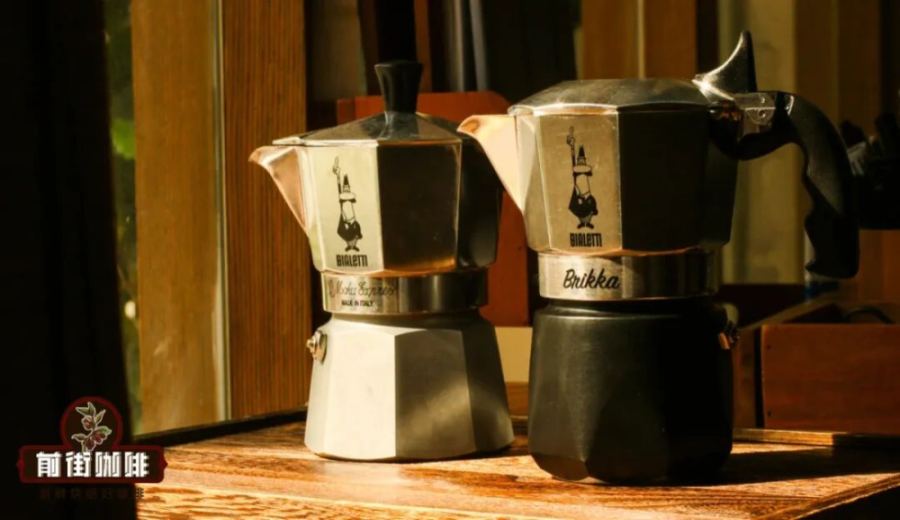
Introduction:Although the Moka pot is a classic Italian-style brewing tool, improper cleaning and maintenance can not only lead to oxidation and discoloration but may also affect the flavor of the coffee. This article provides an in-depth guide on the proper cleaning methods for both aluminum and stainless steel Moka pots, techniques for disassembling gaskets and filters, ways to restore oxidation and blackening, and recommended coffee bean types suited for Moka pot brewing—helping you upgrade both your equipment care and extraction quality.
Many coffee enthusiasts, after using a Moka pot, often rinse it with just water. However, this cleaning method, if used long-term, can cause the pot to oxidize and develop black spots, not only affecting its appearance but also potentially imparting off-flavors to the brewed coffee. Therefore, understanding the correct cleaning and maintenance methods is key to extending the life of your Moka pot and maintaining extraction quality.
Currently, Moka pots on the market are mainly made from two materials: aluminum and stainless steel, and there are significant differences in their cleaning methods. Especially for aluminum Moka pots, due to the nature of the material, using cleaning agents may trigger corrosion and oxidation reactions, particularly when the cleaner contains alkaline or chlorine components, which can more easily cause the pot to turn black. In addition, aluminum pots tend to absorb residual odors from dish soap, which can further affect the flavor profile of the coffee. Therefore, it is recommended to rinse with water only and avoid using any cleaning agents.
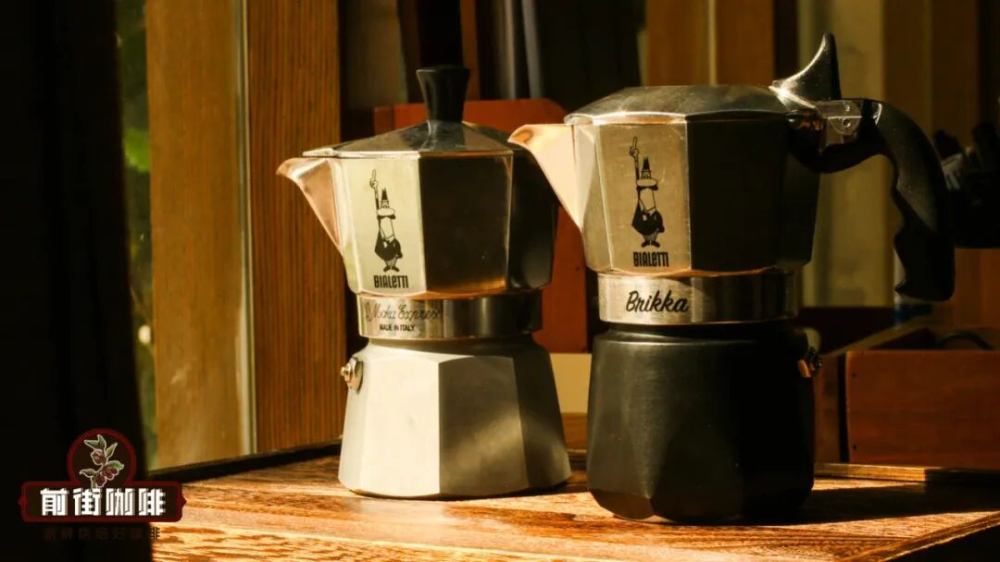
In comparison, stainless steel Moka pots are made from a more stable material with good corrosion resistance, so they can be cleaned with dish soap. However, care should still be taken to avoid the gasket area, as the chemical components in dish soap can accelerate gasket aging, leading to a decline in sealing performance and consequently affecting the pressure and flow rate during extraction.
Regardless of the material of your Moka pot, you should avoid using steel wool or other abrasive cleaning tools to prevent scratching the surface of the pot or damaging the protective coating. This not only affects the appearance but also accelerates the rate of metal oxidation.
After cleaning, be sure to allow all parts of the Moka pot to dry completely before reassembling. If any residual moisture remains, especially in enclosed spaces, it can more easily trigger oxidation reactions, causing annoying black spots on the pot.
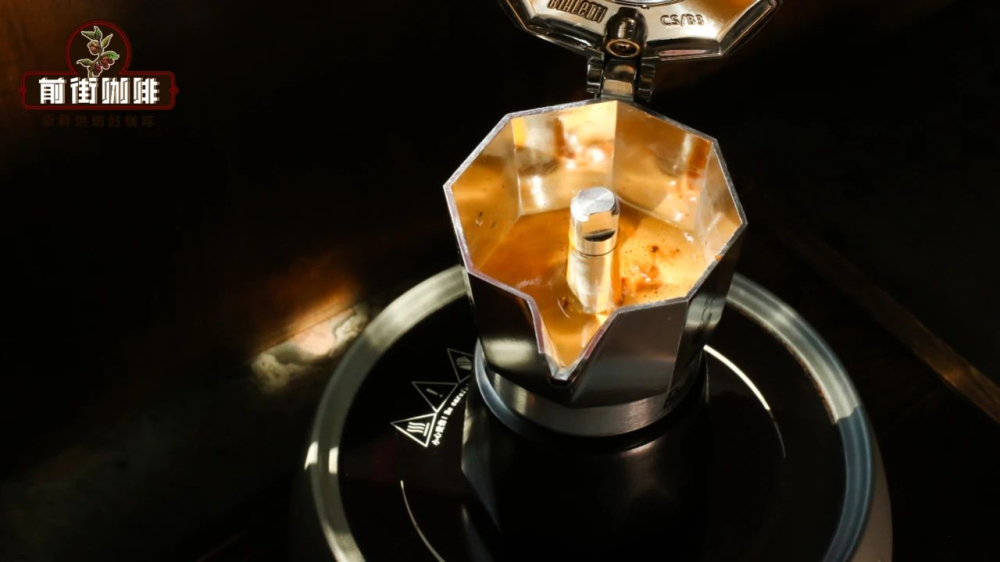
In addition to daily cleaning, the gaskets and filters of the Moka pot are also key maintenance points that should not be overlooked. Many people focus only on cleaning the upper chamber, coffee chamber, and water tank during washing, neglecting these small components. In fact, coffee grounds and residual liquid can easily accumulate between the gasket and filter, and rinsing alone is often not enough for thorough cleaning. Over time, this can not only produce odors but also affect the stability of the extraction.
The method for removing the gasket is actually quite simple. You only need to use a non-damaging tool (such as a small plastic spoon or a flathead screwdriver) to gently pry the inner edge of the gasket. Once removed, the filter will come out along with it. This allows for thorough cleaning of the buildup around the gasket and filter, ensuring smooth and stable extraction each time.
When reassembling, pay attention to the installation direction of the filter—the concave side should face the inside of the pot, while the convex side should face outward. Installing it the wrong way may cause leaks when heating, affecting the user experience.
As a consumable part, the gasket’s elasticity and sealing ability will gradually decrease with increased usage. Users are advised to regularly check its condition. If poor sealing or leaks are noticed, it’s time to consider replacing the gasket. Generally, the lifespan of a gasket is about one year, but the actual replacement cycle should be determined based on actual usage.

If your Moka pot has already developed oxidation and blackening due to improper cleaning, there’s no need to worry too much. Most Moka pots are made from food-grade aluminum alloy, and normal usage-related oxidation does not pose a health risk. However, if you’re concerned about aesthetics or peace of mind, you can try soaking the oxidized areas in a 1:1 mixture of white vinegar or lemon juice and water for about an hour. Then rinse thoroughly with water and let it dry completely. This can help fade the oxidation spots and restore a cleaner appearance to the pot.
Regarding coffee beans suitable for the Moka pot, since its brewing principle is similar to that of an espresso machine—extracting coffee essence under high pressure—it is particularly well-suited for medium to dark roasted coffee beans. These beans typically have a richer flavor profile and can fully showcase the unique characteristics of Moka pot brewing.
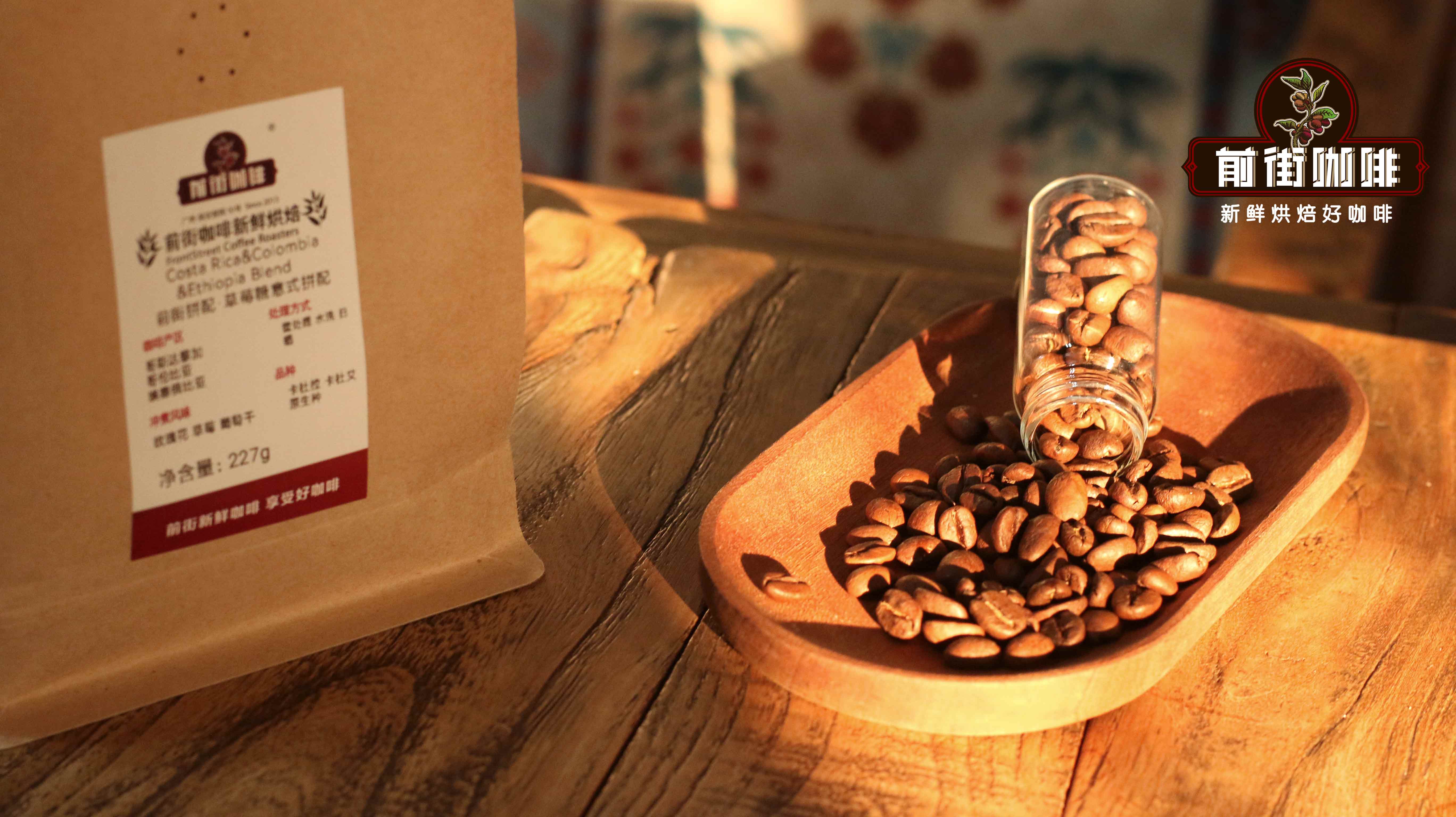
If you prefer coffee with a rich crema, full-bodied mouthfeel, you can opt for blends with notes of caramel, dark chocolate, and roasted hazelnuts. If you want to highlight more fruity and sweet-tart layers, you might choose honey-processed bean blends—for example, combining Costa Rican and Ethiopian beans, with Colombian beans for balance—delivering a strawberry taffy-like acidity and a velvety texture.
The above content is compiled by CoffeeHunters, a coffee news website.


