







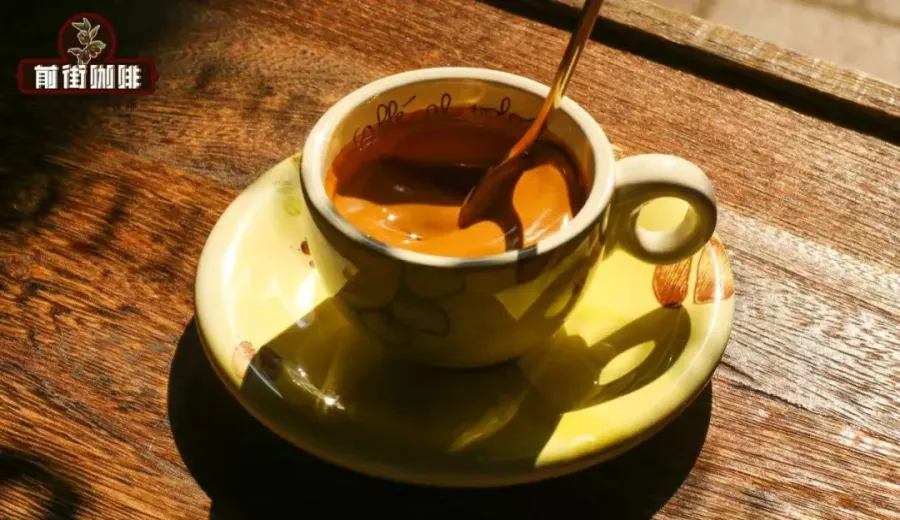
Introduction:Espresso, the classic foundation of the coffee world, captivates with its intense concentration and immediate flavor expression. In recent years, an increasing number of coffee enthusiasts have turned to using single-origin beans (SOE) to brew espresso, seeking more distinctive regional characteristics. This article delves into the unique traits of SOE, contrasts it with traditional blends, offers practical extraction parameter recommendations, and highlights two single-origin coffee beans ideal for espresso. It aims to help readers master comprehensive techniques from bean selection to flavor adjustment.
The term "espresso" originates from Italian, literally meaning "fast." It refers not only to the quick brewing process but also emphasizes that the coffee should be consumed immediately after extraction. With the rise of specialty coffee trends, many coffee lovers have begun challenging themselves to brew espresso using single-origin beans—known as SOE (Single Origin Espresso). This approach highlights the unique flavors of the beans' origin regions, standing in contrast to traditional espresso, which typically uses blends designed for balance.
However, not all single-origin beans are suitable for making espresso. Particularly those with pronounced flavor profiles—if chosen improperly—can easily result in unpleasant or even undrinkable espresso. The essence of SOE lies in showcasing the terroir through beans from a single origin, but this also places higher demands on roasting, grinding, and extraction. This article starts with the basics, guiding you through the characteristics of SOE, comparing it with regular blends, and providing useful extraction parameters and adjustment tips.
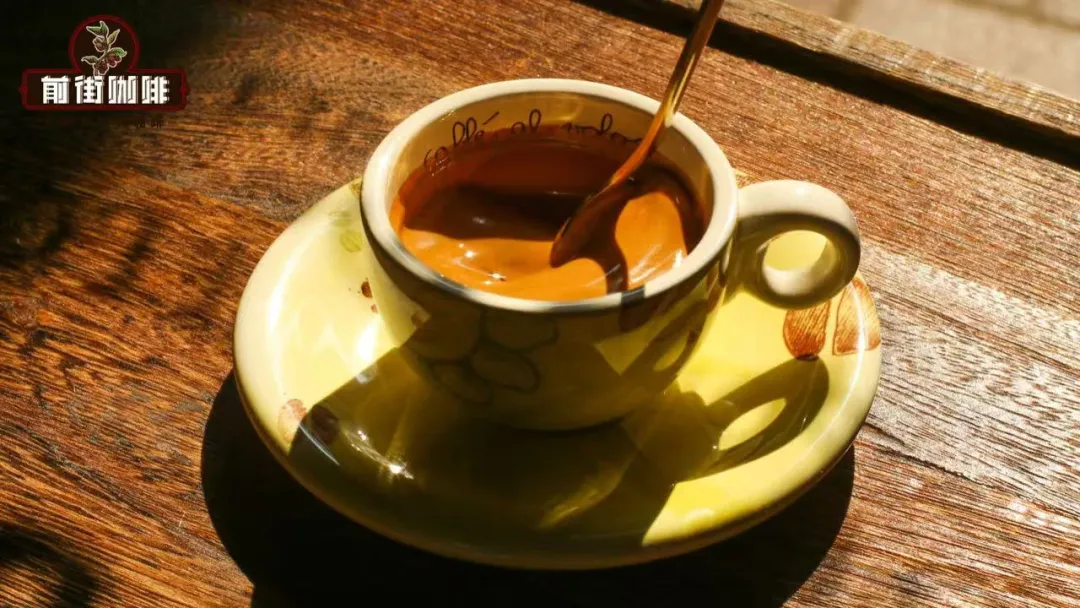
SOE stands for Single Origin Espresso, meaning espresso made using beans from the same origin region or even the same farm. These coffees often present clearer fruit notes, floral or nutty aromas, and compared to common dark-roasted blends, their flavor profiles are brighter. For example, some regional beans naturally exhibit citrus, berry, or floral characteristics, which are further amplified under the high-pressure extraction of espresso—making the selection of suitable bean varieties particularly important.
That said, SOE beans are generally not roasted too dark, aiming to preserve more of the origin’s inherent flavor traits. However, as a trade-off, beans roasted to light or medium levels can be more challenging to extract properly under the high temperature and pressure of an espresso machine, often resulting in under-extraction, thin body, or excessive acidity. Therefore, to brew a delicious SOE espresso, careful adjustments in grind size, extraction time, and coffee-to-water ratio are essential to bring out the bean’s full flavor complexity.
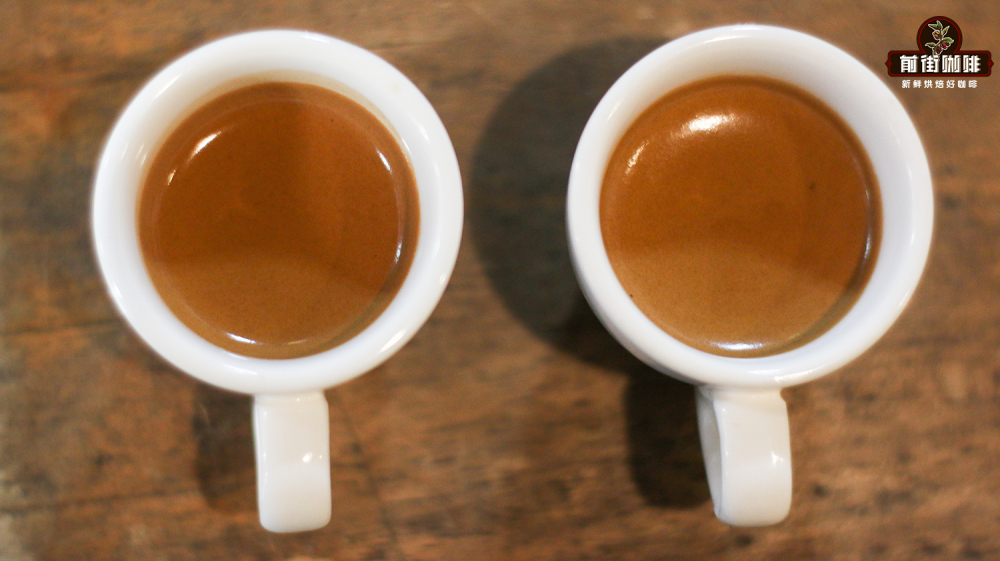
For instance, if you choose a fruit-acid-forward naturally processed bean—such as certain Ethiopian origins—without proper extraction control, the acidity can easily overpower, losing balance. It is recommended to use a finer grind, slightly extend the extraction time (e.g., keeping extraction within 22–27 seconds), and adjust coffee dose and pressure as needed, to fully express the coffee’s sweetness and body. Additionally, when using SOE for lattes or cappuccinos, it is advisable to reduce milk proportion moderately, ensuring the coffee’s own characteristics remain prominent.
It’s worth noting that SOE demands stricter control throughout the entire brewing process—from green bean quality and roast profile to extraction parameters—each step directly influencing the final flavor. This is one reason why SOE espressos often come with a higher price tag. Without experience or adequate understanding of the beans’ traits, one might easily end up with an overly sour, thin, or off-flavored shot. Therefore, beginners are advised to start with more stable, forgiving bean varieties, gradually mastering the art of SOE extraction.
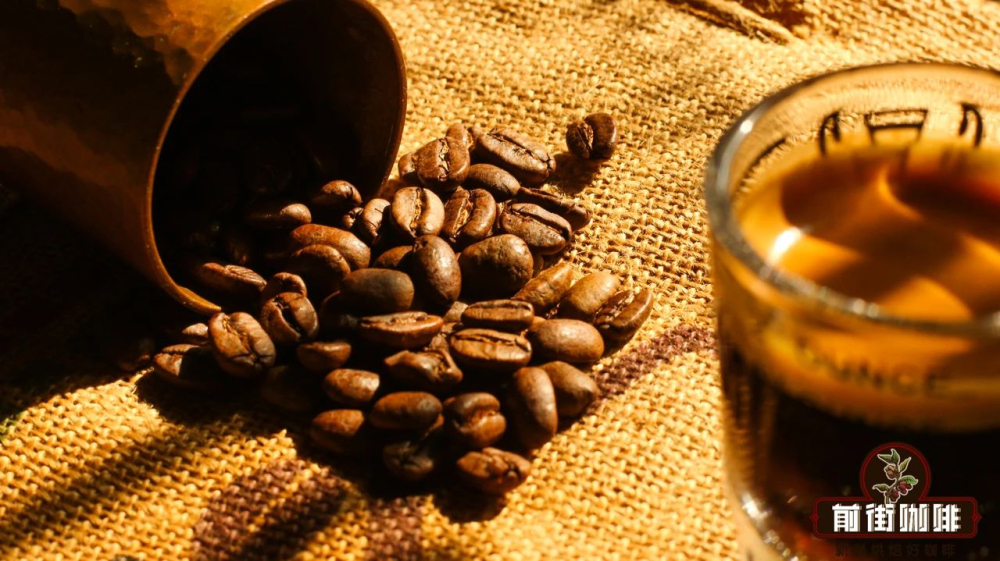
First, we recommend the Ethiopia Yirgacheffe Natural Red Cherry, sourced from the local Aletan Farm, grown at an altitude of approximately 1700–2200 meters. It uses native Ethiopian varieties and is processed with a refined natural method. This bean gets its name from participating in the Red Cherry Project, which encourages farmers to submit only ripe coffee cherries, ensuring high-quality raw materials. The roaster opted for a medium-light roast, preserving bright citrus and berry notes while adding sweetness and body, resulting in a rounded and layered mouthfeel. When brewed as espresso, it delivers distinct fruit aromas and a well-balanced sweet-and-acidic profile, with low bitterness—ideal for those who enjoy fruity flavors.
Extraction Recommendation:Due to the lighter roast level, it’s suggested to use a finer grind. Keep the extraction time around 22 seconds. Using a Fama 900N grinder as an example, adjust the grind setting 2 notches finer. Use 20 grams of coffee grounds to extract 40 grams of espresso, maintaining the time around 22 seconds. This reduces acidity and enhances flavor concentration.

Another recommendation is the Brazil Queen Estate Yellow Bourbon, grown in the Mogiana region at an altitude of 1400–1950 meters. This bean is known for its balance. After being naturally processed, it is roasted to a medium level by the roaster, bringing out rich notes of nuts, caramel, and subtle chocolate. When extracted using a semi-automatic coffee machine, it shows a thick crema and a smooth, full-bodied mouthfeel, with a long-lasting chocolate finish. It’s perfect for crafting traditional-style espresso or as a base for lattes.
Extraction Recommendation:It is recommended to use 20 grams of coffee grounds, aiming to extract 40 grams of espresso, with an extraction time set around 27 seconds to achieve optimal balance and body.
The above content is compiled by CoffeeHunters, a coffee news website.


