








Introduction:Have you ever noticed the golden layer of crema on top of an Americano? Many people take it for granted, but this layer of oils can actually influence the overall flavor profile. Practical testing has shown that removing the espresso crema can result in a cleaner, more refreshing Americano with fewer off-flavors and less perceived bitterness. This article delves into the composition and function of the crema, and provides practical tips to help you adjust your Americano to suit your personal taste preferences.
When you walk into a café and order a common Americano, you might notice a golden oil film floating on the surface. This so-called "crema" is an iconic feature of espresso, but once it’s mixed with hot water to make an Americano, its presence subtly affects the flavor. Many coffee enthusiasts don’t specifically address this layer, but simply using a small spoon to gently scrape it off can lead to a noticeable change in taste.
According to comparative tasting tests, when the crema on top of an Americano is removed, the overall drink presents a clearer, more transparent profile, with significantly reduced bitterness and a more defined flavor structure. Impurities or rough textures that may have been hidden under the crema are also diminished, making it easier to capture the original aromatic characteristics of the coffee beans. For those seeking a refined coffee experience, this simple adjustment is definitely a technique worth trying.

An Americano is typically made by mixing a shot of espresso with hot water in a certain ratio. Since the base is highly concentrated espresso, that rich layer of oils naturally carries over into the final drink. Usually, this crema dissipates within minutes, so most consumers don’t pay much attention to it. However, it’s this often-overlooked film that could be subtly affecting your overall drinking experience.
So, what role does this golden layer of crema play? It’s not only a symbol of a successful espresso extraction, but is also often seen as an indicator of coffee quality and brewing skill. Some coffee lovers even specifically seek out intense crema, believing it adds layers of aroma and texture. However, when this layer is part of an Americano, its impact becomes far more complex.

If you’re experimenting with making espresso at home, choosing the right blend is key. A well-designed medium-to-dark roast blend can help you achieve rich and stable crema more easily. For example, some classic blends combine beans from different origins—commonly including Mandheling and Brazilian beans, sometimes with a small portion of Robusta to enhance aroma and body. Such blends not only improve extraction success rates, but also allow beginners to easily pull espressos with attractive crema using home machines.
Observing the state of espresso crema can actually reveal a lot about bean quality and extraction conditions. The thickness, color, and uniformity of the crema are often considered important indicators of whether the extraction is well executed. When sipping espresso on its own, that delicate layer of crema indeed delivers a richer mouthfeel and aroma, enhancing the overall flavor intensity.
However, once the espresso is diluted into an Americano, the situation changes. Whether you pour hot water into the espresso or vice versa, the resulting crema layer in the cup often becomes thinner. Although during normal drinking this crema might not seem to affect flavor much, it can actually introduce some undetectable impurities and roughness.
To verify the actual impact of crema on Americano, a simple comparative test was conducted: two Americanos with identical ingredients were prepared, one left as-is, the other with the surface crema carefully scraped off using a small spoon. Upon tasting, the cup without crema exhibited a cleaner, more refreshing taste, with significantly reduced bitterness and improved clarity and purity in overall flavor.
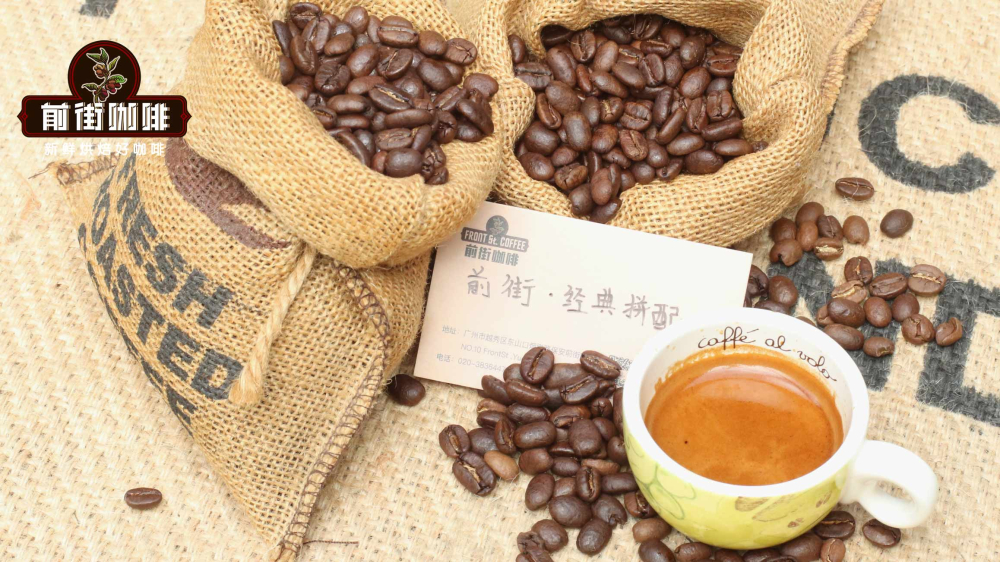
This outcome is related to the composition of the crema. Crema is primarily made up of carbon dioxide gas and insoluble oils from the coffee grounds, but during extraction, tiny coffee particles may also mix into the crema layer. Though these microscopic particles are barely visible to the eye, they can interfere with mouthfeel, introducing a grainy sensation or unnatural off-tastes. Additionally, the crema itself tends to have a stronger, somewhat bitter flavor profile, which further affects the overall taste balance.
If you’re using an espresso machine at home, try scraping off the crema layer after extraction before adding hot water to make your Americano. This approach can help your final drink achieve a clarity closer to that of a pour over, highlighting the inherent flavor characteristics of the beans while reducing unwanted interference from impurities.
You might ask, if removing the crema leads to better flavor, why don’t most cafés do it? The reason is quite practical. First, speed of service is a key factor. In a busy café environment, every second counts in drink preparation, and taking extra time to remove crema would noticeably slow down service and impact overall efficiency.
Secondly, consumer visual habits also play a role. Most customers are accustomed to seeing a layer of crema on their Americano. Suddenly serving a version without any crema might raise doubts, leading them to think something is wrong with the coffee’s quality or extraction. In fact, the thickness of the crema is often seen as an indicator of freshness and successful brewing—too thin or absent crema might instead trigger negative associations.
Finally, individual flavor preferences vary widely. Some drinkers actually prefer their Americano with crema, finding the taste richer and more layered. Therefore, leaving the choice to the customer—allowing them to decide whether to remove the crema based on their own taste—is often the most flexible and customer-friendly approach.
The next time you enjoy an Americano, try gently scraping off the surface crema with a spoon and experience the difference in flavor for yourself. This simple action might just bring you an unexpected taste surprise.

The above content is compiled by CoffeeHunters, a coffee news website.


