







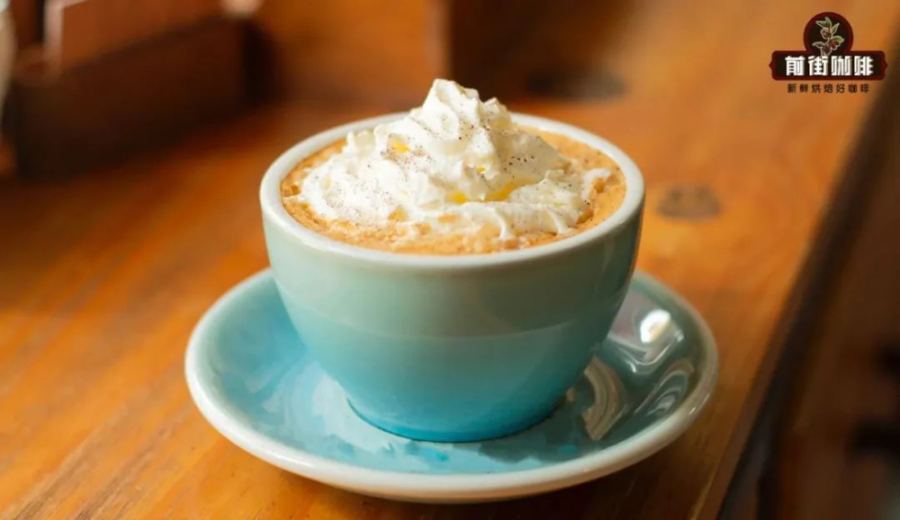
Introduction:The combination of whipped cream and coffee has a history spanning over three hundred years, evolving from the traditional cream coffee of Austria to today’s popular Korean-style Vienna coffee. This beverage, which blends rich and velvety textures, is beloved by coffee enthusiasts around the world. This article will take you on a journey to explore the historical roots of Vienna coffee and Espresso con Panna, analyze traditional methods and modern creative variations, and provide detailed steps to help you easily make a deliciously flavored cream coffee at home.
The pairing of whipped cream and coffee can be traced back over three hundred years to Europe. From the early cream coffee in Vienna, Austria, to the currently trending Korean-style Vienna coffee on social media platforms, cream is not only a flavoring element in coffee beverages but also a highlight in both visual appeal and texture. This article will delve into the evolution of this classic drink, introduce the traditional preparation methods of Vienna coffee and Espresso con Panna, and guide you step-by-step in making the popular vanilla whipped cream Vienna coffee. Whether you’re a coffee aficionado who prefers bold flavors or a beverage enthusiast chasing innovative tastes, this guide offers practical and inspiring insights.
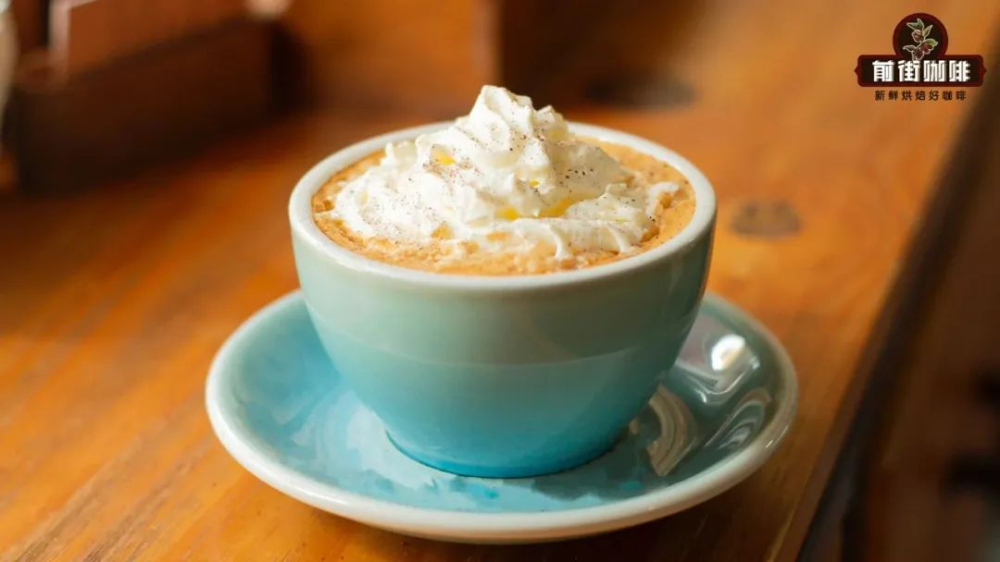
Cream, as an ingredient, possesses a delicate texture and rich mouthfeel—smooth and velvety. While it may taste slightly sweet and heavy on its own, when paired with coffee, it skillfully balances the overall flavor, adding more layers to the drink. In the professional coffee field, “cream” is often used not only to describe a rich and smooth texture but also as a key ingredient that enhances the quality of a beverage. Whether used for blending, garnishing, or creating visual appeal, it is an indispensable part of creative coffee.
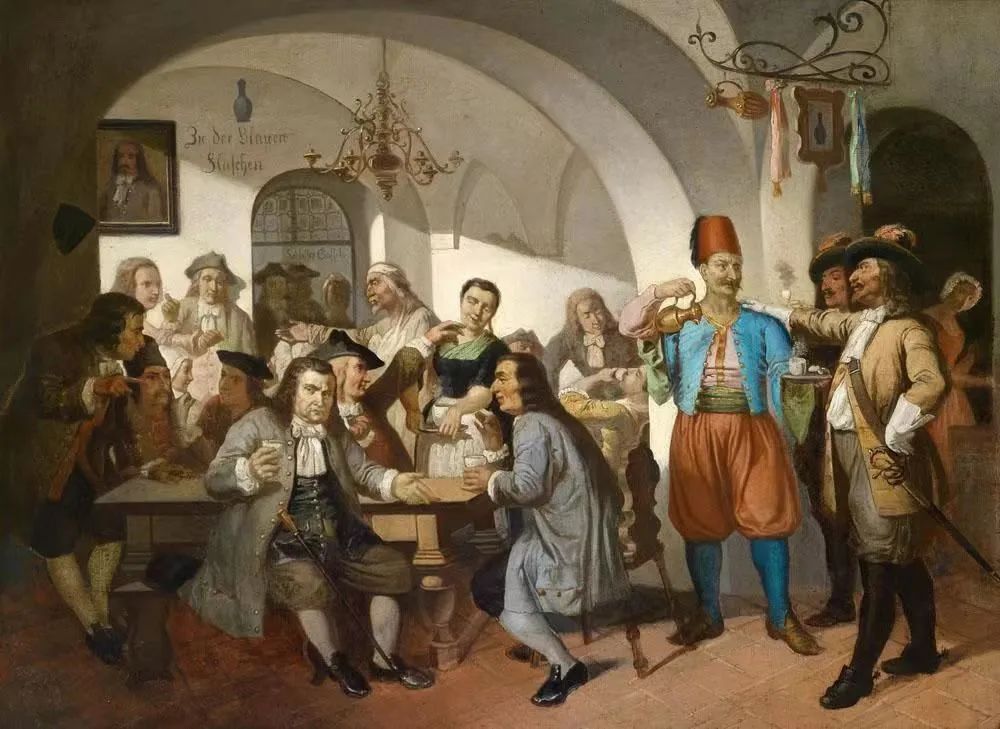
To trace the origins of the combination of coffee and cream, we must go back several hundred years to Europe. The earliest records of cream coffee appear in Austria. In 1684, a Polish officer named Jerzy Franciszek Kulczycki, who helped Austria lift the siege of Vienna, was generously rewarded with a large amount of coffee beans left behind by the Turkish army. He subsequently opened a blue bottle café in Vienna, using these beans to create innovative drinks.
At first, he followed Turkish custom by boiling the coffee grounds twice and drinking them with the grounds still inside, but this method was not well-received by Austrians. To cater to the local market, he began filtering out the coffee grounds using a cloth bag and added cream, honey, and spices for flavor, creating a milder and well-liked “first-generation cream coffee.” This drink was typically served in small glass cups, where the mixture of coffee and cream presented an attractive reddish-brown color, similar to the robes of Capuchin monks, hence it was called “Kapuziner,” or “Capuchin” in Chinese.
Over time, this drink made its way to Italy and, with the invention of the espresso machine, gradually evolved into the now-famous cappuccino. Italian baristas at the time replaced cream with espresso and steamed milk, giving this coffee a new lease on life. However, the original cream coffee did not completely disappear but continued to exist in the forms of Vienna coffee and Espresso con Panna, enjoyed in coffee shops around the world to this day.
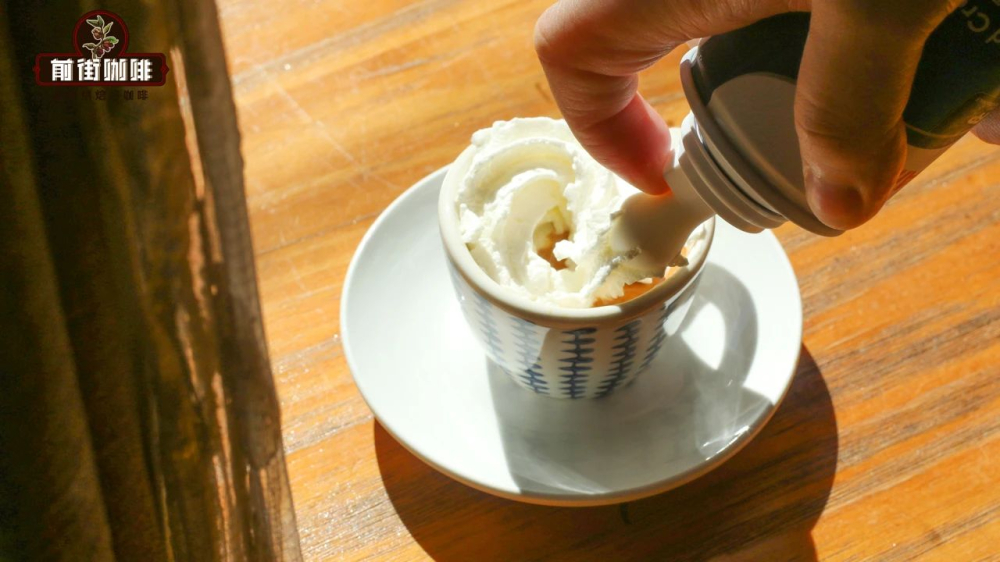
Espresso con Panna (espresso with cream) is the modern version closest to the original concept of cream coffee. Its name in Italian means “coffee with cream.” The preparation is extremely simple: just top a freshly extracted shot of espresso with about two to three swirls of whipped cream. This coffee is meant to be consumed without stirring, allowing the drinker to experience the silky smoothness of the cream contrasted with the intense flavor of the coffee, showcasing a layered and enjoyable drinking experience. However, due to its strong taste, it is better suited for those who prefer bold coffee flavors.
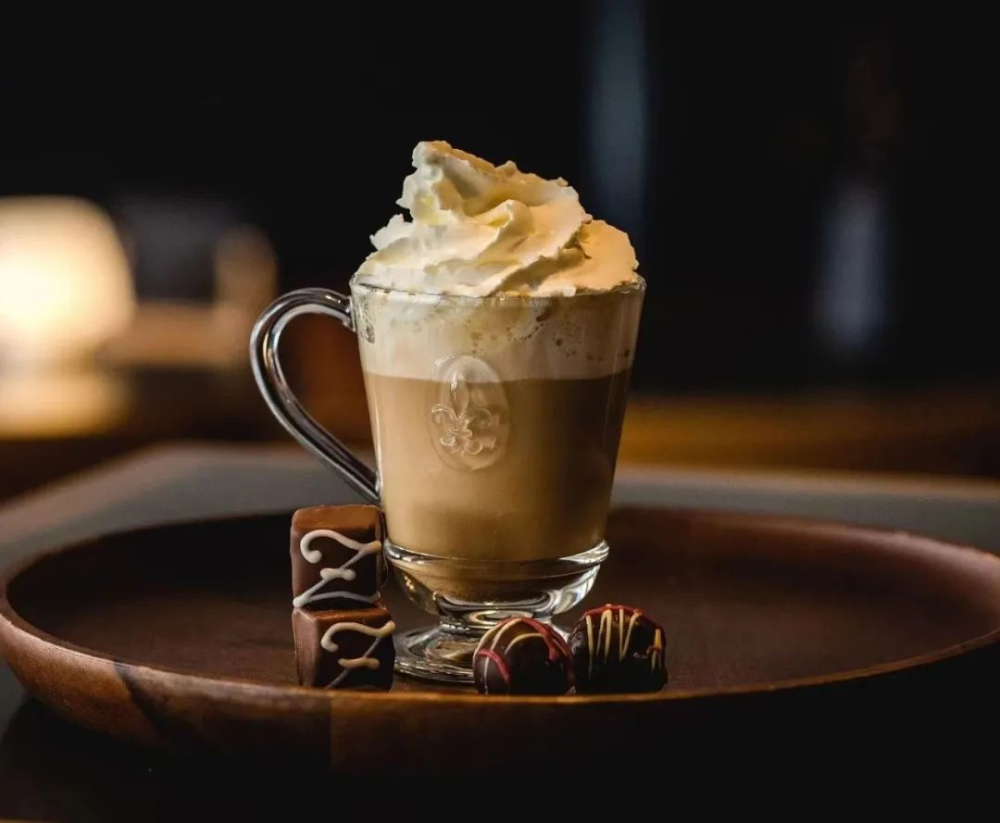
Another classic—the Vienna coffee—has origins closely tied to coachmen. It is said that Austrian coachmen, in order to maintain their energy during cold nights, would add a generous amount of cream and sugar to their espresso, creating a drink that both invigorated and warmed them. The traditional method involves using a tall glass, first adding a teaspoon of white sugar, then pouring in about half a shot of espresso, and finally topping the cup with whipped cream, sprinkled with cinnamon powder, chocolate shavings, or cookie crumbs as decoration—not only delicious but also highly visually appealing.
In modern times, cream coffee has become even more diverse, with many creative variations emerging. For example, Starbucks’ secret menu item “Iced Americano with Whipped Cream” is an extension of the traditional Vienna coffee concept. This drink consists solely of ice, espresso, and light cream. Though simple to make, it boasts great visual and textural layers. The undisturbed cream floats on top of the coffee and slowly sinks over time, creating a fascinating gradient effect. With each sip, the sweet interplay of cream and coffee dances on the palate, leaving a memorable impression.
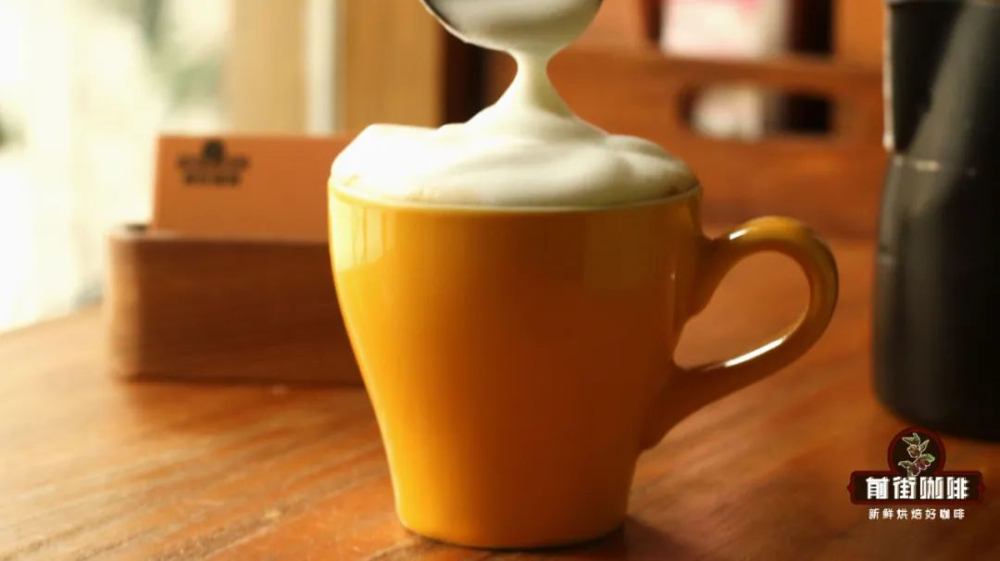
Korean cafés have introduced a visually striking cream Vienna coffee, characterized by pre-whipping the cream to a yogurt-like thickness and layering it into the coffee. It’s highly photogenic and has become a popular specialty drink on social media platforms. Here is a simple method for making this drink:
Required ingredients:80 grams of light cream, 15 grams of vanilla syrup, one double shot of espresso, an appropriate amount of milk, 50 grams of ice cubes
Steps are as follows:
The above content is compiled by CoffeeHunters, a coffee news website.


