







Introduction:Yirgacheffe is the go-to choice for many coffee enthusiasts just starting out, but with so many varieties available on the market, it’s easy to end up with beans that don’t suit your taste if you’re not familiar with how roast levels pair with brewing methods. This article will analyze suitable scenarios for light, medium-light, and medium-dark roasts based on common brewing methods—including pour over, French press, moka pot, and espresso machines—and recommend corresponding Yirgacheffe beans. We’ll detail each bean’s origin, altitude, processing method, and flavor profile to help you find the coffee beans that best match your palate and equipment.
As one of Ethiopia’s most famous single-origin coffee regions, Yirgacheffe is widely loved for its unique citrus, floral, and tea-like flavors. However, with so many types of Yirgacheffe beans on the market, it’s easy to make a less-than-ideal choice if you’re not familiar with how roast levels and brewing methods work together. For beginners, choosing the right roast level based on common extraction methods is the most practical way to get started.
Methods using normal pressure, such as pour over, drip bags, French press, or cold brew, are well-suited to light or medium-light roasted Yirgacheffe beans, which can fully showcase their bright acidity and delicate floral notes. For high-pressure and high-temperature extraction methods, such as espresso machines or moka pots, it’s recommended to choose medium-dark roasted beans to avoid under-extraction, which can lead to sharp acidity and astringency, and instead bring out a fuller body and sweeter taste.
Below, we recommend Yirgacheffe coffee beans corresponding to three main roast levels—light, medium-light, and medium-dark—and provide detailed information on each bean’s origin, altitude, processing method, and representative flavor profiles, helping you quickly find the one that best suits your brewing habits and taste preferences.
If you’re new to single-origin coffee, it’s recommended to start with light-roasted Yirgacheffe. Not only are they more affordable, but they also let you experience the most iconic characteristics of the region. A well-known coffee shop’s washed Yirgacheffe is a classic entry-level option, made with traditional washed processing from the Yirgacheffe region at an altitude of about 2300 meters, using heirloom varieties. Light-roasted, this bean offers a refreshing lemon and citrus acidity, along with a tea-like finish, honey, and berry notes, making it ideal for pour over or drip bags and perfect for everyday drinking.

The well-known coffee shop’s washed Yirgacheffe is a classic everyday drinker’s choice—not only easy to find but also great for practicing pour over techniques, making it an ideal starting point for many beginners to develop their flavor perception.
Once you’ve grasped the basics and want to explore more complex layers, you might consider medium-light roasted options, such as a well-known coffee shop’s washed Guji Dingding and natural Red Cherry. Both of these beans are Ethiopian Grade 1, with extremely low defect rates, but due to differences in processing methods, their flavor profiles vary.
The well-known coffee shop’s washed Guji Dingding comes from the Guji Dingding Cooperative in Yirgacheffe, at an altitude between 2000 and 2100 meters, also using washed processing. This bean displays bright floral notes, with jasmine, citrus, and lemon as the main flavors, complemented by honey sweetness and soft berry undertones. It has a notable tea-like quality, making it ideal for those who enjoy crisp acidity and fragrant aromas.
Another option, the well-known coffee shop’s natural Red Cherry, comes from the Aletaran processing facility at an altitude of 2300 meters and uses the natural processing method. Compared to the washed version, this bean has a richer and more full-bodied flavor. In addition to citrus notes, it also features pronounced berry and mango aromas, with slight fermentation characteristics. The mouthfeel is smooth with a creamy richness, making it suitable for coffee lovers who enjoy intense fruitiness and balanced sweetness.
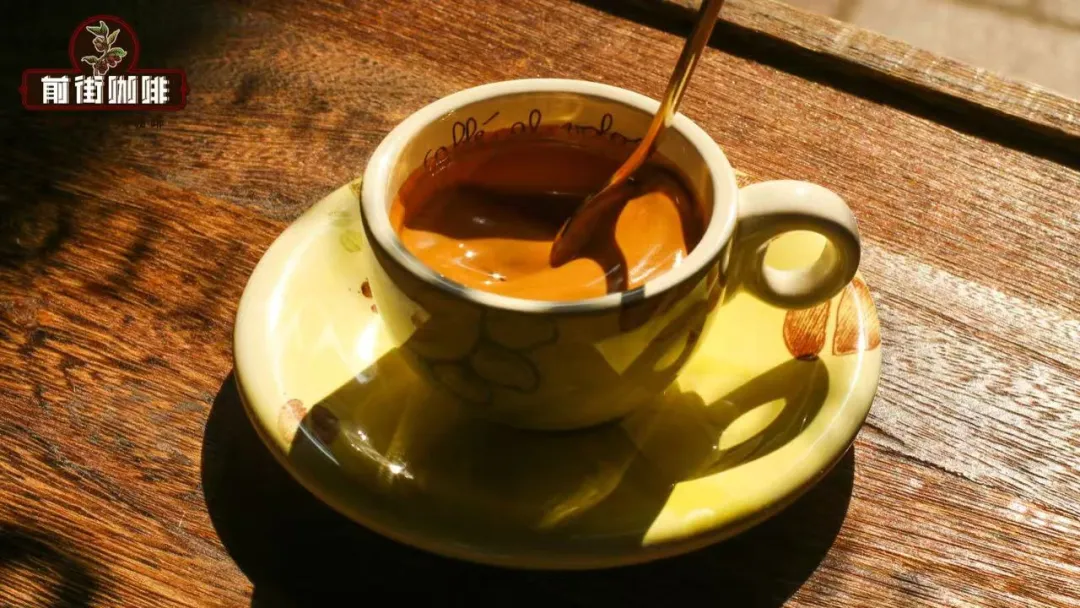
If you mainly use pressurized equipment like espresso machines or moka pots, it’s recommended to choose medium-dark roasted Yirgacheffe beans to ensure sufficient extraction under high temperature and pressure, avoiding sour or astringent flavors and uneven extraction. A well-known coffee shop’s natural Red Cherry SOE is a recommended option for such brewing methods.
When using the well-known coffee shop’s natural Red Cherry SOE to make espresso, it’s recommended to use about 20 grams of coffee grounds to extract 40 grams of espresso, keeping the time between 25 to 30 seconds. After pulling the shot, you can adjust the ratio to your taste: add about 160 grams of hot water at a 1:4 ratio to make a standout Yirgacheffe SOE Americano; or add about 200 milliliters of steamed milk at a 1:5 ratio to make a rich Yirgacheffe SOE Latte.
It’s worth noting that using overly light-roasted Yirgacheffe beans for espresso can easily result in under-extraction, leading to sharp acidity and unpleasant astringency, and may even cause spraying issues due to insufficient expansion. Therefore, choosing a medium-dark roasted SOE-specific bean can better adapt to the high-pressure environment and deliver a rounder mouthfeel with rich caramel sweetness.
In summary, when choosing Yirgacheffe coffee beans, it’s recommended to first clarify your brewing method, then select the appropriate roast level based on your preferred flavor profile. Whether you’re a pour over enthusiast who prefers bright fruit acidity or an espresso lover who enjoys rich and bold flavors, you’ll be able to find the perfect match among light, medium-light, or medium-dark roasted Yirgacheffe beans.
The above content is compiled by CoffeeHunters, a coffee news website.


