







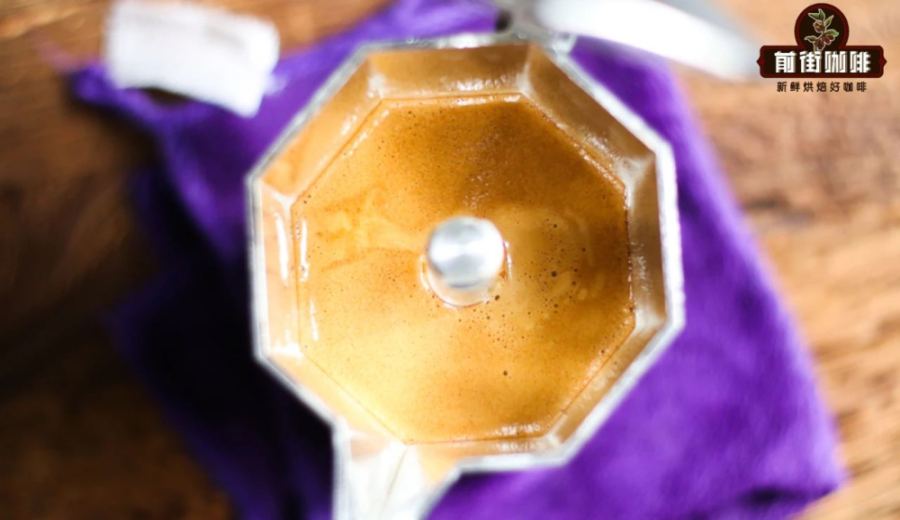
Introduction:The Moka pot is the starting point for many coffee beginners entering the world of espresso—not only is it simple to operate, but it also quickly brews coffee with intense flavor. This article delves into the high-pressure extraction principles of the Moka pot, compares it with commercial espresso machines, recommends several dark roast bean varieties that pair well with it, and provides detailed brewing steps along with a troubleshooting guide to common issues, helping you enjoy a pour over-level coffee experience rich in crema and layered flavors in the comfort of your home.
Thanks to its simple structure and intuitive operation, the Moka pot has become the go-to choice for many coffee enthusiasts. By mastering just three steps—adding water, filling coffee grounds, and heating—you can easily brew coffee with rich aroma and a layer of crema. It’s not only beginner-friendly but also allows more experienced users to achieve more precise extraction control by adjusting the coffee-to-water ratio and grind size.
Its working principle relies on heating the bottom of the pot to turn water into steam, generating about 2 atmospheres of pressure that pushes hot water through the coffee grounds in the middle filter basket, ultimately delivering the extracted liquid to the upper chamber. This high-temperature, high-pressure extraction method results in a more concentrated coffee flavor, with a rich and bold taste that resembles the flavor profile of traditional espresso.
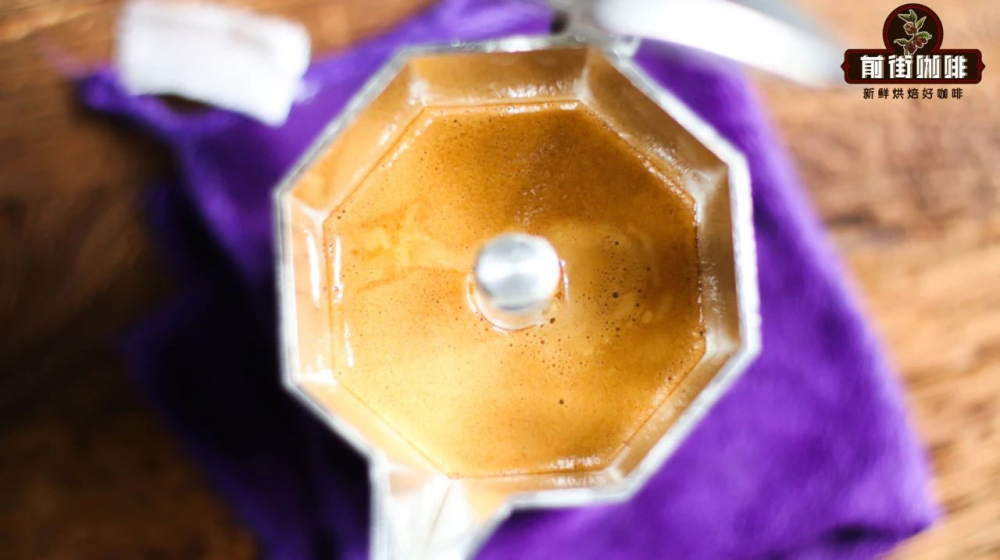
However, there are significant differences between the Moka pot and standard commercial espresso machines. Typical espresso machines can achieve extraction pressures of over 9 atmospheres, producing fine and dense crema and an intensely concentrated espresso. In comparison, the Moka pot can only generate about 2 atmospheres of pressure at most, so the brewed coffee is relatively thinner, and while the crema layer is visible, it lacks the same fineness—but for everyday home use, it still delivers a full-flavored and layered coffee experience.
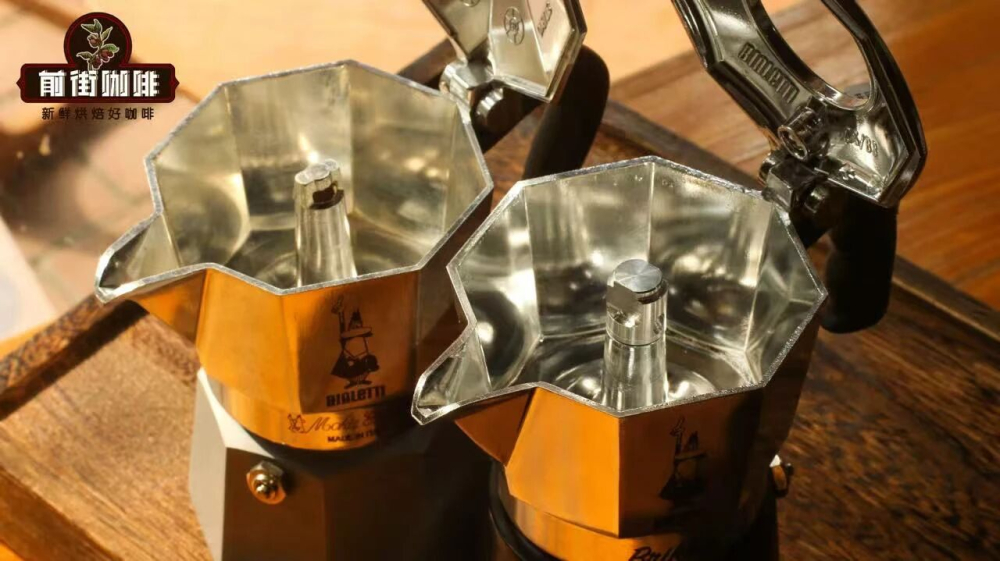
Additionally, if equipped with a dual-valve design, the Moka pot can further enhance pressure stability and extraction efficiency, resulting in richer crema, making it ideal for users seeking a bolder taste. However, whether using a single or dual-valve version, it’s important to pay attention to pressure control and extraction time to avoid over-extraction or under-extraction.
For Moka pot brewing, it’s recommended to choose dark roasted espresso blends. These beans, due to their darker roast level, have a softer texture that can release abundant caramel, chocolate, and nutty aromas under the high-temperature, high-pressure conditions of the Moka pot, while also being less prone to producing sharp acidity or astringency from over-extraction. If using light roast beans, which are harder in texture and require a finer grind, the high-pressure and high-temperature environment can easily lead to over-extraction, resulting in sour, astringent flavors, unbalanced taste, and poor crema development.
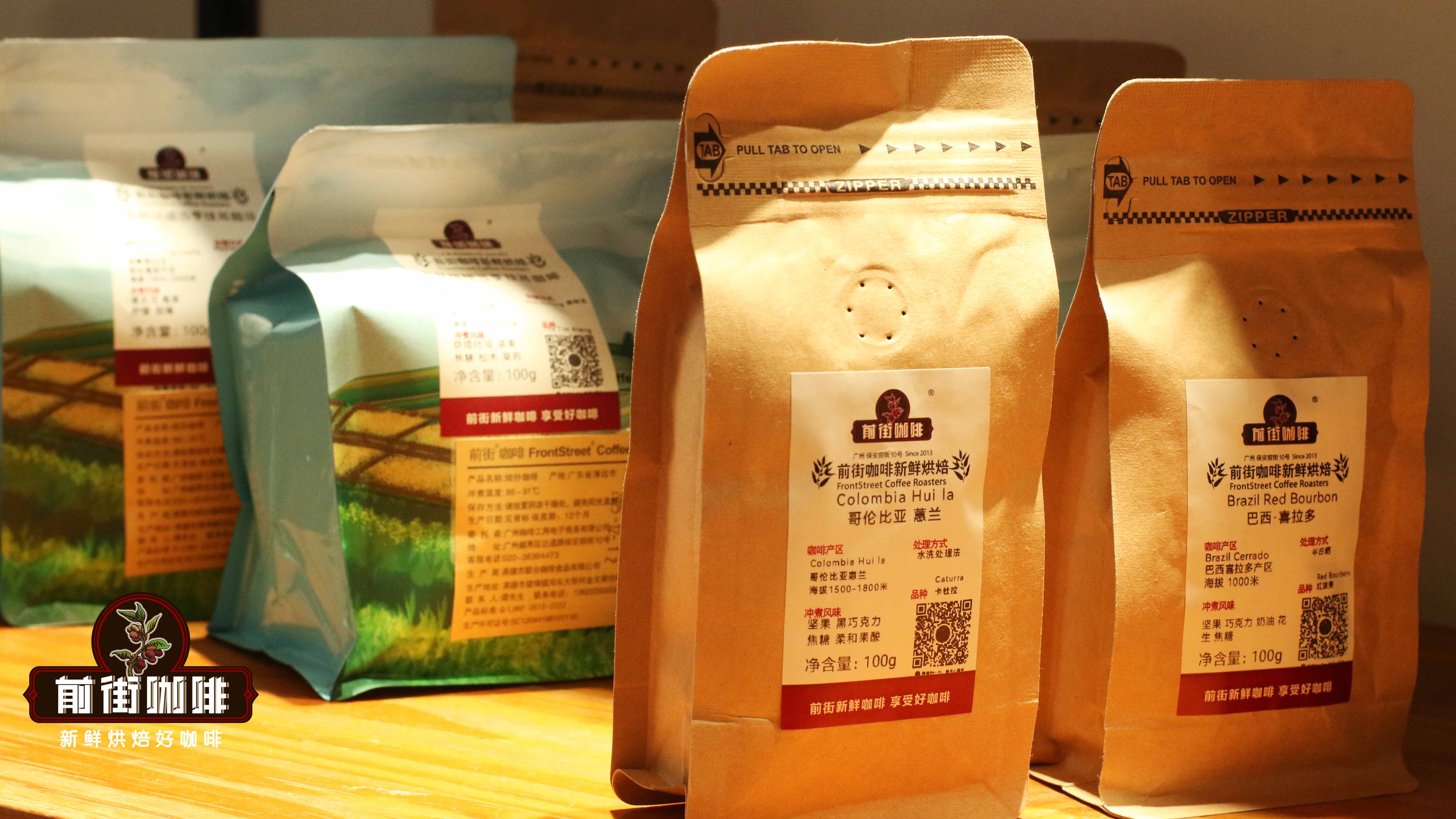
If you’re looking for a brand that offers a stable supply of freshly roasted beans, consider those that focus on immediate roasting and shipping. Freshness greatly impacts coffee aroma, as volatile aromatic compounds naturally diminish over time—even the best equipment can’t fully compensate for poor bean condition. It’s recommended to choose products that ship within 5 days of roasting and offer fast delivery to ensure optimal flavor upon arrival.
Below are several popular dark roast blend varieties well-suited for Moka pot use:
1. "Classic Espresso Blend": Ideal for those who enjoy a rich and bold flavor, this blend features a generous crema layer with notes of chocolate, nuts, and caramel, making it great for lattes or drinking straight.
2. "Strawberry Candy Espresso Blend": With distinct fruity notes such as rose, raisin, and blueberry, combined with the sweet-and-sour flavors of almond biscuit and strawberry soft candy, this blend offers a smooth texture and excellent crema performance.
3. "Premium Espresso Blend": Combining Brazilian nutty characteristics with Colombian chocolate flavors, this blend delivers a balanced and layered taste, producing aromas of butter cookies and cocoa after extraction.
4. "Commercial Espresso Blend": Known for its strong roasty aroma and thick crema, this blend is perfect for making Americanos or lattes, offering a smooth and mellow taste with great value for money.
5. "Basic Espresso Blend": With stable flavor and an affordable price, this blend features gentle fruit acidity, caramel sweetness, and dark chocolate notes, making it suitable for daily use by most home coffee drinkers.

When actually using the Moka pot, it’s recommended to prepare fresh coffee beans, a grinder, and a heating tool (such as a gas stove or induction cooker) in advance. Start by pouring cold water into the lower chamber—the water level should be below the safety valve to avoid dangerous high pressure, typically around 130ml. Next, grind the coffee beans to a finer consistency than pour over (for example, EK-43s set to 0.5), fill the filter basket about nine-tenths full, and gently level it without overly compacting to avoid blocking water flow.
After filling, tightly assemble the upper and lower chambers and place them on the heat source. If using an open flame, control the fire so it doesn’t extend beyond the base of the pot to prevent localized overheating. When you hear a hissing sound inside the pot, it indicates that pressure is building—reduce the flame and observe the coffee flowing into the upper chamber. Once the coffee reaches about half the capacity of the upper chamber, turn off the heat and let the residual heat complete the final extraction.
Finally, pour the coffee into a cup and enjoy a brew rich in chocolate and caramel flavors with notes of roasted nuts. For a latte, you can adjust the concentration and taste by adding hot water or milk as desired.
When using the Moka pot, there are several details to pay special attention to: First, never touch the metal pot body during heating—use a damp cloth to help prevent burns. If you hear an unusual whistling sound but no coffee is coming out, the spout may be blocked—immediately turn off the heat and check to avoid dangerous pressure buildup. Additionally, a grind that’s too coarse can lead to under-extraction and splattering, while one that’s too fine can cause over-extraction and a burnt, bitter taste—adjust based on actual extraction results. Ensure the coffee grounds in the filter basket are evenly and smoothly filled to avoid uneven water flow and incomplete extraction due to insufficient coffee.
After each use, it’s recommended to thoroughly clean all parts of the Moka pot, including the filter plate, gasket, and extraction channels, to prevent coffee residue from causing odors, flavor contamination, or blockages—ensuring every brew maintains stable and excellent flavor performance.
The above content is compiled by CoffeeHunters, a coffee news website.


