








Introduction:Want to dive deeper into the unique charm of Guatemalan coffee? This article provides a detailed analysis of the geographical environment, climate characteristics, and flavor profiles of the country’s eight renowned coffee regions, with a special focus on the three classic regions: Antigua, Huehuetenango, and Nuevo Oriente. It also includes a practical pour over case study to help you master the brewing techniques and parameter settings for Guatemalan coffees like SHB (Strictly Hard Bean) from the Fleur de Sel lot, covering everything from tasting to extraction.
Although Central American coffee is often overshadowed by Panama’s top-tier beans, Guatemala has carved out a niche in the specialty coffee market with its rich, smooth profile featuring chocolatey and smoky notes. In particular, coffee from Antigua is celebrated for its “cigar-like depth,” making it a classic favorite among many coffee connoisseurs.
Guatemala’s Geography and Climate: Gifts of Mountains and Volcanoes
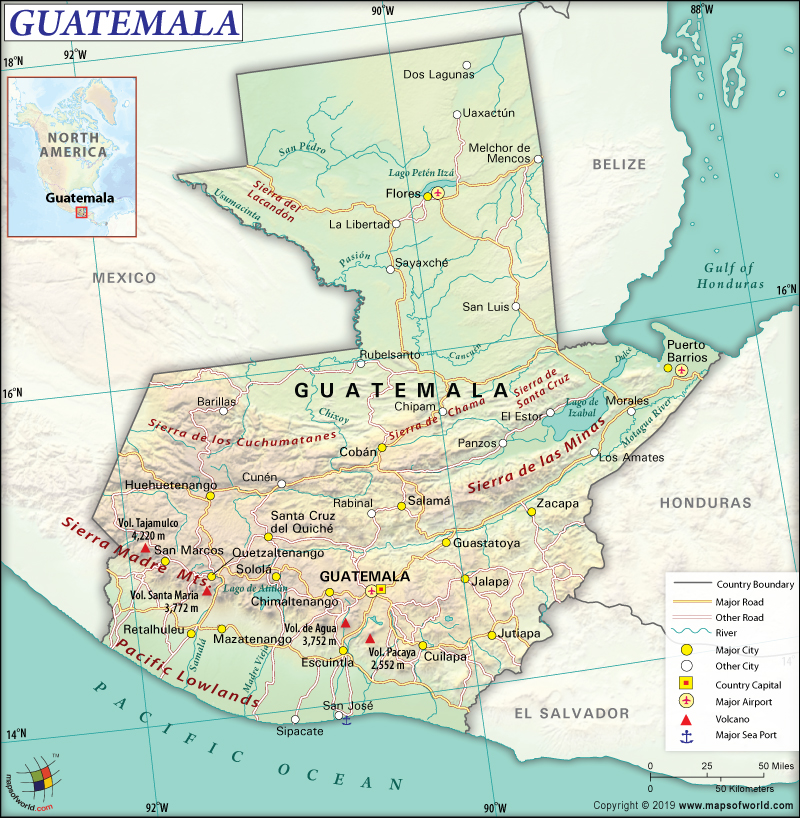
Located in the northwest of Central America, Guatemala borders Mexico to the north and Honduras and El Salvador to the southeast. About two-thirds of the country consists of mountainous and highland terrain, especially in the western and southern regions, which are part of the volcanic belt and home to more than thirty volcanoes. Though situated in the tropics, the country’s diverse elevations create varied climates: the northern and eastern areas feature tropical rainforests, while the central highlands, ranging from 1300 to 1800 meters above sea level, enjoy a mild and stable climate with an average annual temperature of about 18 to 28°C — ideal conditions for coffee cultivation.
The southern region receives only 500 to 1000 mm of rainfall annually, but the northeastern area can get up to 2000 to 3000 mm. Coupled with the main coffee-growing zones located at elevations above 1500 meters between 14 and 16 degrees north latitude, this results in the dense-bodied, intensely flavored “Strictly Hard Bean (SHB)” coffee.
The Development Trajectory of Guatemala’s Coffee Industry
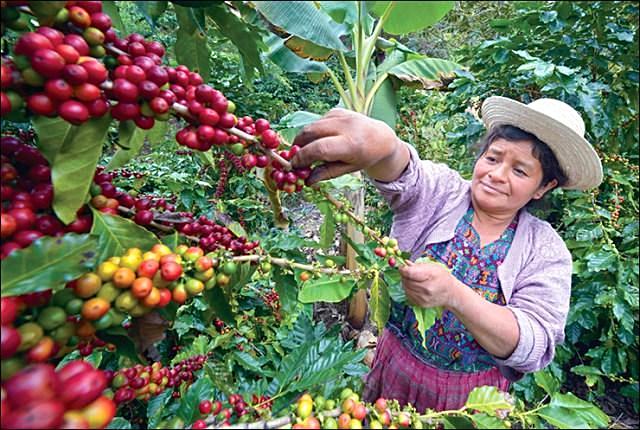
According to historical records, coffee was introduced to Guatemala in 1747, but it wasn’t until 1750 that local priests officially began cultivating it. By 1845, coffee had become a major cash crop, contributing up to 90% of export value by 1880. However, to expand planting areas, the government once forced indigenous people to leave fertile lands and cultivate in poorer regions. Even so, today around 60,000 family-run farms still persist in growing coffee, primarily concentrated in the central Sierra Mountains — a mountain range that connects several major ranges in the Americas and serves as an important geographical factor in producing high-quality coffee.
An Overview of the Eight Coffee Regions and Their Characteristics
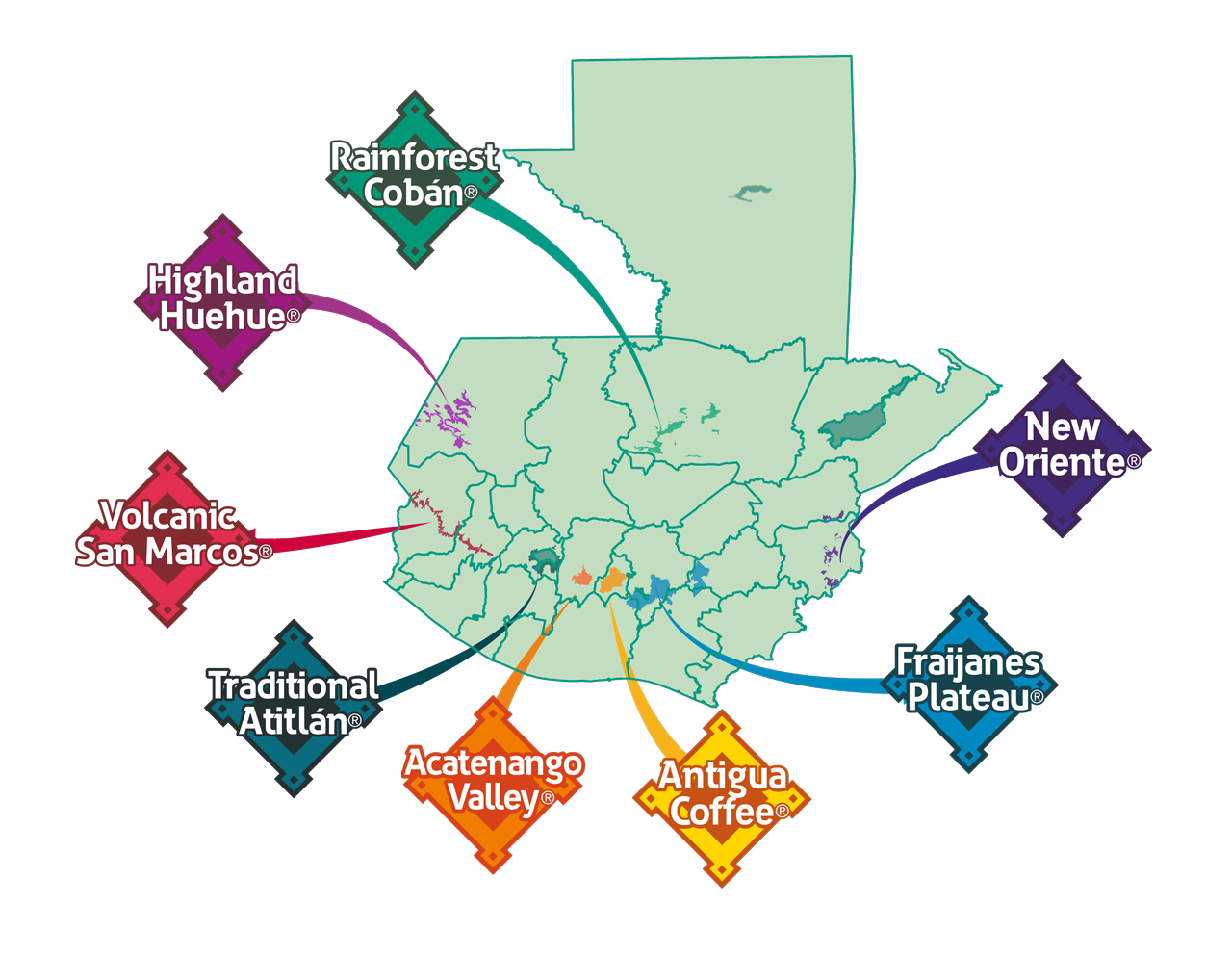
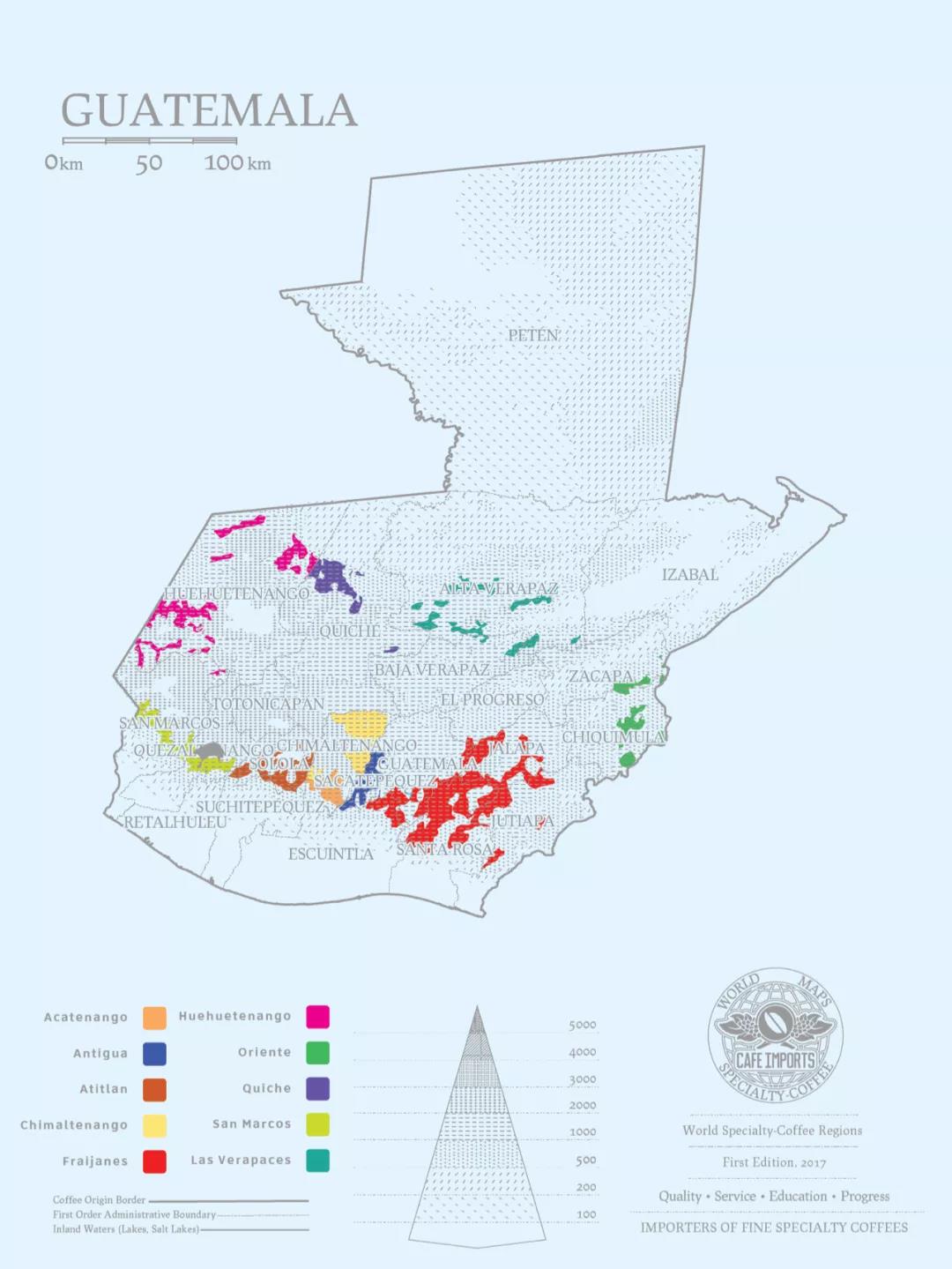
To highlight the distinct flavors of each area, the Guatemalan Coffee Association has divided the nation’s coffee into eight main regions under the theme “A Rainbow of Choices.” These include: Antigua, Huehuetenango, Cobán, Atitlán, Fraijanes Plateau, San Marcos Volcano, Acatenango, and Nuevo Oriente. Each region features unique microclimates, altitudes, and soil conditions, all of which influence the flavor profiles of their coffee.
In-Depth Look at Three Representative Regions
Here are introductions to three of the most representative regions:
Antigua Region: Classic Flavors Nurtured by Volcanoes and Forests
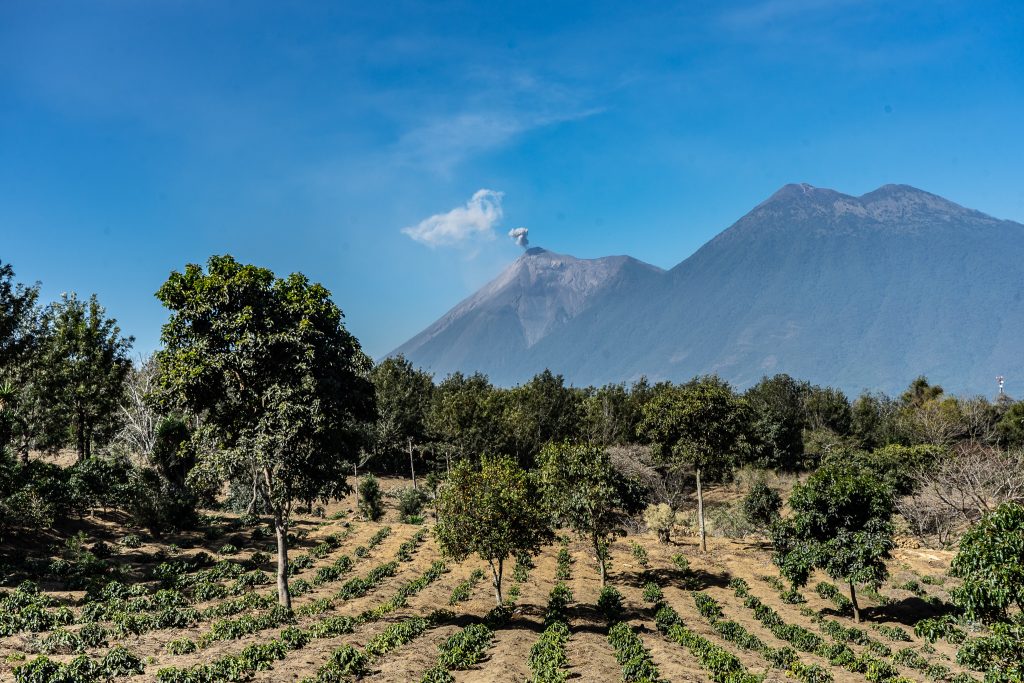
The Antigua region is surrounded by three volcanoes — Agua, Fuego, and Acatenango — with Fuego still active, its frequent eruptions enriching the surrounding soil with natural minerals. The area retains large tracts of virgin forest and is blessed with fertile volcanic soil. Combined with its mild year-round climate and stable humidity, it provides ideal growing conditions for coffee trees. Notably, coffee is mainly grown at elevations above 1500 meters, producing numerous award-winning beans and making it one of Guatemala’s most iconic coffee regions.
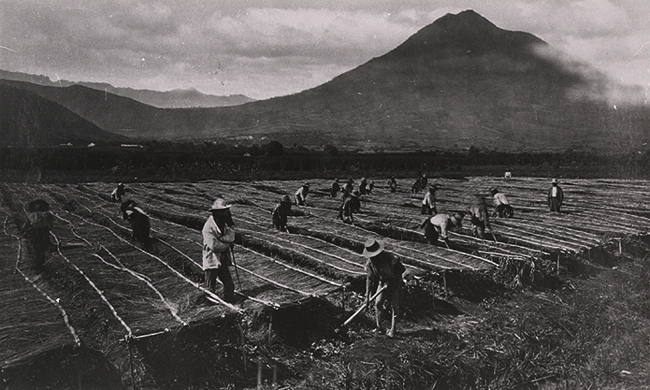
Take a well-known brand coffee bean from this region as an example — those produced at La Minita Estate. The cultivation process is strictly controlled, with soil tests conducted twice a year and fertilizer application adjusted accordingly. The total number of fertilizations throughout the year is only about three, and pesticides are rarely used. Through scientific management and comprehensive quality control, these coffee beans exhibit extremely high flavor purity and consistency.
Region: Antigua, Guatemala
Estate: La Minita Estate
Altitude: 1200 meters
Variety: Caturra, Bourbon
Processing Method: Washed
Huehuetenango Region: The Crystallization of Dry Climate and Variable Mist
This region, situated at high altitude with a dry climate and influenced by the hot, dry winds from Mexico’s Tehuantepec Isthmus, effectively prevents frost damage. At the same time, the warm, humid Caribbean air brought in by the central mountains often leads to misty, variable weather. Combined with volcanic soils, this results in uniquely flavored coffee beans.
Nuevo Oriente Region: A Rising Power Transformed from Barren Land
Nuevo Oriente was once a volcanic area with soils primarily composed of metamorphic rock rich in minerals. Although it was once one of the poorest regions in the country, since the 1950s, local farmers have cultivated coffee on this naturally fertile land, gradually establishing it as an emerging hub in Guatemala’s coffee map. The coffee from this area offers balanced flavors, full body, and a distinct chocolatey aftertaste.
Practical Pour Over Recommendations and Parameter Settings
Taking the Guatemala Antigua Fleur de Sel as an example, it is recommended to use a pulsed extraction method: start with a 30-second bloom using 30 grams of hot water, then pour in a slow circular motion to reach 125 grams for the first pour. After the water level drops slightly, continue pouring to 225 grams, and finally remove the filter just before the water level exposes the coffee bed. The total extraction time should be kept around 2 minutes to fully showcase the coffee’s layers and nuances.
Flavor Profile
This coffee typically exhibits bright citrus acidity, crisp and juicy like fruit juice, along with abundant floral notes. Its sweetness is well-balanced, with a medium body and a subtle finish of caramel and smoky tones. Overall, it presents a clean, layered, and smooth drinking experience.
The above content is compiled by CoffeeHunters, a coffee news website.


