







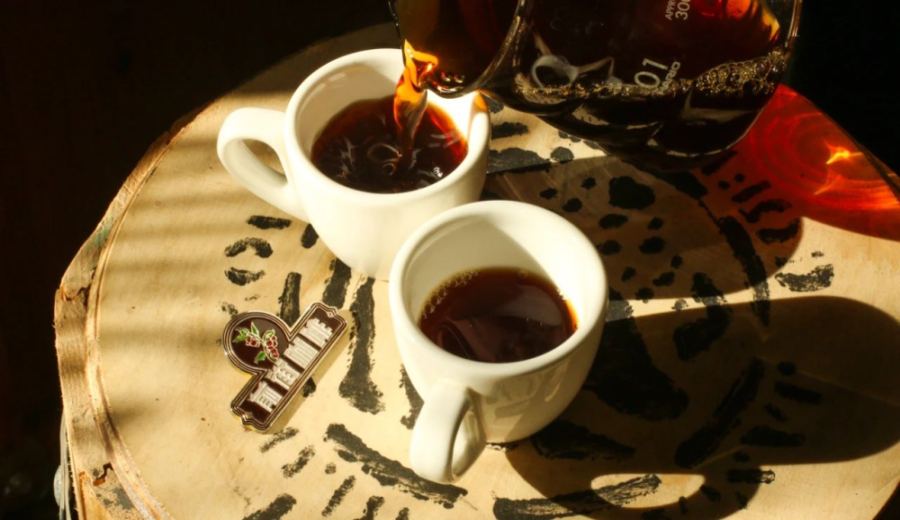
Introduction:Jamaica Blue Mountain No. 1 coffee is renowned for its exceptional balance of sweetness, acidity, and bitterness. With its rich flavors of dark chocolate, nuts, and a velvety-smooth mouthfeel, it has captivated coffee enthusiasts worldwide. But how can you identify authentic No. 1 beans truly from the Blue Mountain region? And what pour over techniques will help you extract its optimal flavors? This article delves into the geographic conditions and varietal characteristics of Blue Mountain coffee, and provides expert-level pour over parameters and steps, so you can easily enjoy the rich charm of the world’s top-tier coffee at home.
Blue Mountain coffee is hailed as one of the finest coffees in the world. Its greatest appeal lies in the rare balance between sweetness, acidity, and bitterness—almost no noticeable harshness, only a subtle, refreshing acidity. This extraordinary harmony makes it the dream flavor for many coffee lovers. If you’re curious to explore it further, this article will comprehensively break down the allure of Blue Mountain No. 1—from terroir and variety features, to authentic identification and pour over techniques—and share practical methods to consistently deliver its signature dark chocolate, nutty, and buttery-smooth profiles.
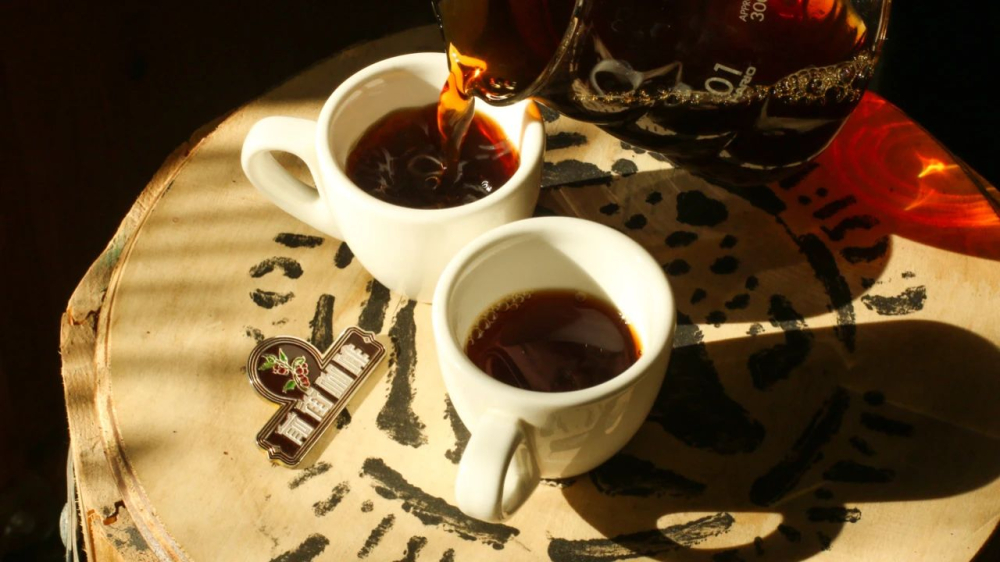
Blue Mountain coffee embodies all the qualities of high-quality coffee: rich aroma, full body, and most notably, an impeccable harmony among its three dominant flavors—sweetness, acidity, and bitterness—that results in an exceptionally smooth drinking experience with almost no prominent bitterness and very mild acidity. For this reason, professionals recommend using drip methods, such as pour over, to fully showcase its delicate layers.
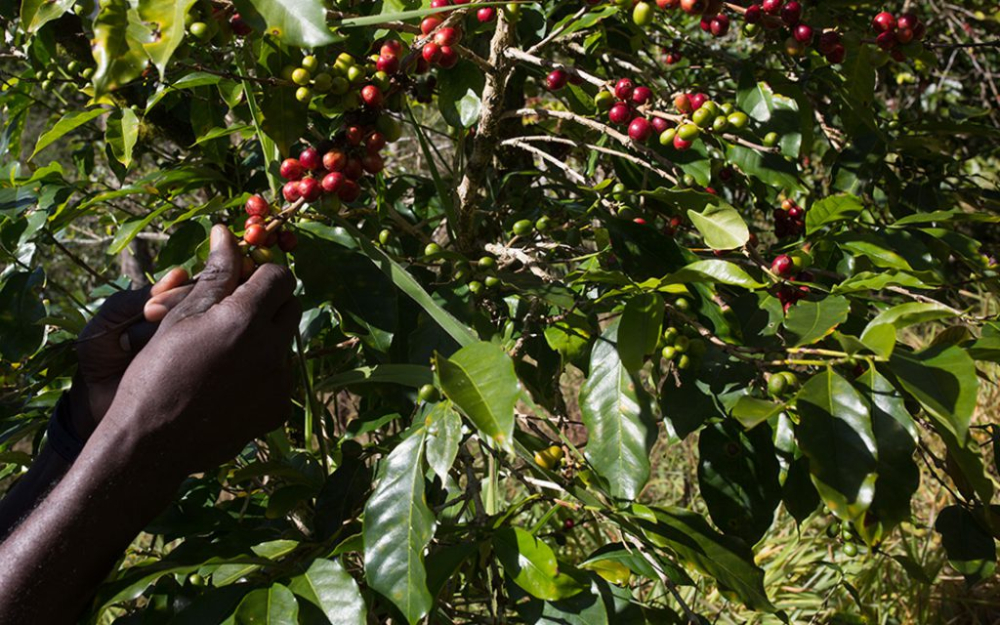
The uniqueness of Blue Mountain coffee stems not only from its varietal but also from its growing environment. This coffee is cultivated exclusively in the Blue Mountains of Jamaica, at elevations between 910 and 1700 meters. Coffee grown below 910 meters can only be classified as Jamaica High Mountain or Jamaica Prime Coffee, and cannot bear the Blue Mountain name.
The coffee varieties grown in the Blue Mountain region are exclusively Typica. This variety was introduced from Martinique in the 1720s and has undergone over two centuries of adaptation and evolution in the region, gradually developing stronger disease resistance—particularly against coffee berry disease—significantly better than typical Typica. However, the unique flavor profile of Blue Mountain Typica is highly dependent on the local environment; once grown outside the Blue Mountains or at lower altitudes, it fails to replicate that distinctive sweetness and floral fragrance. This is the key difference between Blue Mountain coffee and other grades.
Blue Mountain is located in the heart of the coffee belt, blessed with fertile volcanic soil, clean unpolluted air, and a moist, foggy climate. With an average annual rainfall of about 1980 millimeters and temperatures consistently around 27°C, the high-altitude environment creates significant diurnal temperature variations. These not only extend the growth cycle of coffee cherries but also provide ample time for the accumulation of flavor compounds and sweetness, resulting in the unparalleled delicacy and richness of Blue Mountain coffee.
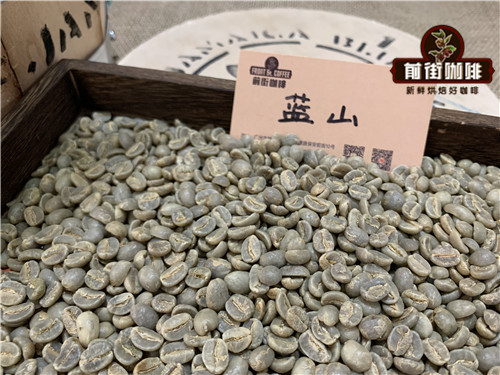
To purchase genuine Jamaica Blue Mountain No. 1 coffee, the first thing to consider is its origin authenticity. Authentic Blue Mountain coffee is a single-origin bean and must come with an official export certificate or origin certification issued by the Jamaican government. Many products on the market that claim to have “Blue Mountain flavor,” “Blue Mountain blends,” or “Blue Mountain espresso,” or those sold at suspiciously low prices, are mostly not true Blue Mountain No. 1. Generally speaking, the price of roasted Blue Mountain No. 1 coffee is usually over one hundred yuan per 100 grams—so never compromise on quality for a cheaper price.
In addition, according to Jamaican government regulations, all exported Blue Mountain coffee must be shipped in wooden barrels. The barrel sizes are available in 15 kg, 30 kg, and 70 kg. Currently, the Blue Mountain No. 1 sold comes from the oldest Clifton Estate in the Blue Mountains, which is planted at an altitude of 1310 meters and is also the only coffee farm in Jamaica to have received “Rainforest Alliance Certification.” Holding this certification means the farm performs well in environmental protection, social equity, and sustainable economic development. As a result, the barrels are marked with a green frog certification label, and you can also see barrels bearing the green frog mark and relevant certification documents in physical stores.To fully appreciate the essence of Blue Mountain coffee, using freshly roasted beans is essential. To ensure consumers enjoy coffee at its best, it is generally recommended to use the beans within five days after roasting. Blue Mountain coffee is usually roasted to a medium-dark level, which enhances its body and sweet aftertaste while preserving a hint of fruit acidity, giving the overall flavor more complexity. However, if the roast date exceeds one month, the aroma and flavor compounds may have significantly diminished, affecting extraction performance—so it's best to choose freshly roasted batches.
To highlight the soft yet rich characteristics of Blue Mountain coffee, it is recommended to use a KONO filter. Compared to V60, the upper part of the KONO filter is designed to allow the paper to fit more tightly against the brewer. Its extraction method is mainly immersion-based, helping to increase the overall concentration of the coffee and thereby intensifying its rich mouthfeel. This filter is also suitable for other full-bodied beans such as Brazilian Queen Estate or Golden Mandheling.
The specific pour over parameters are recommended as follows: Use a medium-coarse grind size (approximately the size of coarse sugar, with about 70% extraction rate through a Chinese 20-mesh standard sieve), with water temperature controlled between 88–89°C. The brewing steps are: First, pour 30 grams of water for blooming for about 30 seconds; then proceed to the second pour up to about 125 grams and wait for the coffee liquid level to drop; when the liquid level drops to half, perform the final pour to reach a total of 225 grams, and then let it drip through completely. The total extraction time is approximately 2 minutes and 10 seconds.
By following the above steps, you will be able to consistently brew the classic flavors of Blue Mountain No. 1 coffee at home: rich dark chocolate and nut aromas, paired with a silky-smooth, buttery mouthfeel, where the balance of sweetness, acidity, and bitterness reaches an exquisite equilibrium—delivering a cupping experience close to that of a specialty café.
The above content is compiled by CoffeeHunters, a coffee news website.


