








Introduction:An in-depth exploration of the main variety characteristics of Yunnan small-grain coffee, including the genetic background, suitable environments, and flavor differences between Typica and Catimor. Practical pour over recommendations and extraction parameters are also provided. Through analysis of Yunnan’s major producing regions, we understand how these coffee beans express unique flavors under different microclimates, and examine why Typica and Bourbon have struggled to gain widespread adoption, while Catimor has become the mainstream. Additionally, we present the pour over flavor profile results from a locally grown Yunnan bean.
As an important coffee-growing region in China, Yunnan’s history of cultivating small-grain coffee spans over a century. As early as 1892, a French missionary introduced coffee seeds to Zhukula Village in Binchuan County, successfully planting the first batch of coffee trees. To this day, there are still 24 ancient coffee trees over a hundred years old in the village, making it a true “living fossil” of Chinese coffee.

Although most people assume that coffee was first introduced to China through its coastal regions, in fact, Yunnan, located in the inland southwest, was the first place in China to encounter the aroma of coffee. With the rise of the specialty coffee trend, more and more coffee enthusiasts are beginning to pay attention to the origin and variety differences of coffee beans. Yunnan small-grain coffee, especially the two major varieties Typica and Catimor, is gradually entering the view of global coffee consumers.
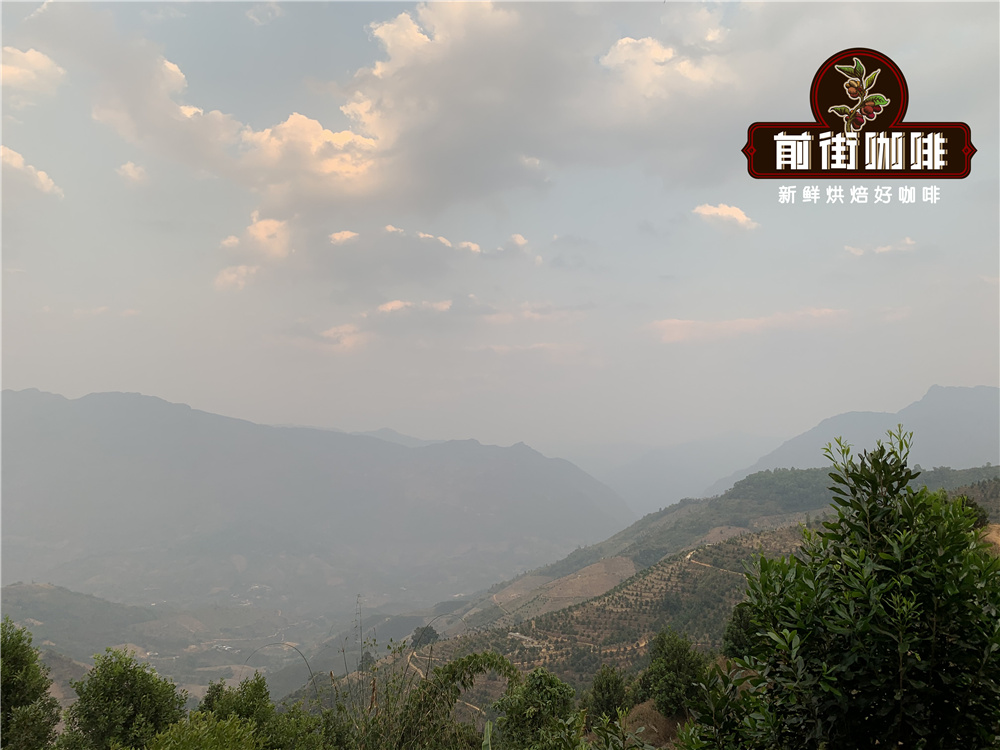
The so-called “small-grain coffee” actually refers to the Arabica species, because its beans are relatively smaller compared to Robusta, and it is also known as “small fruit coffee.” In Yunnan, this type of coffee is mainly grown in mountainous areas at altitudes of 1,000 to 2,000 meters, particularly concentrated in Pu’er, Xishuangbanna, Baoshan, Dehong, and Lincang. These regions feature large diurnal temperature variations, distinct wet and dry seasons, along with fertile soil and abundant sunshine, nurturing small-grain coffee with rich fruity aromas, balanced acidity and sweetness, and a refreshing aftertaste.
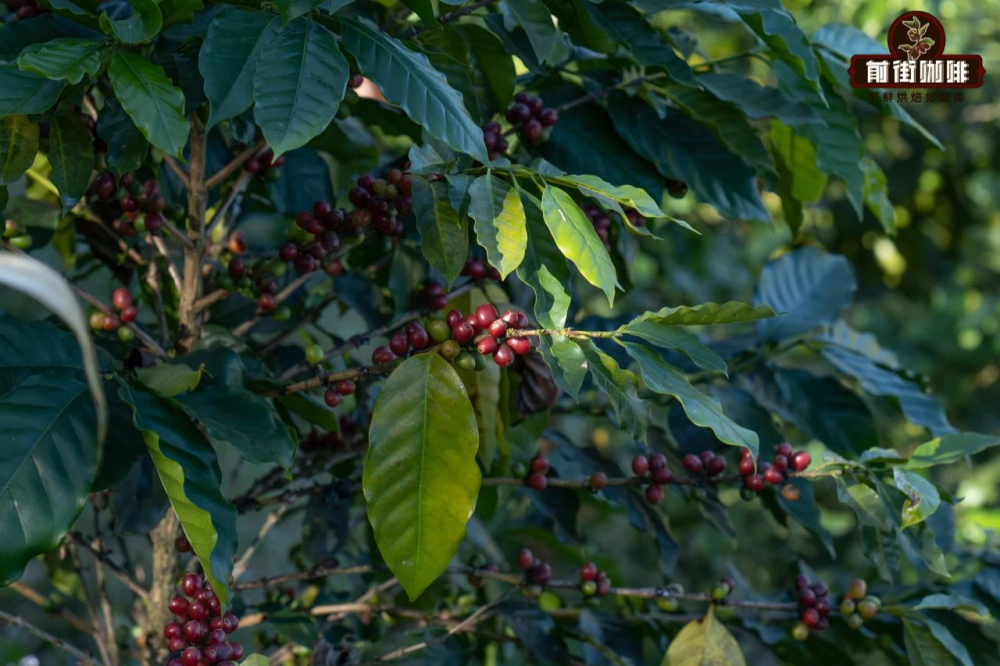
Among them,Typicais one of the most classic Arabica varieties, originating from Ethiopia and Sudan. It is renowned for its delicate flavor and bright acidity, but it has low yields and is susceptible to leaf rust, requiring high management standards, which is why it is less common in large-scale commercial cultivation. Meanwhile,Bourbonis a mutation derived from Typica, originally from Réunion Island in France (formerly known as Bourbon Island). It offers even richer aromas and is suitable for cultivation at altitudes between 1,200 and 2,000 meters, but it also has relatively weak disease resistance and not particularly high yields.
In comparison,Catimoris a hybrid of Arabica and Robusta, combining Robusta’s strong disease resistance and high yield with some of Arabica’s flavor potential. Catimor contains about 25% Robusta genetics, making it easier to grow and manage. It is currently the most widely planted variety in Yunnan and is especially favored by commercial farmers. However, due to its genetic background, Catimor generally does not have as complex a flavor profile as Typica or Bourbon, with less pronounced acidity, but it still delivers notable notes of chocolate, nuts, and caramel.
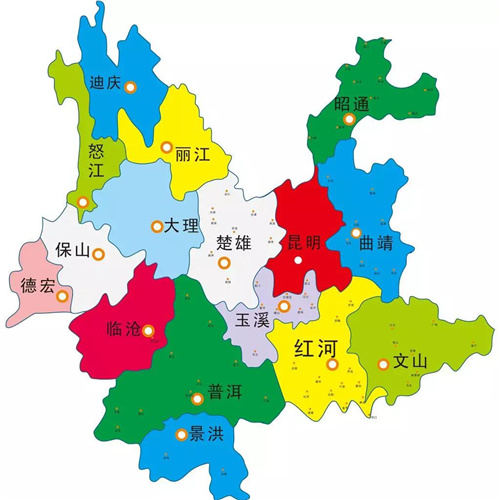
Yunnan’s coffee-growing regions can be divided into several key production areas, including Pu’er, Baoshan, Dehong, Lincang, and Xishuangbanna. Among them,Dehongbenefits from superior altitude conditions and the frequent use of organic farming methods, producing coffee of extremely high quality;Baoshansaw the introduction of small-grain coffee as early as the 1950s by overseas Chinese, gaining recognition in the Lujianba area;Lincangattracts multiple coffee enterprises to establish nursery bases due to its climate and geographic conditions; whilePu’eris known for its tea-coffee coexistence and was one of the first regions to promote adjustments in the coffee industry structure.
A certain coffee brand operates its own plantation in Lincang, choosing to plant purebred Typica. From seedling cultivation to first harvest takes approximately 4 to 5 years. Although the flavor performance is better, the high management costs and risks make many farmers reluctant to switch varieties. The brand launched its first batch of "Brand 2013" estate-grown beans between 2020 and 2021, receiving positive reviews and showcasing Typica’s potential under Yunnan’s microclimates.
In terms of processing methods, Yunnan small-grain coffee primarily uses washed and natural (sun-dried) processes. The washed method highlights acidity and clarity, making it suitable for those who prefer a bright taste; the natural process enhances sweetness and fruity notes, resulting in a richer flavor. Both methods have their advocates, and coffee enthusiasts are encouraged to try both for comparison.
If you wish to brew Yunnan small-grain coffee at home, it is recommended to use a Hario V60 dripper, with 15 grams of coffee grounds, water temperature around 88°C, a 1:15 coffee-to-water ratio, and medium-fine grind size (approximately 75% extraction through a Chinese standard No. 20 sieve). These parameters help extract bright fruity acidity and delicate aromas, while avoiding over-extraction that could lead to astringency.
A certain brand’s natural (sun-dried) Typicaexhibits a rich flavor profile: balanced acidity and sweetness, with citrus and berry notes, accompanied by fermented wine-like aromas and caramel sweetness, and a lingering aftertaste reminiscent of cream and black tea.
A certain brand’s washed Yunnan small-grain coffeeshowcases herbal, nutty, and chocolatey aromas, with a soft caramel finish.
A certain brand’s natural (sun-dried) Catimor coffeefeatures a flavor base of nuts, chocolate, and spices, blended with the sweetness of plums and caramel, delivering an overall stable and approachable profile.
The above content is compiled by CoffeeHunters, a coffee news website.


