








Introduction:The moka pot is the go-to brewing tool for many coffee beginners. With its simple structure, it can produce coffee with flavors close to that of espresso. This article starts with the basic construction and working principle of the moka pot, analyzes the differences between single-valve and double-valve models, explains how it differs from an espresso machine in terms of pressure and extraction, and provides a detailed walkthrough of each step from adding water and filling coffee grounds to extraction. It also explores the pros and cons of the moka pot and the recommended roast levels for coffee beans, helping you brew a well-balanced shot of espresso-like coffee.
For many people just starting to explore coffee, the moka pot is a great entry-level choice. It’s not only affordable and relatively easy to use, but also capable of producing rich, intense flavors similar to those of espresso. This article will delve into the three-part structure and operating principle of the moka pot, analyze the differences between single-valve and double-valve types, compare its pressure and extraction performance with standard espresso machines, and guide you step-by-step through the full process—from adding water, filling coffee grounds, to heating and extraction. Additionally, we’ll discuss the pros and cons of the moka pot and the ideal coffee bean roast levels for optimal results, allowing you to enjoy a rich and bold cup of coffee at home.

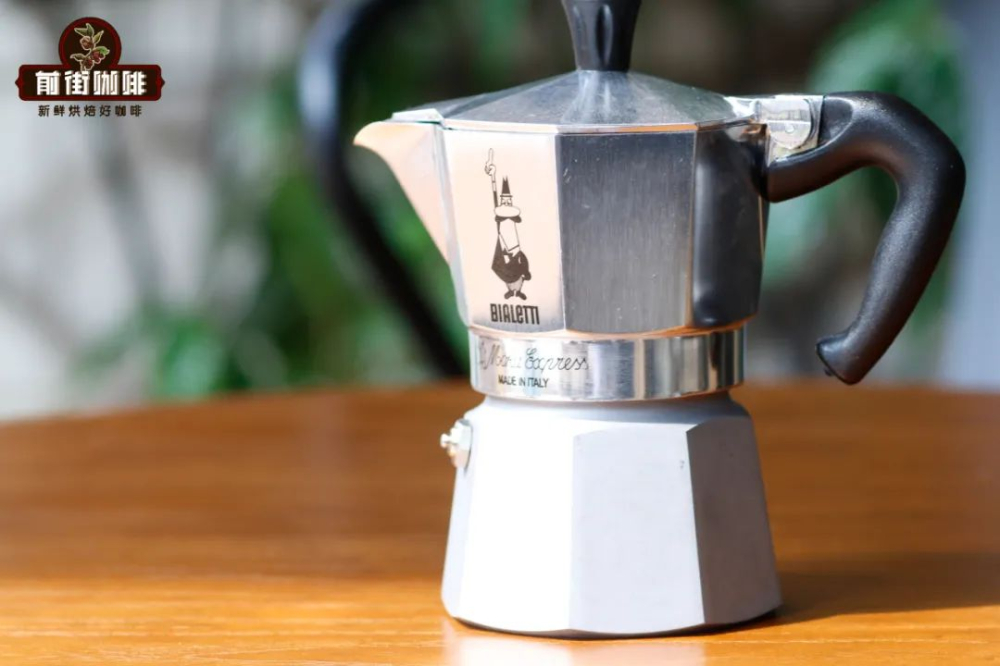
Though the moka pot may appear simple on the outside, its internal structure is actually quite intricate, consisting mainly of three parts: the upper chamber, the middle filter basket, and the lower chamber. The lower chamber holds the water and is heated. As the water temperature gradually rises to boiling point, the resulting steam creates pressure that pushes the hot water upward through the layer of coffee grounds in the middle, eventually extracting the coffee into the upper chamber. This process is somewhat similar to how traditional espresso is made, as both rely on pressure to extract flavor compounds from the coffee. However, the pressure in a moka pot typically ranges between 1.2 to 3 atmospheres—though it doesn’t reach the 9 atmospheres of commercial espresso machines, it still delivers a fairly intense flavor.
Currently, moka pots on the market are mainly divided into single-valve and double-valve types. The double-valve design adds an additional pressure valve on top of the single-valve setup, which further increases pressure, making the extraction more concentrated and bringing out more coffee oils. This results in a smoother and more layered mouthfeel. Although the moka pot cannot achieve the high-pressure extraction of professional-grade espresso machines, it remains a highly practical option for enjoying a rich cup of coffee at home on a daily basis.

The moka pot has clear advantages, such as ease of use, affordable equipment costs, and portability, making it suitable for both travel and home use. However, it also has some limitations. For instance, it is not as precise as professional coffee machines when it comes to temperature control. The water temperature during heating often approaches or even reaches the boiling point of 100°C. Such high temperatures can easily extract bitter compounds from the coffee, leading to an overly strong or even burnt and bitter taste. Moreover, while the coffee produced by a moka pot is rich, it still falls short of standard espresso in terms of delicate mouthfeel and layered complexity, as the latter benefits from higher pressure and produces a smoother, more velvety brew.
Since the coffee brewed with a moka pot tends to be bold and intense, it is recommended to choose medium to dark roasted coffee beans. Such roast levels complement the moka pot’s high extraction strength, highlighting the coffee’s richness and aromatic complexity. Lighter roasts usually have more pronounced acidity and may not fully express their characteristics under the moka pot’s high temperature and pressure, sometimes even resulting in uneven extraction. In addition, medium to dark roasted beans release more carbon dioxide during heating, which helps create a richer coffee crema, enhancing the overall drinking experience.
When using a moka pot, it is recommended to first add a suitable amount of warm water to the lower chamber. This not only shortens the heating time but also prevents the coffee grounds from being overly extracted or developing a burnt taste due to sudden exposure to high heat. Be particularly careful not to fill the water above the safety valve level; otherwise, if the extraction channel becomes accidentally blocked under high pressure, excessive internal pressure could build up, creating potential safety hazards. For the coffee grounds, a grind size between pour over and espresso is ideal. A grind that is too coarse may lead to under-extraction, while one that is too fine can cause over-extraction, resulting in noticeable bitterness and astringency.

Evenly fill the ground coffee into the filter basket, then gently level it without pressing it down firmly. Over-tamping the coffee bed can impede water flow and affect the uniformity of extraction. Next, securely attach the upper and lower chambers and place the moka pot on the heat source. If using an open flame, make sure the flame does not extend beyond the base of the pot to avoid localized overheating. When the moka pot starts to make a hissing sound, it indicates that pressure is gradually building up. At this point, reduce the heat to allow the coffee to flow out steadily.
When the coffee in the upper chamber reaches about half its capacity, it is advisable to turn off the heat. This allows the remaining heat and pressure inside the pot to complete the final extraction. Doing so not only prevents over-extraction but also preserves more of the coffee’s aroma and flavor complexity. Finally, pour the coffee into a cup. You can enjoy it as is, dilute it with hot water to your preferred strength, or pair it with milk for a different flavor experience. A well-brewed moka pot coffee typically features rich notes of caramel, chocolate, nuts, and berries, with a bold and layered mouthfeel.
The above content is compiled by CoffeeHunters, a coffee news website.


