







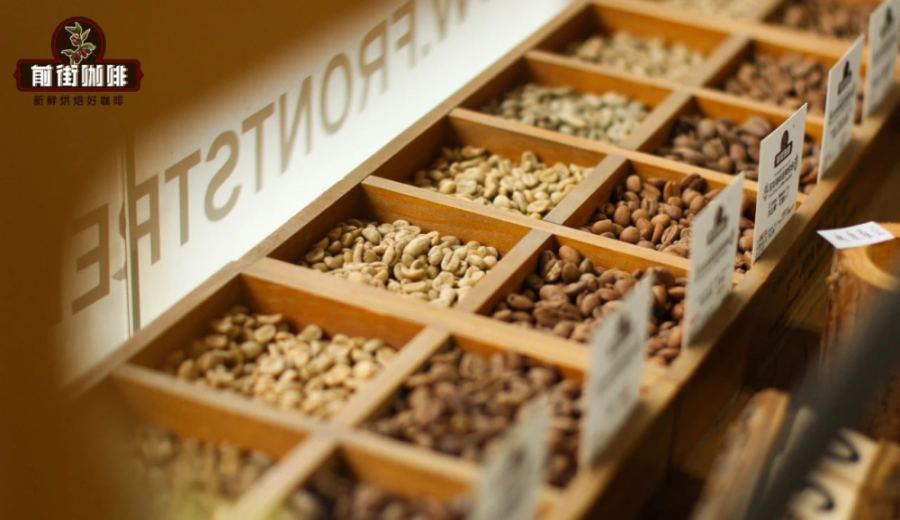
Introduction:Maragogype, or elephant bean, is the largest variety within the Arabica family, earning its name for beans that can be up to three times the size of regular Arabica. This article delves into the origins, cultivation challenges, and flavor profile of this unique variety, with a special focus on the high-altitude Maragogype from Nicaragua’s Mama Mina Estate and its common hybrid, Pacamara. We’ve also compiled practical pour over parameters and flavor profiles to help you master the brewing techniques for this niche specialty bean.
Among the widely loved Arabica coffee varieties, there is one mutation that stands out due to its remarkable size — the Maragogype. Its beans are typically three times the size of a regular Arabica bean. Not only is it visually striking, but it also offers a unique flavor experience. First discovered in Bahia, Brazil in 1870, the Maragogype has long captivated coffee enthusiasts and collectors with its rare size and relatively mild, balanced taste.
Basic Classification of Coffee VarietiesThey can generally be divided into three main categories: Arabica, Robusta, and Liberica. Among them, Arabica is the mainstream for most specialty coffees, Robusta is known for its bold, bitter aroma and high caffeine content, while Liberica is often regarded as the large-bean variety due to its rarity and largest physical size. However, within the Arabica family, there is an anomaly — the Maragogype, whose bean size even surpasses that of typical Robusta and Liberica, earning it the title “the elephant of the coffee world.”
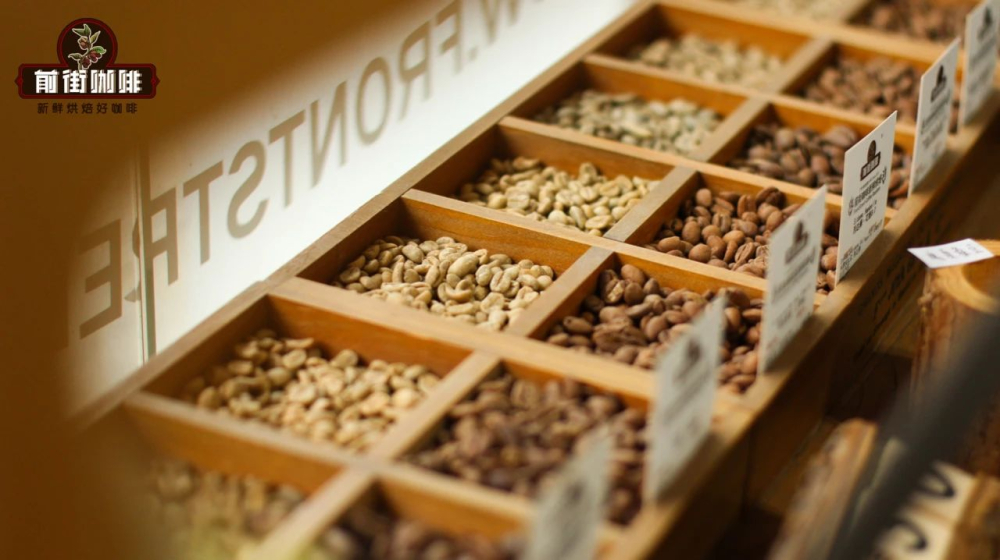
The official scientific name for the Maragogype is Maragogype, first discovered by scientists in the Maragogipe region of Brazil in 1870. Research shows that it is a natural mutation of the Typica subspecies, an old and widely grown variety of Arabica. Despite its massive appearance, its genetics remain purely Arabica, so its flavor profile inherits the clear layers and soft acidity typical of the series.
In terms of commonly seen coffee bean sizes in the market, Robusta is generally considered a “small-bean” variety, Arabica is a “medium-bean” variety, and Liberica is the “large-bean” variety. The Maragogype, however, often reaches 20 mesh size or even higher, far exceeding the 17–18 mesh premium standard commonly found on the market. This enlargement of the bean size is accompanied by changes in the entire coffee tree — Maragogype trees have larger branches, leaves, and trunks than regular Arabica, requiring more growing space and nutrients, along with longer fruiting cycles and difficult harvesting processes. These factors lead to high cultivation costs, and today it is grown in only small quantities in places like Brazil, Nicaragua, Mexico, and Guatemala.
In terms of flavor performance, based on actual brewing tests of samples from multiple origins, the Maragogype often exhibits:A round and soft mouthfeelClear but not overly intense aroma, medium acidity, and moderate body. Particularly when grown at high altitudes (above 1,500 meters), the Maragogype can showcase rich fruit acidity layers and aromatic expression, such as bright berry notes and citrusy aftertastes. It is sometimes even noted to carry certain nuances reminiscent of Jamaican Blue Mountain, but at a much more affordable price, making it a premium alternative choice for some coffee shops. However, if grown at altitudes below 700–800 meters, its flavors tend to be more bland with less distinct layers, and it is not recommended as a first-choice specialty bean.
In addition, the Maragogype has successful hybrid varieties —Pacamara, a cross between Pacas and Maragogype. The Pacamara retains the large bean size trait of the Maragogype (about 70–80% the size of Maragogype) and excellent acidity, while also benefiting from the Pacas variety’s high yield and environmental adaptability. It is mainly grown in El Salvador and has won numerous awards in the local Cup of Excellence competitions, making it an important and notable item in the specialty coffee market.
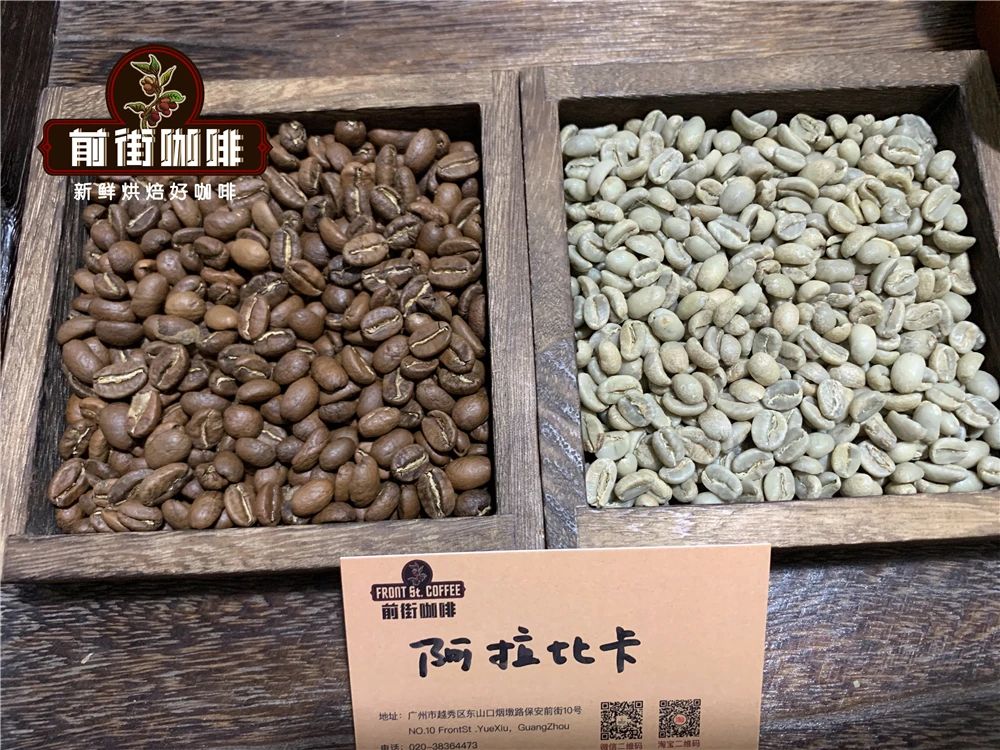
Next, we will focus on two representative cases of the Maragogype and its hybrid varieties: the high-altitude Maragogype from Nicaragua’s Mama Mina Estate and the Pacamara from Guatemala’s Pozo Verde Estate in the Huehuetenango region.
Nicaragua’sMama Mina Estatebelongs to the Mierisch family, who have been deeply involved in coffee cultivation since 1908. The family owns nine coffee farms with over a century of combined experience. The Mama Mina Estate is located in a highland area at an altitude of 1,450–1,600 meters, and its coffee beans have received high-altitude organic certification from OCIA (Organic Crop Improvement Association). This Maragogype is processed using the natural (sun-dried) method. The variety is a standard 18-mesh Maragogype, and its flavor profile features a rich base of black berries, including dark fruit aromas of blackberry and black plum, blended with citrus peel and subtle spice notes. The cup is full-bodied, silky, sweet, and well-layered, with a long-lasting finish.
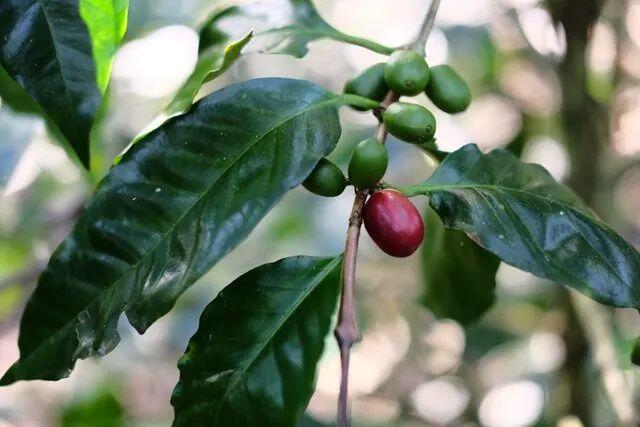
Another noteworthy option is thePacamarafrom Guatemala’s Pozo Verde Estate in the Huehuetenango region. This variety is meticulously processed using the washed method, grown at an altitude of around 1,500 meters, and displays clear acidity notes of lemon, passion fruit, and plum, paired with a mellow sweetness reminiscent of brown sugar and a lingering aftertaste. The overall flavor is fresh and lively, with balanced acidity and sweetness and a rich sense of layering.
For these two beans, we recommend the following pour over parameters based on our practical testing, which help fully bring out their potential flavors:
- Filter cone: V60
- Water temperature: 90–92°C
- Coffee dose: 15 grams
- Coffee-to-water ratio: 1:15
- Grind size: Medium grind (similar to the coarseness of white sugar)
- Brewing technique: Use a multi-pour method — start with a 30-gram bloom for about 30 seconds, then pour 95 grams of water in small streams in a circular motion centered on the grounds (totaling 125 grams), completing the first stage. When the water level drops to just about to expose the coffee bed, pour again to reach 225 grams to finish extraction. It is recommended to remove the filter cone just before the water level exposes the coffee bed. Total brew time should be controlled to around 2 minutes.
Actual brewing results show that the Pozo Verde Pacamara exhibits distinct acidity and sweetness tones, including bright fruit acids of lemon, passion fruit, plum, and prune, along with a gentle brown sugar finish. The Mama Mina Maragogype, on the other hand, highlights berry, citrus, caramel, nut, and subtle spice aromas, with a full-bodied mouthfeel and rich layers of flavor.
The above content is compiled by CoffeeHunters, a coffee news website.


