







Introduction:Want to dive deeper into Burundi, an emerging specialty coffee origin in Africa? This article provides a detailed overview of its geographic environment, major producing regions, washed processing characteristics, and how its unique double fermentation process shapes its captivating sweet-and-acid balanced flavors. Whether you’re looking for beginner-friendly beans or exploring special processing methods, coffee enthusiasts will find practical insights and inspiration here.
Among the many African coffee-producing countries, aside from the widely renowned Ethiopia and Kenya, Burundi — nestled in the central-eastern inland region — is also hailed as the “Heart of Africa.” This small, mountain-surrounded nation, blessed with high-altitude terrain, fertile volcanic soil, and ample rainfall, offers ideal natural conditions for cultivating premium specialty coffee. Burundian coffee primarily uses the washed processing method, and its distinctive double fermentation technique results in beans that showcase fine acidity, pronounced sweetness, and richly layered flavor profiles.
The Republic of Burundi is located in central-eastern Africa, south of the equator, bordering Rwanda, Tanzania, and the Democratic Republic of the Congo (DRC), with Lake Tanganyika to its south. Covering an area of approximately 28,000 square kilometers, the country is mostly composed of plateaus and mountains, with over 80% of its land sitting at elevations above 1,600 meters. The climate is tropical to subtropical, divided into four distinct seasons: the long rainy season from February to May, the long dry season from June to August, the short rainy season from September to November, and the short dry season from December to January of the following year. With annual rainfall generally ranging between 1,000–1,600 mm, and fertile volcanic soils left by past eruptions, the land creates perfect growing conditions for coffee trees.
The national flag of Burundi also carries deep symbolism: a wide white stripe divides the flag into four triangles — red on top and green at the bottom — with three red six-pointed stars outlined in green arranged in a triangular pattern at the center. Red symbolizes the blood of martyrs who sacrificed for the nation, green stands for development and progress, white represents peace, and the three stars signify “Unity, Work, and Progress,” as well as the harmonious coexistence of the country’s three main ethnic groups: Hutu, Tutsi, and Twa.
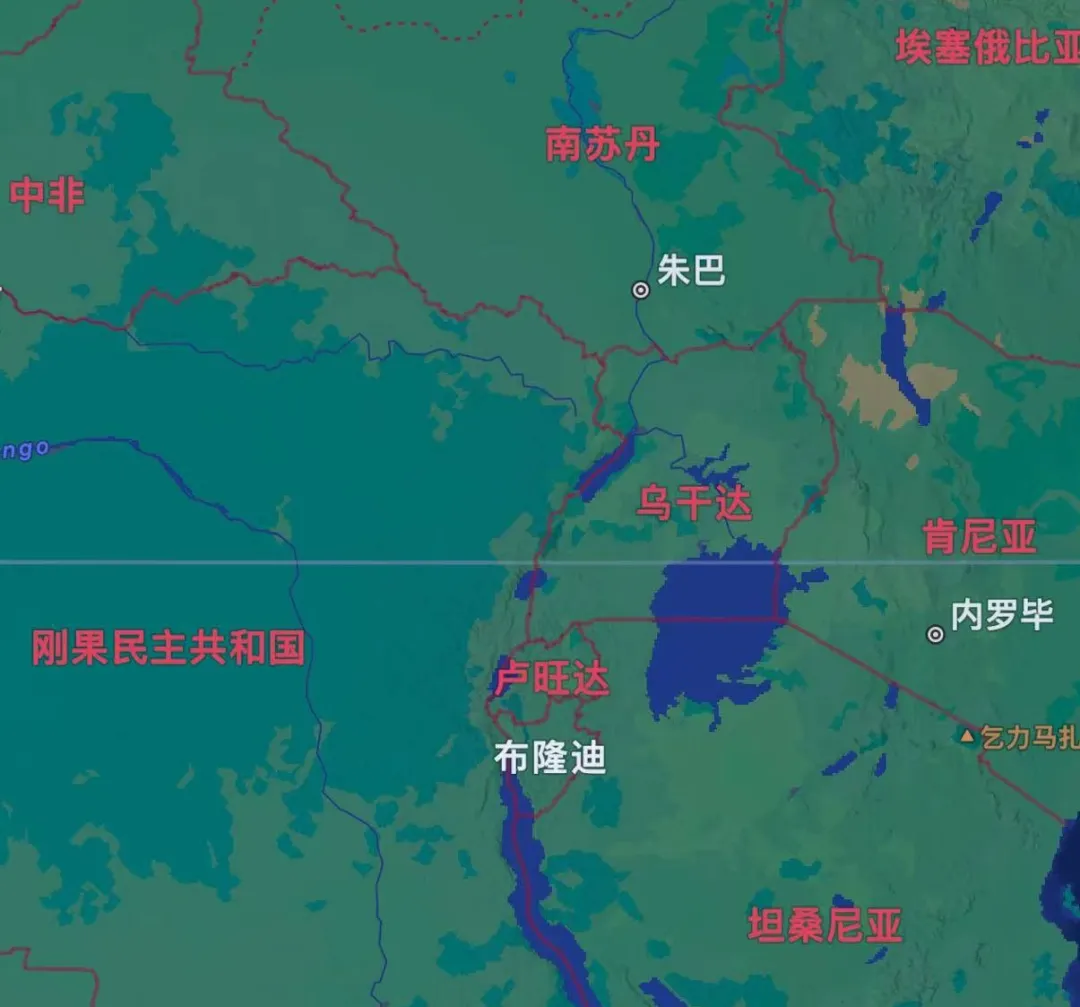
Coffee cultivation in Burundi is primarily concentrated in five regions: Kirundo, Kirimiro, Mumirwa, and the largest, Buyenz. Buyenz borders Rwanda, with Kayanza and Ngozi being the most well-known areas within it. Generally, the main coffee harvest season runs from April to July each year, and the industry is dominated by smallholder farmers — each cultivating relatively small plots, yet together forming the essential foundation of Burundi’s coffee output.
Among these regions, Buyenz is not only the country’s largest producer but also renowned for its superior geographic conditions. Kayanza, located in this area, enjoys a mild climate with an average annual temperature of around 18°C, and coffee is typically grown at elevations between 1,700 and 2,000 meters — ideal for coffee tree cultivation. In contrast, Ngozi has slightly lower yields but similar altitudes, and in recent years, its quality has gradually gained market attention, showing promising potential. Kirundo, situated in the northeast, lies at elevations of about 1,400 to 1,700 meters, with modest output but promising future prospects. Located in the central mountainous region, Kirimiro sees average temperatures between 12–18°C and annual rainfall of around 1,100 mm — lower than other regions — but hosts a specialized coffee laboratory dedicated to enhancing export quality control. Meanwhile, Mumirwa in the north borders both Rwanda and the Democratic Republic of the Congo, with elevations ranging broadly from 1,100 to 2,000 meters and climatic and rainfall conditions also suitable for coffee cultivation.
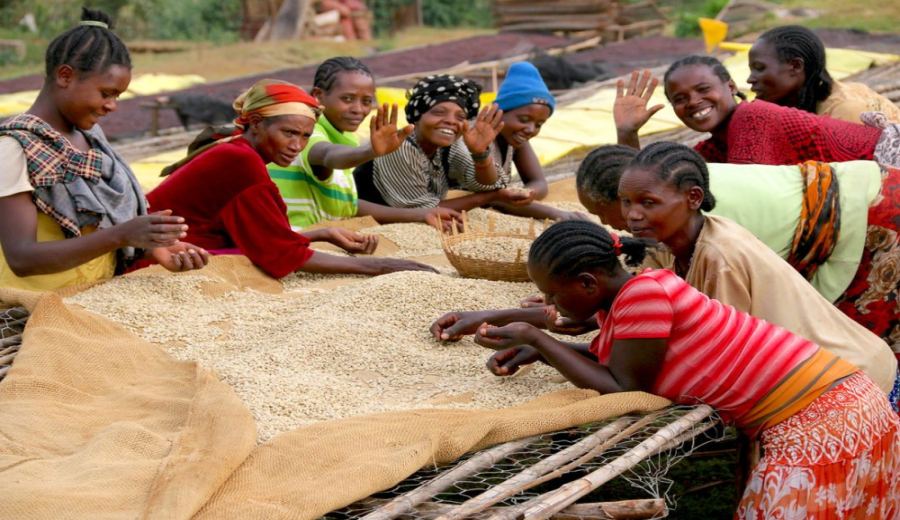
When it comes to Burundi’s coffee processing methods, the country currently has about 283 processing stations and 8 hulling factories, mostly concentrated in the northern and central provinces. Among them, washed processing accounts for approximately 80% — the dominant method — while natural (sun-dried) processing makes up around 15%, and honey processing about 5%. Notably, Burundi’s washed process is often referred to as “double washed” or “double fermentation processing,” characterized by two rounds of fermentation and two washing steps. This approach bears similarities to the Kenyan processing method.
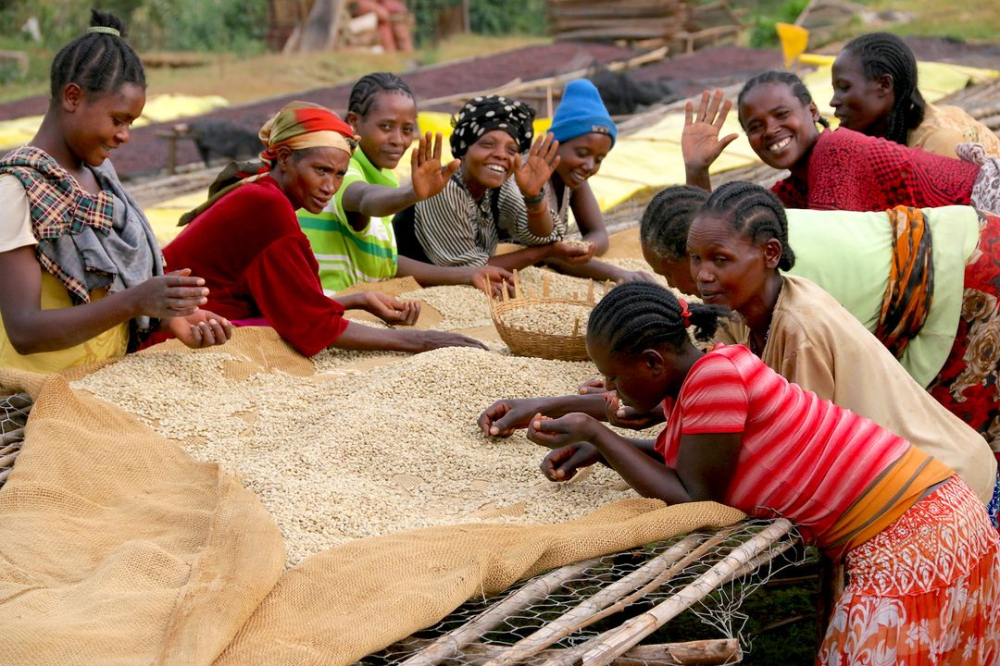
In specific terms, harvested coffee cherries first undergo floatation sorting to remove unripe or defective beans, followed by removal of the outer skin. The sticky mucilage-covered beans are then transferred to elevated fermentation tanks for initial fermentation — this stage may be either wet or dry fermentation. After a set fermentation time, the beans are rinsed with clean water to remove most of the mucilage, then moved to lower fermentation tanks for a second round of fermentation. During fermentation, water must be regularly changed to prevent odor or mold. After the secondary fermentation, the beans are washed again, then soaked in water tanks for at least 12 hours before undergoing prolonged sun drying.

The overall washed processing flow can be simplified as: fresh cherry harvesting → floatation selection → pulping → wet fermentation (~12 hours) → initial mucilage wash → secondary fermentation → re-washing → soaking → sun drying → hulling → green bean grading → packaging and storage. This intricate double fermentation process gives Burundian coffee its characteristic soft yet bright acidity, moderate body, along with unique sweetness and subtle spicy aromatic notes.
Many coffee professionals note particularly the bright fruity acidity and delicate floral notes when tasting Burundi coffee. To fully highlight these traits, medium-light roasts are commonly chosen to preserve more of the origin’s intrinsic flavors. From actual cupping experiences, one Burundian lot exhibited layers of passion fruit, pineapple, dried fruit, honey, and subtle floral aromas. On the palate, the acidity was vibrant with a lemony tone, and the aftertaste was clean and memorable — making it highly suitable for pour over brewing, and also recommended for coffee enthusiasts interested in exploring how processing methods influence flavor.
The above content is compiled by CoffeeHunters, a coffee news website.


