







Introduction:Blue Mountain coffee, with its unparalleled flavor and prestigious status, has long topped the wish list of coffee enthusiasts. However, the market is flooded with imitations — from “Blue Mountain-flavored” blends to low-altitude mixed beans. Telling the genuine article apart has become a major challenge. This article not only delves into the authentic certification standards and regional regulations of Blue Mountain coffee but also provides a detailed look at the bean characteristics of Blue Mountain No. 1, key identification points, and practical pour over parameters paired with flavor profiles. From bean selection to brewing, it offers a comprehensive guide to mastering the essence of this legendary coffee.
Blue Mountain coffee is globally recognized as a top-tier coffee representative, with its name almost synonymous with premium coffee. However, precisely because of its stellar reputation and high price, the market is rife with various products masquerading as “Blue Mountain,” ranging from non-Blue Mountain-grown beans to simple blends, or even instant coffee, all labeled as having “Blue Mountain flavor.” This article will help readers learn to distinguish real Blue Mountain coffee from aspects such as origin, certification, and bean traits, while further understanding its unique flavors and optimal brewing methods.
When it comes to Blue Mountain coffee, many people first think of its high price and lofty status. But it is precisely for this reason that many merchants abuse the term “Blue Mountain,” marketing coffee beans from outside the Blue Mountain range, low-altitude varieties, or even instant coffee as “Blue Mountain flavor.” Faced with a bewildering array of products, how can consumers tell the real from the fake? The following sections will take you in-depth into how to identify authentic coffee from the Jamaican Blue Mountains through several key perspectives.
1. Look for Wooden Barrel Packaging and Certification Documents
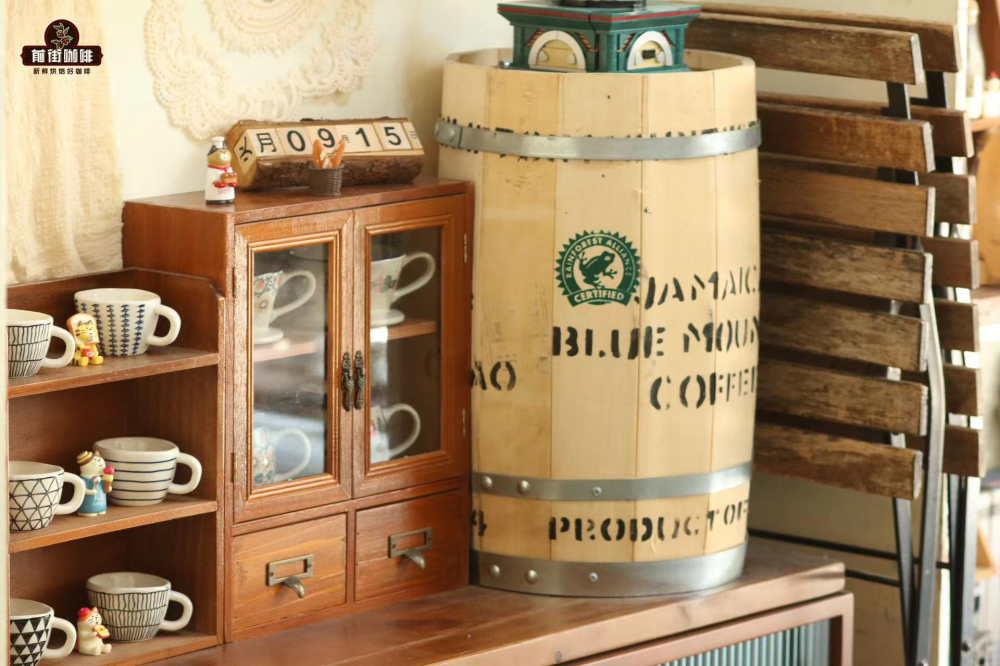
Authentic Blue Mountain No. 1 coffee beans are always exported in complete wooden barrels as the packaging unit. If the seller cannot provide the original wooden barrel, their product is likely not genuinely from Blue Mountain.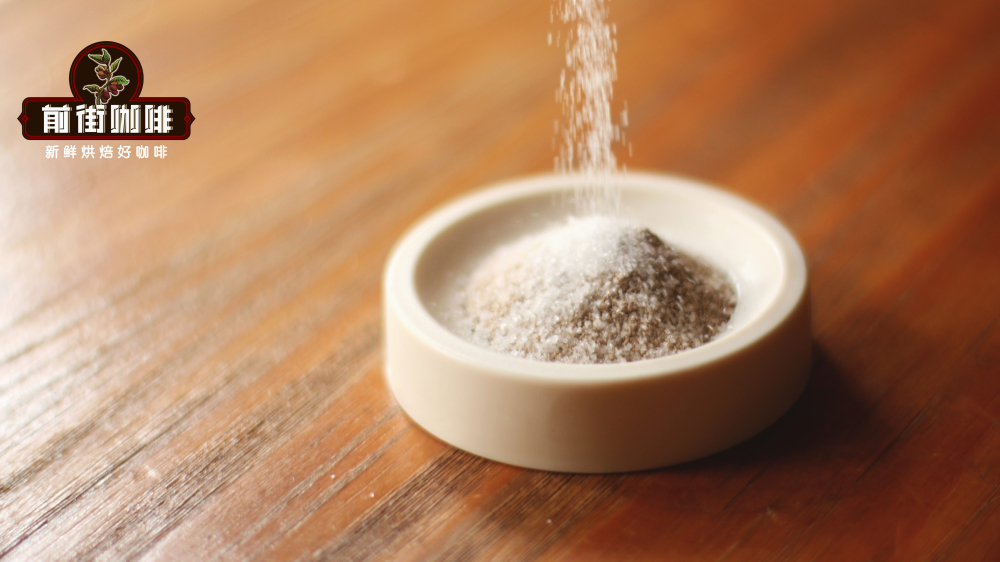 Additionally, for buyers directly importing green beans, certification documents can be obtained from the Jamaica Coffee Industry Board (CIB) or specific producing estates. This is an important document proving the authenticity of Blue Mountain coffee.
2. Bean Shape and Grade Specifications
The most commonly available single-origin Blue Mountain beans on the market belong to the “Blue Mountain No. 1” grade. Its green bean selection criteria are extremely strict, requiringthat beans of 17 mesh size or larger make up at least 96% of the lot, with a defect rate not exceeding 2%. Therefore, Blue Mountain No. 1 beans are usually plump and uniform, exhibiting a beautiful oval shape — a key visual clue for identification.
It’s worth noting that the brand is not a key factor in the quality of Blue Mountain coffee. All Blue Mountain coffee beans must come from the four officially authorized processing plants and specific independent farms in Jamaica. As long as you ensure they’re genuine, the quality differences between brands are actually quite limited. The key lies in whether the beans are truly from the official Blue Mountain production area.
3. Blue Mountain Coffee’s Production Region and Altitude Regulations
Blue Mountain coffee is grown in the Blue Mountains of eastern Jamaica, a region named for its year-round misty veil and the bluish halo cast over the mountains when sunlight penetrates. However, not all coffee grown on the mountain range qualifies as Blue Mountain coffee. Only coffee planted inthe four administrative regions of St. Andrew, St. Thomas, St. Mary, and Portland, and at an altitude between910 and 1700 meters, is eligible to be called Blue Mountain coffee.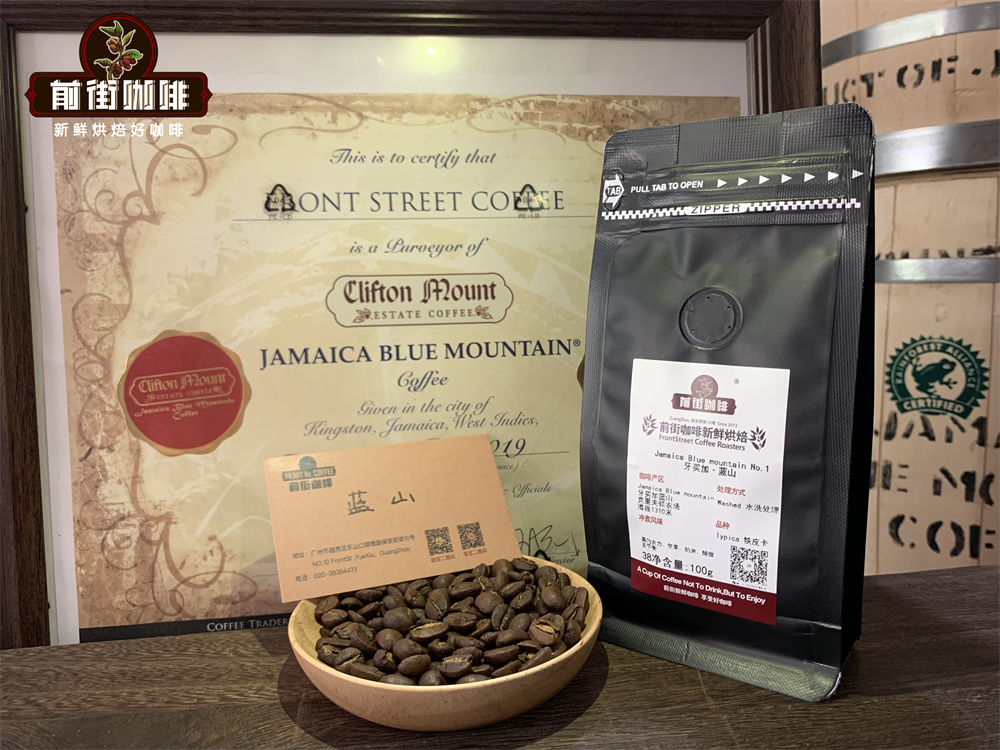
Coffee grown at altitudes between 500 and 900 meters is classified as “Jamaica High Mountain Coffee,” while coffee below 500 meters is called “Jamaica Prime Coffee” — neither of which falls under the Blue Mountain category.
4. Blue Mountain Is a Place, Not a Variety
“Blue Mountain” is not the name of a coffee variety but the name of the highest mountain range in the Caribbean. The beans used for Blue Mountain coffee belong to the Typica variety, one of the most classic and ancient Arabica types. This variety was introduced to the region in the 18th century and, after long-term adaptation, has become a stable cultivar with distinct regional characteristics, whose flavor profile is not easily replicated elsewhere.
5. The Unique Flavor of Blue Mountain Coffee
Thanks to the mineral-rich volcanic soil of the Blue Mountain region, significant diurnal temperature variations, persistent cloud cover, and abundant rainfall, Blue Mountain coffee exhibits an exceptionally balanced harmony of acidity, sweetness, and bitterness. Its flavor is anchored by a rich and full-bodied mouthfeel, along with a clear sweetness. Common flavor descriptors include nuts, dark chocolate, and subtle caramel notes.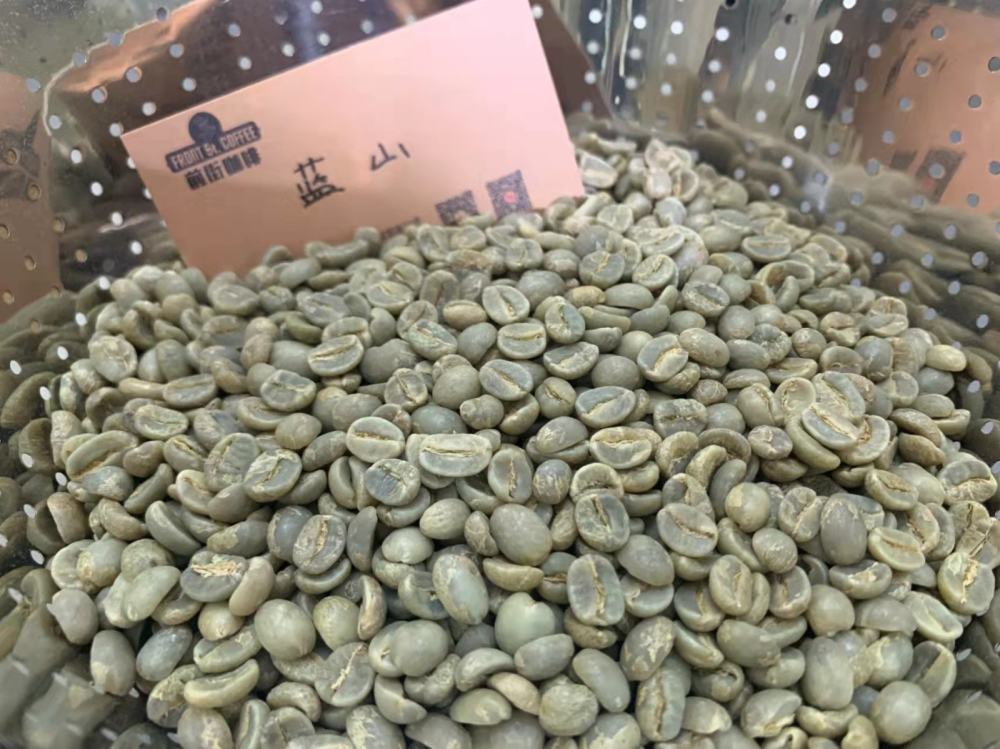 Especially coffee produced at higher altitudes features more complex and delicate flavor layers, whereas beans from lower altitudes may be slightly less balanced and clean.
6. The Correct Brewing Method for Blue Mountain Coffee
For high-quality beans like Blue Mountain No. 1, pour over is the brewing method that best highlights its delicate flavors. It’s recommended to use a KONO filter cone — the tight fit between the filter paper and cone creates an immersion-like extraction effect, resulting in richer and smoother coffee flavors. To avoid over-extraction and bitterness, slightly lower water temperature and a coarser grind size are advised.
Recommended practical pour over parameters are as follows:
- Water temperature:88°C
- Coffee-to-water ratio:1:15
- Coffee powder amount:15 grams
- Grind size: Coarse, similar to brown sugar (approximately 75% passing through a #20 sieve)
- Brewing method: Three-stage pouring
- First stage: Pour 30g of hot water for blooming30 seconds
- Second stage: Slowly circle pour from the center up to125g
- Third stage: Continue pouring up to225g, with total extraction time controlled at around2 minutes
. After brewing, gently swirl the coffee liquid before enjoying. These parameters are ideal for those seeking a rich, bold flavor without sacrificing nuanced details.
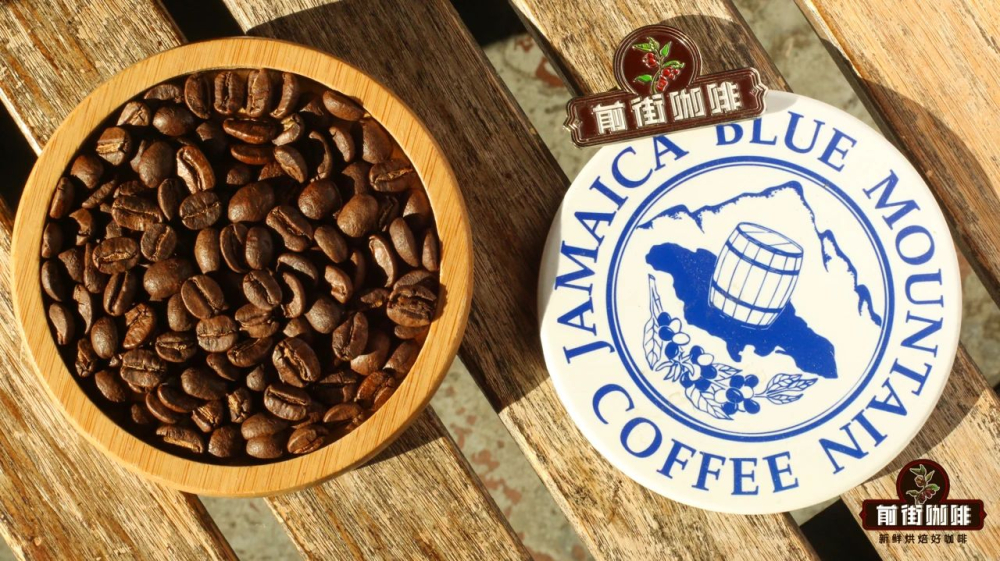
7. Flavor Profile of Blue Mountain No. 1 in Pour Over
When brewed properly, the aroma of Blue Mountain No. 1 coffee reveals a pronounced caramel sweetness during the blooming stage. Upon tasting, a strong presence of nuts and dark chocolate dominates, with a full-bodied and layered mouthfeel. The finish is sweet and clean, making it an unforgettable high-altitude specialty coffee.
The above content is compiled by CoffeeHunters, a coffee news website.


