








Introduction:Beginners who have just started exploring coffee often encounter extraction failures or disappointing flavors due to improper bean selection. This article selects five specialty coffee beans ideal for beginners to practice with, covering different regions and processing methods. These beans offer clear and easily recognizable flavor profiles, suitable for brewing with a variety of devices such as pour over, French press, or siphon. Not only does it introduce the unique characteristics and recommended brewing parameters for each bean, but it also provides advice on storage and purchasing to help readers build a solid foundation for coffee taste appreciation.
For coffee newcomers, choosing their first bag of coffee beans can be quite challenging. Many people intuitively believe that “the more expensive, the better,” yet they overlook key factors such as personal taste preferences, brewing skills, and flavor compatibility. In reality, during the initial stages of exploring the coffee world, selecting a “staple bean” that offers both learning value and a satisfying drinking experience is far more practical than pursuing award-winning competition beans or high-end specialty coffees.
The following introduces five specialty coffee beans suitable for beginners to practice with. They come from different regions and processing farms, each featuring distinct and easily identifiable flavor profiles. Moreover, these beans are not difficult to brew and are suitable for use with various devices such as pour over, drip bags, siphons, or even French presses. Additionally, these beans are relatively affordable in the market, making them ideal choices for building coffee sensory memory and technical foundations.

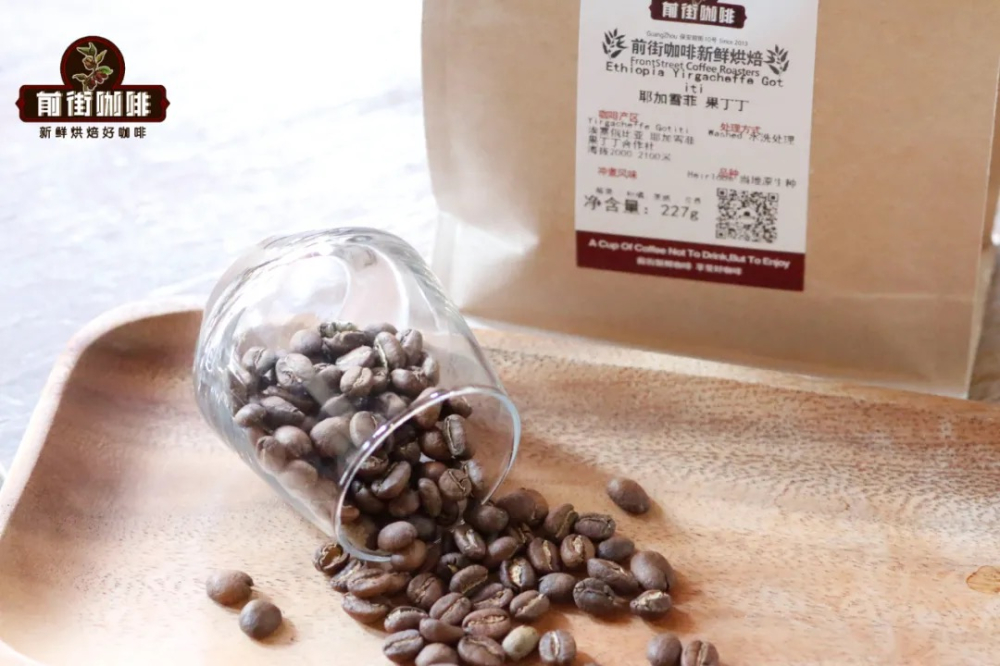
First recommended is a classic Yirgacheffe-flavored bean — Yirgacheffe Gu Ding Ding. This bean is classified as G1 grade and comes from Ethiopia’s renowned coffee-growing region. It features prominent white floral notes and lively citrus acidity, offering a refreshing flavor with a long-lasting aftertaste, making it especially suitable for beginners who don’t prefer overly bitter tastes. Whether brewed using pour over, drip bags, cold brew, or siphon, it showcases bright jasmine floral notes, sweet berry flavors, a subtle green tea base, and layered citrus and caramel notes. It is recommended to use a medium-light roast, with water temperature controlled at 90–92°C, a grind size of about medium-fine (e.g., about 80% through a standard #20 sieve), and a coffee-to-water ratio of 1:15 to fully bring out its fruity and floral characteristics.
The second option is Strawberry Sugar Gesha Blend, which combines the tropical fruit sweetness of Costa Rica’s honey-processed method with the delicate floral notes unique to Panama’s Gesha variety. Through medium roasting, it achieves a moderate level of fermentation, making the overall flavor reminiscent of tasting a strawberry-flavored fruit candy — balanced in acidity and sweetness with rich layers. This blend is suitable for brewing with pour over, cold brew, moka pot, or even a home semi-automatic coffee machine, making it perfect for beginners wanting to experience diverse processing methods and creative blends.
The third option is the Queen’s Estate Yellow Bourbon from Brazil. As the world’s largest coffee-producing country, Brazil is known for its coffee’s balanced triad of flavors (acid, sweetness, and bitterness), with a smooth mouthfeel and moderate intensity. This high-altitude-grown Yellow Bourbon variety offers aromas of creamy chocolate, dark cocoa, and almond — making it an excellent entry point for experiencing the steady style of Central and South American coffees. It is recommended to use a medium-dark roast, with slightly higher water temperature (around 93°C), paired with a medium-coarse grind (such as the standard for French press), to better present its rich nutty and chocolatey base.
The fourth option is the highly acclaimed PWN Golden Mandheling, produced in Indonesia’s Sumatra region and renowned for its intense spice notes and full-bodied mouthfeel. The PWN company has strict selection criteria for export beans, choosing only G1 grade beans that are 18 mesh or larger, with fewer than three defects (per 300g of green coffee sample), and featuring a dark green color and regular flat bean shape. This bean’s brewing profile reveals multi-layered richness, including notes of nuts, herbs, spices, and caramel, along with a pronounced chocolatey finish, featuring clear layers and high balance. It is recommended to use a medium-dark roast, with water temperature between 92–94°C, and a fine grind (close to espresso standards), suitable for pour over or users who prefer a bold flavor.
Finally, we recommend a classic blend specially designed for users who enjoy rich crema and a full-bodied mouthfeel. This blend combines beans from Brazil, Mandheling, and Robusta, showcasing a luscious buttery milk aroma and strong body. When used to make Americano, it delivers intense aroma and noticeable aftertaste; when combined with milk for a latte, it becomes silky smooth; it can also be paired with juice or sparkling water to create diverse coffee specialties. It is suitable for daily home use and also serves as a great choice for further practicing milk frothing and base blending.
It is important to note that after roasting, green coffee beans gradually release carbon dioxide and volatile aromatic compounds. Therefore, it is recommended to consume the beans within 45 days of roasting to achieve the best flavor performance. To extend the flavor experience period, purchase from reputable roasters and ensure each bag of beans has a clearly marked roasting date. It is advised to buy through official websites or reliable suppliers to guarantee the freshness and consistent quality of the coffee beans. At the same time, once received, store the coffee beans in a cool, dry place, preferably using airtight containers or one-way valve packaging, to avoid the influence of sunlight, moisture, and oxygen on the flavor.
The above content is compiled by CoffeeHunters, a coffee news website.


