







Introduction:Have you ever noticed that dark roasted beans start to release oil after a while? Or that the golden crema on an espresso can sometimes look thin and patchy? Actually, both of these common questions are closely related to roast level and the release of carbon dioxide. This article explores the science behind why dark roasted beans produce oil, debunks freshness myths, and systematically explains the quality standards, flavor value, and key factors influencing stable crema formation — including roast degree, grind size, extraction pressure, and equipment conditions. Finally, we also offer two practical blend suggestions tailored to different needs to help you consistently extract rich, velvety crema.
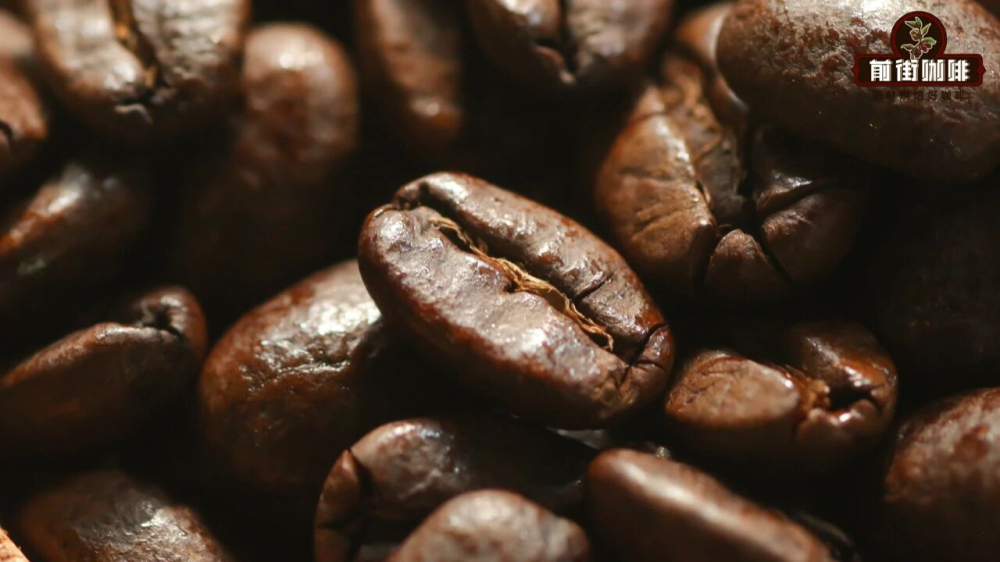
When the surface of dark roasted coffee beans gradually starts to show an oily sheen, many people’s first reaction is, “These beans aren’t fresh anymore.” In fact, this phenomenon is mainly related to the roast depth and the release of carbon dioxide, and is not directly indicative of quality. Especially for beans roasted to medium-dark or darker levels, over time, internal oils expand due to heat and gases are released, naturally pushing the oils to the bean surface, forming a visible oily film.
Normally, freshly roasted dark beans appear relatively dry on the outside. After about two weeks, they begin to show subtle oiliness, and between the 2nd and 5th day post-roast, surface oils are especially noticeable. This oil is not an external contaminant but rather the lipids naturally contained within the coffee beans. Due to the high dehydration rate during intense roasting, combined with the continuous release of large amounts of carbon dioxide, these oils are pushed to the surface — a normal physical process. It’s worth noting that lipid content varies by bean variety; for example, Robusta naturally contains more lipids than Arabica.
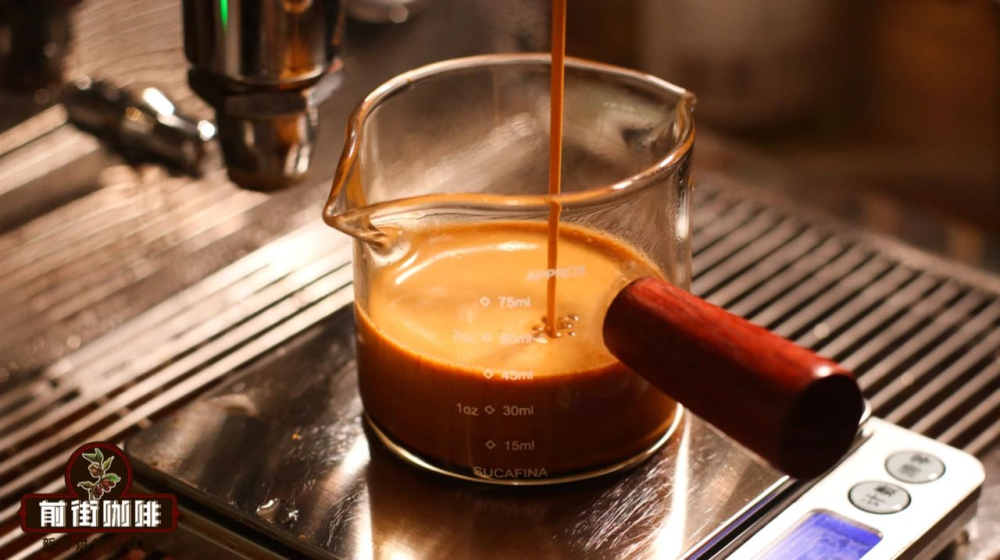
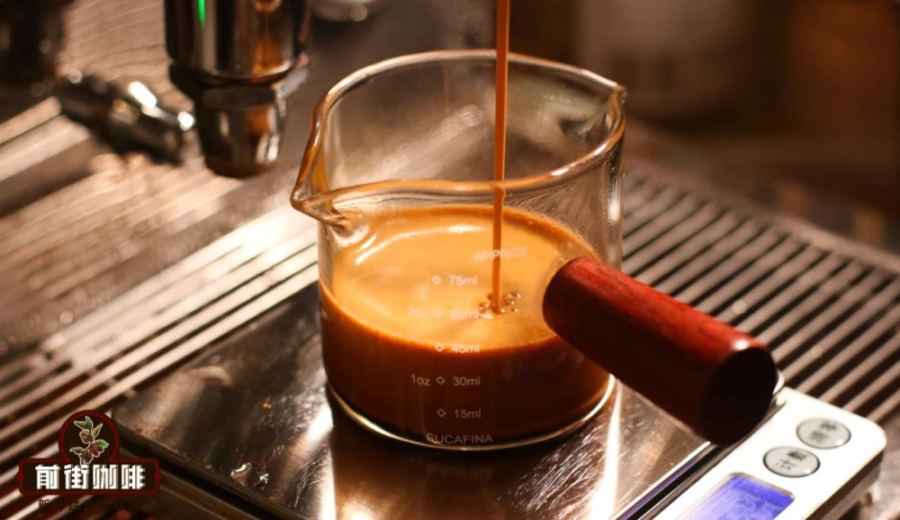
As for the golden, delicate, and glossy foam on top of an espresso shot, we generally call it “crema,” though some people simply refer to it as “oil.” But in reality, crema is more than just a visual garnish — it plays a critical role in enhancing the overall taste and aroma of the coffee.
High-quality crema has a color that ranges between golden and amber, with a fine and even texture. It feels smooth like cream and exhibits good clinging ability and stability. Not only does it add a sense of depth to the appearance of espresso, but it also contributes to a richer mouthfeel and more complex aromas when tasting. Additionally, it aids in the formation and retention of latte art patterns when making milk-based coffee drinks. As a result, many coffee enthusiasts and professional shops pay special attention to the quality of crema.
So, how can you consistently extract thick and fine crema? The key lies in selecting the right coffee beans. It is recommended to primarily use medium-dark roasted espresso blends, ensuring they have sufficient carbon dioxide content and are used ideally within the golden period of 7 to 45 days post-roast. Furthermore, the inherent oil richness and variety characteristics of the beans also influence the final crema presentation. For instance, blends containing an appropriate proportion of Robusta usually form thicker crema more easily.
In terms of specific bean choices, you can consider two practically oriented blends with different profiles: one is a commercial formula combining Colombian, Brazilian, and Robusta beans. It offers strong aroma, full-bodied oiliness, and a rich mouthfeel, making it suitable for shops that prioritize consistency. The other is a blend that combines Indonesian Mandheling and Brazilian beans. The former brings a distinct wild aroma, while the latter provides a soft and balanced taste. Together, they complement each other, and the addition of Robusta further enhances the crema performance — particularly suitable for home users aiming to create latte art with milk-based coffees like lattes.
Of course, besides choosing the right beans, stable extraction conditions are equally essential. To achieve ideal crema, you need to ensure you’re using freshly ground coffee, maintain a high and consistent brewing water temperature, pair it with sufficient extraction pressure (typically around 9 bar), and adjust grind size and coffee-to-water ratio appropriately. Among these, the stability and overall performance of the equipment’s extraction pressure are also important factors affecting crema quality.
In summary, the fresher the beans, the darker the roast, along with stable equipment performance and well-adjusted parameters, the better the crema performance will be. Understanding these principles not only helps you clear up doubts about oily beans, but also enables you to precisely control each variable during the brewing process to consistently extract satisfying espresso crema.
The above content is compiled by CoffeeHunters, a coffee news website.


