







Introduction:Colombian coffee is renowned for its bright acidity and rich body, with the Huila region particularly celebrated for its nutty and chocolatey notes. This article explores everything from the growing environment, FNC quality control standards, and green bean grading system, to the flavor profile of Huila coffee and practical pour over recommendations—helping you understand the unique charm of this classic origin and master the best brewing techniques.
Colombian coffee has long enjoyed an outstanding reputation in the global market, thanks to itsbalanced acidity and sweetnessandsmooth, full-bodied taste,winning the hearts of many coffee enthusiasts. All of this is closely tied to its distinctive growing conditions in the Andes Mountains. The high altitude, misty environment, and mineral-rich volcanic soil give Colombian coffee its signature fruity aromas and sweet aftertaste.
Colombia is not only one of the world’s major coffee-producing countries but is also regarded by locals as “green gold.” Whether in bustling cities or quiet countryside villages, coffee shops are ubiquitous, becoming an indispensable part of daily life. This deep-rooted coffee culture is also reflected in Colombia’s commitment to quality and excellence.
The reason Colombian coffee stands out in the international market is closely linked to itsfamily-owned smallholder farming model.With over 500,000 coffee farmers across the country, most cultivate, harvest, and process coffee beans on small farms with meticulous care. This hands-on approach often results in Colombian coffee of higher quality compared to many mass-produced nations.
To uphold coffee quality and protect farmers’ rights, the Colombian government established theColombian Federation of Coffee Growers (FNC) in 1927.This organization is dedicated to setting unified green bean standards, promoting quality management, and providing technical support to help farmers tackle challenges such as leaf rust and climate change—ensuring Colombian coffee remains competitive globally.
The grading system for Colombia’s specialty coffee primarily considers bean size, defect rate, and cupping performance. The highest grade isSupreme Screen 18+, meaning over 95% of beans in a 500g sample are sized 18 mesh or larger, ensuring plumpness and uniformity. The higher the screen number, the larger the bean size—beans sized 17 mesh or above are considered high-quality.
In the grading process, aside from size screening, foreign matter and defective beans are further removed. Defects fall into two categories: primary defects include black beans, mustiness, or sourness that severely affect flavor,with a maximum allowance of 12,while secondary defects involve aesthetic issues like discoloration, insect damage, or breakage,capped at 60.Based on the total defect count and cupping results, coffees are ultimately classified into three grades: AA, A, and G. Each batch can be traced to its origin, and names typically include the region and grade information, such asColombia Huila Supremo SC17/18 FNC.
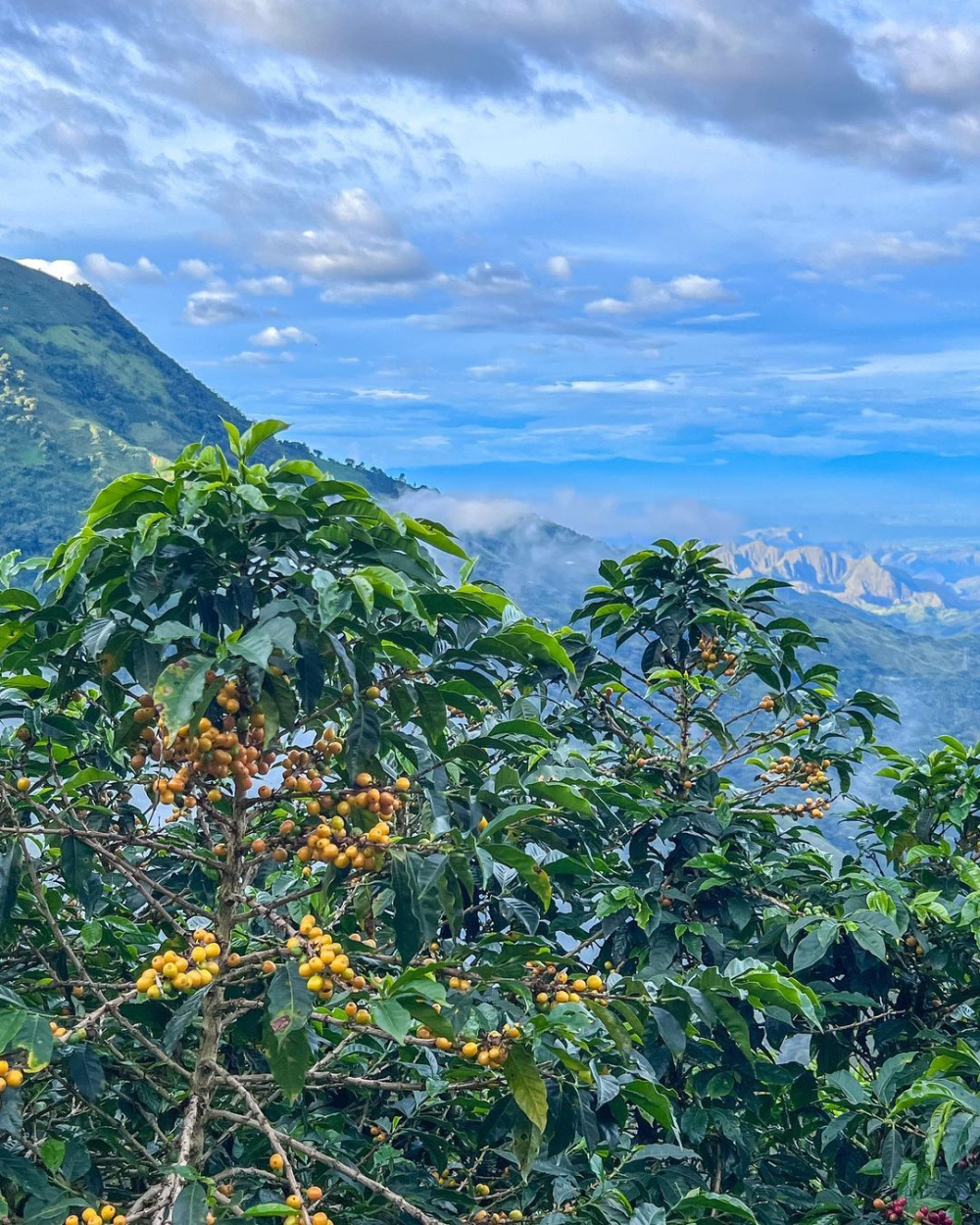
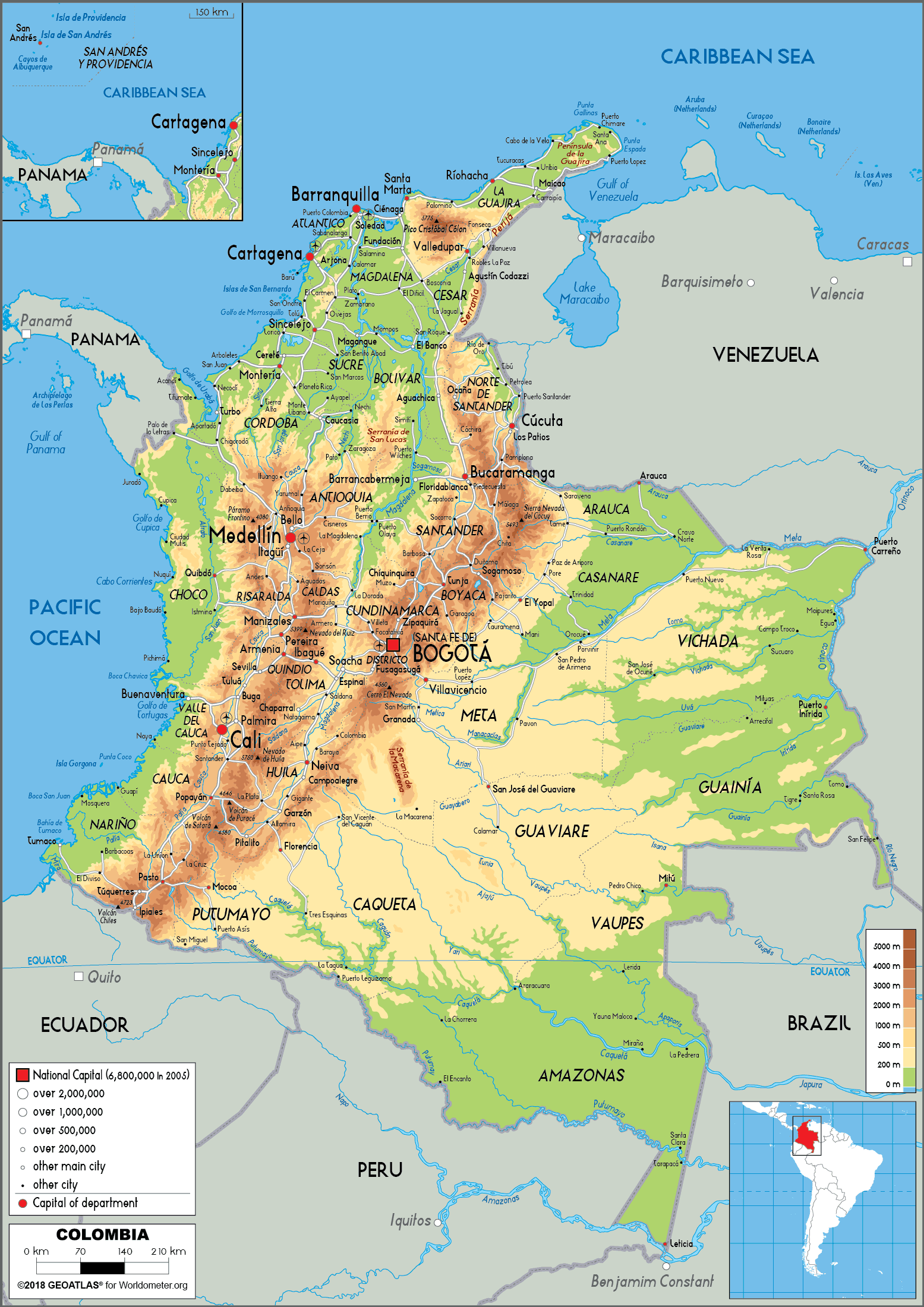
Colombia has numerous coffee-growing regions, among whichHuila,Cauca, and Nariño are considered major sources of specialty coffee. Huila Province sits at elevations above 1,500 meters, surrounded by mountains with a cool, humid climate, plus multiple rivers and fertile volcanic soil—providing ideal growing conditions for Arabica coffee.
Huila coffee is often described as having richnutty, chocolatey, and caramel aromas,along with a smooth, clean taste and almost no off-flavors—fully showcasing the classic characteristics of Colombian coffee. This is why many coffee retailers recommend it as an ideal choice for beginners, allowing newcomers to easily appreciate the essence of Colombian coffee.
In terms of processing methods, Colombia mostly useswashed processing,which preserves the coffee beans’ most original flavor traits and delivers a cleaner, brighter taste. During washing, coffee cherries undergo pulping, fermentation, washing, and drying—the fermentation lasts about 24 hours, followed by rinsing off the mucilage with clean water, and finally drying the beans in the shade until their moisture content drops to 12.5%, ensuring the purity of the coffee’s expression.

If you want to brew Huila-region Colombian coffee at home, it’s recommended to usemedium grind size and 90°C water temperature,to fully bring out its nutty and chocolatey richness. We suggest using a KONO filter, with a 1:15 coffee-to-water ratio, a grind size of about 75% passing through a 20-mesh sieve, 15 grams of coffee, and a total brew time of around 2 minutes.
Here’s the specific process: First, place the coffee grounds into the filter and bloom with twice the amount of hot water for about 30 seconds. Then, pour water in small streams in a circular motion from the inside out until you reach 125 grams, pause until the coffee bed descends to the middle of the filter, then pour again to 225 grams, and finally let it drain completely. This brewing method effectively avoids over-extraction, making the coffee’s layers and sweetness more pronounced.
In summary, Colombia’s specialty coffee, especially beans from the Huila region, with theirconsistent quality, rich aromas, and easy-drinking flavors,have become a favorite among many coffee lovers. Whether you’re just starting out or already experienced, you’ll find your own perfect coffee experience here.
The above content is compiled by CoffeeHunters, a coffee news website.


