







Introduction:Espresso is often intimidating to beginners due to its intense bitterness and strong flavor. However, once you master the correct brewing and tasting methods, you can begin to appreciate its layered complexity and lingering sweetness. This article delves into the history, extraction principles, and key parameters of espresso, guiding you on how to fine-tune a professional-grade shot. It also shares practical tasting tips — from pairing with ice water to observing the crema — helping you fully experience the essence of this remarkable coffee.
Espresso has long been a topic of debate among coffee enthusiasts. Some are drawn to its bold flavor, while others are put off after their first encounter with its intense bitterness. What’s the allure of this small yet pricey beverage? This article will explore espresso from its historical development and brewing techniques to actual drinking methods, breaking down its key parameters and flavor characteristics from a professional perspective.
Many people, when ordering espresso for the first time at a café, are tempted by its reasonable price. But upon receiving the tiny cup, they’re often taken aback by its intense bitterness and find it hard to swallow. So where does the value of this coffee lie? In fact, espresso is not just a concentrated shot — it serves as the base for classic drinks like lattes and cappuccinos, and is a concentrated expression of both the coffee bean’s flavor and the extraction technique.
The process of making espresso may seem simple, but every step involves science and experience. Variables such as the roast level of the beans, grind size, water temperature, pressure, and extraction time all directly impact the final flavor. An ideal espresso should achieve a perfect balance between acidity, sweetness, and bitterness, with a rich mouthfeel and a long, pleasant aftertaste — rather than just being overly bitter or harsh.
Looking back in history, commercial espresso machines in the early 20th century couldn’t meet today’s extraction standards. Technical limitations at the time meant water pressure was generally below 9 bar, and both water temperature and extraction time were difficult to control precisely, resulting in far less flavorful espresso compared to modern versions. It wasn’t until the introduction of the Faema E61 machine that the technical foundation of modern espresso was truly established, allowing baristas to more accurately control various variables and thereby improve overall quality.
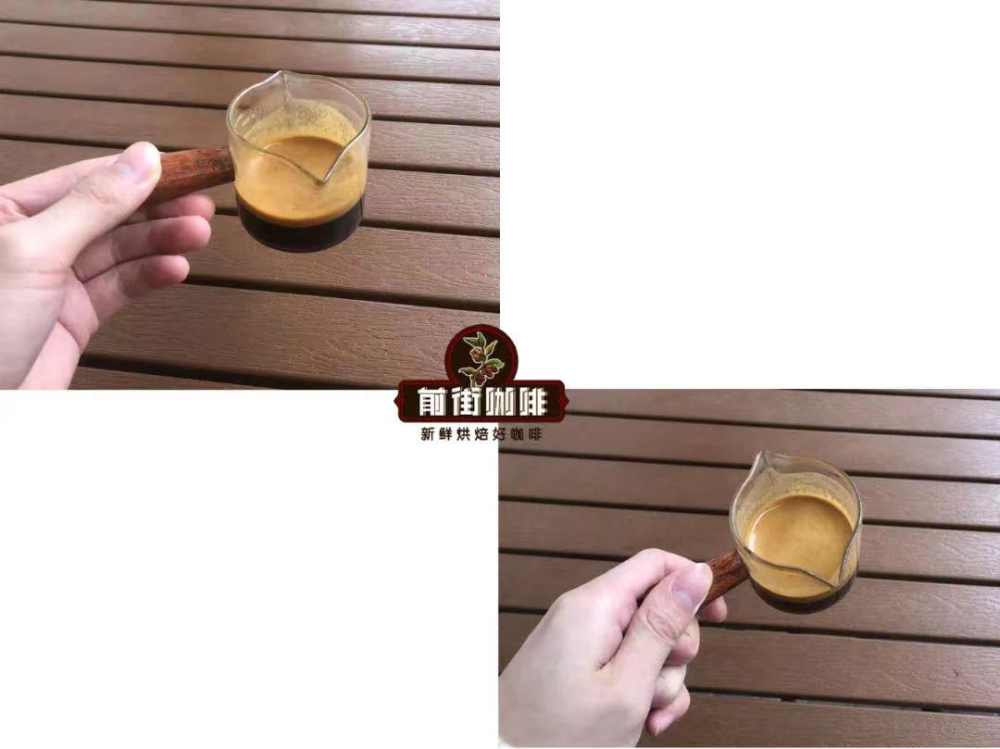
In practice, industry professionals adjust extraction parameters according to daily climate conditions to maintain flavor consistency. Typically, water temperature is set at 94°C — an ideal level determined through repeated testing to fully extract the beans’ flavors without over-extraction. Additionally, factors such as dose, grind size, extraction time, pressure, and final liquid weight all play crucial roles in shaping the flavor.
The current equipment setup includes a Galileo Q18 espresso grinder and a Lelit Bianca V3 machine, with the grind setting at 1.5. Using 19.7 grams of coffee, the extraction time is maintained between 30 to 32 seconds, yielding 38 to 40 grams of espresso. Under these parameters, the shot often highlights rich notes of chocolate, caramel, and cream, accompanied by distinct roasted nut aromas, with a long-lasting dark chocolate finish.
This flavor profile is primarily thanks to a classic espresso blend composed of beans from Brazil, Indonesia, and Vietnam, all dark roasted to deliver a full-bodied and bold taste. This blend is also well-suited for various milk-based coffee drinks, such as lattes or cappuccinos. If you’re interested in blends, it’s worth exploring their roast characteristics and best-use scenarios.
For those new to espresso, common mistakes include stopping the extraction too early or expecting to master all techniques in one try. Some stop the shot when they see the coffee turn golden, resulting in a thin, underwhelming flavor lacking depth and aftertaste. In truth, during espresso extraction, acidic and sweet compounds are mostly released in the early phase, while bitterness and body come from the middle to later stages. Therefore, controlling extraction time is crucial.

When drinking espresso, many specialty cafés serve it with a glass of ice water and a small spoon. The ice water helps cleanse the palate, removing lingering odors so your taste buds can better detect the subtle flavors of the espresso. The spoon is used to stir the coffee, redistributing any coffee grounds settled at the bottom to ensure a consistent flavor and aroma in every sip.
Additionally, if you truly can’t handle the intensity of espresso, you can pour the remaining shot into ice water to make an instant Americano — a common and practical alternative. However, if you want to truly experience the essence of espresso, it’s best to start by sipping slowly, gradually adapting to its bold yet layered flavor profile.
The above content is compiled by CoffeeHunters, a coffee news website.


