







Introduction:Want to easily make a silky cold brew latte at home that rivals those from cafés, but don’t have a professional coffee machine? This article details how to use simple tools and common ingredients to produce a refreshing, full-bodied cold brew latte through low-temperature, long-time extraction. From selecting coffee beans and pairing with milk, to grind size and steeping time, we’ll guide you step-by-step through the key techniques, and even offer a lazy version for beginners to try with ease.
Who says cold brew can only be black coffee? Today, we’re sharing an incredibly simple and delicious method that lets you make a smooth, flavorful cold brew latte—no coffee machine required. Just master a few key steps and parameters, and you can enjoy a professional-grade coffee experience. Let’s get started together right away.
The soul of a cold brew latte lies in its “full-bodied yet light” feel. Cold extraction reduces the release of bitter and astringent compounds in coffee, while allowing the volatile aromatic molecules to fully express themselves. This results in a cleaner, more layered overall flavor. Compared to high-temperature, fast extraction, low-temperature, long-time steeping better showcases the delicate side of coffee.
Milk-infused cold brew, or the milk-added version, further softens the mouthfeel. The proteins and fats in fresh milk slow down flavor release. While the overall concentration may be slightly lower than that of a machine-made latte, you gain a smoother, more palatable texture—one where the coffee blossoms layer by layer on the palate, then gently fades away for an ultimate experience.
When making cold brew latte, it’s recommended to use fresh whole milk, which has high lactose and fat content, delivering a richer, silkier taste. For coffee beans, choose single-origin beans with distinctive flavor profiles, such as Ethiopia’s Huila, Costa Rica’s Mozart, or Honduras’ sherry cask-processed beans. These beans typically have gentle acidity and a full, rounded body, making them ideal for milk-based coffee.
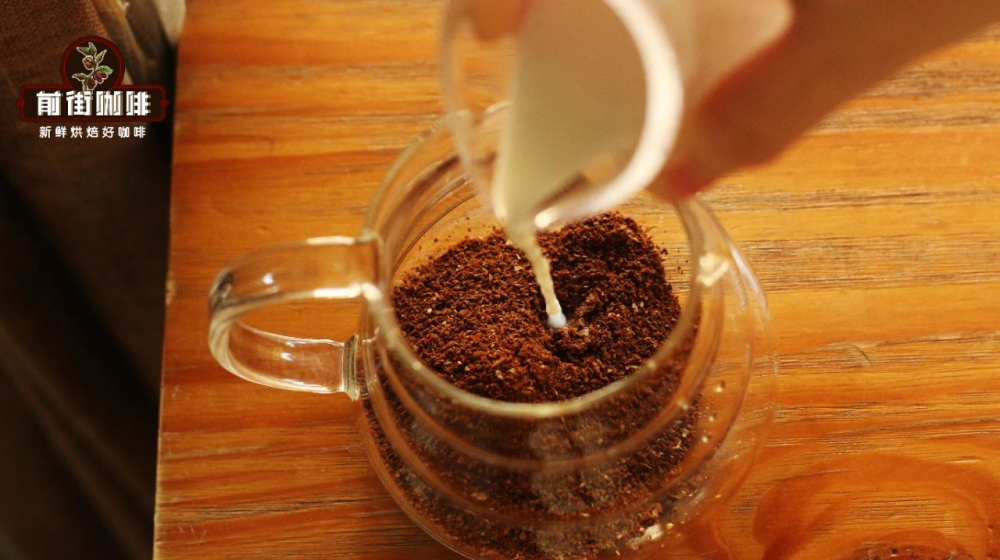
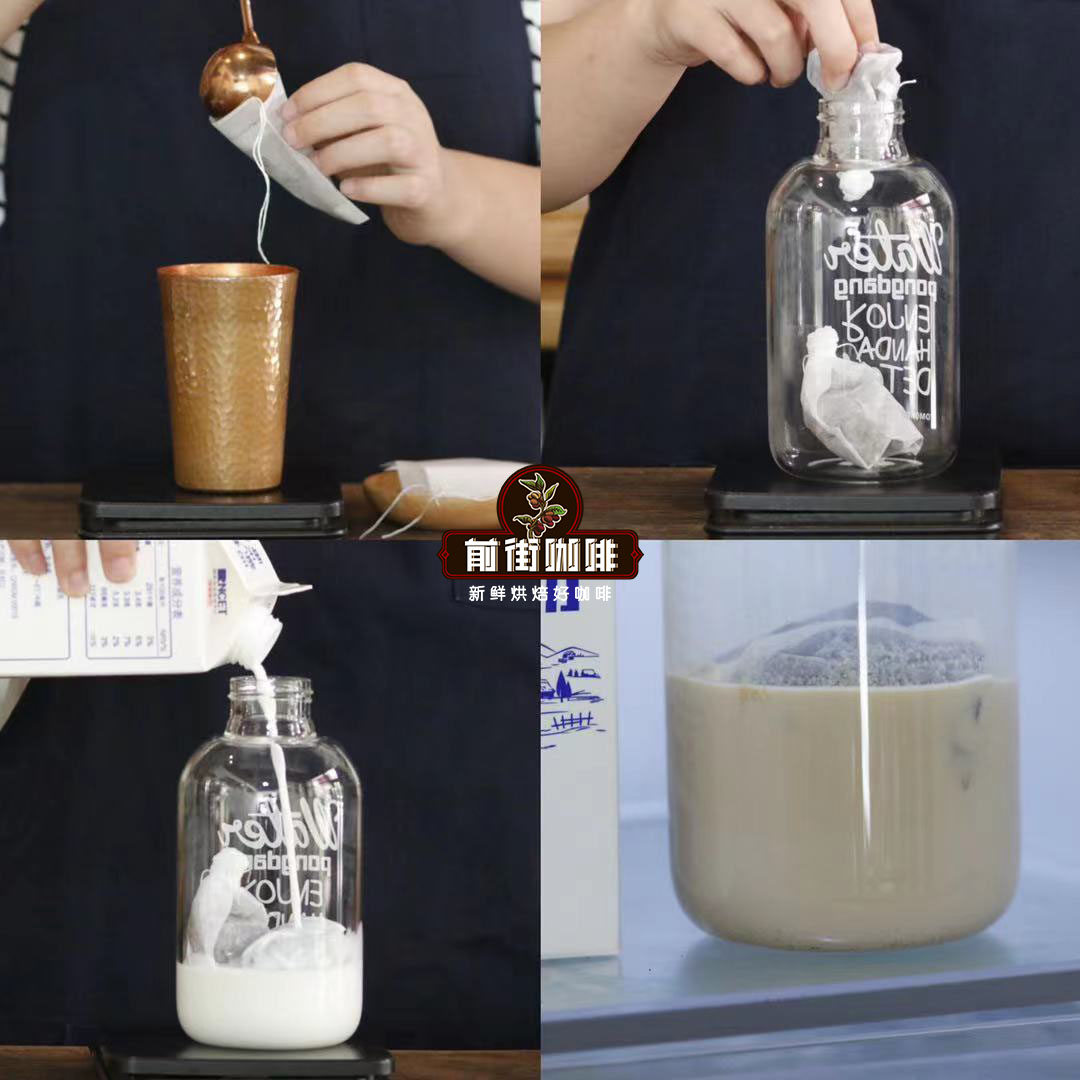
This demonstration uses Honduras sherry cask-processed coffee beans. Here’s the specific method: prepare a clean, airtight container, your preferred fresh milk, and tea bags. Use 20 grams of coffee beans ground to a medium-fine level (about 85% passing through a #20 sieve), and divide them into two tea bags, tying them securely. Place the tea bags into the container, pour in 260 grams of chilled fresh milk, gently shake to evenly saturate the coffee grounds, then refrigerate for 8 to 10 hours. After the time is up, remove the tea bags and enjoy. Note that because milk spoils easily, it’s best to consume within 12 hours after preparation.
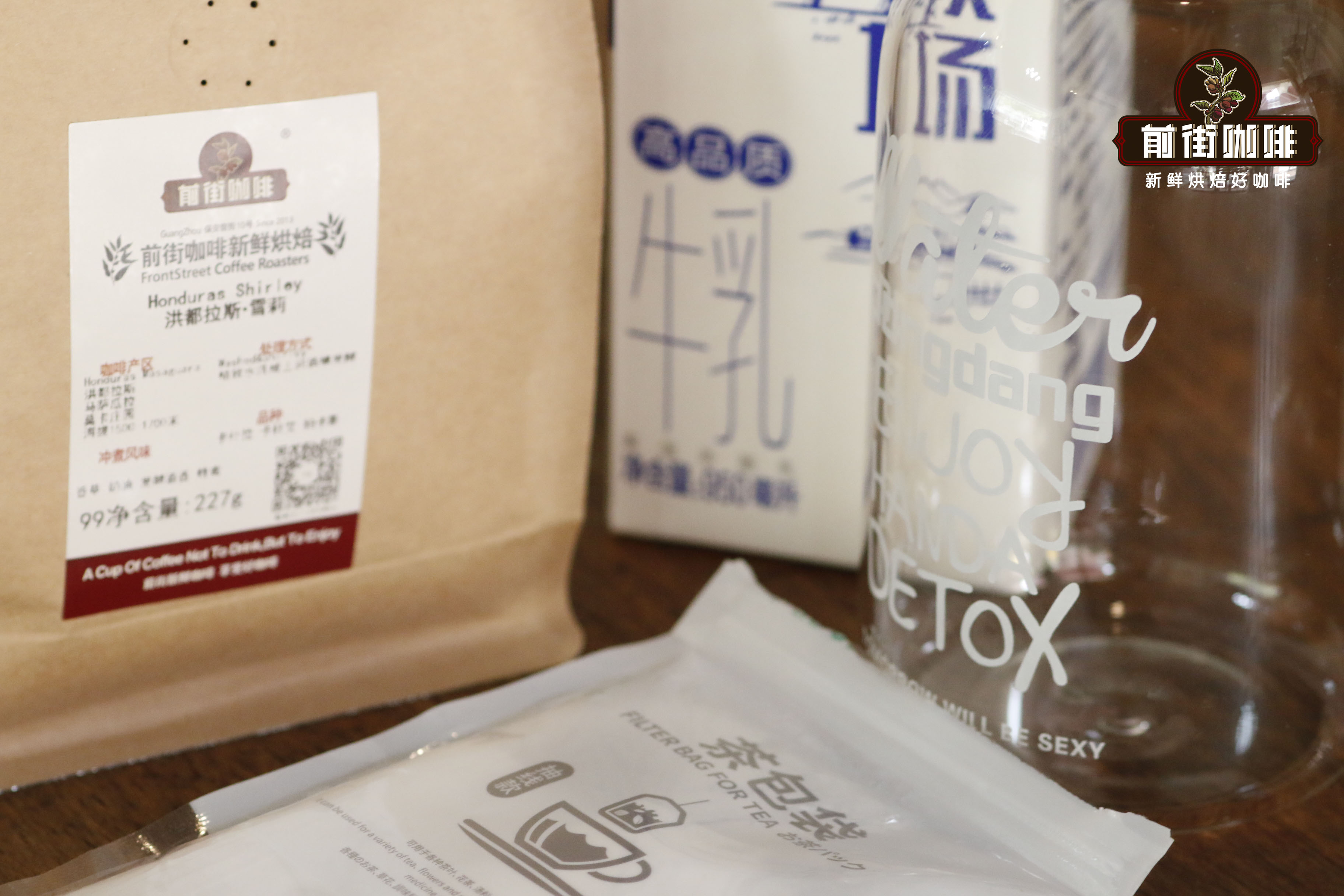
For an even simpler approach, there’s also a “lazy version”: choose commercially available small cartons of fresh milk, place an appropriate amount of coffee powder in a tea bag according to the carton’s capacity, insert the tea bag into the milk carton, seal the opening with plastic wrap, and refrigerate for extraction. This method also yields great flavor.
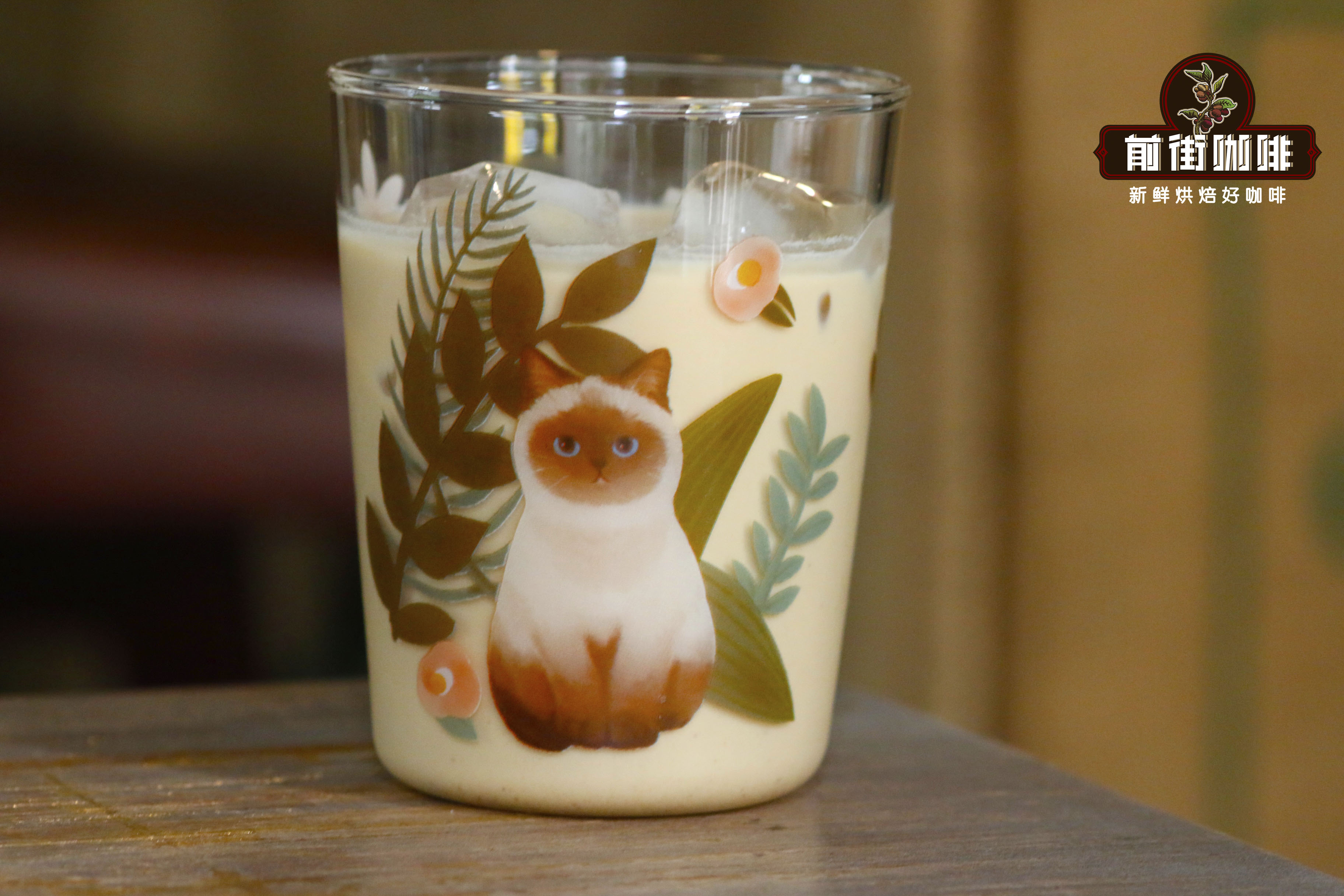
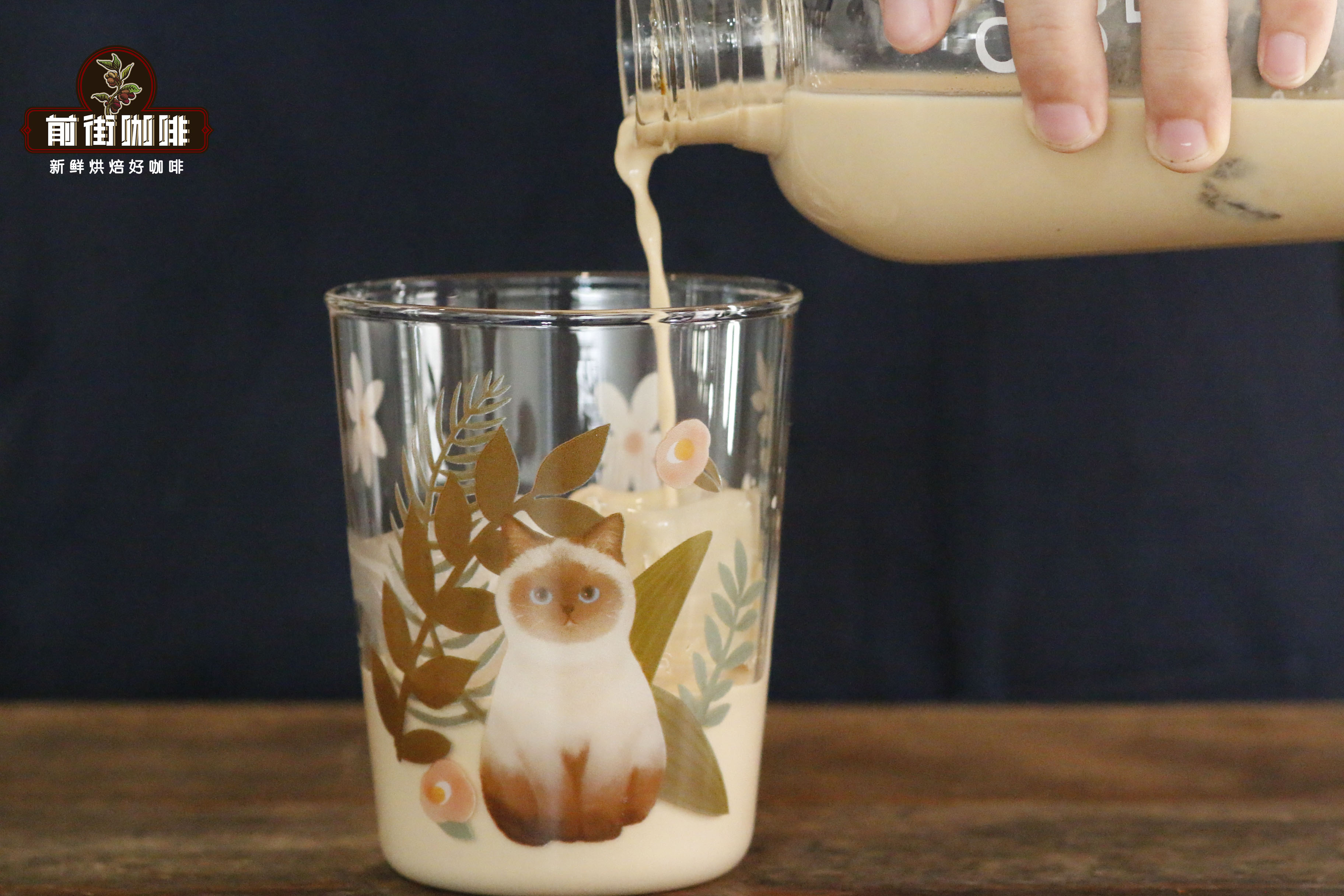
Freshly brewed cold brew latte has a rich milk-tea color, with aromas of hazelnut and roasted peanuts. Upon tasting, it’s rich, thick, and as smooth as silk. If left overnight, although the mouthfeel changes little, some aroma may diminish. Considering the shelf life of milk, it’s recommended to consume it soon after preparation to avoid affecting digestive health.
The above content is compiled by CoffeeHunters, a coffee news website.


