







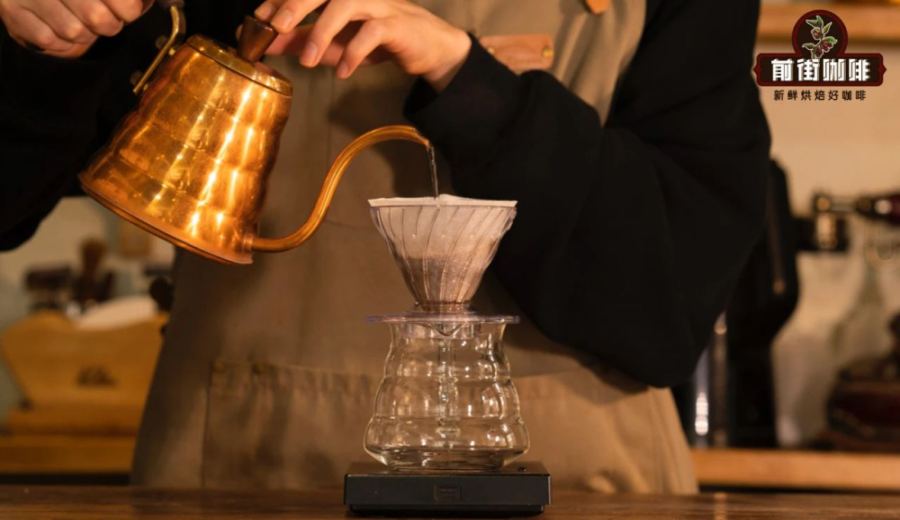
Introduction:Both ice drip coffee and cold brew coffee are methods of low-temperature coffee extraction, yet they differ significantly in brewing techniques, time duration, and flavor profiles. This article delves into the historical origins, operational principles, and flavor characteristics of ice drip coffee, while comparing them with cold brew to help readers understand their core differences, grasp the essentials of selection and tasting, and elevate their overall coffee experience.
Among the diverse methods of coffee brewing, icedrip coffee stands out for its unique preparation process and rich flavor, gradually winning the favor of coffee enthusiasts. Compared to the more common pour over method, ice drip coffee relies on condensation and natural osmosis, using prolonged low-temperature extraction to deliver a distinctly different taste sensation.
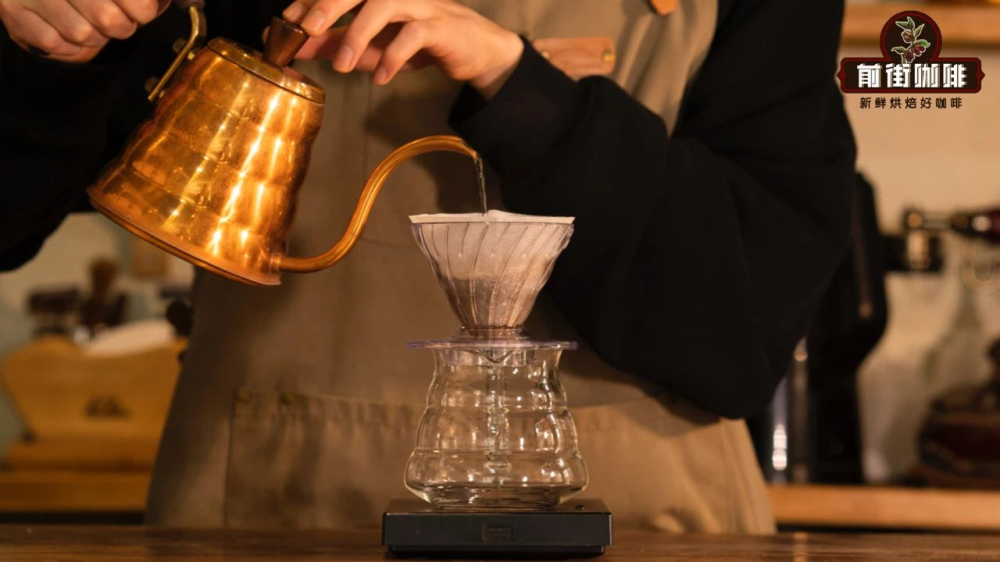
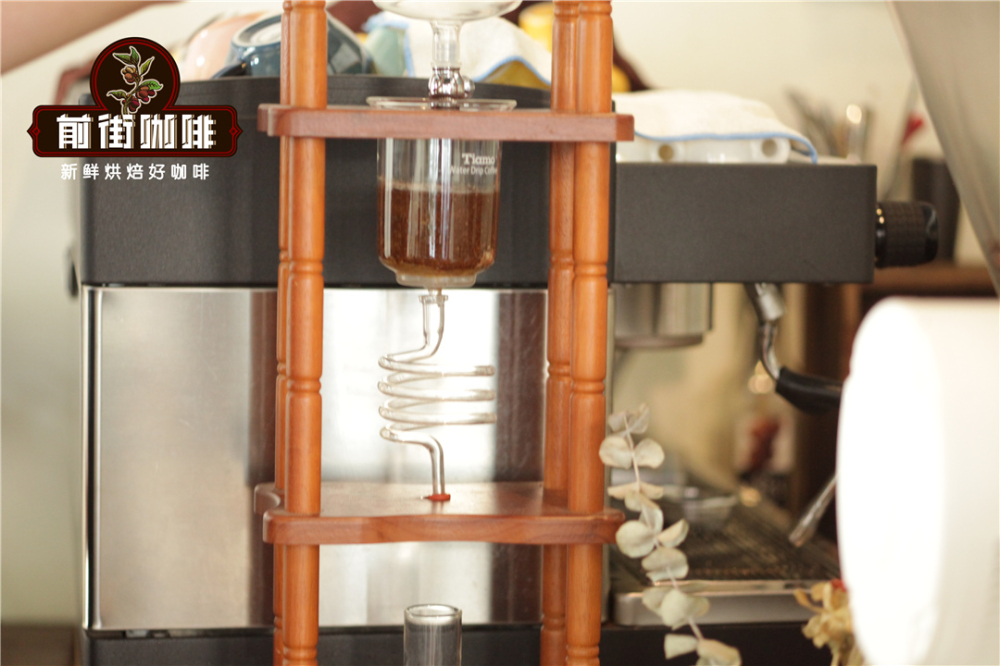
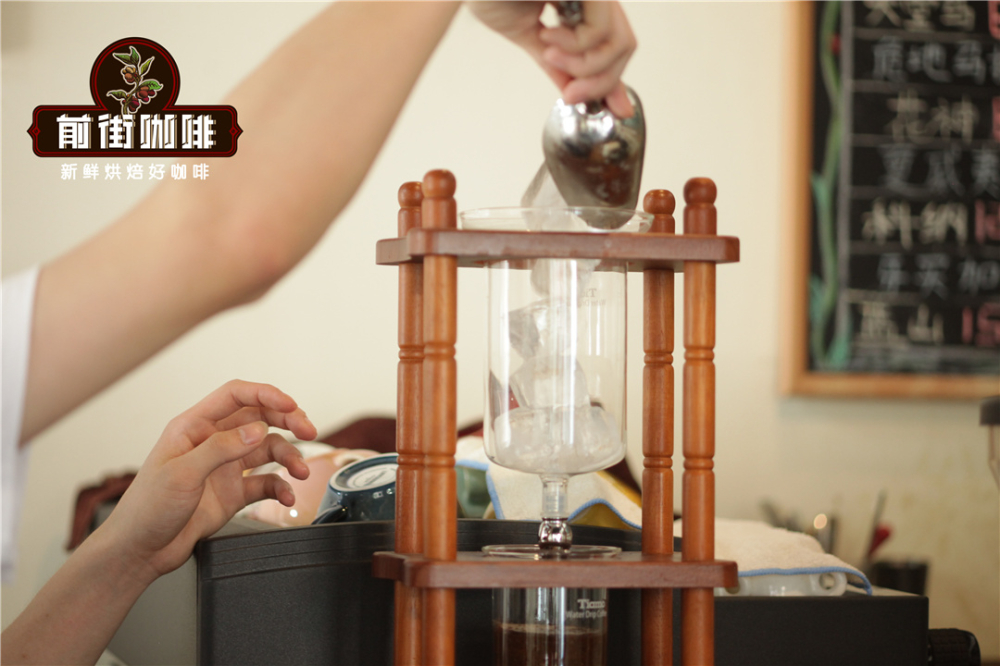
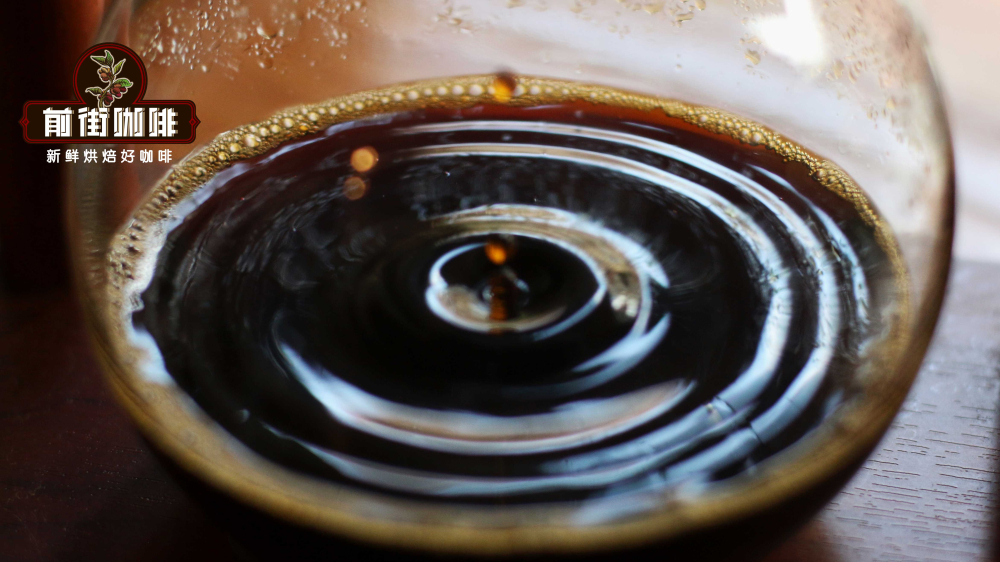
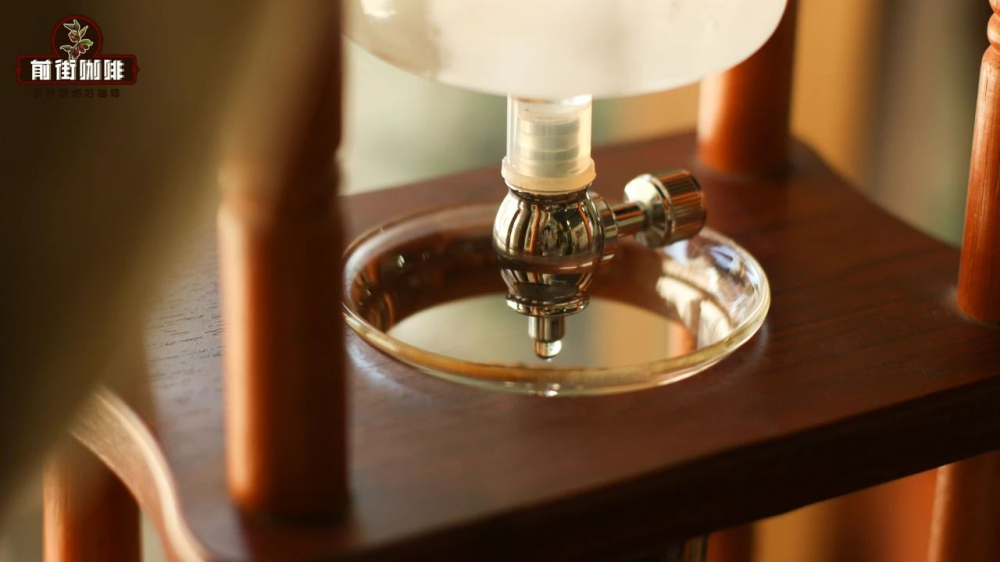
The origins of ice drip coffee can be traced back to Europe, where it evolved from an early coffee distillation device invented by the Dutch, hence also referred to as Dutch Coffee or water drip coffee. Its brewing principle involves slowly dripping ice water, using natural osmotic water pressure through condensation to allow the coffee grounds to remain in prolonged contact with water, typically for about 5 to 8 hours, sometimes even exceeding 12 hours. Throughout this process, the flavor compounds in the coffee are gradually released, especially the undesirable impurities that tend to be extracted at high temperatures, which are effectively suppressed in a low-temperature environment—resulting in a cleaner, brighter cup profile.
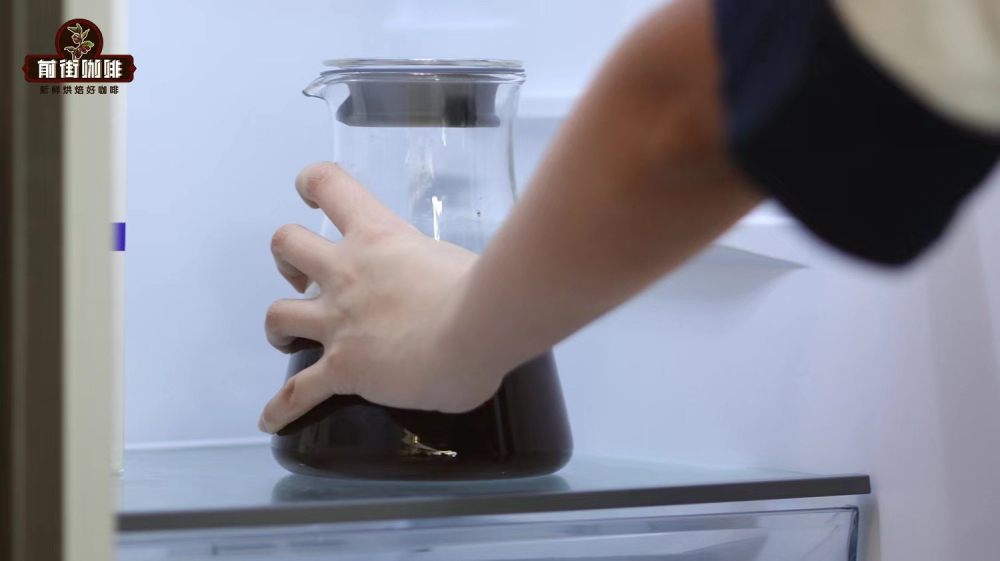
Notably, after the extraction is complete, if the ice drip coffee is placed in a sealed container and refrigerated for 12 to 24 hours, the buildup of carbon dioxide inside the bottle will generate pressure, prompting further release of flavor molecules, thereby enriching the overall mouthfeel. This resting period is considered a “secondary fermentation,” which can impart a subtle fermented aroma to the coffee, adding more body to the taste. However, it is recommended to consume the coffee within 72 hours to ensure optimal flavor and hygiene safety.
Additionally, because ice drip coffee is not extracted at high temperatures, it greatly reduces stomach irritation, making it suitable for those with sensitive stomachs who still wish to enjoy the flavors of coffee. Compared to regular hot-brewed coffee, its caffeine release is relatively mild, and the content of stimulating substances is lower, making it a healthy choice for many coffee lovers.
In contrast to ice drip coffee, cold brew coffee is another prominent representative of low-temperature extraction, but it differs markedly in preparation method and flavor characteristics. Cold brew usually employs room temperature or slightly cooler cold water (around 20–22°C), steeping the coffee grounds in cold water for as long as 12 to 48 hours, belonging to a static immersion extraction method. Due to the low water temperature, fewer acidic compounds are extracted from the coffee, resulting in noticeably lower acidity, a smoother mouthfeel, but with greater difficulty in extracting larger molecular flavor notes such as smoky or roasted aromas.
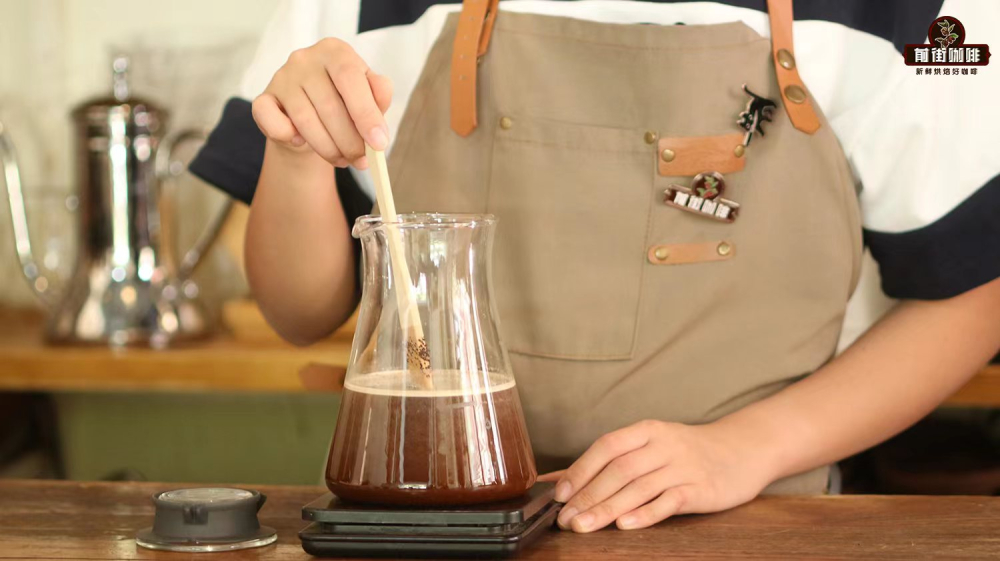
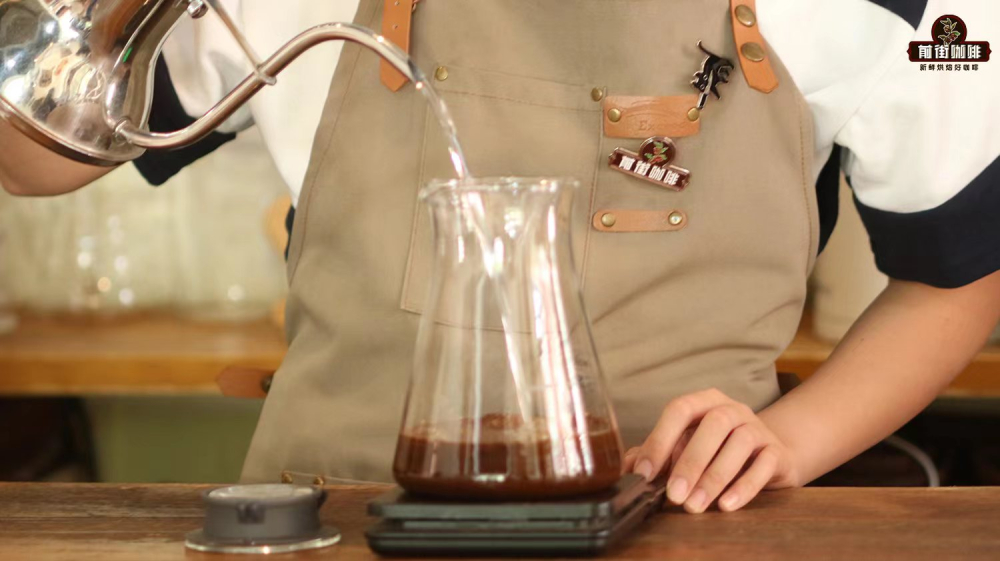
The core differences between ice drip coffee and cold brew coffee can be summarized in three aspects: First, in brewing methodology—cold brew is a static immersion method, where coffee grounds are mixed with cold water and left to steep; whereas ice drip is a percolation method, where cold water slowly drips through gravity, passing through the coffee grounds and filter paper to gradually extract flavors. Second, in flavor expression, cold brew coffee typically has a rich, mellow, and robust mouthfeel, similar to the flavor structure of espresso, and tends to retain fine sediments; ice drip coffee offers a refreshing, layered profile with a more tea-like quality, fully releasing floral and fruity notes, with relatively gentler bitterness and acidity. Lastly, in terms of equipment requirements, cold brew has minimal demands, needing only a container and filtration material; ice drip, however, requires a specialized ice drip kettle to control drip rate and extraction stability.
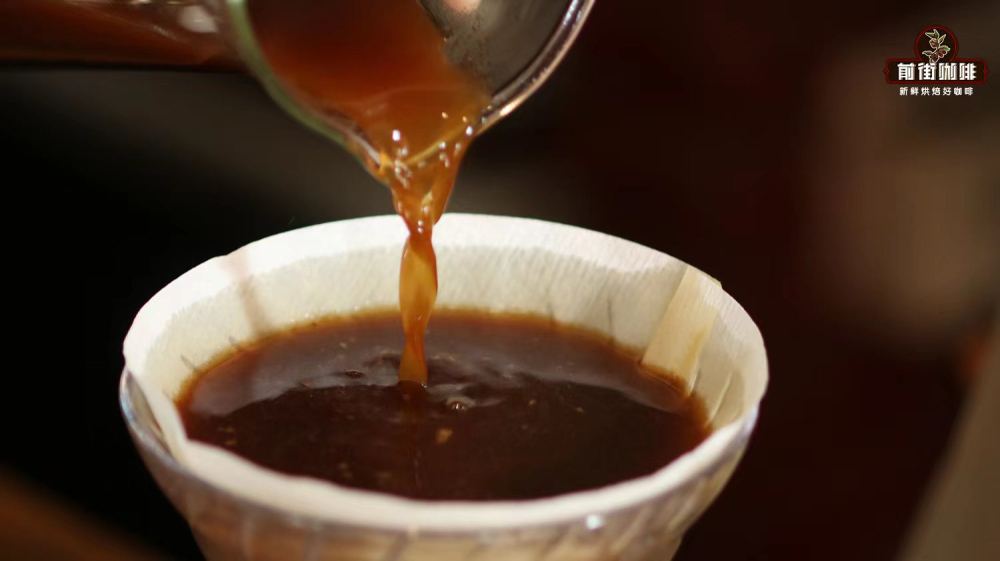
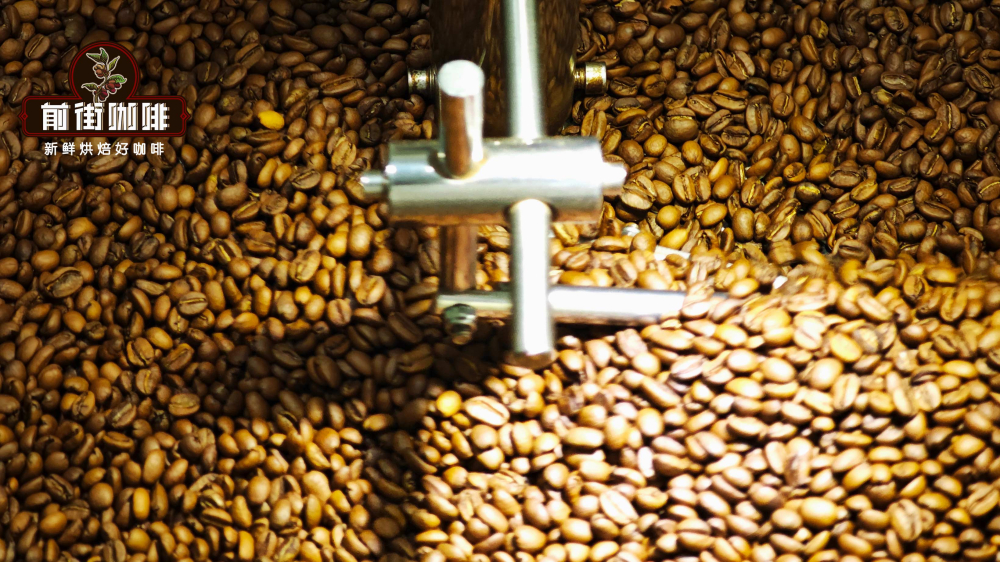
For beginners, choosing between ice drip or cold brew can depend on personal taste preferences. If you prefer a refreshing, layered cup with floral and fruity notes, ice drip is a great option; if you lean toward a rich, bold, and smooth mouthfeel, cold brew is more suitable. Additionally, regardless of the method chosen, it’s recommended to use freshly roasted coffee beans to fully showcase the coffee’s potential flavors. Generally, coffee beans roasted within 5 days offer the best flavor, with an ideal resting—or “aging”—period of about 4 to 7 days, during which the beans are in their prime for flavor release.
In summary, both ice drip coffee and cold brew coffee have their own distinctive features, whether in terms of brewing principles, flavor profiles, or suitability for different individuals. A deeper understanding of their differences helps coffee enthusiasts choose the low-temperature coffee experience that best fits their taste and needs, exploring the limitless possibilities of coffee.
The above content is compiled by CoffeeHunters, a coffee news website.


