







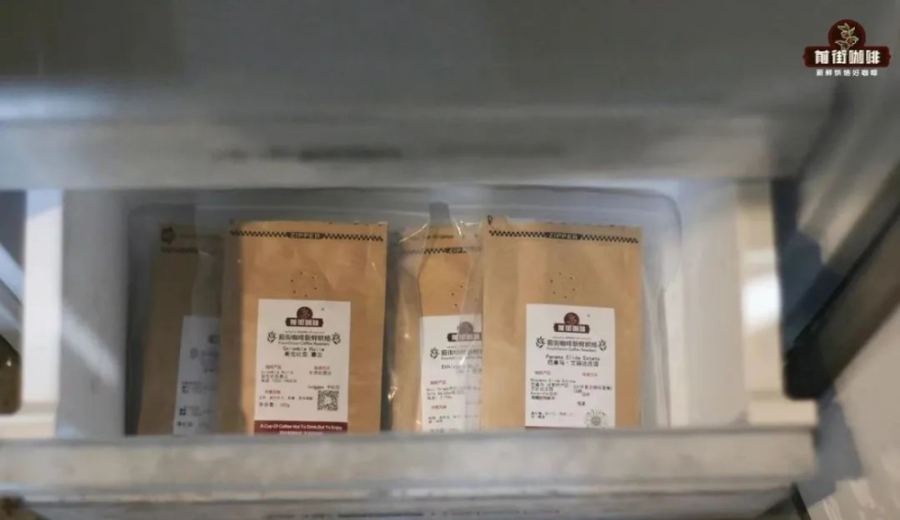
Introduction:Got too many coffee beans at home and not sure how to store them? Is it better to keep them in the fridge or freezer? In fact, the key is not just about preventing spoilage, but preserving the captivating aroma and flavor of the coffee. This article delves into the five major enemies that affect coffee freshness and explores the pros and cons of refrigeration and freezing from a professional perspective, helping you find the coffee storage method that best suits your habits—so every cup remains at its best.
Bought too many coffee beans but can’t finish them—will putting them in the fridge really extend their shelf life? This is a common question among many coffee enthusiasts. However, so-called “freshness” isn’t simply about avoiding spoilage; it’s about preserving those aromatic compounds that easily evaporate over time. Starting from everyday storage concerns, this article will guide you through the main factors influencing coffee flavor, carefully analyze the advantages and disadvantages of refrigeration and freezing, and offer a practical and effective strategy to keep your coffee fresh.
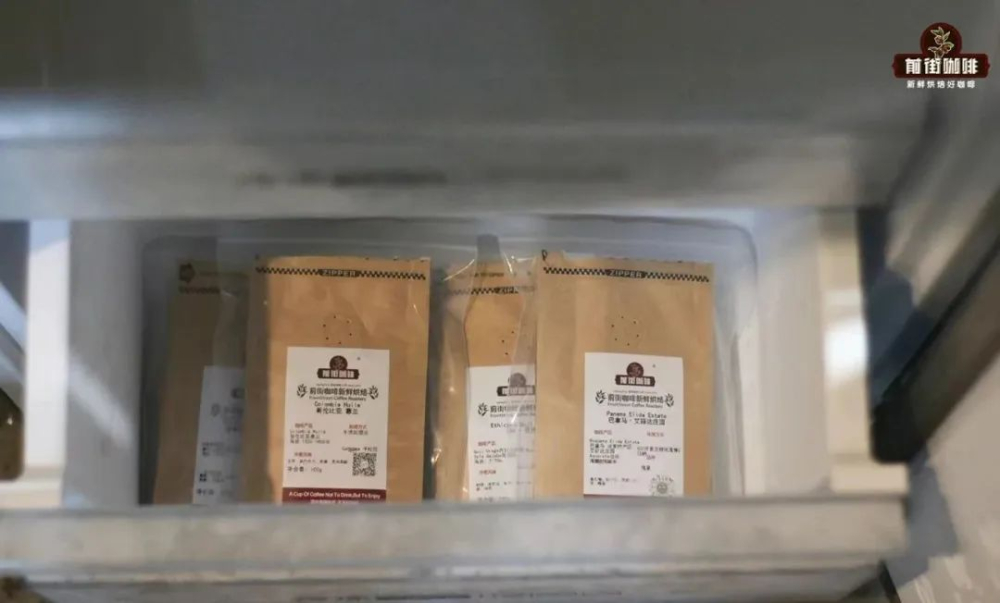
A consumer purchased a large quantity of coffee beans before a holiday, only to receive several more gift packs from a friend returning from abroad—resulting in more beans than could be consumed in the short term. This led to three questions: Can coffee beans be stored in the fridge? Should they go in the refrigerator or the freezer? And how should they be stored properly? These questions actually reflect the shared concerns of many coffee drinkers. To properly preserve coffee, the first step is to clarify what “freshness” really means, understand why coffee aromas diminish, and thereby avoid incorrect storage methods to find a storage solution that truly suits you.
The so-called “best-by period” refers to the peak window during which a coffee’s aroma and flavor are at their best. Although most commercially available coffee packaging displays a “best before” date, for true coffee aficionados, what matters more is whether the aroma remains rich. After roasting, coffee beans are filled with carbon dioxide and volatile aromatic compounds, which are also one of the key indicators of their freshness. For example, during the pour over process, freshly roasted beans will release abundant bubbles during the blooming stage, allowing water to flow through smoothly and aiding in controlling the extraction pace; when making espresso, fresh coffee usually forms a beautiful golden crema and releases multi-layered aromatic notes.
Research shows that under ideal storage conditions, these precious aromatic compounds typically begin to diminish gradually 40 to 50 days after roasting. Therefore, if you want to extend the optimal enjoyment period of your coffee, it is essential to protect it from the following five main factors during this time frame: strong light, high temperature, moisture, oxygen, and environmental odors.
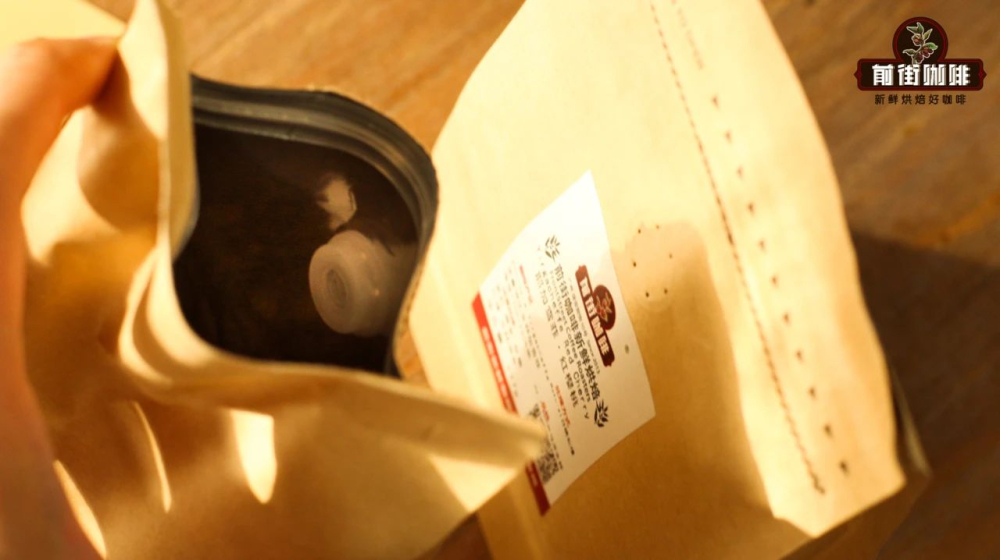
Before the coffee bean packaging is opened, high temperatures and light are the two main culprits behind rapid aroma loss. Therefore, it is advisable to store them in locations away from direct sunlight and heat sources, such as the back of a cabinet or a cool storage shelf. Once the package is opened, the situation becomes more complicated, as the coffee beans come into direct contact with air—making it easier for moisture, oxygen, and various environmental odors to seep in, causing the beans to absorb moisture, oxidize, or even develop off-flavors. This problem becomes even more pronounced when the packaging is frequently opened, ultimately affecting the flavor of the brewed coffee.
To effectively extend the enjoyment period of your coffee beans, it is recommended to store opened coffee beans in a sealed, cool, dry, and dark environment, and to minimize the number of times you open the bag. These measures are specifically designed to counteract the above-mentioned five “aroma killers.” By maintaining a good storage environment, you can keep your coffee beans flavorful for a longer period.
So, can low-temperature storage also help coffee beans stay fresh? According to an experiment by Swiss scientist SAMO SMRKE, freezing can reduce the rate at which gases escape from inside coffee beans by up to 12.5 times, which means the outward diffusion rate of aromatic substances is also significantly slowed down. Therefore, theoretically, freezing does help delay the timeline of aroma loss in coffee.
For example, if you hope that coffee beans roasted will still maintain a certain level of flavor performance three or four months later, freezing is a relatively safe option. But keep in mind that even in a low-temperature environment, it can only slow down the rate of aroma loss, not completely prevent it. Moreover, if not handled properly—for instance, if the package isn’t well-sealed—it may lead to the beans becoming damp, absorbing odors from the fridge, or even being affected by frost, which can compromise quality and ruin your preservation plan.
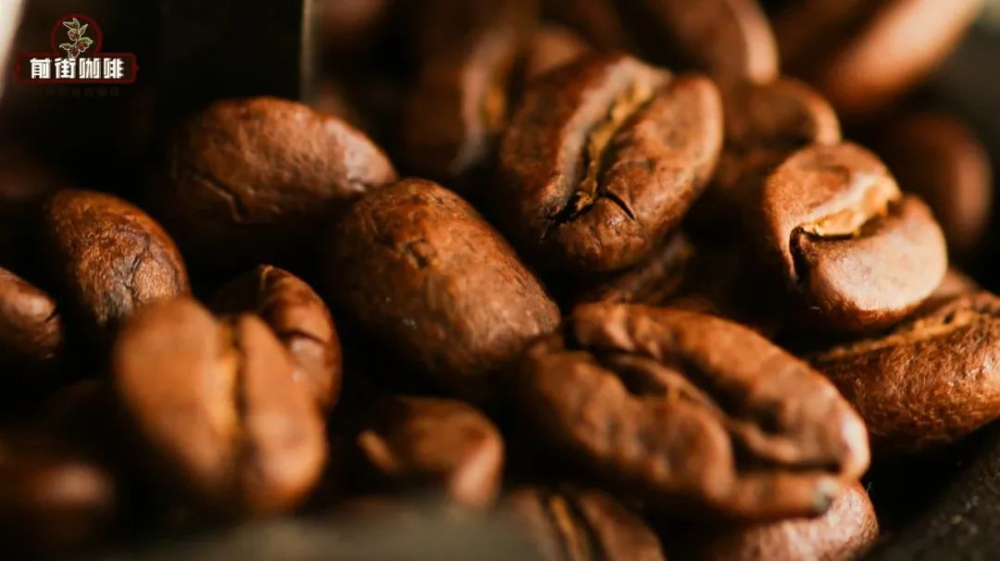
As for refrigeration, what are the key points to note? First, the airtightness of the packaging is crucial. To prevent the coffee beans from mixing with the odors of other foods in the fridge, it is recommended to use a sealed bag or vacuum seal before placing them in the refrigerator or freezer, ensuring they are isolated from air and moisture. Second, when you need to use them, never open the package immediately. Instead, take out the whole pack and let it thaw at room temperature to avoid condensation causing the beans to get damp. Lastly, once the coffee beans have been thawed, it is not recommended to put them back in the refrigerator, as repeated temperature changes will accelerate flavor deterioration. If you can’t use the whole pack at once, it’s best to pre-portion them into smaller amounts and store them in separate vacuum-sealed packages, making them convenient to access while maintaining optimal quality.
The above content is compiled by CoffeeHunters, a coffee news website.


