








Introduction:As the purest form of coffee, black coffee showcases the most authentic aroma and flavors of the beans, but it can also be easily affected in taste due to quality or brewing methods. This article delves into the definition and pros and cons of black coffee, compares the brewing differences between pour over and Americano, and provides practical coffee bean recommendations and brewing parameters to help coffee beginners find the option that suits their preferred flavor profile.
Black coffee refers to pure coffee without the addition of sugar, milk, or other flavorings, allowing the original aroma and layered flavors of the coffee beans to be fully presented. However, if the coffee beans are of poor quality or there are issues during the roasting or brewing process, it can easily result in a noticeable bitter or astringent taste, affecting the overall drinking experience.
Common café offerings such as Americano, pour over coffee, and cold drip coffee may have different names, but they all fall under the category of black coffee, with the main difference being their respective brewing methods. Among them, pour over coffee is made by dripping through a paper filter, resulting in a relatively refreshing taste and moderate concentration, making it a popular choice for many coffee beginners.

The so-called black coffee is a beverage made solely from coffee beans and water, without adding any flavoring ingredients. This method of consumption allows drinkers to directly experience the original characteristics of the coffee beans, whether it's the aroma, acidity, or sweetness, which can be perceived more clearly.
The advantage of black coffee lies in its ability to fully showcase the unique flavors of the coffee beans, especially high-quality beans, which often possess complex and captivating layers of aroma. However, if lower-quality beans are used, or if there are mistakes in roasting, grinding, or water temperature control, black coffee can become overly bitter or even unpleasant to drink.
Common black coffee brewing methods include pour over, Americano (usually made by diluting espresso with water), and cold drip, with the main differences lying in the brewing techniques and equipment used. Pour over coffee typically uses a filter cone and paper filters, where ground coffee is steeped and dripped through with hot water, emphasizing precise control over water temperature, grind size, coffee-to-water ratio, and brewing time.
Taking the common pour over method as an example, baristas usually use medium-fine ground coffee, paired with hot water at around 90–93°C, and adjust the coffee-to-water ratio based on beans from different regions, commonly ranging from 1:15 to 1:16. The pour over process involves a 30-second bloom period first, followed by extraction through center-out circular pouring or pulse pouring, with the entire process taking about 2–3 minutes.
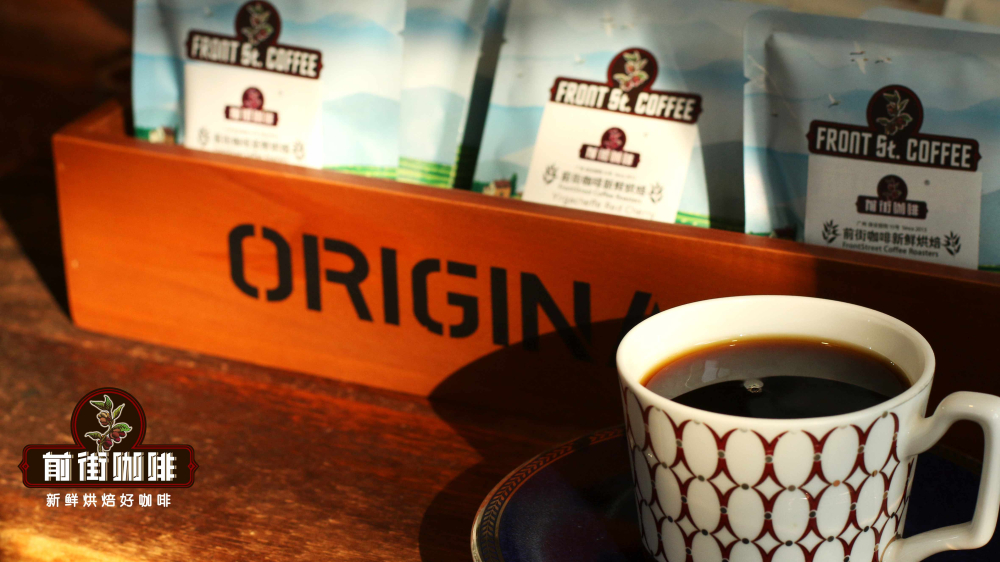
A medium-light roasted bean offering from a certain coffee brand, “Fruit Dingding Cooperative,” comes from Ethiopia’s Yirgacheffe region and is processed using the washed method. It is recommended to use a 1:15 coffee-to-water ratio, medium-fine grind, and 91°C hot water for pour over, which highlights bright citrus acidity, soft floral notes, honey-like sweetness, and a refreshing green tea aftertaste—suitable for those who enjoy sweet and acidic flavors.
Another medium-dark roasted option, “Queen’s Manor,” is a semi-washed bean from Brazil, typically offering aromas of roasted nuts and peanut buttery cream, with a rich and smooth mouthfeel and a sweet taste reminiscent of brown sugar. It is recommended to use a medium-coarse grind, 88°C hot water, and a 1:15 coffee-to-water ratio, making it ideal for consumers who prefer a bold and intense flavor.
Compared to Americano, which often uses dark roasted beans and is brewed under high pressure, pour over relies on natural gravity filtration, resulting in a cleaner taste and overall lower concentration, making it very suitable for those just starting to explore coffee. If you prefer distinctly sweet and acidic flavors, you can choose medium-light roasted African beans, such as Ethiopia’s Huika or Kenya’s Little Tomato; if you enjoy coffee with rich sweetness, medium-roasted beans from Central and South America, such as Panama’s Geisha or Costa Rica’s honey-processed beans, are recommended; for those seeking a bold and full-bodied taste, medium-dark roasted Asian beans such as Indonesia’s Mandheling or Yunnan’s small-grain coffee are excellent choices.
The above content is compiled by CoffeeHunters, a coffee news website.


