








Introduction:On hot summer days, iced coffee becomes the go-to choice for many coffee enthusiasts. Which is best for you—iced drip coffee, cold brew, or iced pour over? This article will take an in-depth look at the brewing principles, flavor differences, and recommended coffee bean types for these three low-temperature extraction methods. It also provides detailed brewing parameters and practical tips to help you easily master the art of brewing summer iced coffee.
As summer temperatures rise, sipping on a refreshing iced coffee not only cools you down but also offers a unique flavor experience. Iced drip coffee, cold brew, and iced pour over are all representatives of low-temperature extraction, yet they differ greatly in flavor, mouthfeel, and brewing method. Understanding their distinctions can help you choose your favorite summer coffee based on personal taste.
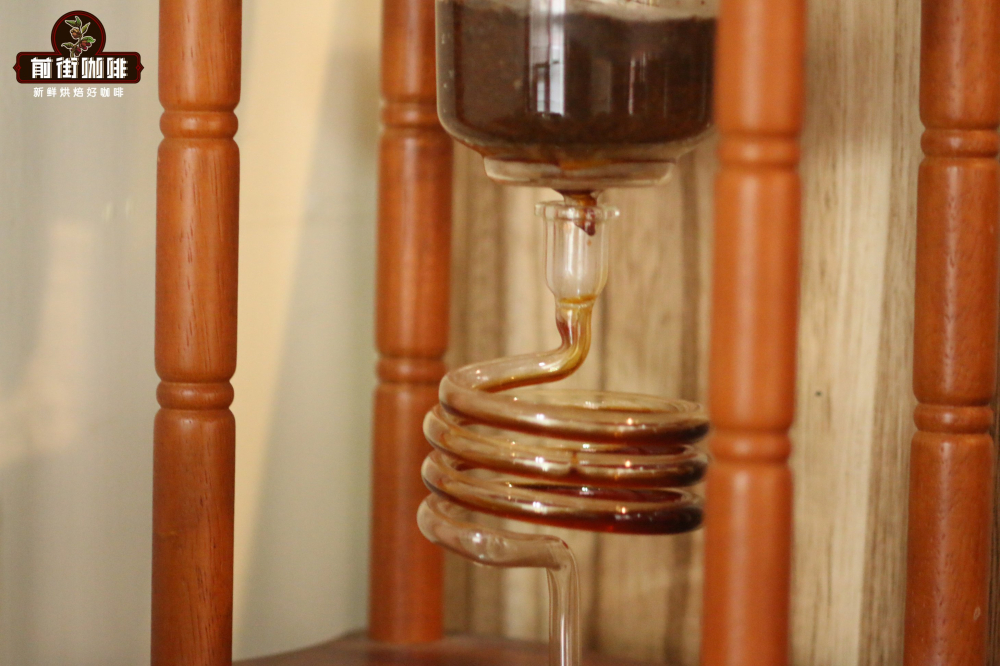
Iced Drip Coffee, also known as Dutch Coffee, originated during the Dutch colonial period in Indonesia. Legend has it that, in order to enjoy the bold flavors of Robusta coffee in the tropical climate, locals invented a method of slowly dripping cold water through coffee grounds. This slow extraction process, which typically takes 6 to 8 hours, involves ice water gradually seeping through the coffee grounds. Only acidic and sweet compounds are released, while bitter and impure substances are less likely to dissolve, resulting in a uniquely clean and mellow taste.

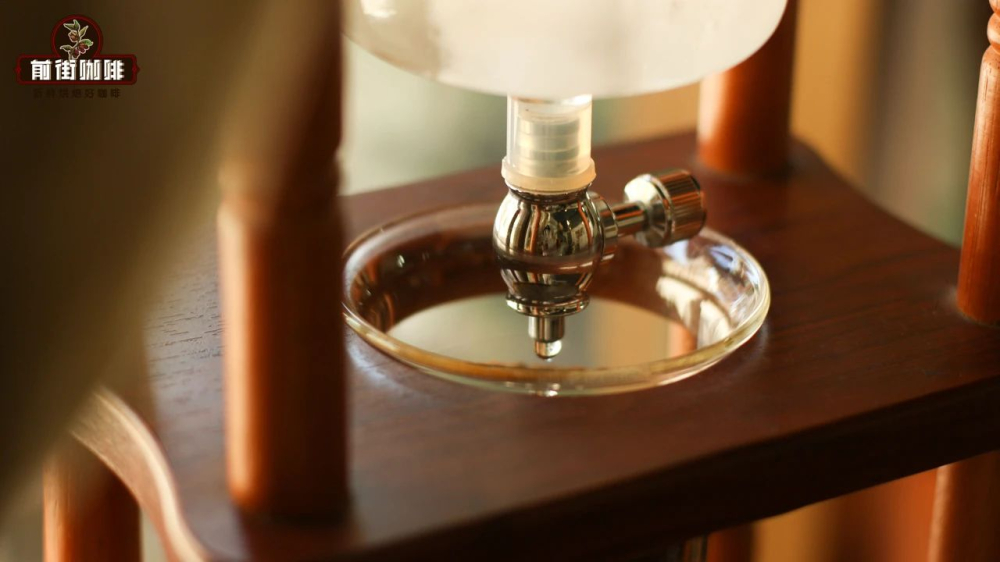
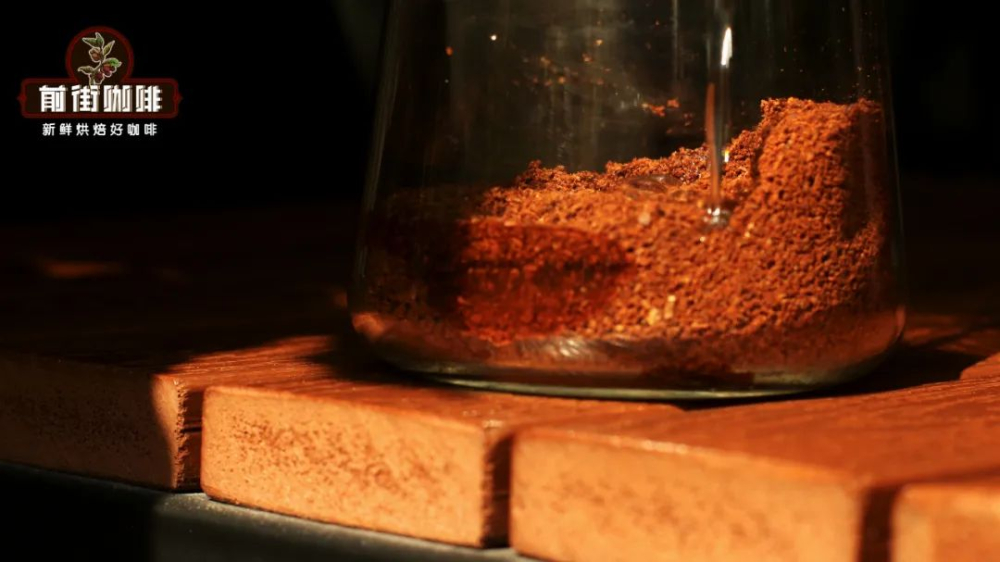
The typical brewing ratio for iced drip coffee is 1:10 (coffee grounds : water). For example, using 60 grams of medium-fine ground coffee (similar to 75% passing rate through a Chinese No. 20 sieve), paired with 600 grams of ice water mixture. Before starting the extraction, place a round filter paper at the bottom of the coffee chamber, gently tap the coffee grounds to level the surface, then cover with another layer of filter paper. This helps the water permeate evenly and prevents the coffee bed from collapsing. Additionally, pre-wetting the coffee grounds with ice water, similar to the blooming step in pour over, can improve overall extraction efficiency and flavor consistency.

During extraction, it is recommended to control the dripping rate at6 drops per 10 seconds. Too fast or too slow may affect the final flavor. Due to the slow dripping speed, impurities in the water can easily clog the outlet during the process, so it is advised to use filtered, pure ice water. After extraction, it is recommended to pour the coffee liquid into a completely dry, oil-free, and moisture-free sealed bottle, and let it sit in the refrigerator overnight to allow the flavor molecules to further meld and release.
In comparison,Cold Brew Coffeeis much simpler to make, requiring no complicated equipment. Simply mix coffee grounds with cold water (or room temperature water) at a 1:10 ratio, place it in a sealed container, refrigerate for 8 to 12 hours, and then filter before drinking. This method is a full immersion extraction, which can more fully preserve the sweetness and fruity notes of the coffee, often resulting in a smoother, lower-acid taste with a relatively higher caffeine content, making it quite energizing.
When making cold brew, it is also recommended to use medium-fine ground coffee, and filter out the coffee grounds after extraction using filter paper or cloth. If you prefer a crisper taste, you can add 1 to 2 ice cubes before drinking to slightly dilute it. Although cold brew can be consumed immediately after preparation, it is recommended to refrigerate it for another 3 to 4 hours to help stabilize the flavors and enhance subtle details, similar to a secondary aging process.
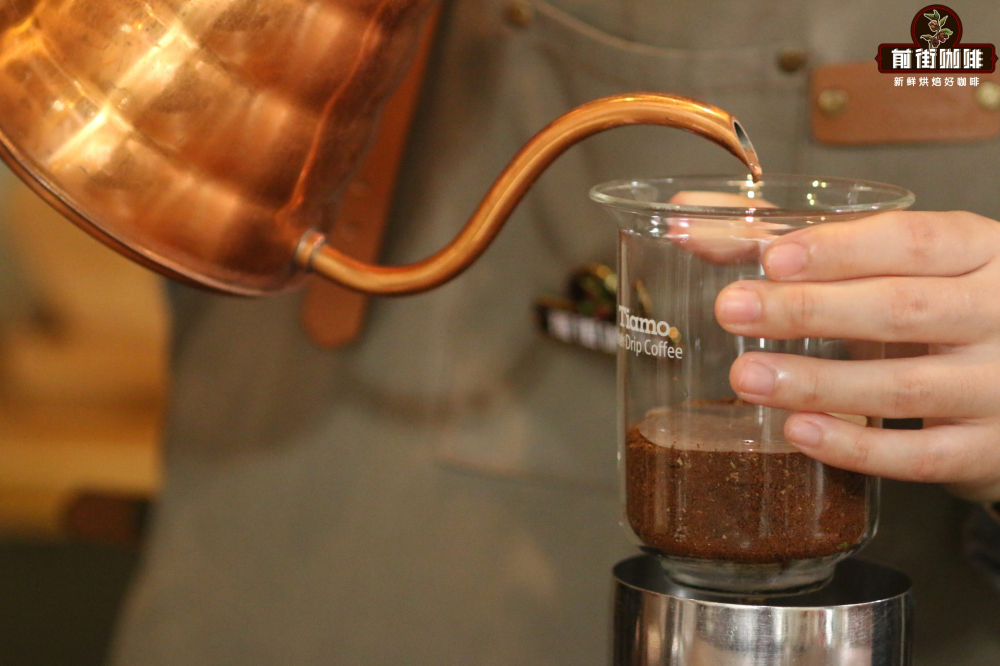
Many people wonder, what exactly are the differences between iced drip coffee, cold brew, and iced pour over? Simply put,iced drip relies on cold water dripping drop by drop for extraction, taking the longest time and producing the most delicate flavors; cold brew involves steeping coffee grounds in cold water for an extended period, making it the simplest to prepare with the smoothest mouthfeel; while iced pour over is brewed using cold water via the pour over method, with speed and flavor falling somewhere in between. All three methods emphasize a low-temperature environment, which reduces the release of bitterness and impurities, highlighting the fruit acids and sweetness of the coffee.
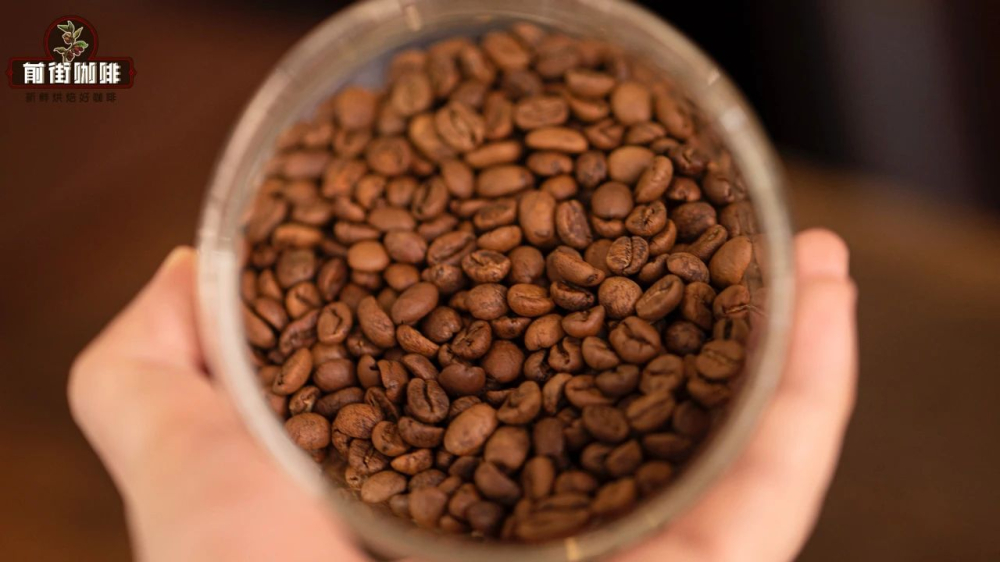
As for the types of coffee beans suitable for making iced drip and cold brew, it is recommended to choosebeans with prominent acidity, medium-light roast, or special processing methods, such as those with flavors of wine, citrus, berries, or flowers. These types of coffee beans complement the low-temperature extraction methods, showcasing richer layers and a refreshing taste. Common recommendations include beans with fermented wine-like aromas and nutty tones, those with citrus and honey notes, as well as specialty beans with berry and floral nuances.
Whether it’s iced drip or cold brew, proper storage after preparation is crucial. It is recommended to store the coffee liquid in asealed, clean container free of oil and moisture, and keep it refrigerated. Generally,it is best to consume it within five days of preparation, to avoid flavor degradation or bacterial growth caused by prolonged refrigeration. In addition, try to minimize air exposure each time you dispense the coffee to prevent oxidation and aroma loss.
In summary, iced drip coffee requires patience and precise operation of equipment, making it ideal for coffee enthusiasts who enjoy challenges and savoring fine details; cold brew is popular for its simplicity, smooth and sweet flavors, and is the top choice for homemade iced coffee in the summer; while iced pour over is suited for those who love the experience of pour over brewing but also want a cool and refreshing taste. Choose the iced coffee method that best fits your personal taste and brewing conditions, and enjoy a cool and flavorful summer!




The above content is compiled by CoffeeHunters, a coffee news website.


