








Introduction:Ethiopia is hailed as the birthplace of coffee, renowned worldwide for its distinctive floral and fruity aromas and vibrant acidity. This article begins with the ancient legend of the shepherd who discovered coffee, then delves into Ethiopia’s nine major coffee-growing regions, traditional coffee ceremonies, garden cultivation characteristics, and explains in detail the differences in processing techniques and flavor profiles between washed and natural methods. It also provides practical pour over parameters and beginner-friendly bean recommendations to give you a comprehensive understanding of the allure of this African coffee kingdom.
In Ethiopia, coffee is not just a daily beverage but also a deeply rooted cultural ritual central to family and social life. From the touching legend of the shepherd Kaldi discovering coffee cherries to today’s world-renowned regions such as Yirgacheffe, Sidamo, and Harrar, Ethiopian coffee captivates countless coffee enthusiasts with its rich floral notes, bright citrus acidity, and clean taste. This article will take you on an in-depth exploration of the unique charm of this coffee homeland, covering its historical origins, traditional customs, regional distribution, processing technologies, and actual flavor expressions.

Ethiopian coffee culture is closely intertwined with daily life. Regardless of wealth, holding a coffee ceremony is an indispensable part of social and family life, especially during gatherings with relatives and friends, where it is savored through a solemn ritual. Legend has it that a highland shepherd named Kaldi noticed his goats became unusually excited after eating certain wild red berries. Upon trying them himself, he felt invigorated and shared his discovery with the villagers. Though not entirely verified, this tale laid the groundwork for coffee’s journey from Ethiopia to the Arabian Peninsula and eventually to global prominence.
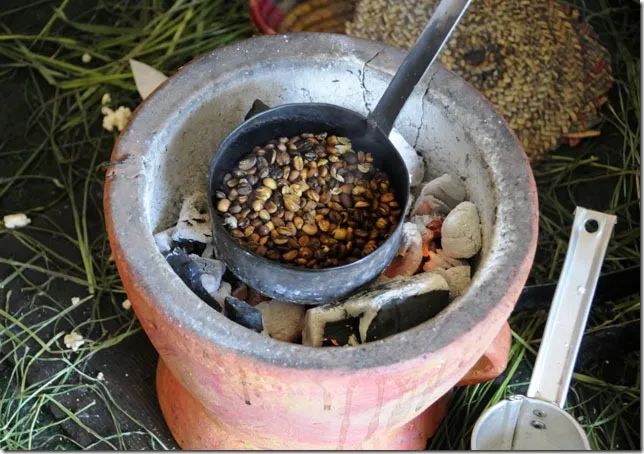
To this day, Ethiopians maintain one of the most unadorned coffee cultures. They use simple iron pestles to grind freshly roasted beans over charcoal, then brew them in traditional clay pots, often served with bread. Among the most iconic is the long-standing coffee ceremony: first roasting raw beans in a skillet to the right degree, then pounding them with a mortar and pestle, and finally slow-brewing them in a clay pot called a “Jebena.” The coffee is poured out in three rounds, known as Abol, Tona, and Beraka, symbolizing blessing, communication, and joy—each step imbued with deep humanistic meaning.
Interestingly, in the Ethiopian language, “coffee” is called “bunn” or “buna,” and its place of origin, Kaffa, has led to the belief that the term “coffee bean” evolved from the English rendering of “Kaffa bunn.” Therefore, it’s quite possible that the English word “coffee” originates from this very land that gave birth to the beverage.
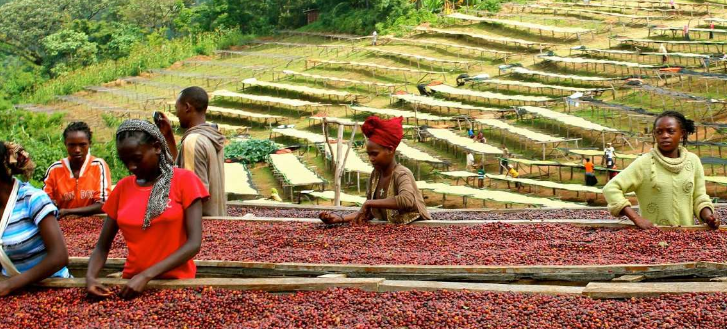
Ethiopia’s terrain and climate create ideal conditions for coffee cultivation. The country’s highlands, characterized by a tropical rainforest climate, are perennially shrouded in mist with abundant rainfall, coupled with elevations of around two thousand meters and significant diurnal temperature variations, providing optimal growing conditions for coffee trees. There are four main cultivation models locally: forest coffee, semi-forest coffee, garden coffee, and large plantations, among which garden coffee is the most common. Farmers often intercrop coffee trees with other plants such as bananas in their home gardens, not only maintaining biodiversity but also creating a unique green landscape.
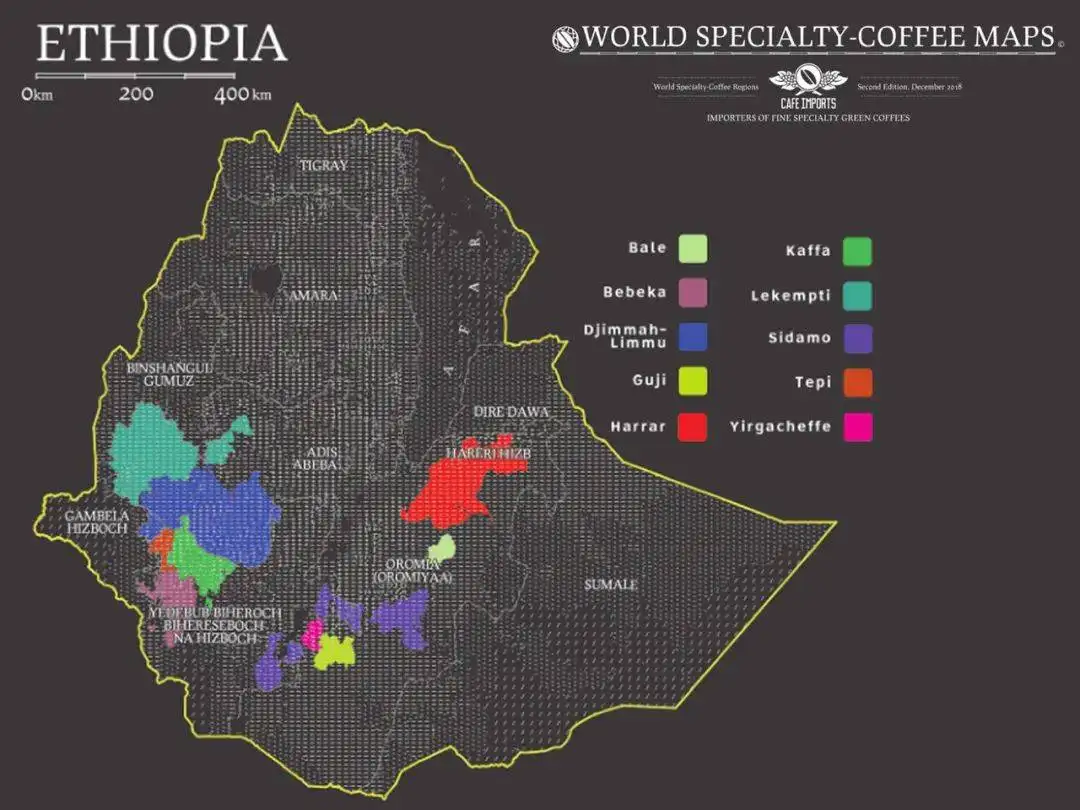
Administratively, all five regions of Ethiopia grow coffee, with major production areas including Gimma, Sidamo, Yirgacheffe, Harrar, Limu, Illubabor, Genji (Lekempti), Teppi, and Bebeka. Among them, Yirgacheffe, though a small town, is famous for producing thousands of tons of specialty coffee annually and is a key source for the global specialty coffee market. As production is mostly by smallholders, the area is managed uniformly through cooperatives and processing stations—for instance, the well-known Guji Dingu Cooperative handles the washed processing of Yirgacheffe coffee beans and sells them under the cooperative’s name.
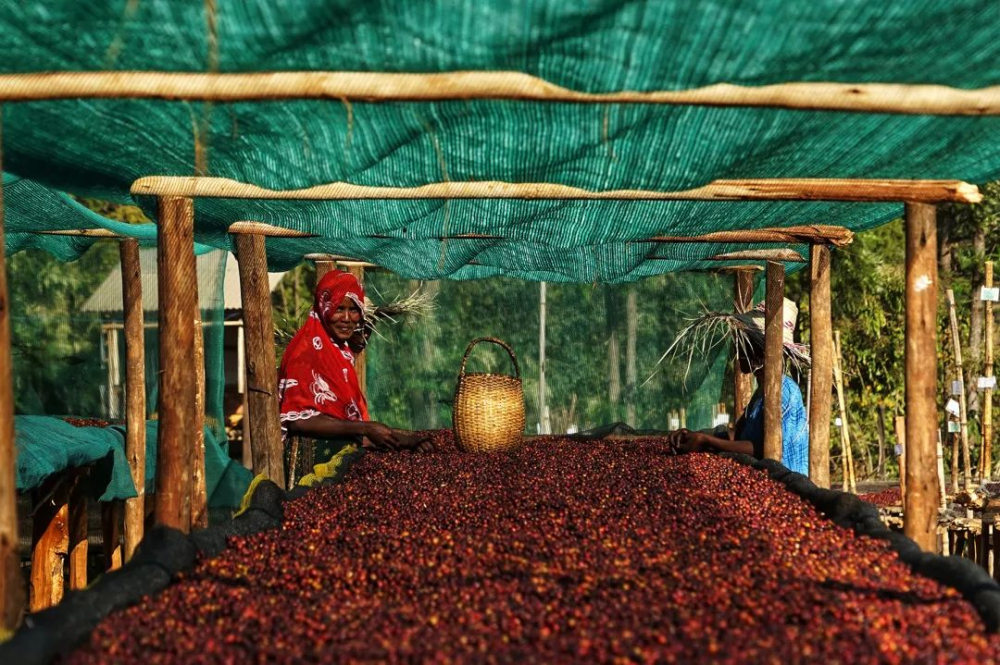
Ethiopian coffee processing methods are mainly divided into washed and natural (sun-dried) categories, each with its own strengths in terms of craftsmanship, cost, and flavor expression. Washed processing requires constructing washing channels and a stable water supply, involving complex steps, but it effectively removes impurities and defective beans, resulting in more consistent green bean quality, along with bright citrus tones and delicate floral notes—washed Yirgacheffe beans are a prime example. In contrast, early natural processing methods were relatively crude, often leading to uneven flavors; however, modern techniques have significantly improved this, using manual sorting and at least 27 to 30 days of African-style raised bed drying to impart richer fermentation characteristics, tropical fruit aromas, and a fuller sweetness—such as the standout Red Cherry Natural beans.
Ethiopian coffee flavors are known for their bright acidity, rich floral notes, and clean taste, particularly well-suited to medium-light roasting to preserve the maximum floral and fruity characteristics. For instance, washed Guji Dingu Cooperative coffee often exhibits aromas of passion fruit, citrus, and berries, with bright acidity and a honey-like sweetness on the finish; whereas natural Red Cherry beans showcase more layered profiles, including berry, honey, and black tea notes, with a more pronounced sweetness. Sidamo Huakui is based on nutty, honey, and berry notes, paired with a creamy texture and cocoa finish, highly favored by lovers of tropical fruit flavors.
For those new to specialty coffee, it’s recommended to start with classic washed Yirgacheffe beans as everyday drinking coffee—they offer great value and distinct flavor characteristics, making them ideal for practicing pour over techniques. A V60 dripper is recommended, with water temperature controlled at 92–93°C, a coffee-to-water ratio of 1:15, and grind size roughly the size of fine sugar (achieving 78% through a 20-mesh sieve). The specific process can follow a three-pour method: the first pour uses double the coffee’s weight in water (about 30g) for a 30-second bloom, followed by the second pour up to 125g, then after the bed settles, the third pour continues to 225g, with a total extraction time of about 2 minutes. This will fully highlight Yirgacheffe’s lemon acidity, berry sweetness, and tea-like aftertaste, delivering a clean, refreshing cup with a lingering sweet finish.
The above content is compiled by CoffeeHunters, a coffee news website.


