







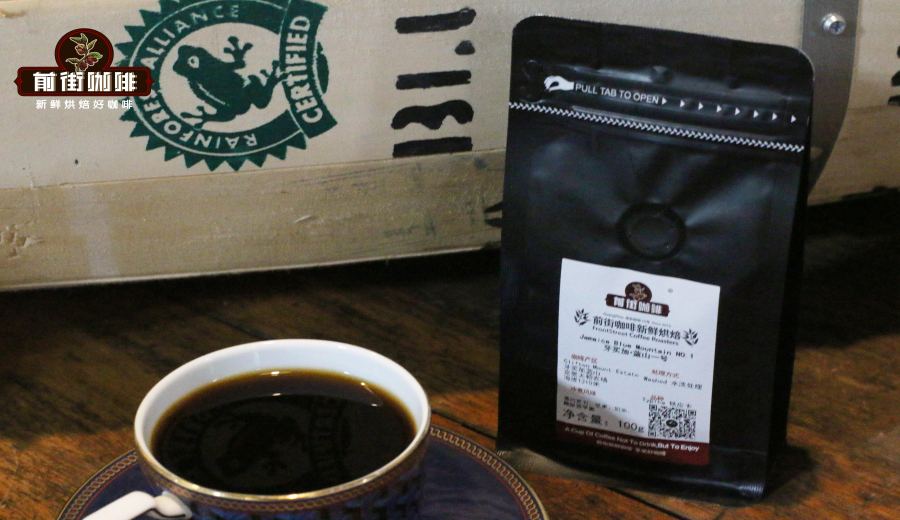
Introduction:Jamaican Blue Mountain coffee is hailed as the pinnacle of the coffee world, but the true No. 1 grade is extremely rare and expensive. Moreover, the market is flooded with imitations, making it easy for consumers to buy fakes. This article delves into the authentic definition, regional restrictions, and grading system of Blue Mountain coffee, while exploring its unique flavor characteristics and reasons for its high price. It also provides the washed processing procedure for Blue Mountain No. 1 and detailed pour over parameters to help coffee enthusiasts fully understand this classic coffee and master selection and brewing techniques.
Blue Mountain coffee is regarded as the pinnacle of global coffee, and Jamaican Blue Mountain No. 1 is the symbol of ultimate quality. It offers a rich aroma of dark chocolate and caramel upon entry, with a soft acidity reminiscent of berries and a delicate sweetness akin to sugarcane. The five elements—acidity, sweetness, bitterness, body, and aftertaste—achieve an exquisite balance. However, due to its limited production and stringent growing conditions, genuine washed Typica beans grown at elevations between 910 and 1700 meters in the Jamaican Blue Mountains often come with a high price tag. If you see “Blue Mountain coffee” being sold at suspiciously low prices, it’s very likely a counterfeit or low-quality blend.
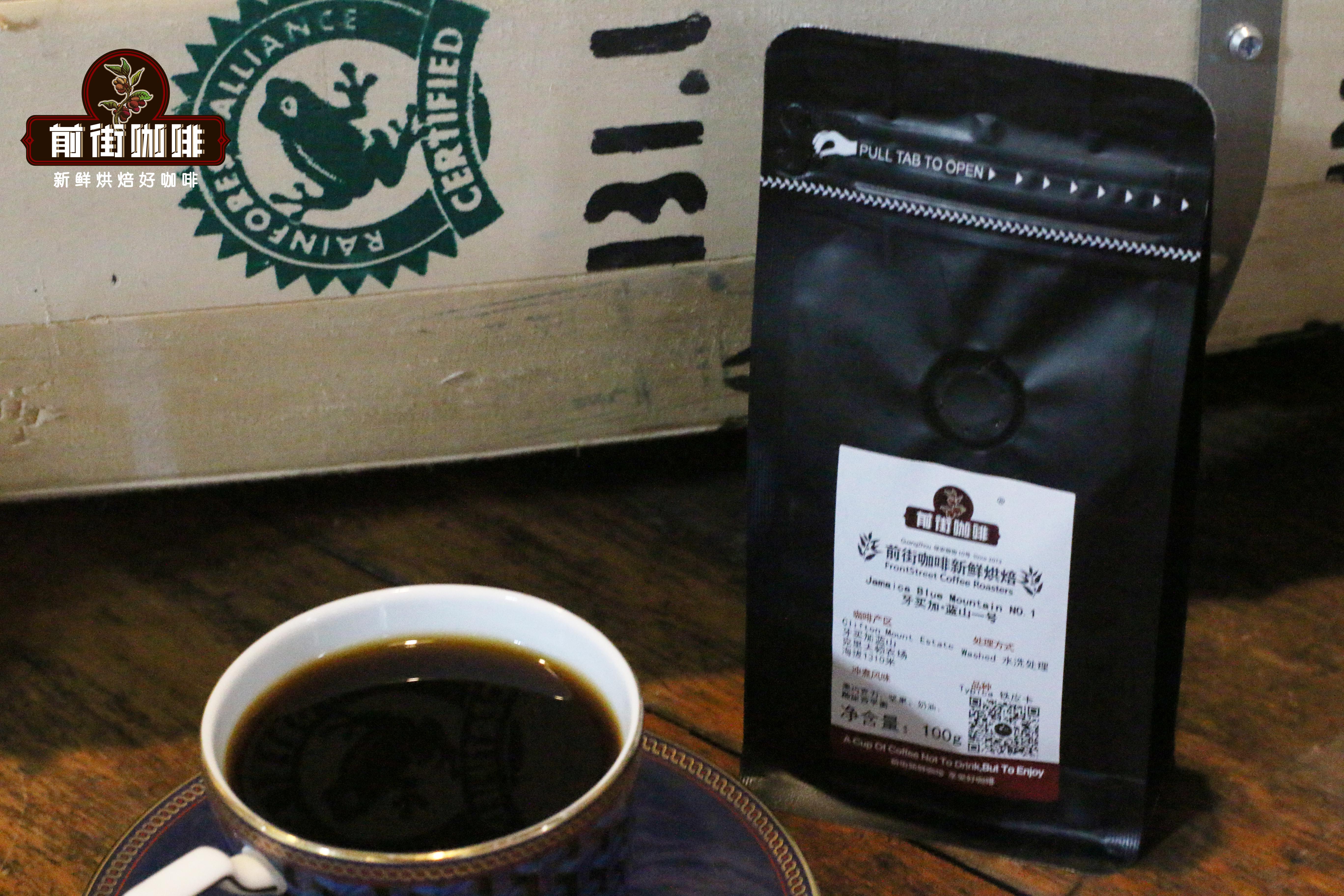
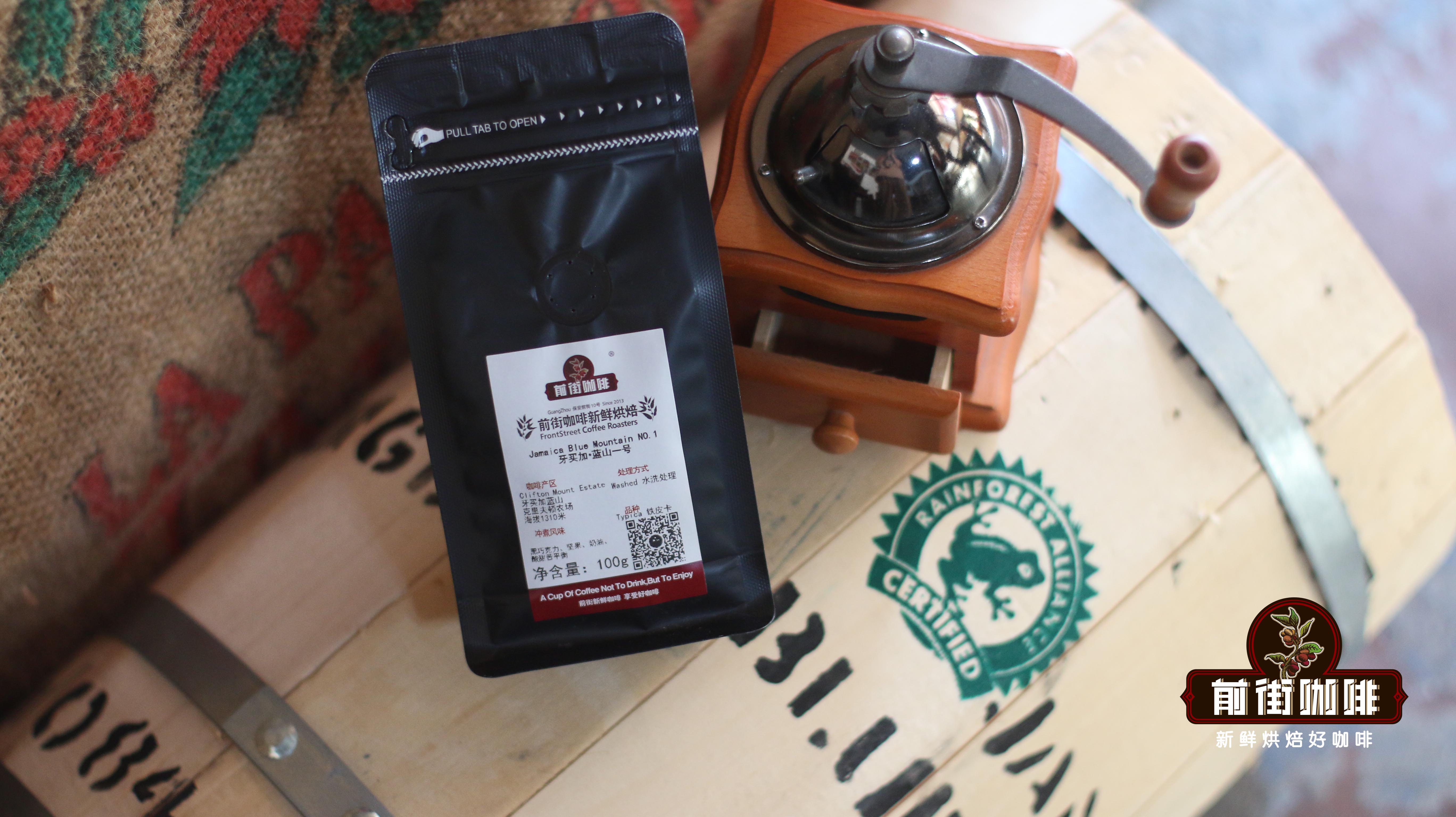
To determine whether coffee beans are authentic Jamaican Blue Mountain No. 1, the first things to check are the origin and variety. According to Jamaica’s Coffee Industry Regulation Act, only Typica variety beans grown within the four administrative regions of Saint Andrew, Saint Thomas, Portland, and Saint Mary, at elevations between 910 and 1700 meters, qualify to be labeled as “Jamaica Blue Mountain.” The terrain here is rugged, and coffee farmers face challenges such as steep slopes and high altitudes, making harvesting and management extremely difficult. This contributes to the high cost and rarity of Blue Mountain coffee. If you can purchase Blue Mountain coffee for just a few dozen yuan per 100 grams, it’s highly probable that it’s a low-grade blend or fake product. Currently, authentic Blue Mountain No. 1 on the market, as sold by , costs about 198 yuan per 100 grams—a price that reflects its genuine origin and meticulous processing.
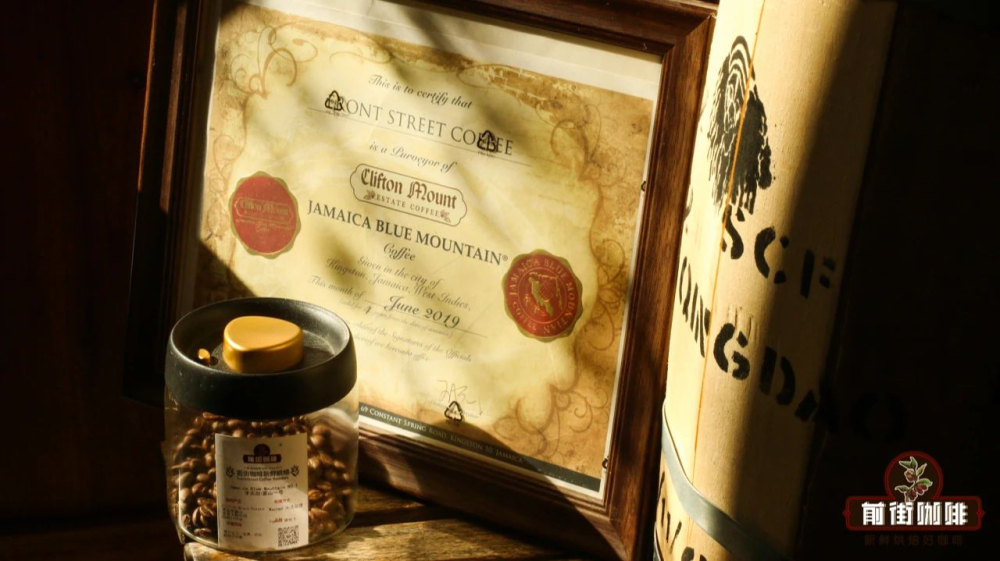
Authentic Blue Mountain No. 1 is not only strictly limited in terms of origin and variety, but also stands out with its unique flavor profile. The Blue Mountain No. 1 from exudes a rich and robust aroma of chocolate and roasted hazelnuts, a dry fragrance characteristic rarely seen in ordinary dark-roasted blends. When sipped, it delivers a soft acidity and natural sweetness, with a full-bodied yet balanced mouthfeel and a long-lasting aftertaste—it’s a model of five-flavor harmony. If you’re not yet familiar with Blue Mountain flavors, it’s recommended to purchase through official channels and check for accompanying certificates and origin documentation. Notably, Jamaica is the only producing region in the world that still uses wooden barrels to package green beans. When purchasing, you may ask if wooden barrels and related documents are provided.
To understand the background of Blue Mountain coffee’s high price, we need to go back to the late 1960s. In 1969, Jamaica was hit by a powerful hurricane that severely damaged its coffee industry. At that time, Japan’s UCC company stepped in to provide funding and introduce advanced eco-friendly cultivation techniques to help rebuild Jamaica’s coffee sector. In gratitude, the Jamaican government signed a 30-year agreement with Japan, stipulating that 90% of the annual premium Blue Mountain coffee production would be prioritized for the Japanese market, with only 10% allocated to other regions such as Europe and America. As the Japanese market could not fully absorb all the allocated quota, some Blue Mountain coffee was resold to places like Singapore, South Korea, Chinese Taipei, and Hong Kong. Coupled with aggressive promotion by Japan, Blue Mountain coffee quickly gained immense prestige in the Asian region.
Entering the 2000s, the Blue Mountain craze spread to mainland China, further driving up demand. It wasn’t until after the 2008 global financial crisis that Jamaica gradually began to allocate more Blue Mountain quotas to emerging markets. With the growth of coffee consumption in China, more merchants are now able to directly import Blue Mountain No. 1 beans. The Blue Mountain No. 1 sold by comes from the historic Clifton Estate and is processed using the traditional washed method, showcasing the purest Blue Mountain flavors.
Washed processing has a significant impact on the quality of Blue Mountain coffee. Blue Mountain primarily grows the ancient Typica variety, which, although capable of exhibiting exceptional aroma and acidity in high-altitude environments, is weak in disease resistance, has low yield, and requires extensive manual maintenance. The steep slopes of the Blue Mountain region make harvesting difficult, demanding high skill levels from pickers who can only select ripe red cherries. The harvested coffee cherries are immediately sent to processing facilities, where they undergo water washing to remove floaters and impurities, followed by the removal of pulp and mucilage. The beans are then placed in fermentation tanks for 12 to 18 hours of fermentation. After fermentation, the beans are rinsed multiple times with clean water to remove residual mucilage, then spread out to sun-dry until the moisture content drops to 12% to 14%. Finally, they are packaged for export. This process not only reduces defect rates but also results in a cleaner and crisper flavor.
Before export, every batch of Blue Mountain green beans must pass the strict grading inspection conducted by the Jamaica Coffee Industry Board (CIB). Evaluation criteria include bean size, color uniformity, defect rate (must be below 3%), and overall flavor performance. According to standards, Blue Mountain coffee is divided into four grades, with No. 1 being the highest. Beans in this grade must be 17 mesh size or larger, have a moisture content of around 10% to 12.5%, and exhibit the most balanced flavor, encompassing acidity, sweetness, bitterness, body, and aroma—the classic Blue Mountain flavor that everyone seeks.
For coffee enthusiasts who want to brew Blue Mountain No. 1 at home, special attention should be paid to the freshness of the beans. Generally, coffee beans are at their most flavorful within five days of roasting. It’s recommended to avoid using beans older than one month to fully experience their layered complexity. It’s recommended to use a KONO filter for pour over brewing, as its design helps enhance extraction concentration and a rich mouthfeel, particularly suitable for medium-roasted Blue Mountain No. 1. The high adhesion of the upper part of the filter allows for immersion-style extraction, bringing out the coffee’s roundness and sweetness.
Specific pour over parameters are recommended as follows: Use 15 grams of coffee grounds, ground to EK43s setting 10.5 (equivalent to 75% passing rate through a #20 sieve), with a coffee-to-water ratio of 1:15, and water temperature controlled at 88°C. The process begins with wetting the filter and paper with hot water. After placing the coffee grounds in the filter, pour 30 grams of water for a 30-second bloom. Then, pour water in small streams from the center outward in circles until reaching 125 grams for the first pour. Once the coffee bed has settled, continue pouring to 225 grams. Finally, wait for the dripping to finish. This method will fully highlight the black chocolate richness, caramel sweetness, and soft acidity of Blue Mountain No. 1, delivering the most classic and balanced Blue Mountain flavor experience.
The above content is compiled by CoffeeHunters, a coffee news website.


