








Introduction:As Ethiopia’s most iconic specialty coffee region, Yirgacheffe is renowned for its distinctive fruity acidity and floral notes, making it an ideal entry point for pour over coffee enthusiasts. This article delves into the region’s geographical characteristics, explores the differences among common processing methods, and explains how varying roast levels and processing techniques influence the final flavor profile—offering practical insights for selection and brewing.
For those just beginning to explore the world of specialty coffee, Yirgacheffe is undoubtedly an unforgettable first stop. This renowned region in southern Ethiopia is celebrated for its bright acidity, refreshing floral aromas, and clean cup profile, winning the hearts of coffee lovers worldwide. Especially when roasted lightly, its intricate layers of flavor shine through, with both fruity and tea-like notes being particularly captivating.
Yirgacheffe is not just a place name—it represents the refined image of Ethiopian coffee. Located within the Sidamo region, it sits at an average elevation of 1,700 to 2,100 meters, with most coffee trees cultivated on highlands above 1,800 meters. The high-altitude environment imparts brighter acidity and more complex aromas to the beans, creating its unique terroir-driven character.
The region actually consists of numerous small coffee villages and cooperatives scattered across the mountains. With a mild, humid, and stable climate—and rarely disrupted by extreme weather—these areas provide ideal growing conditions for coffee trees. As a result, Yirgacheffe coffees often exhibit natural notes of citrus, berries, and delicate florals, delivering a refreshing taste with a long, lingering finish.
When tasting Yirgacheffe, you’ll often notice citrus, berries, or subtle white floral scents in the dry aroma. After pouring water, honey-like sweetness emerges, blending with a juice-like mouthfeel for a well-balanced and layered cup. This clean, bright cup profile stems not only from superior bean varieties and high-altitude cultivation but also hinges on the choice of processing method.
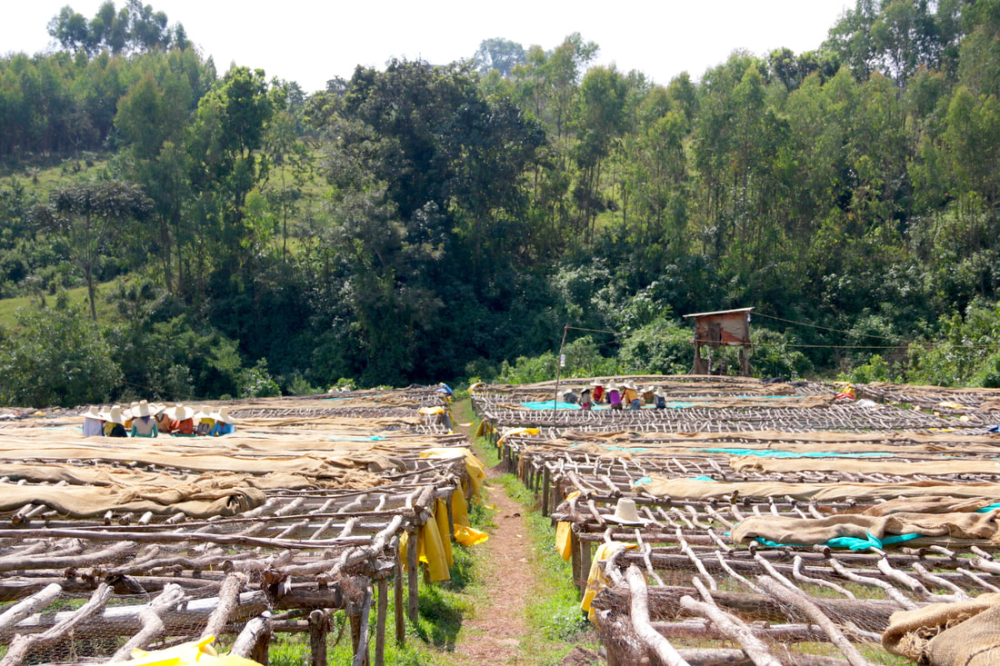
Among these, the traditional natural (sun-dried) process—where coffee cherries are dried with their fruit flesh intact—imparts a richer sweetness and body, along with unique fermented aromas and a tea-like finish. The aftertaste is rounded with a distinct lingering sweetness. If you enjoy bold fruit flavors with winey or berry-like sweetness, sun-dried Yirgacheffe is an excellent choice.
In contrast, the washed process (which involves removing the fruit flesh and mucilage, followed by fermentation in water tanks, thorough rinsing, and sun drying) enhances the coffee’s clarity and bright acidity, making citrus notes more vivid and the mouthfeel more transparent. This method best showcases the region’s terroir, making it ideal for those who prefer a clean, bright acidity and nuanced flavor profiles.
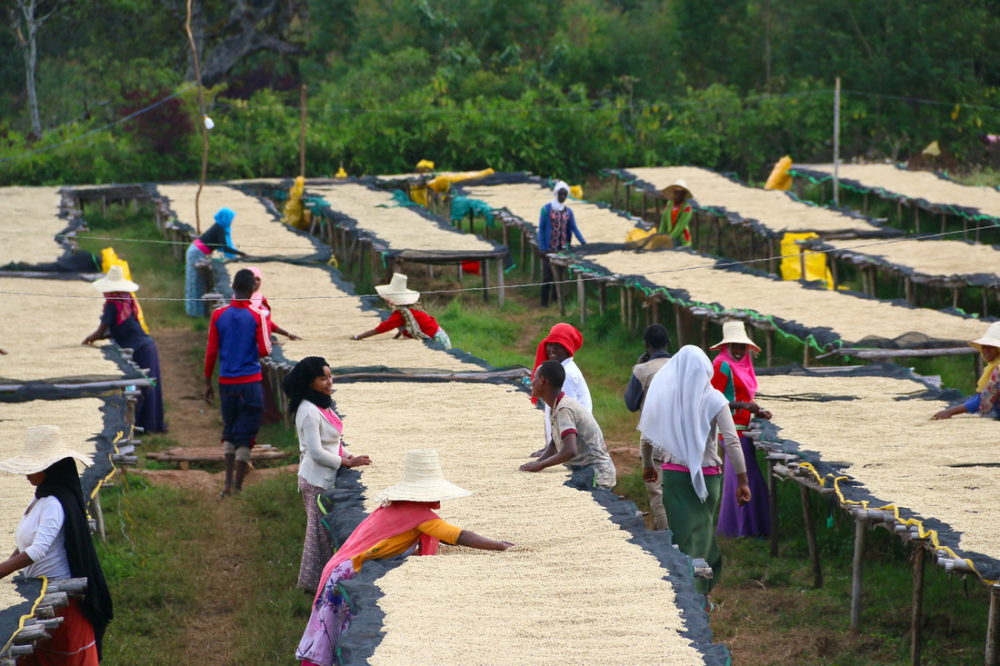
Overall, when selecting Yirgacheffe pour over beans, it’s recommended to consider your flavor preferences, paying attention to the processing method and roast level. Light roasts preserve the most floral and fruity aromas with vibrant acidity, best brewed with medium-high water temperature (around 90–92°C), a fine grind, and a balanced brewing approach to highlight their intricate layers and aromatic expression.
Whether you’re new to pour over coffee or already have some experience, Yirgacheffe is an essential classic region to explore. From fruit-forward sun-dried lots to clean and crisp washed varieties, each one tells a unique story of its terroir—waiting for you to discover.
The above content is compiled by CoffeeHunters, a coffee news website.


