







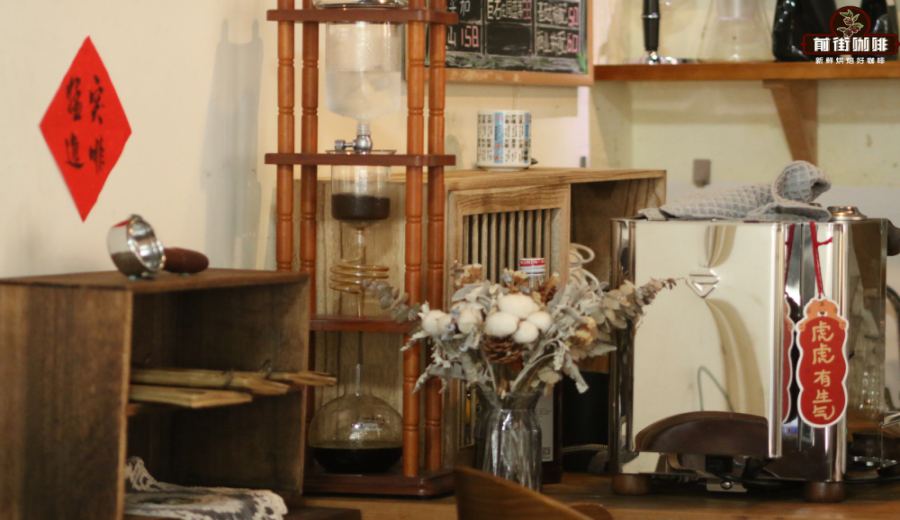
Introduction:Want to make a refreshing cold brew coffee at home but not sure whether to use hot or cold water? Unsure how long the extraction should take? Or what the ideal coffee-to-water ratio is? This article takes an in-depth look at the two main types of cold brew—cold steeping and cold drip—explains the key parameters for different brewing methods, and recommends coffee bean varieties that are well-suited for cold brewing. Help you master professional-grade cold brew techniques and easily make rich yet balanced iced coffee.
 " alt="" />
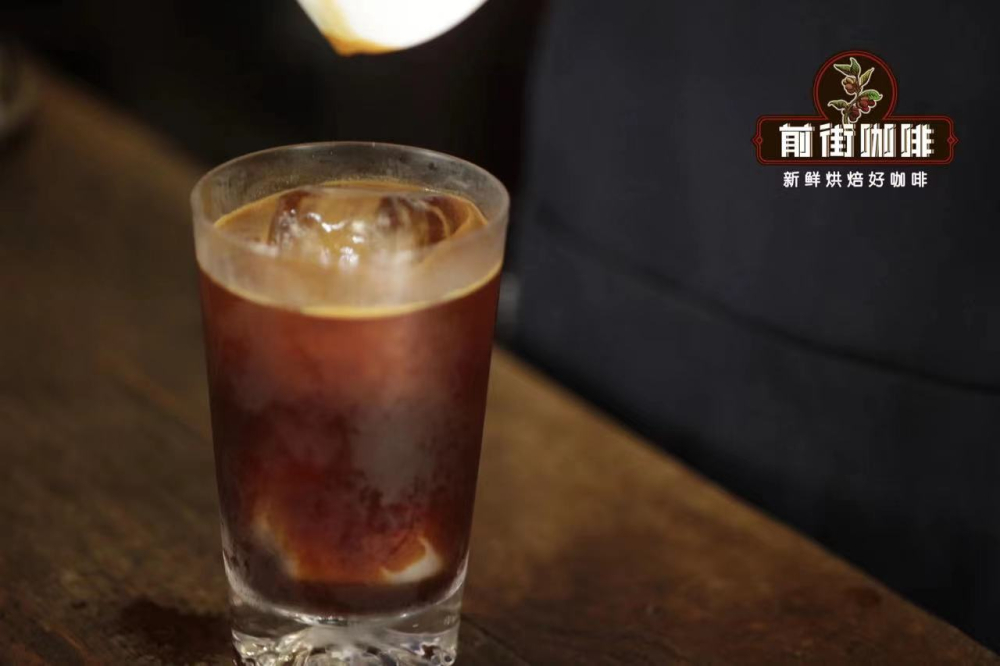
Cold brew coffee is a beloved chilled beverage in summer, but many people tend to confuse it with iced pour over or iced Americano. In fact, the biggest characteristic of cold brew coffee is that it uses low-temperature water—sometimes even near 0°C cold water—for prolonged extraction, rather than high-temperature quick brewing followed by cooling. This low-temperature slow extraction method preserves the softer acidity and sweetness in the coffee beans while reducing the bitterness caused by over-extraction.
 " alt="" />
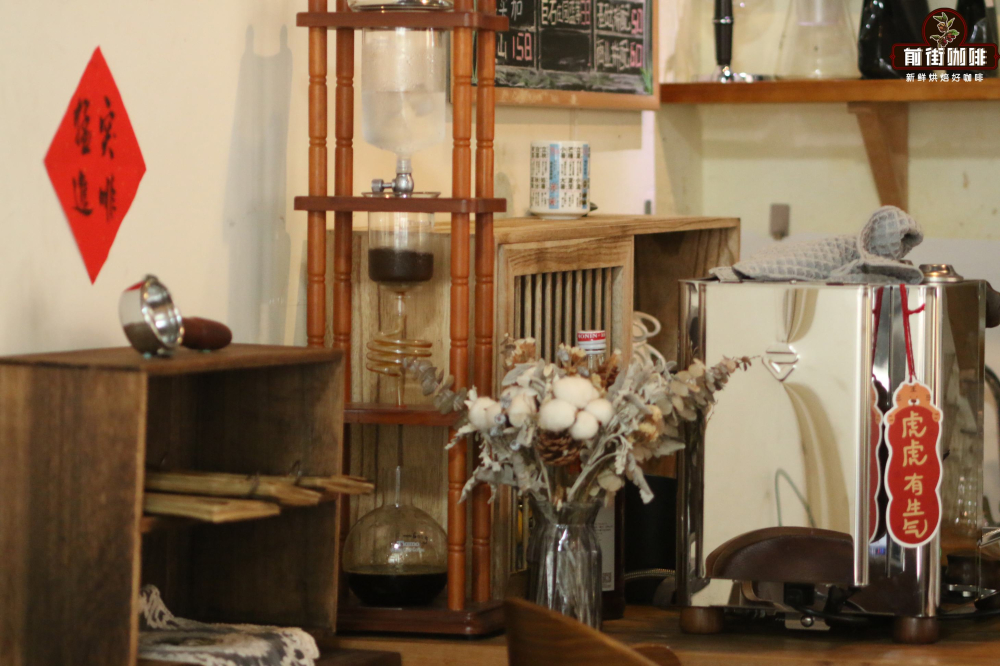
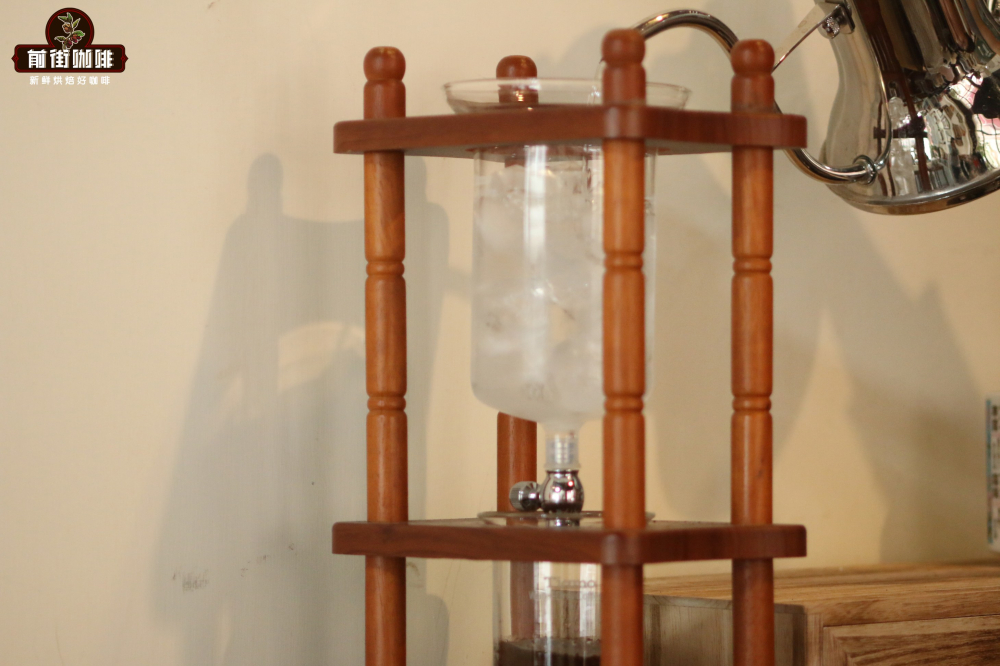
Cold brew coffee is mainly divided into two types: one is "cold steep coffee," where coffee grounds are fully immersed in cold water, usually requiring 12 to 24 hours of steeping; the other is "cold drip coffee," where ice water slowly drips drop by drop through the coffee grounds layer, with a brewing time that may take over 6 hours. Both emphasize slow extraction under low temperatures to highlight the delicate flavor layers of the coffee.
 " alt="" />
The key to cold brew coffee lies in the low water temperature, which significantly slows down the release rate of flavor compounds. Generally, about 30% of coffee beans are soluble substances, with acidic components released the fastest, followed by sweetness, while bitter substances are released the slowest. When using low-temperature water, to extract sufficient flavor, the extraction time must be extended, which is also why cold drip coffee often requires advance ordering. It is recommended that beginners start with cold steeping, as it has lower operational barriers and more flexible timing.
 " alt="" />
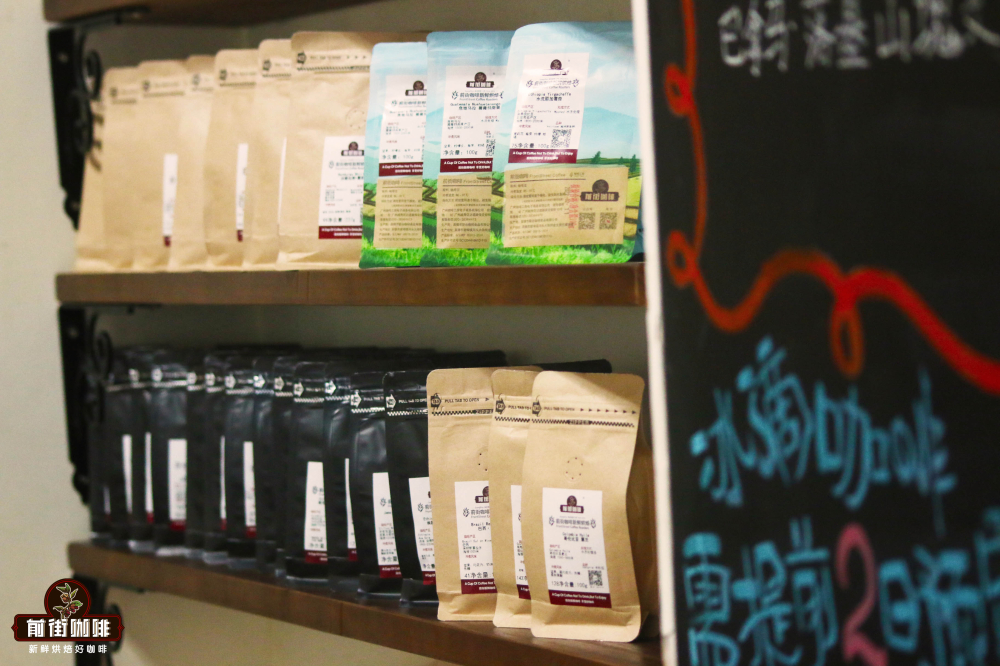
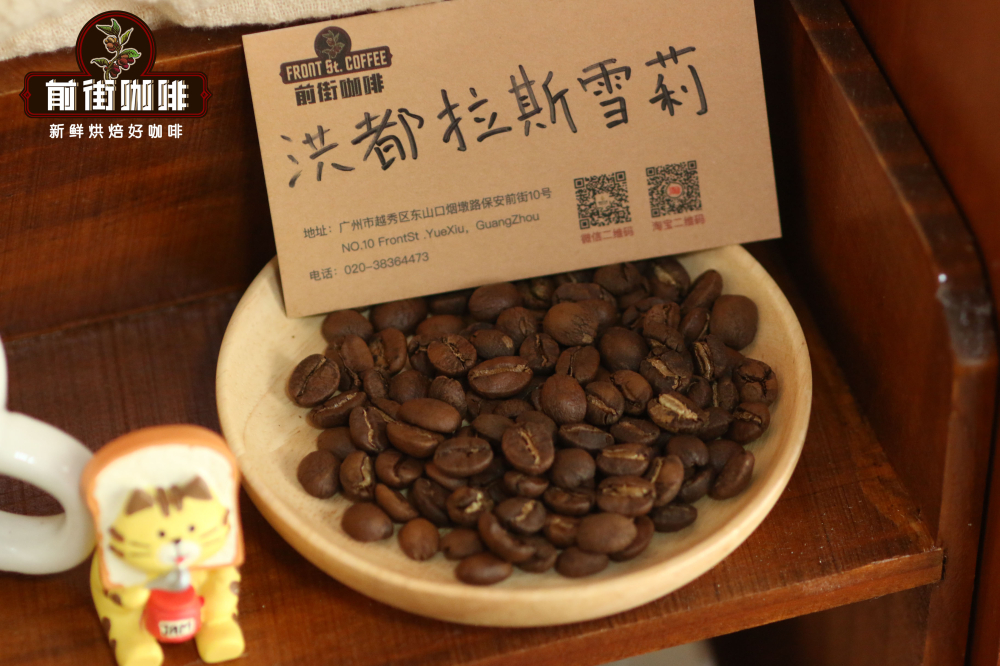
Not all coffee beans are suitable for cold brew. Since the low-temperature environment suppresses the release of bitterness and impurities, it is recommended to choose light or medium-light roasted beans with bright acidity and rich flavor layers, such as fruit-forward beans from Kenya or Honduran Sherry coffee beans with unique processing methods. These types of beans can showcase more prominent berry, floral, or caramel notes during cold brewing, avoiding a bland outcome.
 " alt="" />
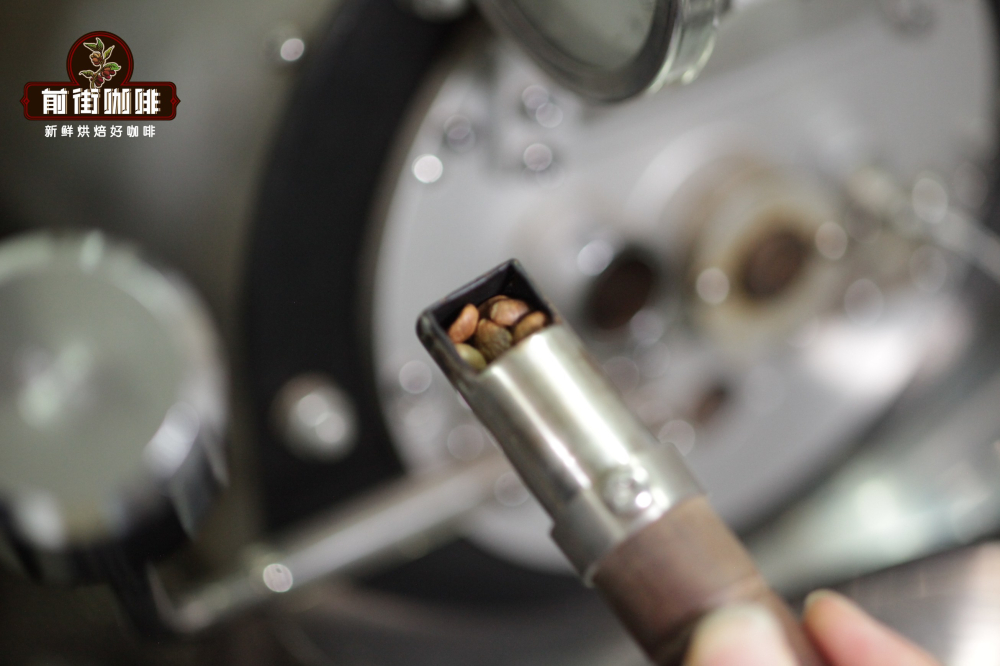
Take Honduran Sherry coffee beans as an example. These beans are processed using meticulous washed processing combined with low-temperature fermentation in sherry whiskey barrels, yielding rich aromas of cream, vanilla, and dried fruit. After medium roasting, the acidity is soft and layered. Such specially processed beans, when extracted via cold brew, can present a more abundant sweetness and complexity, making them a top choice for many cold brew enthusiasts.
 " alt="" />
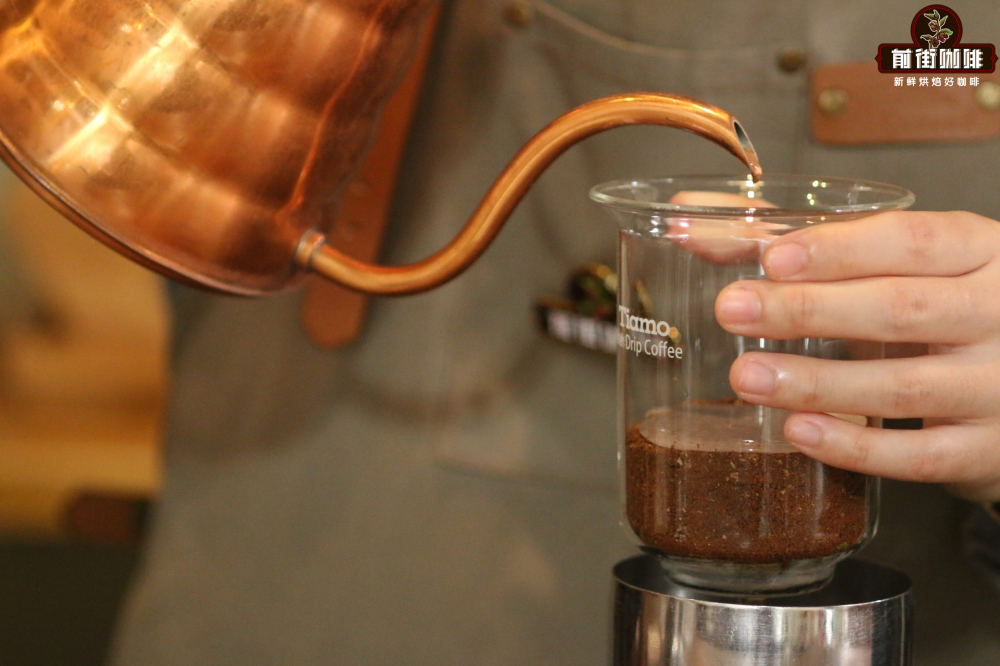
The standard coffee-to-water ratio for cold brew is generally recommended as 1:10, meaning 60 grams of coffee grounds to 600 milliliters of water. The grind size can refer to a medium-fine pour over grind, with a 20-mesh sieve passing rate of about 85% as a reference—slightly finer than regular pour over—to compensate for the slower extraction efficiency at low temperatures. Extraction time varies by method: cold steeping is recommended for 12–24 hours, and cold drip for 6–8 hours. The water temperature should be maintained between 0°C and 4°C, and flow rate can be controlled by mixing ice and water, such as a rhythm of 7 drops every 10 seconds, helping achieve even flavor release.
 " alt="" />
After extraction, it is recommended to pour the cold brew coffee liquid into a sealed container, refrigerate and let it sit for 12 hours to allow the flavors to integrate and the taste to become smoother. However, note that cold brew coffee is not recommended for long-term storage, as it can still ferment slowly even in a low-temperature environment. Typically, after 5 days in the refrigerator, the flavor will noticeably shift toward a fermented taste and may even develop off-flavors. To enjoy the best flavor, it is advised to consume within a week to ensure freshness and layered taste.
 " alt="" />
The above content is compiled by CoffeeHunters, a coffee news website.


