







Introduction:Espresso is the soul of Italian coffee and the cornerstone of modern coffee beverages. This article will delve into the origins of espresso, its unique pressurized extraction principle, help you understand the formation mechanism and evaluation criteria of the golden crema, and detail the extraction parameters and tasting methods to help you fully grasp the essence and charm of this concentrated coffee.
Although espresso is not the oldest brewing method in coffee history, it has rapidly developed over the past century to become an important symbol of modern coffee culture. This type of concentrated coffee, extracted quickly under high pressure, is known for its intense flavor and distinctive layer of crema. This article will guide you from definition, technical principles, to actual tasting, systematically exploring every aspect of espresso.
What is Espresso?
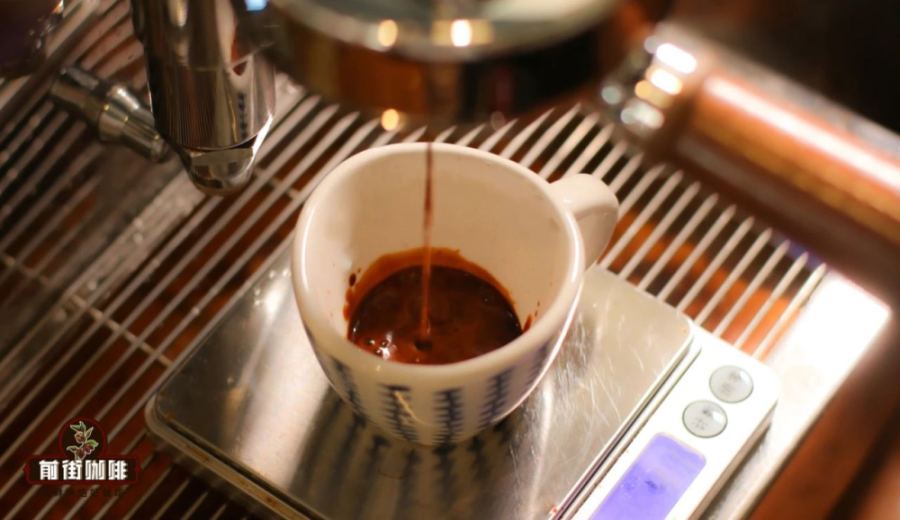
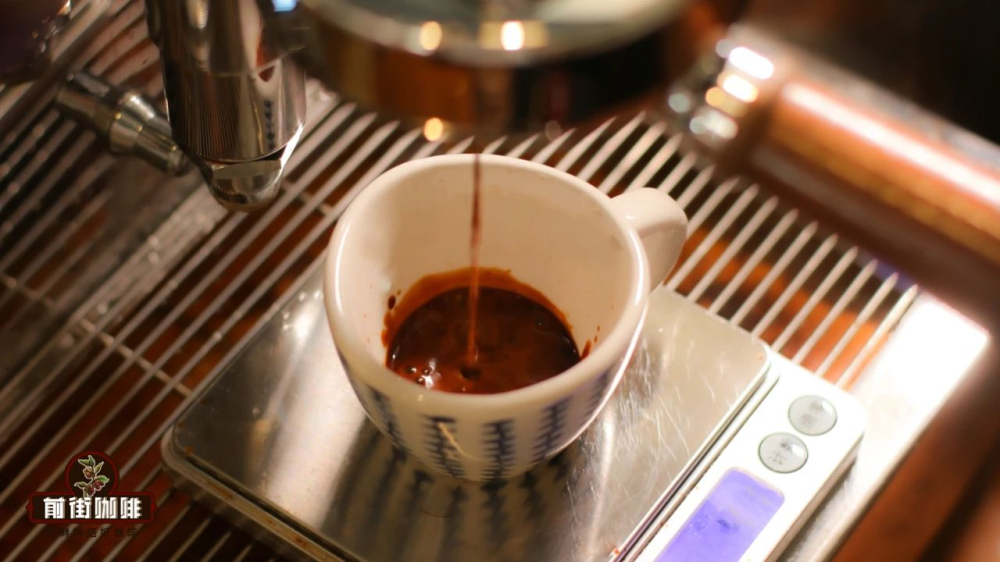
The word "espresso" originates from Italian, meaning "fast" or "pressed out," which perfectly reflects the core of its preparation method—quick extraction under high pressure. This brewing method involves placing extremely finely ground coffee powder under high pressure (about 9 to 11 atmospheres) and approximately 91°C hot water, extracting it briefly, usually in just 25 to 30 seconds, to produce a small cup of rich coffee liquid.
Traditional espresso mostly uses dark-roasted blends, emphasizing balanced flavor and body. In recent years, the popular SOE (Single Origin Espresso, single-origin espresso) instead uses single-origin coffee beans roasted to light to medium levels, highlighting the unique flavor layers of that origin, such as floral-fruity notes or distinctive sweetness.
What are the main characteristics of espresso?
The most prominent feature of espresso lies in its "pressurized extraction" technique. To fully release the flavor compounds of the coffee, extremely fine coffee powder is typically used, and high-pressure water flows through it rapidly. Under ideal extraction conditions, the coffee liquid will exhibit a honey-like viscous flow, with color transitioning gradually from deep brown-red to light golden-yellow.
After extraction, a fine layer of golden foam will float on the surface of the espresso, known as the famous "crema." This layer of crema not only affects visual appeal but is also closely related to the release of aroma and the texture of the coffee.
How is espresso crema (Crema) formed?
The crema is primarily formed by the emulsification of carbon dioxide and oils in the coffee under high pressure and high temperature. When freshly roasted coffee beans are extracted in high-pressure hot water, the internal carbon dioxide is rapidly released and combines with tiny oil droplets to form a stable foam layer. Generally speaking, the darker the roast and the fresher the beans, the thicker the resulting crema.
However, excessively thick crema does not necessarily indicate better quality. Too much carbon dioxide may lead to uneven extraction, which can negatively affect the overall flavor balance and smoothness. Therefore, a moderate crema layer is ideal. It is generally recommended to let the coffee beans rest for about 7 days after roasting to allow excess gases to dissipate, which helps stabilize extraction and flavor expression.
Common espresso blends and flavor profiles
Most espresso coffee beans on the market are blends, combining beans from different regions and processing methods to achieve a balanced flavor and a rich base. Common blend combinations may include beans from Brazil, Colombia, Southeast Asia, etc., with flavor profiles ranging from nuts and chocolate to caramel, cream, and even subtle fruit acidity and spice notes.
Different blend recipes can lead to vastly different flavor directions. For example, some blends emphasize wine-like and berry notes, suitable for those who enjoy layered complexity; while others focus on a stable nut and chocolate foundation, ideal for daily drinking or as a latte base.
How to properly taste espresso?
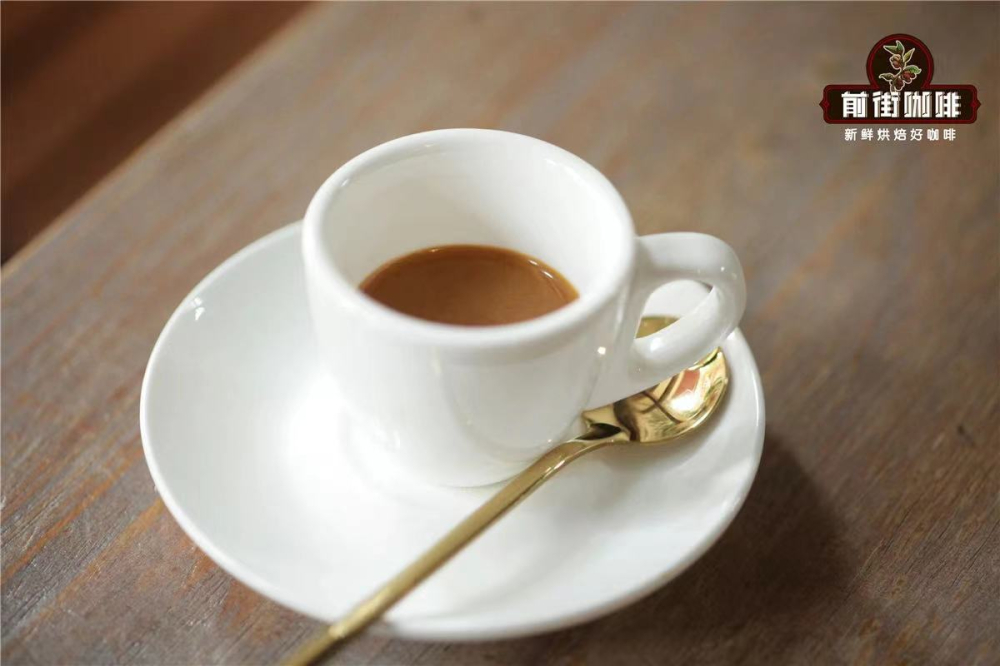
The standard serving size of espresso is about 20 to 40 grams. Though small in volume, it concentrates the essence of the coffee. In Italy, locals often drink it in one shot to enjoy the instant intensity. But during everyday tasting, you can take your time to experience its detailed flavors.
It is recommended to take a sip of ice water before tasting to cleanse the palate and focus the taste buds. Then, gently stir the surface of the coffee with a spoon to evenly mix the crema and coffee liquid. The first sip can focus on identifying the dominant flavor notes, the second sip to feel its rich body and texture, and the third sip to carefully appreciate the aftertaste and lingering sweetness, fully experiencing the charm of this concentrated coffee.
The above content is compiled by CoffeeHunters, a coffee news website.


