







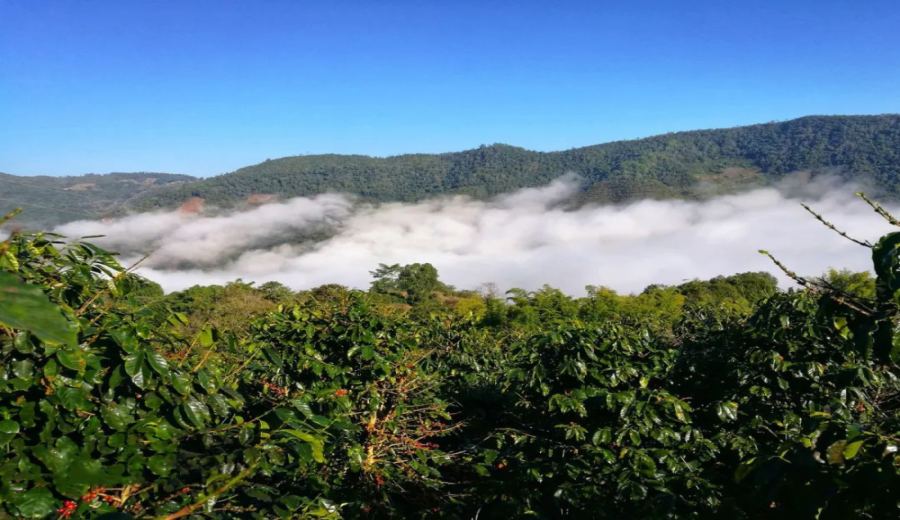
Introduction:As an important coffee-producing region in China, Yunnan generates over 90% of its coffee output from the Catimor variety. This hybrid, developed by the Portuguese research center CIFC, combines the disease resistance of Robusta with the flavor potential of Arabica—but it also comes with clear limitations in cup quality. This article delves into the genetic background of Catimor CIFC7963, its actual flavor profile, the evolution of coffee varieties in Yunnan, and offers practical brewing references to help readers better understand the characteristics of this mainstream coffee bean.
Across Yunnan’s vast coffee fields, one variety dominates the landscape—Catimor. Statistics show that this hybrid accounts for approximately 90% of Yunnan’s coffee production, making it the backbone of the local coffee industry. Catimor CIFC7963 is the result of meticulous breeding by Portugal’s Coffee Rust Research Center (CIFC), originally created to develop a coffee variety that is both disease-resistant and high-yielding while retaining certain flavor traits.
The standout feature of this variety is its strong adaptability and disease resistance. Catimor trees are relatively short and compact, with dense branching
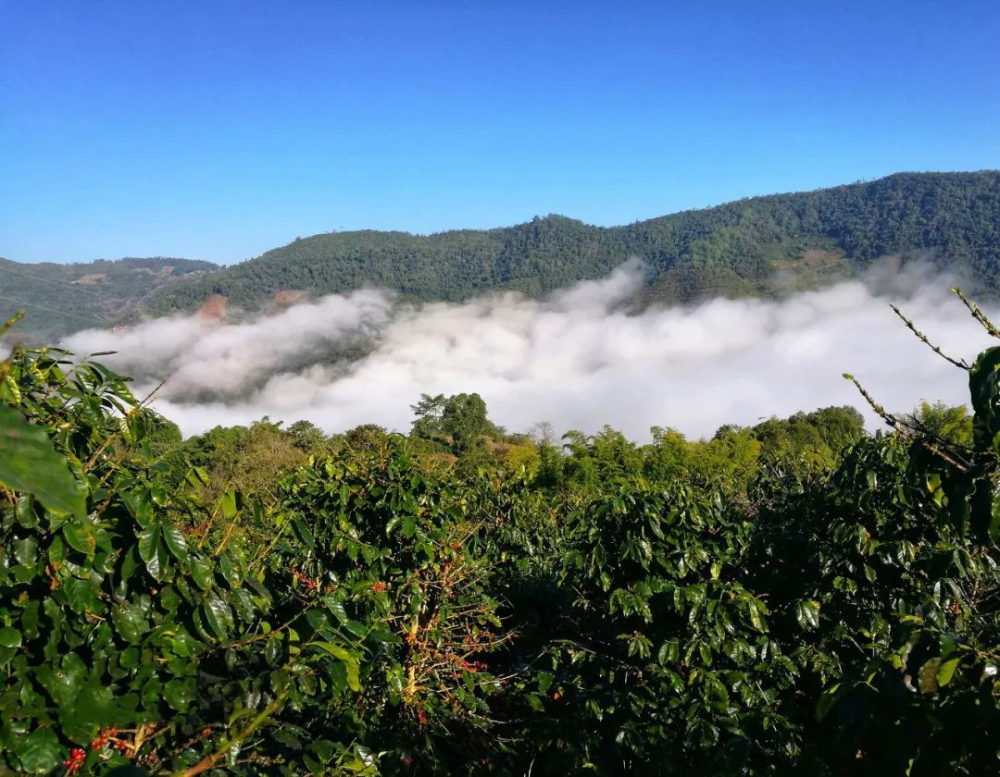
Although classified as an Arabica variety, Catimor's genetic makeup is actually quite unique. One of its parent varieties is Timor (belonging to the Robusta group), and the other is Caturra (a mutation of the Bourbon family). This special combination of lineage gives Catimor both the disease resistance and high yield traits of Robusta, as well as some of the flavor potential of Arabica. In actual cupping sessions, Catimor typically exhibits a profile dominated by nutty and brown sugar notes, with relatively simple flavor layers. This has also led to ongoing debate about its evaluation within the specialty coffee community.
It’s worth mentioning that the Typica variety, introduced to Yunnan in the early days, was once the star of this land. This ancient variety, brought to Zhugula Village in Binchuan by French missionary Father Timothée in 1904, is renowned for its elegant flavor profile and is considered a classic by many industry insiders. Typica can showcase rich fruit acidity and a delicate mouthfeel, and the famous Blue Mountain coffee originates from this very variety. However, Typica also has clear drawbacks: it has a tall tree structure but low per-tree yield, weak disease resistance, and is particularly susceptible to leaf rust, coffee berry disease, and nematode infestations. These traits have gradually diminished its competitiveness in modern, efficiency-driven cultivation environments.
Over time, Catimor gradually replaced Typica to become Yunnan’s dominant variety. However, Catimor faces its own challenges. Although it excels in yield and disease resistance, its flavor profile has often been criticized. In the early years, due to relatively crude processing techniques, Yunnan-grown Catimor coffee was even saddled with negative labels such as "devil’s aftertaste." Additionally, the Robusta genes carried by Catimor limit its flavor development potential, usually resulting in only relatively basic nutty and brown sugar flavors, lacking premium attributes like citrus or floral notes. More notably, Catimor’s rust resistance tends to decline over the years, and varieties generally need to be updated after 20 to 30 years of planting.
In recent years, coffee growers in Yunnan have begun experimenting with introducing more diverse varieties, including Geisha, which has garnered significant attention in the global specialty coffee market. The introduction of these new varieties offers more possibilities for the future development of Yunnan coffee. However, amid this wave of varietal transformation, some growers remain committed to preserving traditional varieties. Among them, the most representative is the Typica planting project initiated in the Lincang region in 2013.
The team’s decision to plant Typica in Lincang, a region with a unique microclimate, was a carefully considered one. Influenced by both the warm, moist air currents of the Indian Ocean and the southwest monsoon, Lincang features a climate where the boundaries between the four seasons are blurred, but the dry and wet seasons are distinct. The area enjoys abundant rainfall, ample sunshine, short frost periods, and even frost-free conditions in some regions year-round. Coupled with pronounced vertical climate variations, it provides an ideal growing environment for Arabica coffee. The original Typica variety was specifically chosen, despite being known for its low yield and poor resistance, because the team was willing to invest more in management costs in pursuit of pure flavor.
After five or six years of meticulous cultivation, they finally harvested the first batch of Typica cherries in 2020. They employed a natural sun-drying processing method, spreading the ripe red coffee cherries under the sun to slowly dry while continuously turning them to ensure even dehydration. This traditional processing method preserves the original flavors of the coffee fruit to the greatest extent, ultimately yielding rich aromatic characteristics such as caramel, berries, and black tea. This Typica coffee, named “2013,” showcased a flavor profile completely different from that of Catimor.
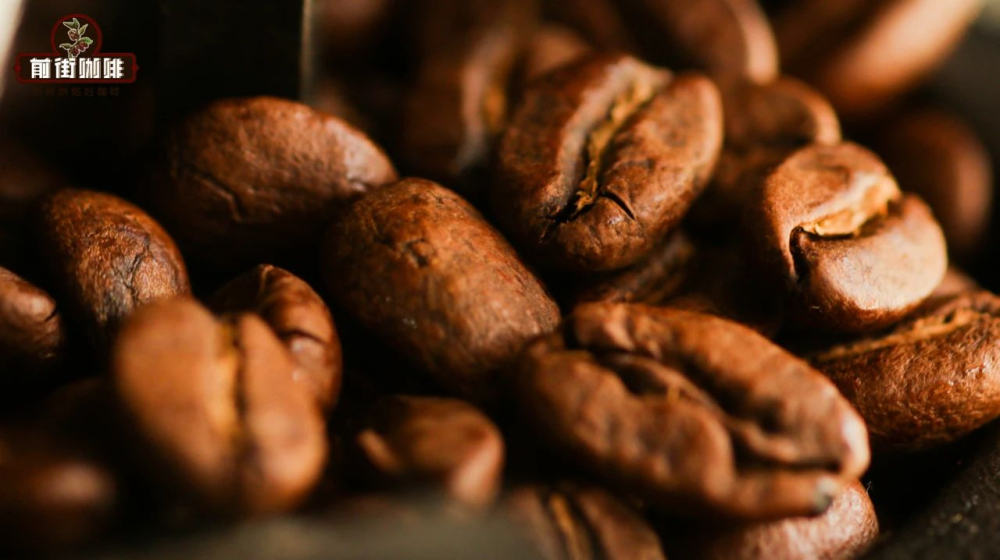
In terms of brewing recommendations, coffee beans with different processing methods and varieties require different parameter settings. For medium-to-dark roasted Yunnan-grown Catimor beans, it is recommended to use water at 90°C, a medium grind size with a 20-mesh sieve passing rate of 75%, and maintain a water-to-coffee ratio of around 1:15. Specifically, a three-stage pouring method can be used: start with a 30-second bloom using twice the amount of coffee by weight in water, then pour in small streams in circular motions from the center outward until reaching 125 grams, pause until the coffee bed descends to about half the height of the filter, and then continue pouring with a finer stream until reaching 225 grams to complete extraction. These parameter settings can fully highlight the fundamental flavor characteristics of Catimor coffee, such as nuts and brown sugar.
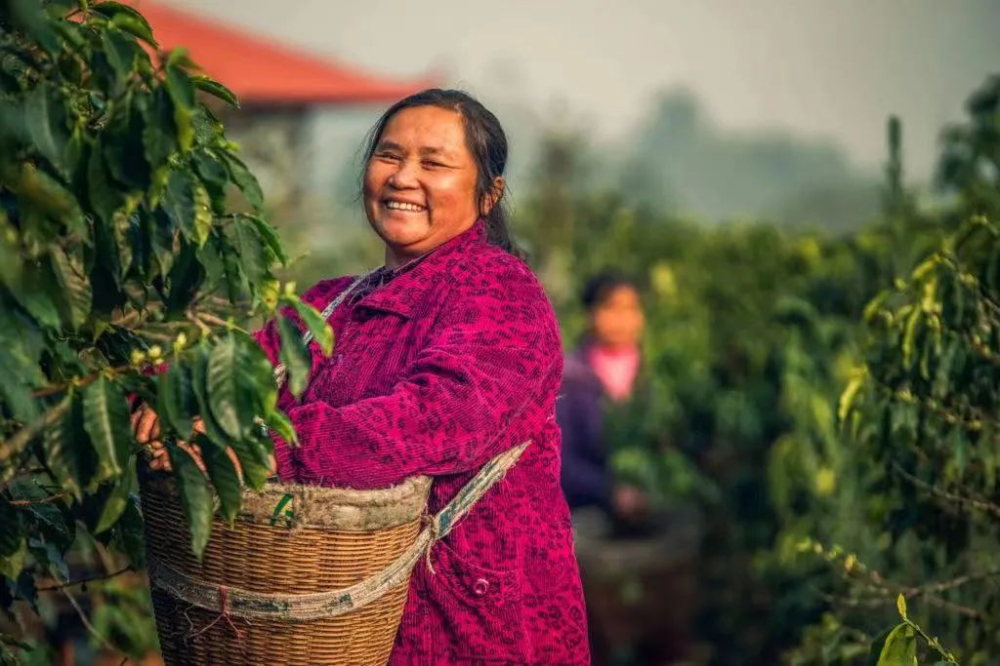
Overall, although Yunnan’s Catimor coffee may not match the flavor complexity of some specialty Arabica varieties, its stable yield and good disease resistance make it a vital pillar of the region’s development. For consumers, understanding these varietal characteristics can help better appreciate different styles of coffee and make choices based on personal taste preferences. Whether you prefer a bold, rich flavor or are a specialty coffee enthusiast seeking layered complexity, you can find a suitable option among Yunnan’s diverse coffee varieties.
The above content is compiled by CoffeeHunters, a coffee news website.


