








Introduction:For beginners who have just started exploring pour over coffee, it can be overwhelming to choose from the wide variety of coffee beans available. This article will delve into the fundamentals of pour over coffee and essential equipment, with a focus on recommending seven high-quality everyday beans from classic origins—including Ethiopia Yirgacheffe and Guatemala Huehuetenango. It provides a detailed analysis of each origin’s terroir, processing methods, roast levels, and unique flavor profiles, along with practical brewing parameter suggestions to help you easily find your preferred coffee taste.
In recent years, pour over coffee has gained popularity among coffee enthusiasts for its simplicity and ability to highlight the delicate flavors of coffee. However, faced with the vast array of coffee beans on the market, many newcomers often feel at a loss. Starting with the basic principles and necessary tools of pour over coffee, this article further recommends seven everyday beans from globally renowned coffee regions for beginners. These cover Ethiopia, Guatemala, Colombia, Brazil, Costa Rica, Indonesia, and Yunnan in China. Each bean is described in detail in terms of its growing environment, processing method, roast level, and flavor profile, helping you grasp the basics and brew a cup you’ll love.
What is pour over coffee?
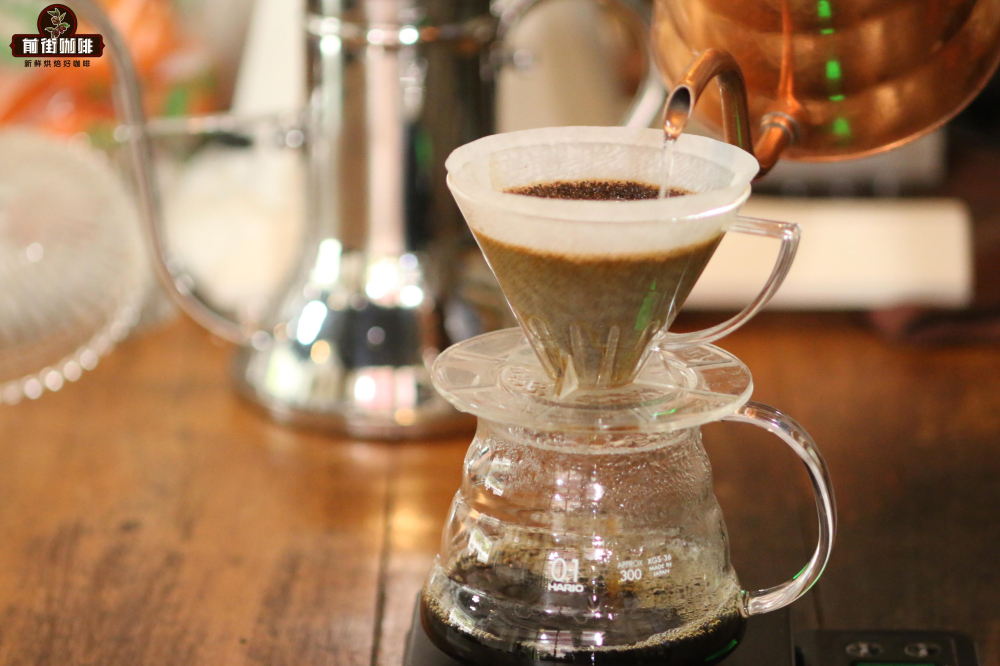
The essence of pour over coffee lies in the thorough contact between hot water and ground coffee, extracting the aromatic compounds and flavor components. Simply put, coffee beans are ground, then hot water is slowly poured over them. The coffee grounds are separated from the liquid through a filter paper or filter cone, resulting in a clean-tasting, aromatic black coffee. In this process, every step—from bean selection, grinding, water temperature control, to pouring technique—can influence the final flavor of the coffee.
Essential pour over equipment checklist
To consistently brew delicious pour over coffee, in addition to high-quality beans, the right equipment is crucial. The following basic tools are generally recommended: a pour over kettle (for precise pouring), a filter cone and filter paper (to separate coffee grounds), a server (to catch the brewed coffee), a grinder (to adjust grind size), a digital scale (to track coffee-to-water ratio and brewing time), and a thermometer (to control water temperature). These tools not only help you precisely manage brewing conditions but also allow you to gradually discover your personal preferences through practice.
The importance of coffee bean freshness
To ensure optimal flavor, it is recommended to choose coffee beans roasted within 4 to 30 days. At this stage, the beans are at their peak flavor and most suitable for pour over brewing. Freshly roasted coffee beans are usually shipped within 5 days after roasting and can arrive in about 1 to 3 days, ensuring they are close to their best-before period when you receive them. This is beneficial for experimenting with different brewing methods and flavor expressions.

Seven classic origin everyday beans recommendations
For pour over beginners, it’s advisable to start with everyday beans that offer great value and distinct flavors. Below are seven carefully selected classic beans from globally renowned origins. Each one represents the typical flavor and processing characteristics of its region. They are not only affordable but also help you quickly build recognition of different regional flavor profiles.
Ethiopia Yirgacheffe (washed)
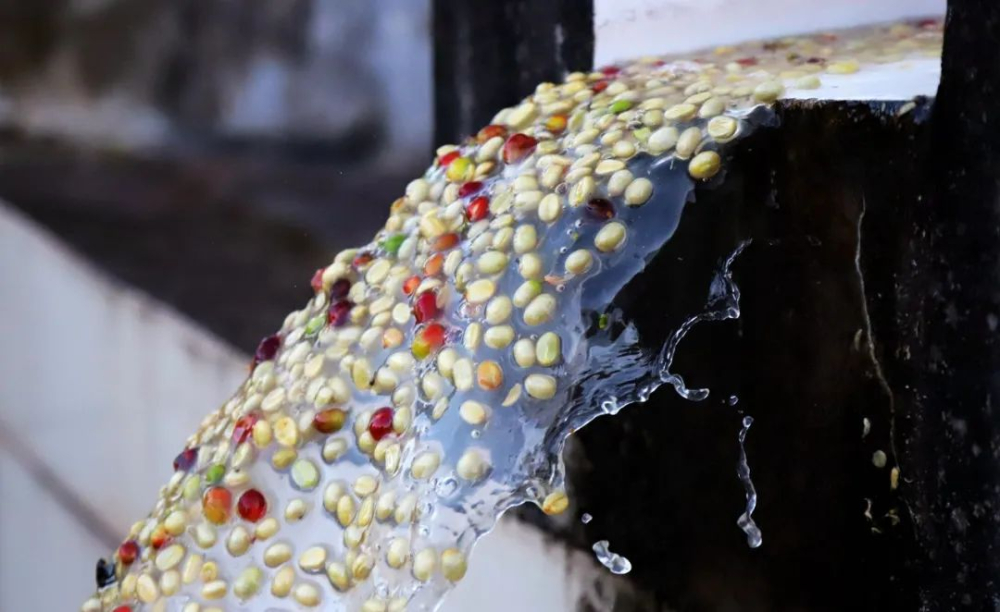
Yirgacheffe is renowned for its unique citrus, lemon, berry, and fresh floral notes, along with a soft tea-like body, making it a top choice for many coffee beginners. Located in a highland wetland area, this region traditionally used the natural processing method, but after 1972, the washed process was introduced, resulting in greater clarity and aroma in the coffee. The washed process effectively reduces defect rates, leading to a cleaner and brighter flavor. A well-known coffee brand’s recommended Yirgacheffe everyday bean is medium-light roasted, preserving rich fruit acidity and floral-fruity notes, and is suitable for various brewing methods including pour over, cold brew, and French press.
Guatemala Huehuetenango (washed)
The Huehuetenango region is located in the western highlands of Guatemala, with altitudes reaching up to 2000 meters. Its dry climate and diverse terroir produce coffee with complex flavor layers. Most beans here are SHB (Strictly Hard Bean) grade, indicating high density and excellent quality. The washed process highlights a clean and bright profile. With medium-light roasting, you can detect pronounced citrus and nutty aromas, making it ideal for those who enjoy a balance of fruity and acidic notes.
Colombia Huila (washed)
The Huila region, situated on the foothills of the Andes near volcanoes, boasts mineral-rich soil and a mild climate with moderate rainfall year-round. Coffee trees grow at altitudes exceeding 2000 meters, producing coffee with bright acidity and a chocolatey base note. The area is dominated by smallholder farms that emphasize hand-picking and meticulous processing. The washed Huila everyday beans, when medium-dark roasted, retain gentle acidity while offering nutty and chocolatey aftertastes, showcasing the classic Colombian coffee style.
Brazil Cerrado (pulped natural)
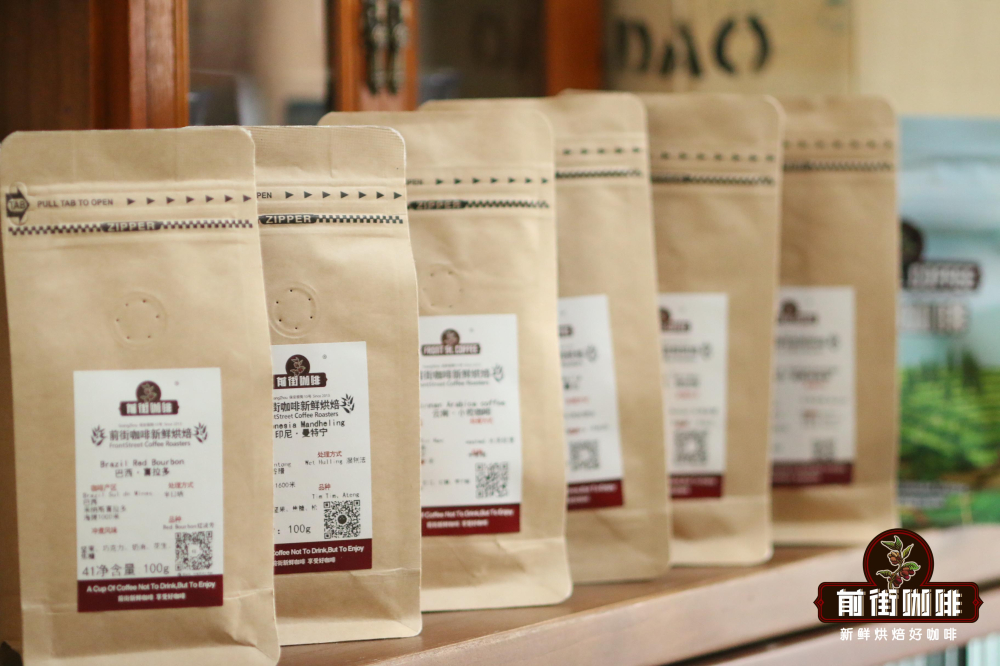
Brazilian coffee is known for its low acidity, smoothness, and balanced mouthfeel, making it suitable for espresso blends. The Cerrado region, located in Minas Gerais, sits at altitudes between 800 and 1300 meters. It features mineral-rich soil and distinct wet and dry seasons, yielding coffee with nutty and creamy aromas. A well-known coffee brand’s recommended Cerrado pulped natural Red Bourbon beans combine sweetness with a full body, making them an ideal choice for experiencing classic Brazilian flavors.
Costa Rica Tarrazú (washed)
The Tarrazú region is located south of Costa Rica’s capital, San José, at altitudes between 1200 and 1700 meters. Its cool climate and volcanic mineral-rich soil are highly suitable for high-quality coffee cultivation. Local producers use the washed process, combining the Caturra and Catuaí varieties. The former brings bright acidity and berry notes, while the latter adds a nutty base. The overall flavor is balanced and soft, making it a great entry point for exploring Central American coffee flavors.
Indonesia Lintong Mandheling (wet-hulled)
Indonesia’s hot and humid environment gave rise to the unique wet-hulled processing method, which involves removing part of the parchment layer to speed up drying. This imparts intense woody, spicy, and herbal notes, forming the well-known “Mandheling character.” Wet-hulled Mandheling from the Lintong region often features low acidity, a heavy body, and distinctive spice notes, appealing to those who enjoy deep, bold flavors and a rich mouthfeel.
China Yunnan Baoshan (washed)
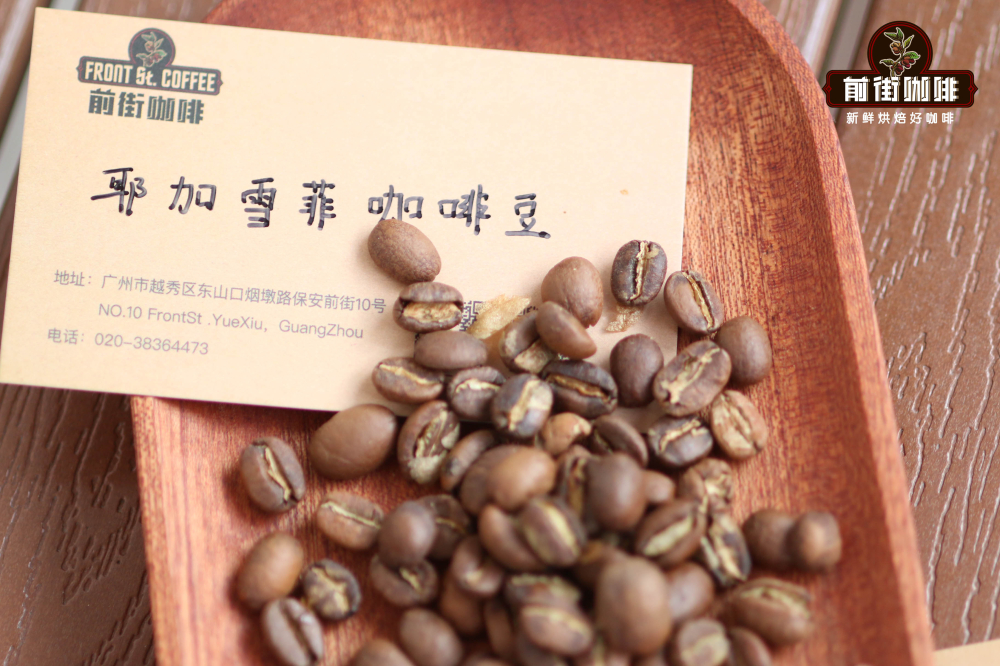
The Baoshan region in Yunnan, with its unique high altitude and dry-hot valley climate, produces small-bean coffee with high sweetness and pronounced aftertaste. A well-known coffee brand’s recommended washed Baoshan beans are medium roasted, highlighting chocolate and nut aromas while retaining moderate acidity. They present herbal, brown sugar, and fruity sweetness, making them a premium choice for experiencing domestic specialty coffee. Notably, most Yunnan beans are naturally processed, but washed processing better reveals their original flavors without excessive flavor enhancement.
The above content is compiled by CoffeeHunters, a coffee news website.


