







Introduction:Explore the Huakui 4.0 coffee beans from Ethiopia’s Guji Hambella region, discover the characteristics of the Dega variety, its natural sun-drying processing method, and its unique fruity and sweet flavor profile. This article delves into the origin background, processing techniques, and offers practical pour over brewing tips and parameters to help you fully experience the layered charm of this high-altitude sun-dried coffee.
In 2017, an Ethiopian sun-dried coffee that won an award at the TOH (the Taste Of Harvest) competition was named “Huakui” by a Chinese importer, kicking off the buzz around this coffee. Four years later, Huakui 4.0 made its debut, featuring a brand-new Dega variety, expanded growing regions, more meticulous cultivation and processing, and even more refined flavors. This piece will take you through the growing environment, varietal traits, processing methods, and hands-on brewing, offering a comprehensive understanding of this highly anticipated coffee.
Huakui 4.0 is produced in the Guji region of Ethiopia’s Sidama Province, specifically in the Hambella sub-region at an altitude of approximately 2,350 meters, and is carefully processed by the Buku washing station. Hambella is not only one of the highest-altitude sub-regions in Guji but also geographically adjacent to the renowned Yirgacheffe area, enjoying a unique microclimate that is highly suitable for cultivating high-quality Arabica coffee.
Coffee farming in this area is mostly carried out by smallholder farmers, with many coffee trees growing alongside native banana plants. The rich natural growing environment contributes significantly to the unique layers of flavor in the coffee. Currently, there are nearly 20 washing stations in the region, among which Buku is the origin of the Huakui series and the only washing station authorized to use the name “Huakui.”
Buku (Buku Abel) means “new place” in the local language, and true to its name, this is a relatively new coffee-growing area. The village where the washing station is located has a population of about 30,000 and is situated in a high-altitude, pristine tribal region. Coffee is mostly grown in wild forests and is often interplanted with native bananas. This environment not only aids the growth of coffee trees but also allows the coffee cherries to accumulate more complex flavors during ripening.
It’s important to note that only sun-dried coffee from the Buku washing station qualifies as “Huakui coffee beans.” For this reason, the 2018–2019 Huakui 2.0, 3.0, and 3.1 all originated from this washing station. By 2020, Huakui 4.0 was introduced, not only expanding the growing area but also elevating flavors further through more scientific cultivation and post-harvest processes.
The variety used in Huakui 4.0 is Dega, a high-altitude-adapted native Ethiopian variety. There are two theories about the origin of the name Dega: one links it to a type of wood used for starting fires, said to emit a similar aroma when roasted; the other suggests that “dega” in Amharic means “highland and shady place,” fitting its growing environment. Although it didn’t rank in the top 14 of the CoE competition, its actual performance remains impressive, particularly in terms of adaptability to high altitudes and flavor potential.
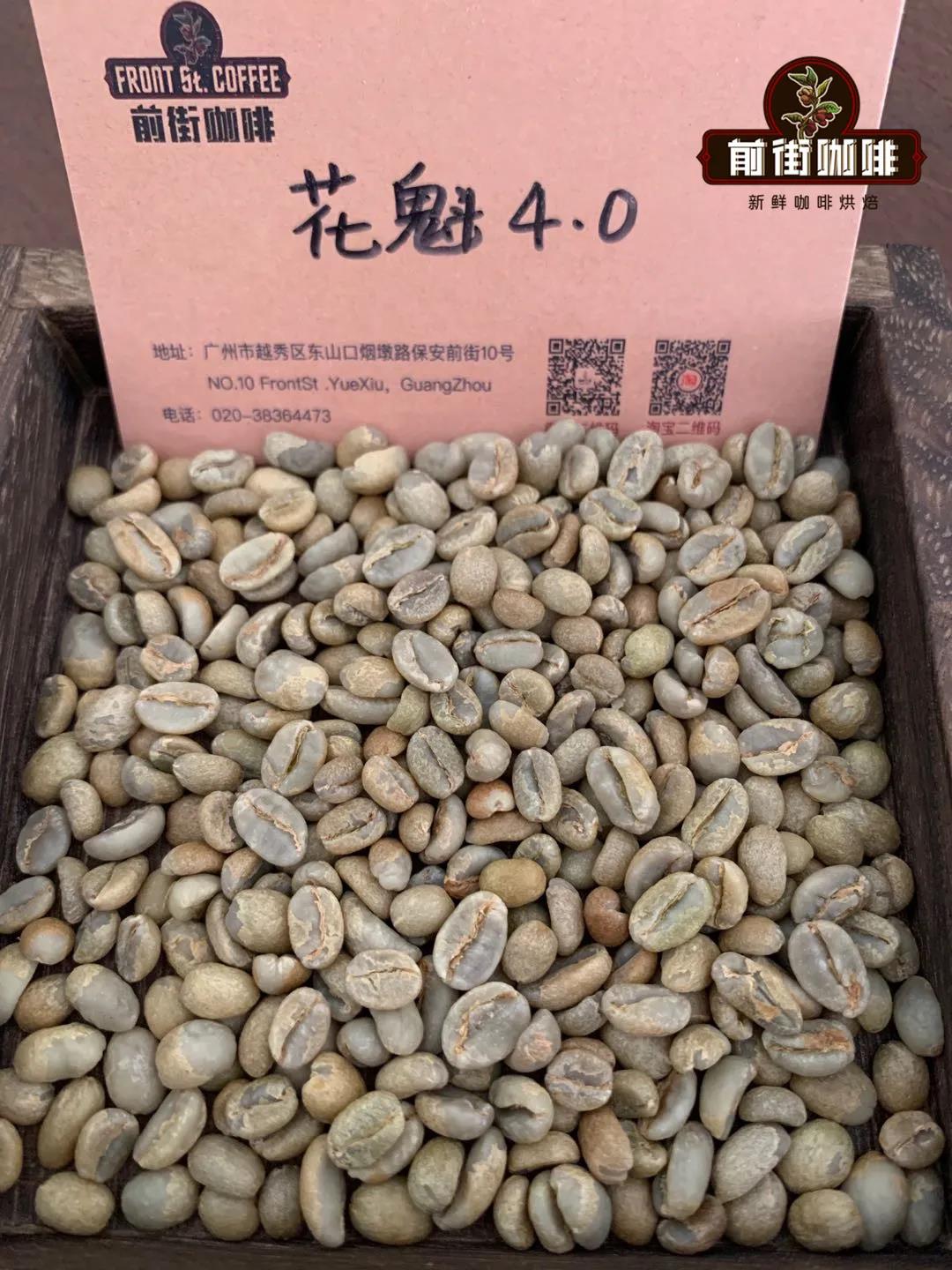
Visually, the beans of Huakui 4.0 are slightly smaller and vary in size, as they are unsorted — unlike the more uniform beans of the previously sorted Huakui 3.0. However, this “imperfection” often reflects a more natural processing method and greater flavor potential. The Dega variety is characterized by bright acidity, rich fruitiness, and a distinct sweet base.
Huakui 4.0 employs the traditional natural sun-drying process, which includes: harvesting the coffee cherries and then spreading them directly on drying beds, turning them at appropriate times each day to avoid uneven fermentation or over-drying. After several days of sun exposure until the moisture content reaches the desired level, the cherries are depulped using a hulling machine to remove the flesh and skin, leaving behind the green coffee beans. This method preserves the natural sugars in the mucilage, resulting in a richer sweetness and complex layers of fruitiness after roasting.
The advantage of the natural process lies in its ability to bring out intense tropical fruit and berry notes, and impart a honey-like or syrupy sweetness to the coffee. However, it also comes with challenges, such as a higher risk of including defective beans, less uniform bean appearance, and the potential absorption of off-flavors if not processed properly. Therefore, choosing a reputable washing station is especially crucial.
In terms of roasting and pour over recommendations, Huakui 4.0 is best suited to medium-light to medium roasts to preserve its bright acidity and fruity character. We recommend using a HARIO V60 for brewing, with the following parameters: 15 grams of coffee, a 1:15 coffee-to-water ratio, water temperature around 90°C, and a grind size similar to superfine sugar (approximately 80% passing through a Chinese standard No. 20 sieve).
Specific pour over technique recommendation: start with a 30-second bloom using 30 grams of water, then pour in a circular motion to reach 125 grams and pause for a split pour. Once the bed visibly sinks, continue pouring to a total of 225 grams. Allow the water to fully drain before removing the filter, with total brew time controlled around 2 minutes. These parameters effectively highlight Huakui 4.0’s citrus acidity, berry-like juiciness, and a refreshing tea-like finish reminiscent of lemon black tea, with a lasting and layered sweetness.
The above content is compiled by CoffeeHunters, a coffee news website.


