







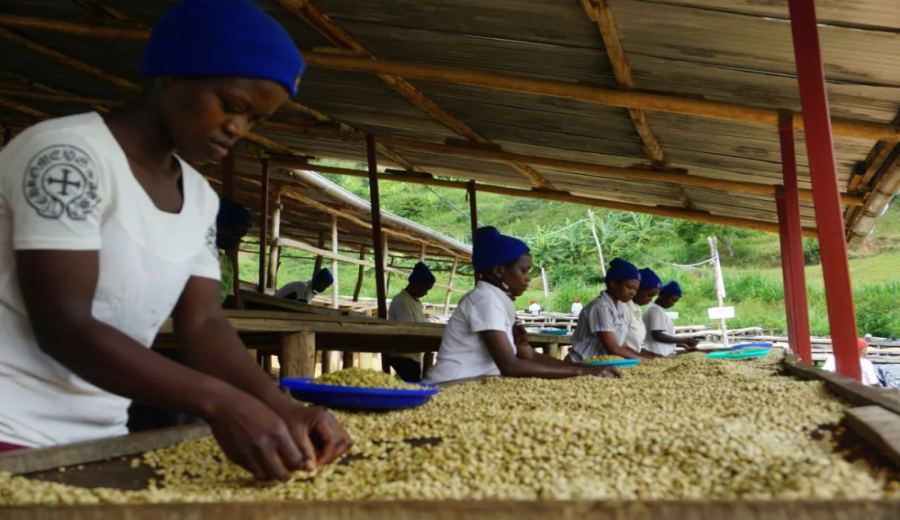
Introduction:Ethiopia is hailed as the genetic cradle of coffee, boasting the world’s richest diversity of heirloom varieties. From Yirgacheffe to Sidamo, each bean offers a unique flavor profile. This article delves into Ethiopia’s coffee variety classification, differences in processing techniques, the quality enhancement strategy of the Red Cherry Project, as well as the region’s unique grading system, and provides professional cupping and pour over parameter references to help coffee enthusiasts fully grasp the essence of this African coffee kingdom.
Ethiopia is not only the birthplace of coffee but also the world’s gene bank for heirloom varieties. This East African country is home to between 10,000 to 15,000 coffee varieties, many of which are unnamed heirloom types. Due to its varied terrain and microclimates, even neighboring regions may grow completely different varieties. The JARC varieties developed by the Jimma Agricultural Research Center and the naturally evolved local landraces together form the genetic diversity of Ethiopian coffee.
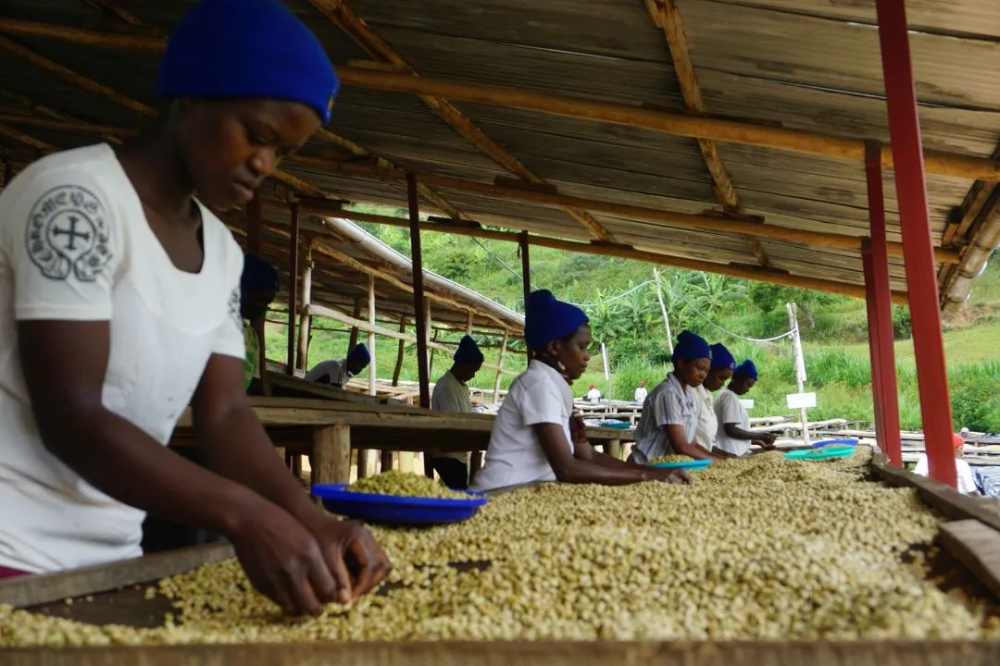
The Yirgacheffe and Sidamo regions are often seen as entry points for understanding Ethiopian coffee. These regions’ beans are known for their bright acidity and rich floral and fruity aromas, especially washed beans that can showcase exceptional citrus notes. It’s worth noting that Ethiopian beans often appear slender in appearance, a trait tied to local variety characteristics but not affecting their flavor performance. Processing method differences lead to significant flavor variations: washed beans typically exhibit a clean balance of acidity and sweetness, while natural beans contain more intense fruitiness and sweetness.

Professional cupping shows that the TOH washed group champion bean from the Gedeb zone in Sidamo exhibits classic jasmine, lemon, and berry aromas. When using standard pour over parameters — such as a V60 filter, water temperature of 90–91°C, and a 1:15 coffee-to-water ratio — this bean presents a clear three-phase flavor profile: a front note of citrus acidity and jasmine floral notes, a middle phase of pomelo tea character, and a finish with honey-like sweetness. In contrast, natural-processed beans from the same region often display more intense berry and oolong tea aftertastes, though with lower consistency in quality.

The Red Cherry Project is a key mechanism for improving the quality of Ethiopian coffee. This initiative ensures every coffee bean meets high-quality standards through handpicked harvesting of only ripe cherries and rigorous screening throughout the processing workflow. Cooperatives participating in the project receive higher purchase prices, thereby motivating farmers to engage in more meticulous production management. Actual cupping data reveals that coffee beans processed under the Red Cherry Project show significant improvements in flavor purity and consistency, particularly in the sweetness performance of natural-processed beans.
Ethiopia’s grading system differs significantly from other producing regions. The country primarily grades coffee based on physical characteristics (40% weight) and cupping quality (60% weight), rather than solely relying on bean size. Washed beans must meet basic requirements such as moisture content not exceeding 11.5% and over 85% of beans being no smaller than screen size 14. Among the nine grades from G1 to G9, G1 (91–100 points) and G2 (81–90 points) are considered the highest quality tiers. Within these, G1 and G2 beans scoring above 85 points are further classified as Q1 grade, and these top-tier beans typically exhibit distinct citrus, floral, and honey notes.

For coffee enthusiasts, understanding the impact of processing methods on flavor is crucial. Washed processing clearly highlights the unique flavor profiles of the growing region. It’s recommended to use medium-fine grind (e.g., EK43s-10 / fine sugar size) and a 1:15 coffee-to-water ratio for pour over to accentuate its bright acidity. For natural-processed beans, attention should be paid to roast evenness issues; it’s advised to choose G3 grade beans or higher with scores above 80, and to moderately extend the blooming time to fully release fruity aromas. Regardless of the processing method chosen, freshness remains the key factor influencing the final flavor performance.
The above content is compiled by CoffeeHunters, a coffee news website.


