







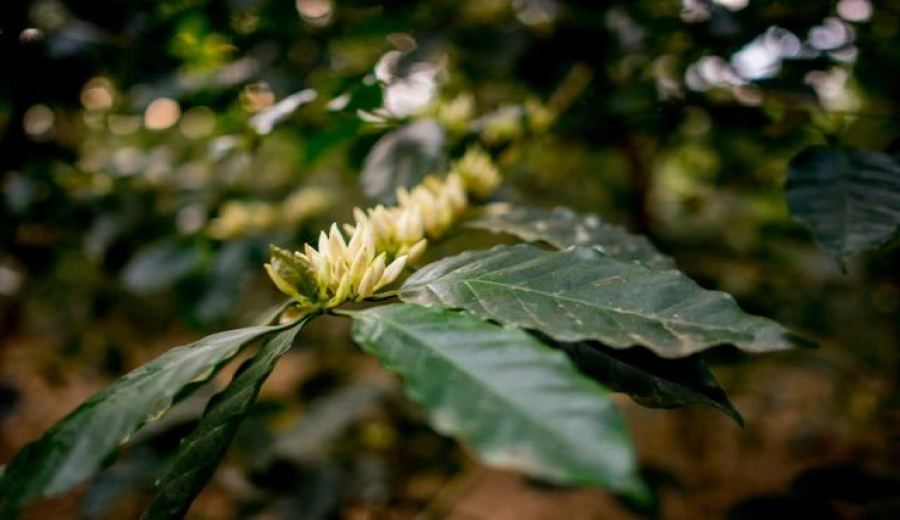
Introduction:Although Laos is not a mainstream coffee-producing country, the Arabica coffee grown on its Bolaven Plateau stands out with its smooth, mellow body and moderate acidity. This article takes you from the historical background of coffee introduction during the French colonial period to the present-day core producing regions such as Champasak Province, analyzing how high altitude and volcanic soil shape its unique flavor profile, and offering a glimpse into Laos' century-long transformation—from a Robusta-dominated market to the revival of Arabica.
Among Asia’s many coffee-growing regions, Indonesia’s Mandheling and Vietnam’s massive output often take the spotlight. Yet Laos, an inland country in the Indochina Peninsula, remains an underexplored gem. Bordered by China, Vietnam, Thailand, and Cambodia, this nation boasts the Bolaven Plateau’s exceptional geographical conditions—high altitude, abundant rainfall, and fertile volcanic soil—that nurture coffee with gentle, smooth characteristics. From the introduction of Typica and Bourbon varieties during the French colonial era, to the post-war shift toward Robusta due to disease and yield demands, and the gradual return to Arabica cultivation, Laos’ coffee industry has traversed a turbulent yet fascinating century-long journey. This article delves into the development trajectory of Laos’ coffee, highlights the characteristics of its key producing regions, and examines the current state of the industry, offering a comprehensive understanding of this promising origin—from historical context to flavor expression.
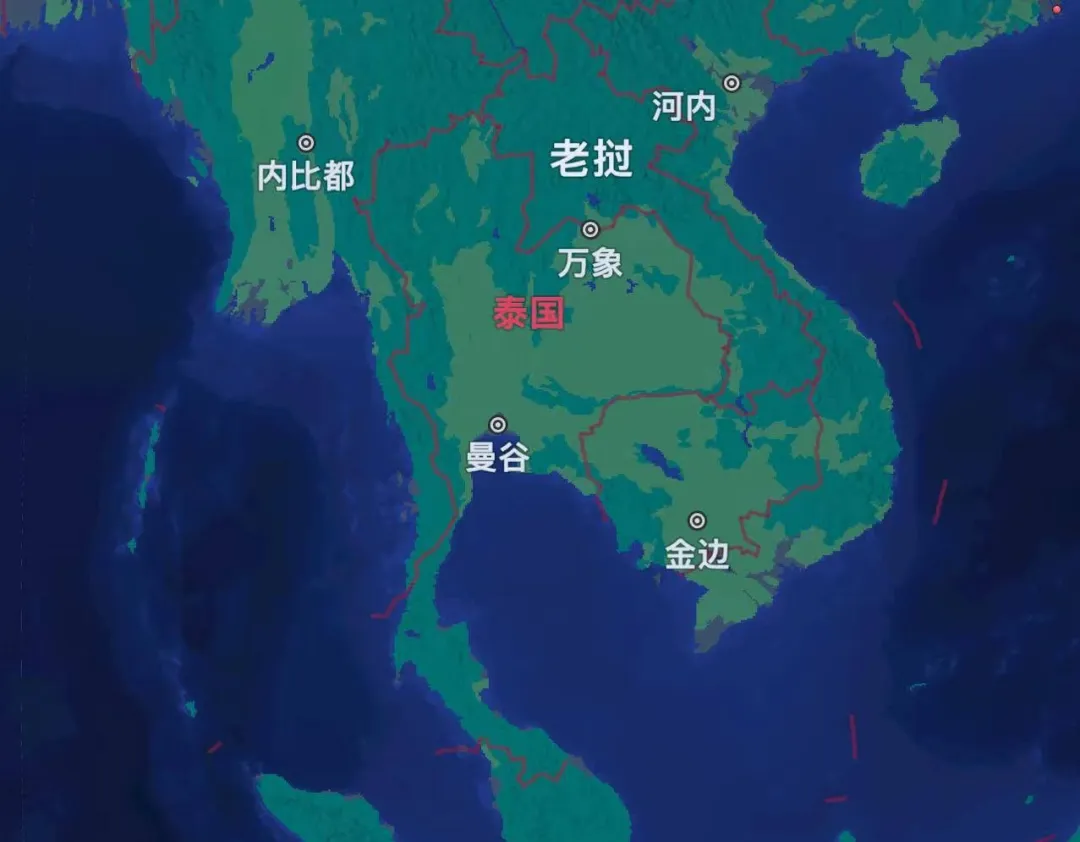
When discussing Asian coffee-producing nations, many immediately think of Indonesia’s Mandheling or Vietnam, which consistently ranks as the world’s second-largest producer. In contrast, Laos—a landlocked country in the northern Indochina Peninsula—has long received little attention for its coffee story. As a nation without direct access to the sea, Laos borders Vietnam to the east, Cambodia to the south, Thailand and Myanmar to the west, and China to the north, covering a total area of approximately 236,800 square kilometers across 17 provinces and 1 prefecture-level city. Its national flag carries deep symbolism: the central blue stripe represents abundance and peace, the red symbolizes the spirit of revolution, and the white circle in the middle signifies purity, like a full moon illuminating the skies above the Mekong River. Laos’ terrain is generally higher in the north and lower in the south, with the northern region connected to Yunnan’s western highlands, the eastern part dominated by the Annamite Range plateau, and the western area comprising the Mekong River valley and surrounding basins. This topography, combined with a tropical and subtropical monsoon climate—featuring a rainy season from May to October and a dry season from November to April, along with an average annual temperature of around 26°C and annual rainfall of up to 2,000 millimeters—creates an exceptionally promising environment for coffee cultivation.
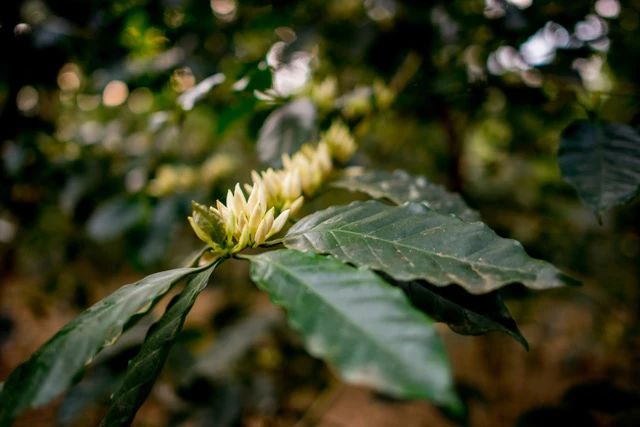
Laos’ coffee-growing history dates back to the early 20th century during the French colonial period, when the French introduced the classic Arabica varieties Typica and Bourbon for trial planting in the southern Bolaven Plateau. However, subsequent wars and coffee diseases severely impacted the industry. To boost yield and disease resistance, Robusta gradually replaced Arabica as the dominant variety, and it still accounts for the vast majority of Laos’ coffee production today. Nevertheless, Arabica cultivation has been gradually revived, now making up about one-third of total output. The country’s coffee harvest season primarily falls between November and March each year, coinciding with the dry season, which facilitates stable ripening and harvesting of coffee cherries.
When it comes to Laos’ coffee-growing regions, the Bolaven Plateau is undoubtedly the crown jewel. The name of this plateau originates from the local Laven ethnic group, meaning “the homeland of the Laven people.” Nestled among the Annamite Mountains, it borders Laos’ border with Vietnam to the east and lies near the Mekong River basin to the west, with elevations ranging from 1,000 to 1,350 meters. In terms of planting history, scale, and output, the Bolaven Plateau leads all of Laos. Its core growing areas include Paksong in Champasak Province, Thateng in Salavan Province, and Laongam in Sekong Province. These three regions collectively account for approximately 70,000 hectares of coffee plantations and contribute about 95% of the nation’s total coffee production.The combination of high altitude and fertile volcanic soil results in coffee that often exhibits pronounced sweetness, medium-to-low acidity, and a rich body—making it highly appealing to coffee enthusiasts who favor balanced flavors.
Looking at the current state of Laos’ coffee industry, its export markets are primarily concentrated in neighboring Vietnam, Thailand, and China. The industry structure remains dominated by small, family-run coffee farms, with production largely geared toward meeting domestic demand and limited export proportions. In terms of post-harvest processing, Laos still has significant room for improvement, and large-scale, commercialized coffee estates remain relatively scarce. Despite these challenges, Laos’ coffee—renowned for its distinctive smooth texture and moderate acidity—has gradually begun to attract international attention. For coffee lovers eager to explore emerging origins and experience diverse flavor profiles, Laos’ coffee is undoubtedly a compelling choice worthy of deeper exploration and appreciation.
In summary, the story of Laos’ coffee begins with colonial legacies, endures the trials of war and disease, and gradually breaks free from the dominance of Robusta to rediscover the potential of Arabica. The Bolaven Plateau, as the core producing region, continues to yield uniquely flavored and consistently high-quality coffee beans thanks to its exceptional geographical and climatic conditions. If you’re drawn to the smooth mouthfeel and layered complexity of high-altitude Arabica, consider adding Laos’ coffee to your tasting list and discover the charm of this inland nation in the Indochina Peninsula.

The above content is compiled by CoffeeHunters, a coffee news website.


