







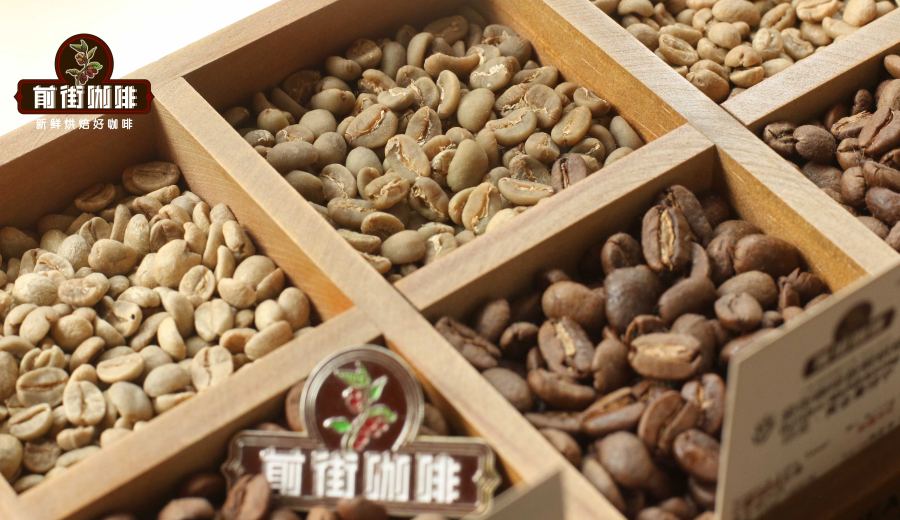
Introduction:Dive deep into the Mandheling coffee region of the Gayo Highlands in Aceh, Sumatra, Indonesia, to explore its unique geographical environment, the secrets of the wet-hulling processing method, and the authentic certification standards of Golden Mandheling. This article takes you from the background of the origin, the lineage of the variety, to the details of three popular Mandheling products, and provides practical tips for identification and brewing parameters to help you find your favorite specialty Mandheling.
Asian coffee ranks second only to Central and South America in global production, and its flavor profile is known for being rich and deep. While its acidity may not be as vibrant as African beans, it boasts unique woody, herbal, spicy, and earthy notes. Mandheling is a classic representative of this style. As Indonesia’s most iconic coffee, Mandheling is mainly produced on the island of Sumatra, and its name is a transliteration of the Mandailing ethnic group, with an interesting origin tied to a World War II misunderstanding. This article will comprehensively analyze the varietal origins of Mandheling, the characteristics of Sumatra’s core producing regions, Indonesia’s unique wet-hulling processing method, and focus on three popular products: Lintong Mandheling, Golden Mandheling, and Tiger Mandheling. Finally, it also offers practical tips for identifying genuine Golden Mandheling.
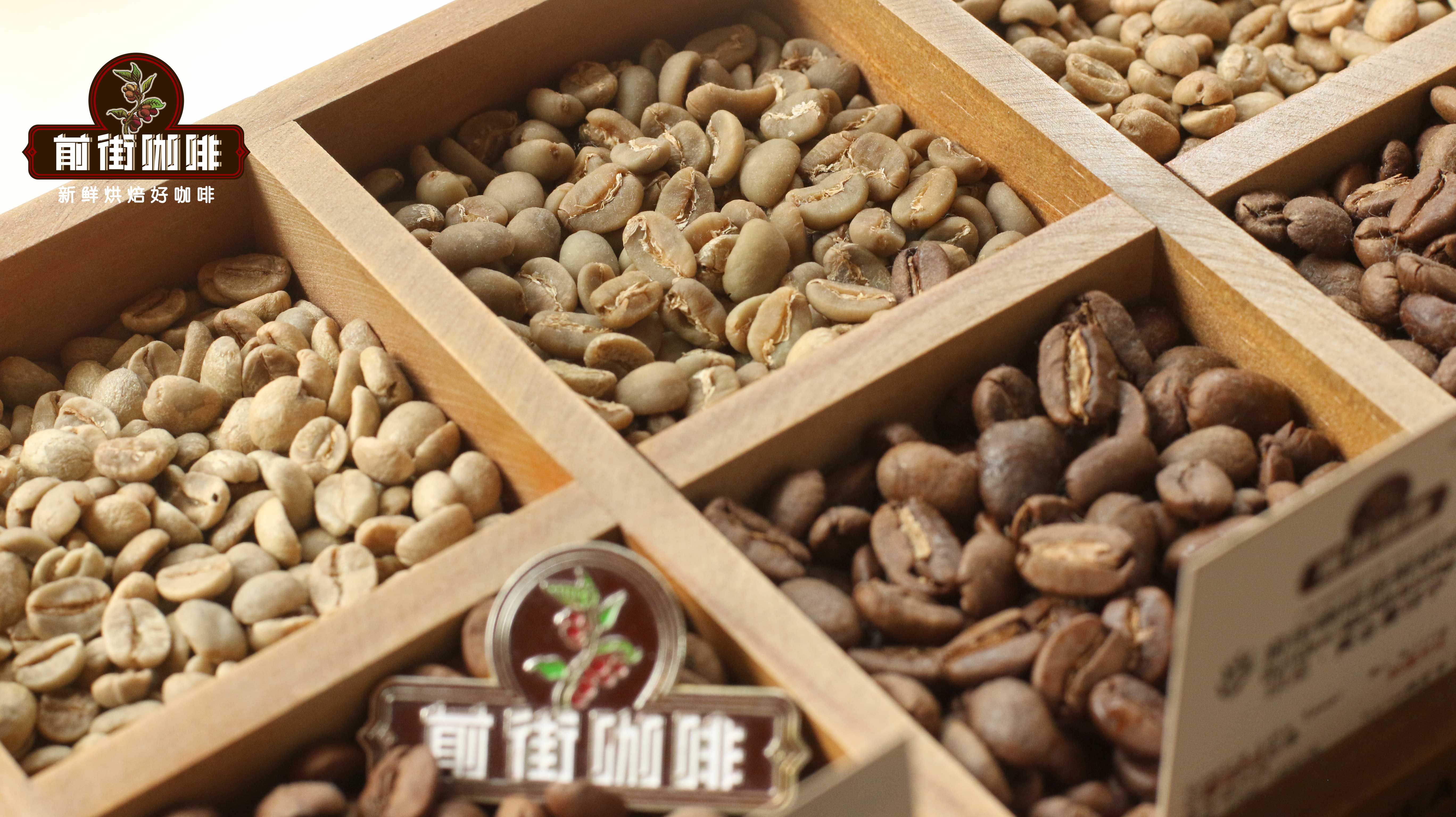 The overall flavor profile of Asian coffee is distinctly different from that of Central and South America or Africa. In comparison, coffee beans from Asian producing regions often exhibit a heavier body and deeper tones, with less pronounced acidity but instead exude rich woody, herbal, spicy, and earthy aromas — belonging to a more reserved, "muted aromatic" style. These characteristics are not universally embraced; some coffee enthusiasts are particularly fond of them, while others may find them hard to appreciate upon first taste. But it is precisely this uniqueness that gives Mandheling a distinctive place in the world of coffee.
Mandheling is not a place name, but a transliteration derived from the Mandailing ethnic group in Indonesia. During World War II, a Japanese soldier drank an unforgettable cup of coffee at a café in Indonesia. After asking the shop owner, he mistakenly thought the answer referred to the place name "Mandheling." He later purchased large quantities to bring back to Japan, leading to the global recognition of this name. Today, "Mandheling" has become synonymous with high-altitude Arabica coffee from Sumatra, Indonesia, particularly concentrated in the Gayo Highlands of Aceh and the Lintong area in North Sumatra.
 Sumatra is Indonesia’s largest island, characterized by a tropical rainforest climate with high temperatures, high humidity, and abundant rainfall throughout the year, providing an ideal growing environment for coffee trees. However, due to altitude limitations, there are not many areas in Indonesia suitable for growing high-quality Arabica, with only about 25% of coffee being Arabica, mostly found in high-altitude regions such as Sumatra. The rest are Robusta varieties, which are more tolerant of low altitudes. Famous producing regions, such as the "Two Lakes and Two Mandhelings," include Lake Tawar (near the Gayo Highlands) in Aceh and Lake Toba in North Sumatra (where Lintong is located), both renowned for producing richly flavored Mandheling.
In terms of varieties, one brand’s Lintong Mandheling is labeled as Tim Tim Ateng, while Golden Mandheling is labeled as Ateng. Ateng is the local term for a hybrid variety of Arabica and Robusta, belonging to the Catimor branch, well-suited to the planting conditions in the Gayo region and offering stable flavor performance. Early Dutch settlers introduced Typica to Sumatra, but after the outbreak of coffee leaf rust in 1877, they switched to more disease-resistant varieties, including Robusta, Timor Hybrid, Catimor, Kent, and S795. Most of these still belong to the Arabica system and are now primarily distributed in the high-altitude areas of the northern part of the island.
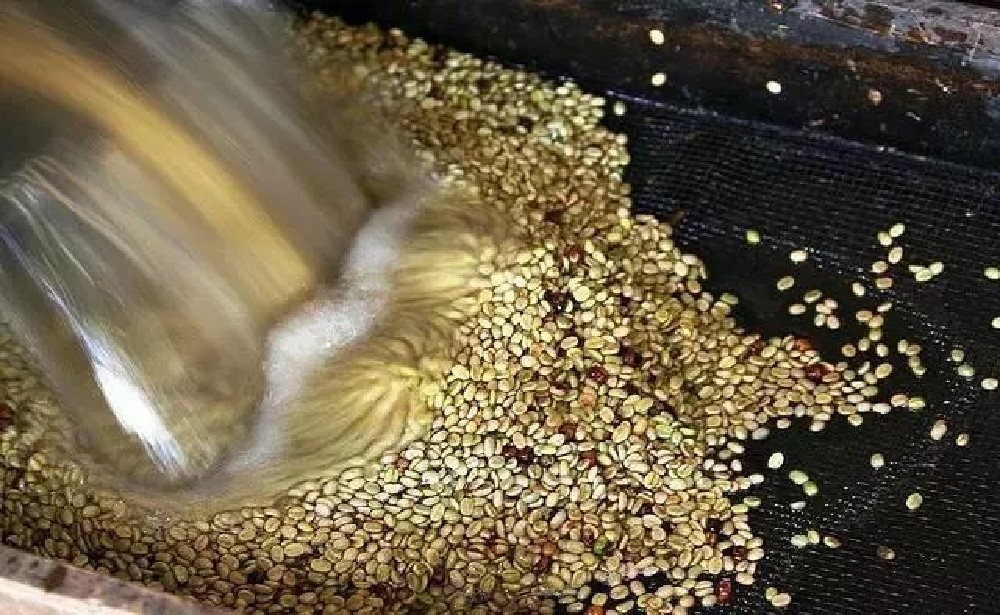
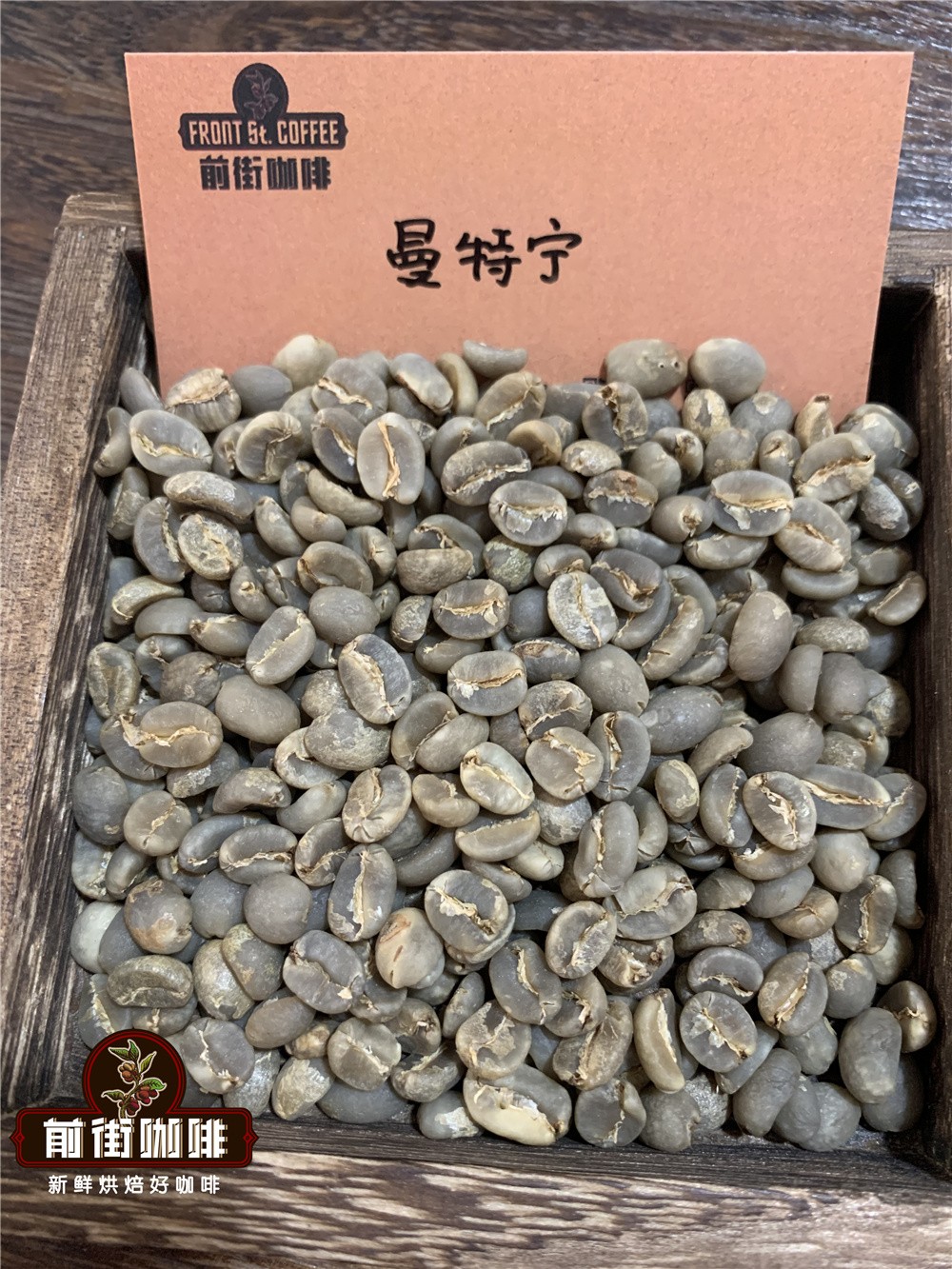 Indonesia’s unique "wet-hulling" method is a key factor in shaping the distinctive flavors of Mandheling. Due to the region’s year-round rainy climate, limited sunlight, and economic constraints, traditional sun-drying and washed processing methods are not widely used, leading to the development of this semi-washed, semi-dry processing technique. Farmers remove the skin and pulp immediately after picking, ferment briefly, and then remove the parchment layer (i.e., "husk scraping") while the beans are still 30%–50% moisture, followed by subsequent sun-drying to reach a moisture content of 12%–13%. This method significantly shortens the drying time (about 2–4 days), reduces acidity, enhances body, and brings out rich herbal, woody, and caramel aromas, forming the classic "regional character" of Sumatran coffee.
One brand currently highlights three Mandheling products: Lintong Mandheling, Golden Mandheling, and Tiger Mandheling. Among them, the "Golden" in Golden Mandheling is not a grade but a registered trademark owned by Indonesia’s PWN (Pusat Penyangga dan Pemasaran Kopi Nusantara) coffee company. Established in 1957, PWN was the first company to export Mandheling to Japan and has long supplied high-quality Sumatran Arabica coffee to markets in Japan, Taiwan, and the United States. Authentic Golden Mandheling must come with a PWN certification, and if a seller cannot provide relevant documentation or original jute sack information, it may be counterfeit. The Golden Mandheling sold by this brand is genuine PWN product, with green bean size of 18 mesh and above, fewer than 3 defective beans per 300g sample, qualifying as top-tier G1 grade, and undergoing three rounds of manual sorting to ensure pure flavor, clear sweetness, and distinct aroma.
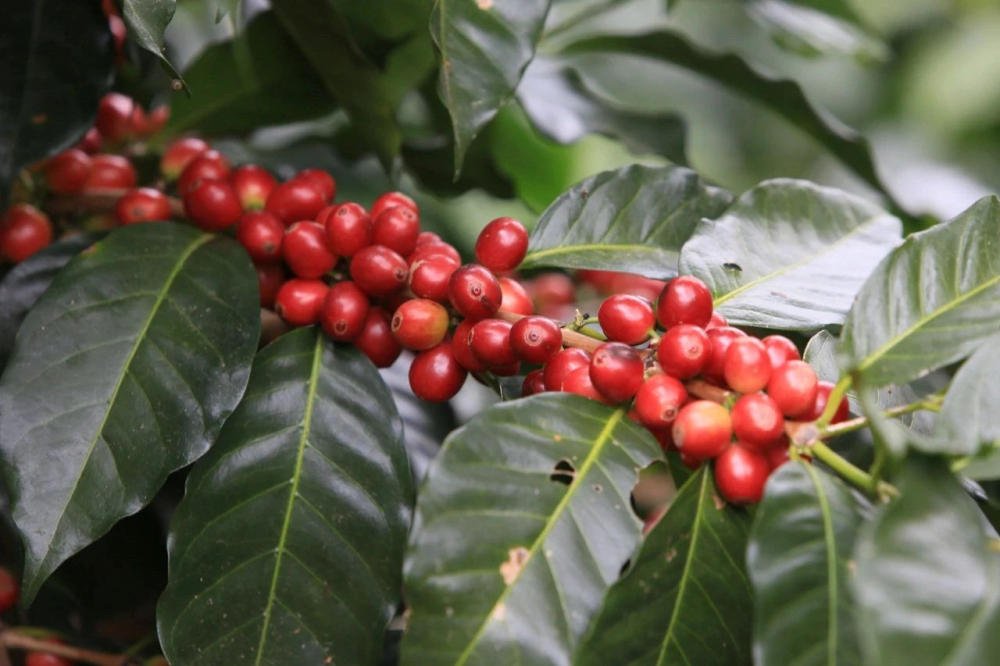 Tiger Mandheling is defined as having a bean size of 17 mesh and above and a defect rate below 4%. The main varieties include Catucai and Typica, with the former offering citrus and lemon acidity and the latter showcasing a sweet aftertaste. This coffee is usually medium to dark roasted to balance acidity and enhance body. The producing regions include Sumatra, Java, and Sulawesi, with the Gayo Highlands near Lake Tawar standing out as a premium origin due to its high altitude, fertile volcanic soil, shade-grown cultivation, and organic, pesticide-free farming practices.
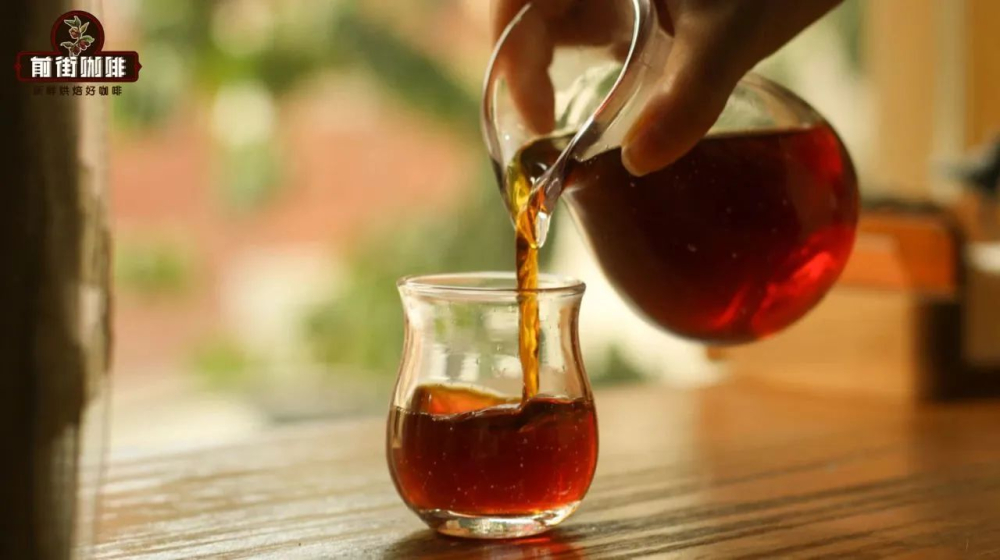
For brewing recommendations, Mandheling, being a dark roast, is best brewed using a Kono filter. Water temperature should be around 88°C, with a water-to-coffee ratio of 1:15 (15g coffee), and grind size set to the 11th setting on an EK43 grinder (equivalent to 75% extraction through a #20 sieve). Use a pulsed pouring method: start with a 30-second bloom using 30g of water, then pour in a circular motion to reach 125g for the first pour, followed by a second pour to 225g before stopping. Total brew time is about 2 minutes. Stir before pouring into the cup. Lintong Mandheling exhibits rich nutty notes, with melon and herbal aromas emerging as it cools; Golden Mandheling has a nutty base, accompanied by melon, spice, and dark chocolate undertones, with a clean and smooth mouthfeel; Tiger Mandheling delivers balanced flavors with prominent creamy, nutty, and chocolate notes, and an overall high cleanliness.
When selecting Mandheling, it is recommended to prioritize freshly roasted beans. The coffee beans shipped by this brand are all roasted within 5 days, and it is suggested to allow a resting period of about 4–7 days for optimal flavor. If grinding is needed, note that ground coffee should be used as soon as possible to avoid prolonged exposure to air, which can lead to oxidation and affect aroma. Mastering these points will allow you to better appreciate the multi-layered charm of Sumatran Mandheling.
The above content is compiled by CoffeeHunters, a coffee news website.


