







Introduction:Although the AeroPress resembles a syringe in appearance, it is the designated brewing device for global specialty coffee competitions, combining immersion and pressure extraction characteristics. This article details its invention background, the design logic of its three main components, and walks you through practical steps to master the stable reverse-pressure technique—from bean selection (such as Papua New Guinea Bird of Paradise), grind size (90% passing through a #20 mesh sieve), to a 1:16 coffee-to-water ratio over a 1 minute 30 second brew time—finally extending to a summer-adjusted 1:8 iced coffee method to help you easily extract rich flavors.
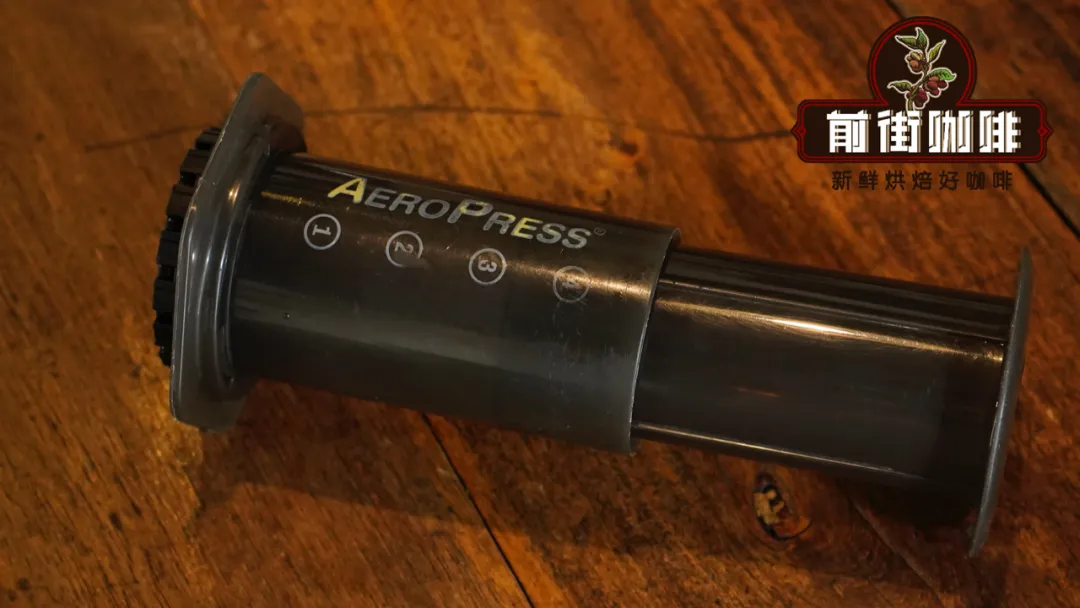
The AeroPress looks strikingly like a large syringe, and at first glance, it’s hard to imagine it’s a professional coffee brewing tool, yet there are even international competitions dedicated to it. Invented by Stanford University mechanical engineering lecturer Alan Adler in his late 60s, this device took two years of experimentation to create, perfectly merging immersion and pressure brewing methods to deliver a unique flavor profile.
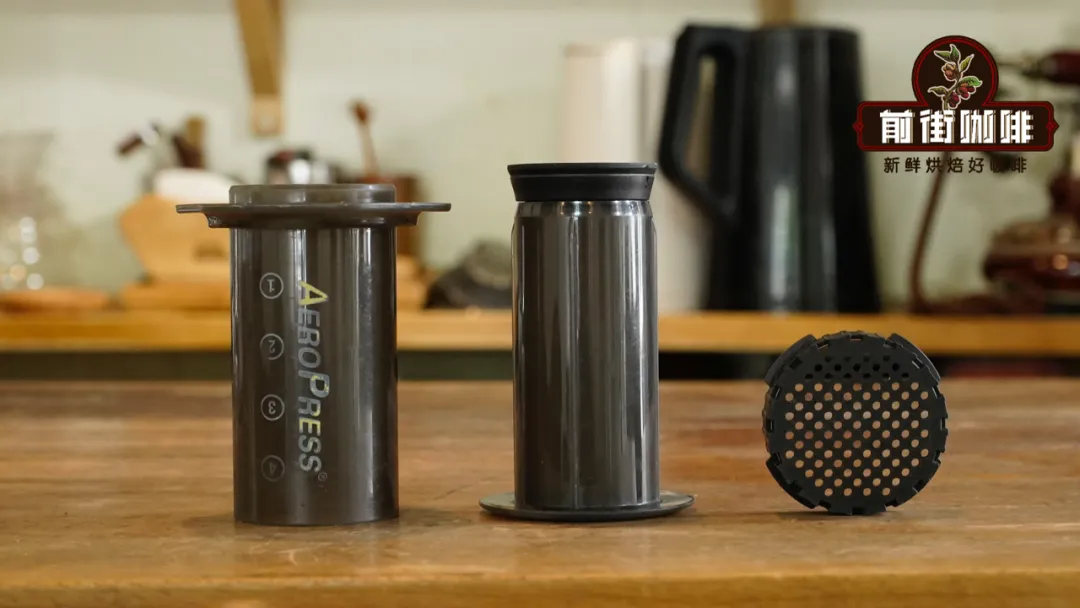
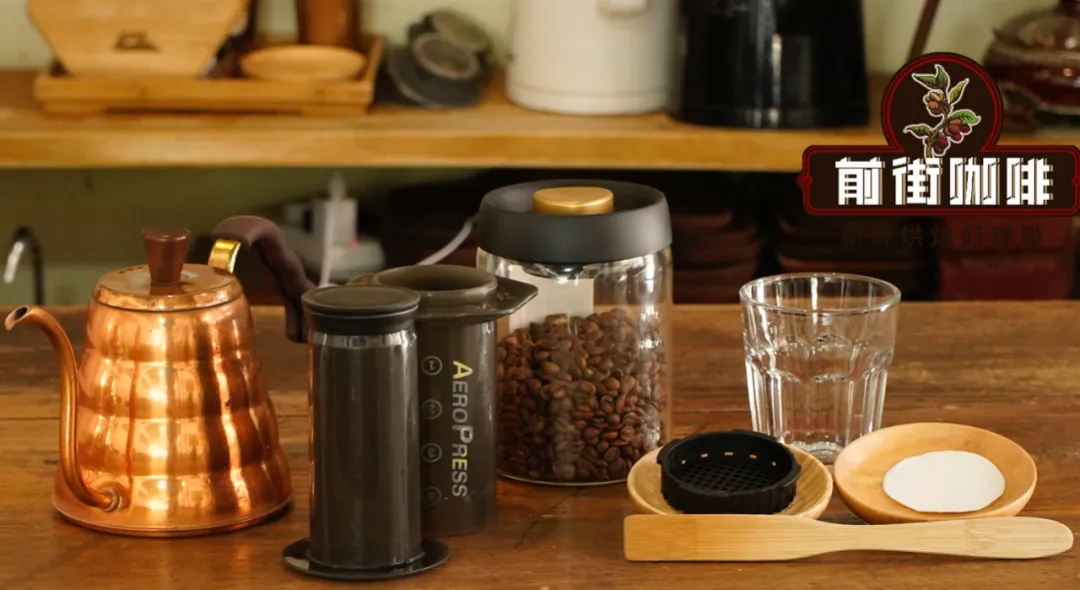
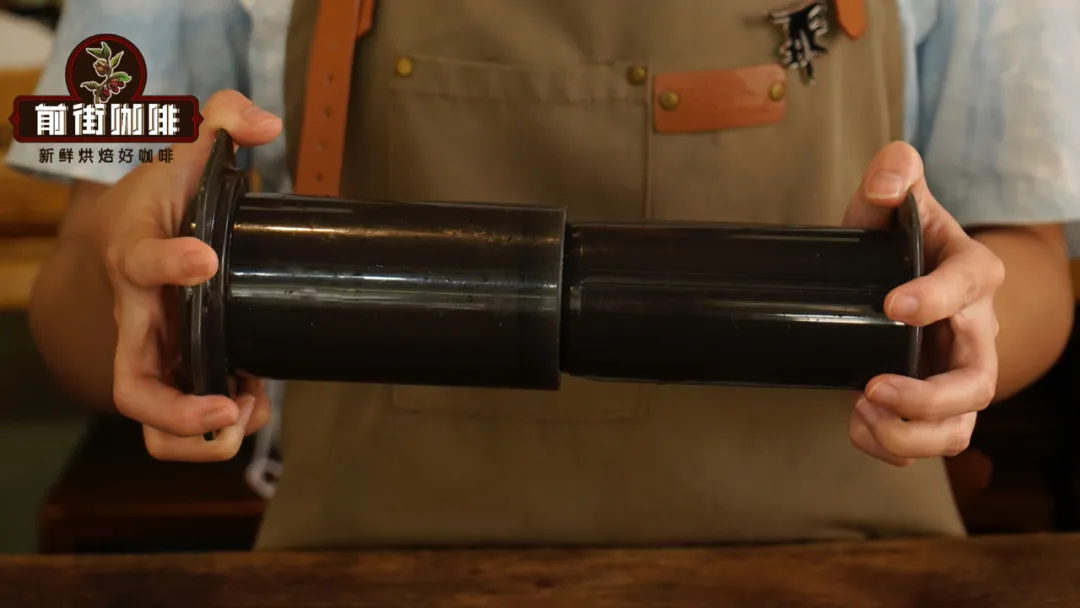
The AeroPress structure consists of three main components: the brew chamber, the plunger, and the filter cap (filter paper or a filter screen is required). This design flexibly accommodates coffee beans of varying roast levels and grind sizes. Its extraction principle first releases flavors through water and coffee immersion, then uses the plunger to pressurize and extract a concentrated coffee liquid, achieving a balance between the layered complexity of single-origin coffee and the intensity of espresso.
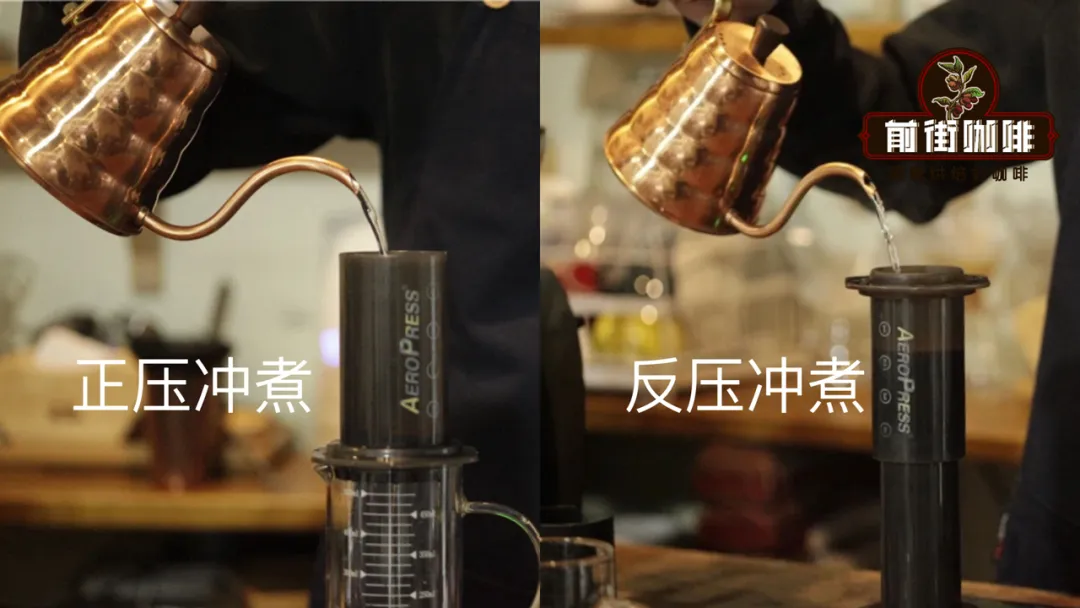
There are two common ways to use the AeroPress: regular (forward) and inverted (reverse) methods. The forward method requires attaching the filter cap first and placing the chamber upside down, pouring water to steep, then inserting the plunger to press—but it can be prone to water leaking from the filter cap. The reverse method, however, assembles the plunger and brew chamber as the base first, adds coffee grounds for steeping, then flips the filter cap and cup, and finally inverts the whole setup to press—making the process more stable and beginner-friendly. Below is a step-by-step guide using the reverse method.

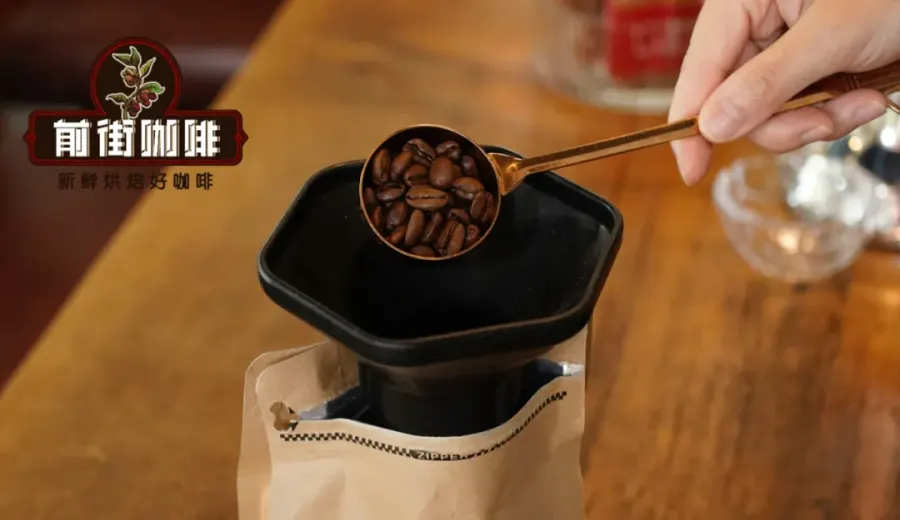
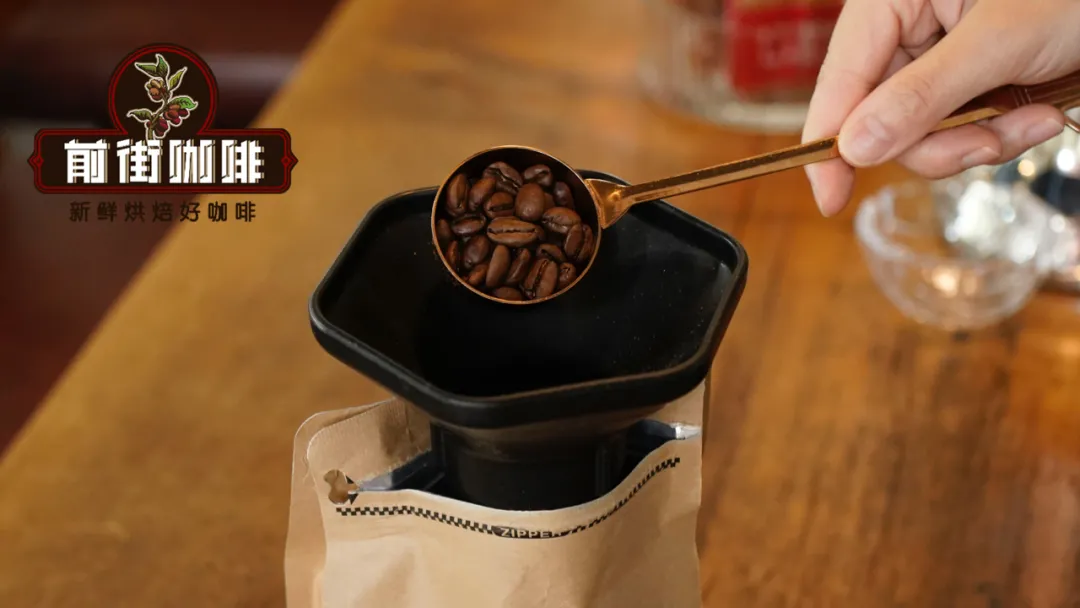
Preparation includes the AeroPress unit, coffee beans (medium-roast Papua New Guinea Bird of Paradise recommended), 90–93°C hot water, a heat-resistant cup, a stirring utensil, and round filter paper. This recipe uses 15 grams of coffee beans with 240 milliliters of water, set at a 1:16 coffee-to-water ratio. The grind size is slightly finer than pour over (approximately 90% passing through a standard #20 mesh sieve), allowing for full extraction of flavor compounds.
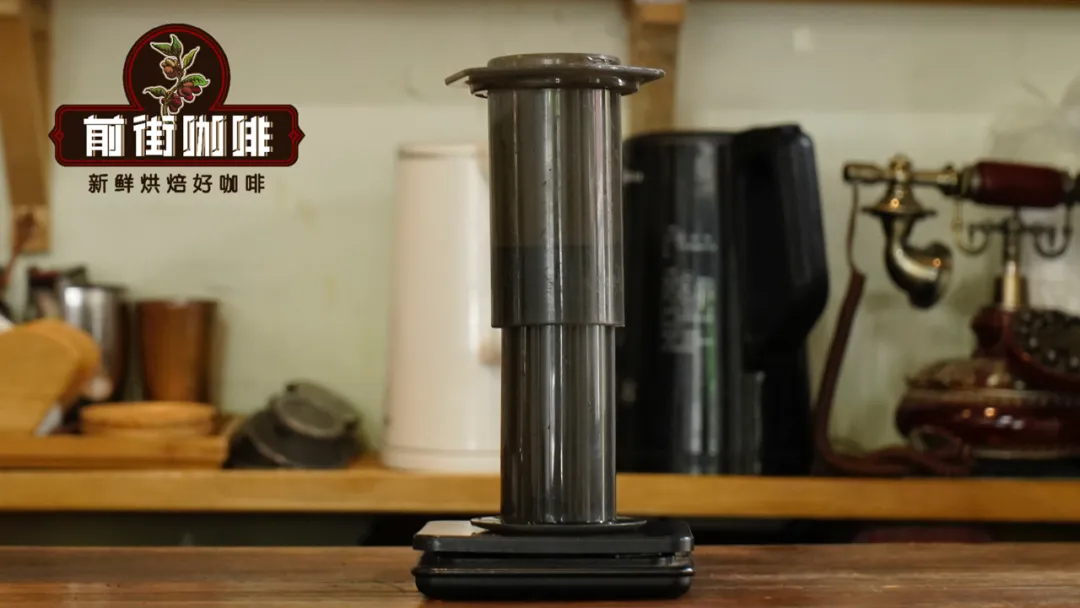
Reverse method steps: First, insert the plunger into the brew chamber and keep the chamber upside down.Start timing immediately at the first step.; then add the ground coffee. It’s recommended to use a fine and even coffee bed to aid in proper immersion. Next, gently stir about 10 times with the stirring utensil to ensure all coffee grounds are evenly saturated with water—this step takes roughly 20 seconds.
Once steeped to the 1-minute mark, place the pre-moistened filter cap (with filter paper attached) onto the brew chamber opening, and invert a prepared cup on top of the filter cap. Carefully flip the entire assembly so that the filter cap faces downward and the plunger side faces upward. Be mindful of balance to avoid displacing the coffee bed.
The final crucial step is pressing: slowly and steadily push the plunger down to extract the coffee into the cup below. The pressing process should take around 30 seconds, with the total brew time kept within1 minute 30 seconds. This yields a cup of coffee with rich flavors and balanced acidity and sweetness—ideal for those who enjoy a bold taste.
To make an iced coffee for summer, simply adjust the coffee-to-water ratio to 1:8, using the same grind size and water temperature. After extraction, immediately add about 100 grams of ice to cool it down, preserving coffee strength without compromising flavor. This method is especially suitable for hot seasons, letting you quickly enjoy a chilled, concentrated coffee experience.
The above content is compiled by CoffeeHunters, a coffee news website.


