








Introduction:Have you ever wondered why Japanese pour over always seems elegant and refined, while espresso is renowned for its intense and quick extraction? This article delves into the historical origins, classic brewing methods, and flavor profiles of Japan and Italy’s two major coffee cultures. From the Hario V60 to the evolution of the Italian espresso machine, it will guide you through deep roast applications, optimal brew ratios, and unique visual brewing experiences. Whether you’re a beginner or a coffee enthusiast, you’ll gain practical insights.
Coffee has long become one of the most popular beverages in the world, and when it comes to dedication and cultural depth, Japan certainly holds a place of its own. The pursuit of craftsmanship and commitment to roasting by Japanese coffee professionals have given rise to a distinctive brewing aesthetic. In contrast, Italian coffee, with its intense flavors and fast extraction characteristics, has become the foundation of many modern coffee beverages, such as lattes and cappuccinos, which all stem from it. This article will take you on a journey to explore various classic Japanese pour over techniques, as well as the core differences between Japanese and Italian coffee in terms of extraction methods and flavor expression.
When it comes to Japanese coffee, many people first think of the rich mouthfeel brought by dark roast beans and the delicate, slow pouring method. Compared to the fast and high-flow brewing styles preferred by many pour over enthusiasts today, Japanese techniques emphasize gentle, stable, and sustained water flow control, creating a more refined and layered coffee flavor. This detail-oriented brewing philosophy is especially suitable for highlighting the unique aromas and full-bodied textures of dark roast coffee beans.
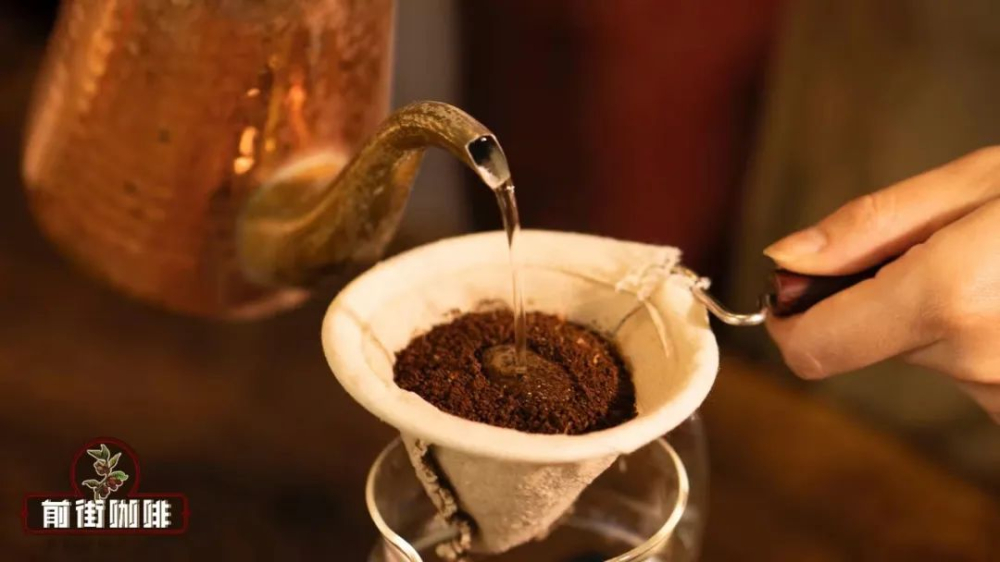
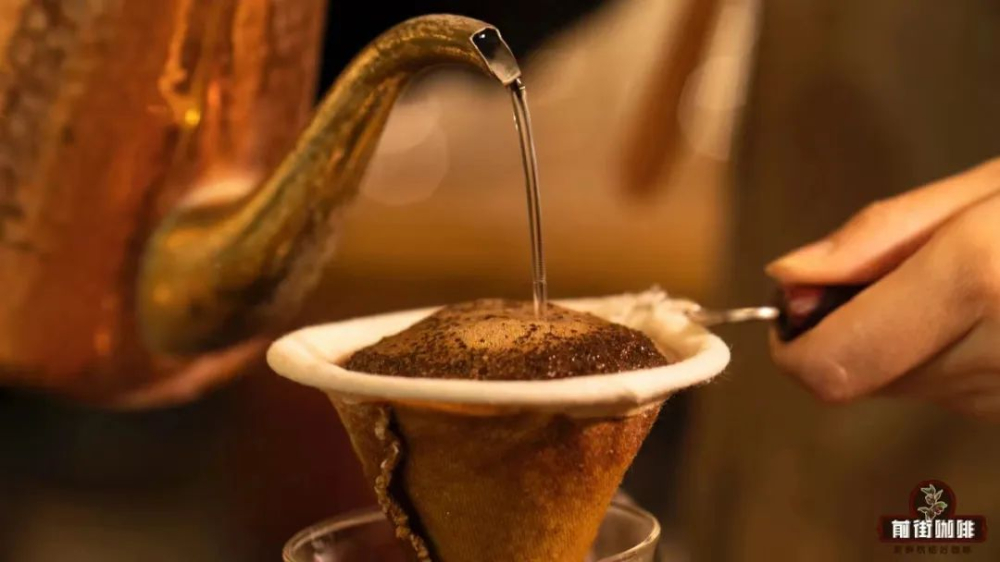
Among these, the Hario Kono Drip Method is a highly representative Japanese brewing technique, developed in 1973 by the Kono family, founders of the well-known Japanese coffee equipment brand Kono. This technique was originally designed to fully showcase the bold characteristics of dark roast coffee, featuring the use of a flannel filter cloth paired with a specially designed Kono dripper, and extracting through a slow, dripping method where water droplets fall gradually. This method can significantly extend the blooming time of the coffee grounds, helping to fully release carbon dioxide from the beans, thereby further enhancing the extraction efficiency of subsequent flavor compounds,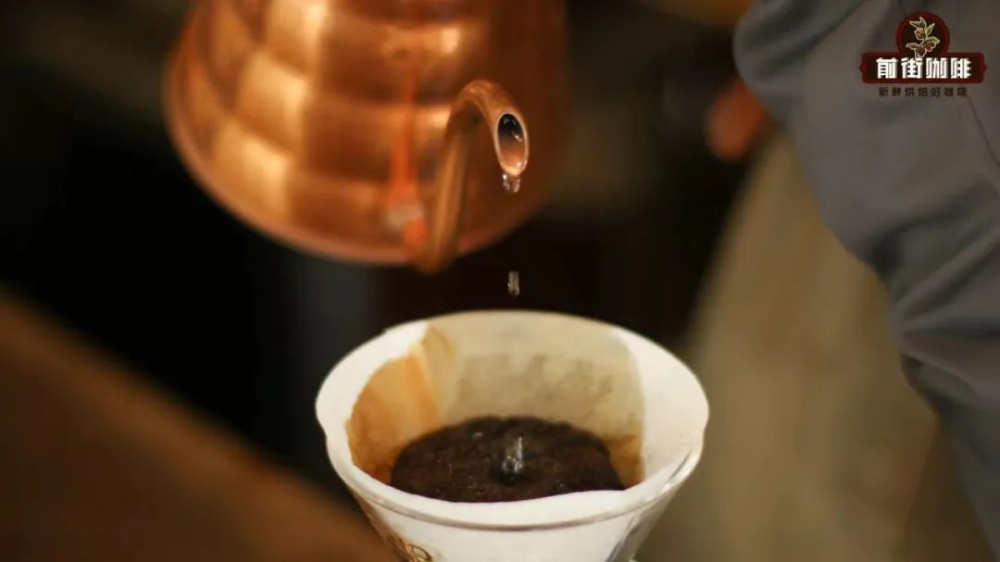 resulting in an overall smoother and more layered mouthfeel.
Another impressive Japanese technique is the Miyasaka-style brew, whose most notable features are its ultra-long blooming time, extremely high pouring height, and the need to adjust concentration via the bypass technique to produce an extra-concentrated coffee liquid. This method, by pouring water from a height, maintains a stable extraction temperature even without the aid of a thermometer, and enhances flavor extraction by increasing the brew ratio, then diluting with water according to personal taste to showcase a highly flexible adjustment range,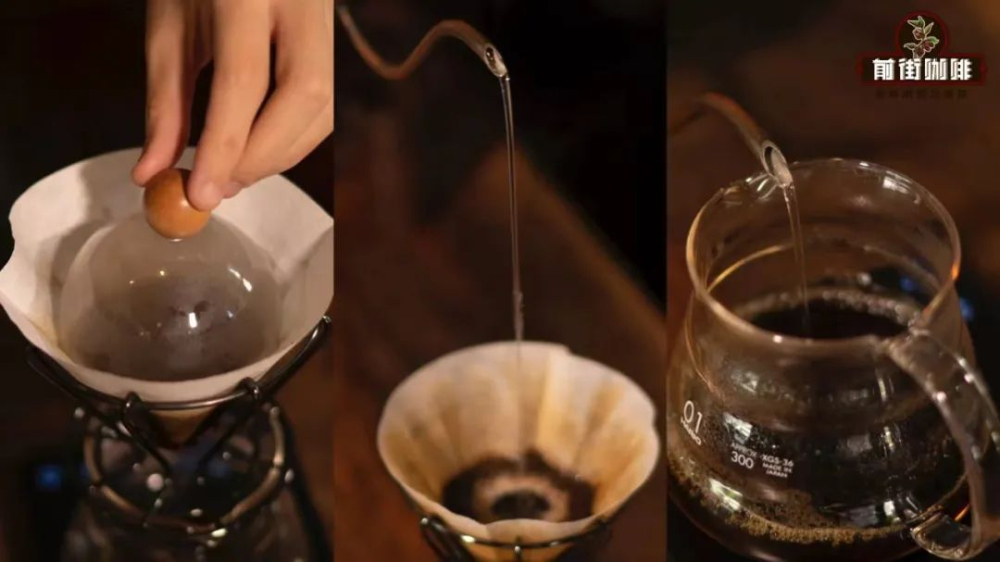 making it an essential technique for coffee lovers who pursue ultimate flavor control.
If we’re talking about visual impact, the Volcano Brew is definitely among the top. This technique causes the coffee bed to expand and contract dramatically like a volcanic eruption as hot water is intermittently poured in, creating an extremely dramatic extraction scene. During operation, hot water is poured in segments into the center of the dripper, with small amounts gently circling each time, and waiting about five seconds between pours,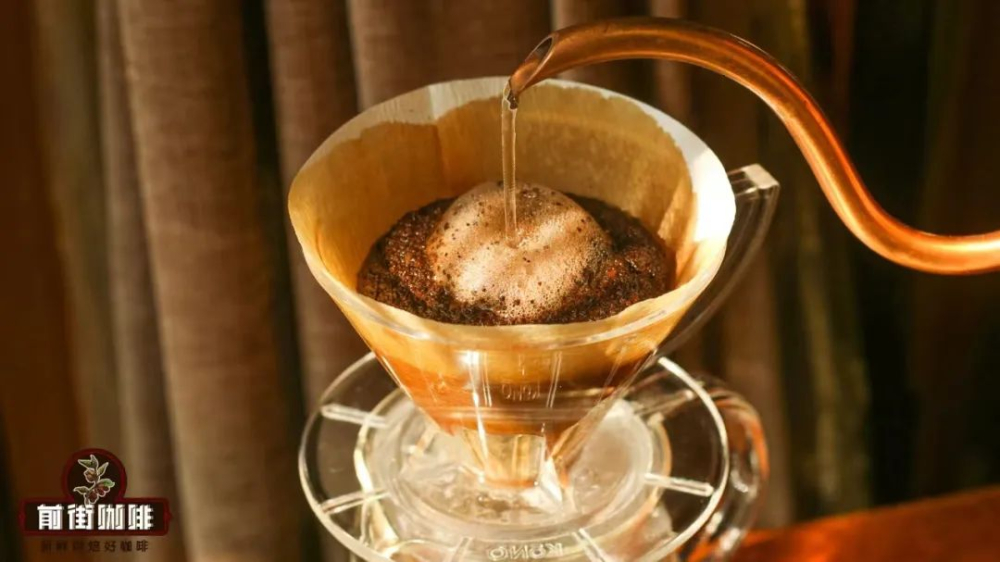 through this rhythmic operation, not only is extraction efficiency enhanced, but the final coffee liquid also achieves a rich and balanced flavor profile, often requiring the bypass technique to adjust to the desired concentration.
All the above Japanese techniques are generally more suitable for dark roast coffee beans, as their core goal is to fully bring out the unique richness and intensity of dark roasts. If you prefer a steady coffee experience with deep bitterness, try these distinctive brewing methods—believe me, they’ll offer you a taste and visual experience quite unlike the conventional.
In contrast to Japan’s refined slow brewing, Italian coffee culture exhibits a completely different style of speed and intensity. As early as 1580, coffee entered Italy through the port of Venice, initially a beverage exclusive to the upper class, and was even regarded as the “devil’s drink” due to its Middle Eastern origins. It wasn’t until the early 17th century, after recognition by Pope Clement VIII, that coffee gradually became accepted as the “drink of God” for Christians, and with the establishment of Europe’s first coffeehouse in 1645, it quickly spread across Italy.

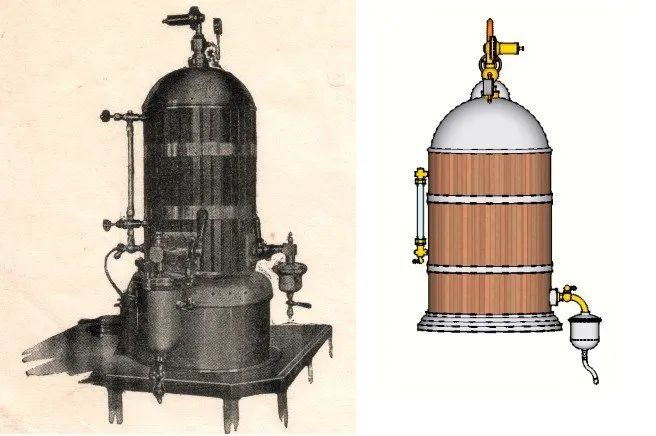
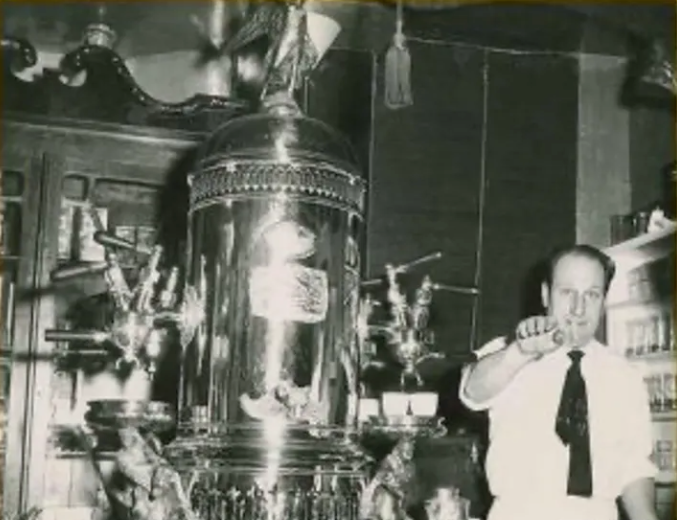
Italians not only have unique coffee drinking habits, but also play a key role in the development of coffee equipment. In 1884, Angelo Moriondo registered the patent for the first steam-powered coffee machine, but due to difficulties in temperature control, it underwent multiple improvements. By the end of the 19th century, Luigi Bezzera introduced a prototype coffee machine capable of high-pressure extraction, and around 1920, this gave rise to the term “espresso,” used to describe this type of quick, high-pressure extracted concentrated coffee.
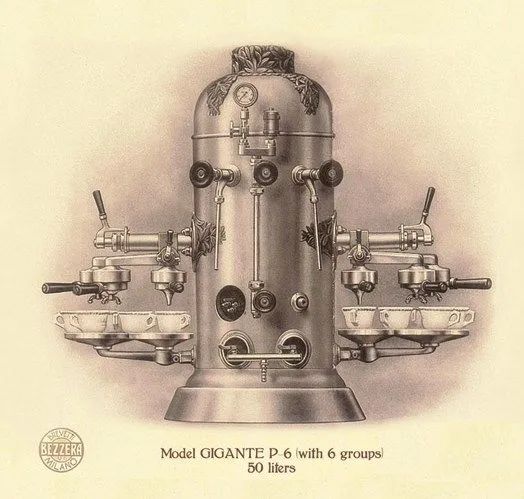
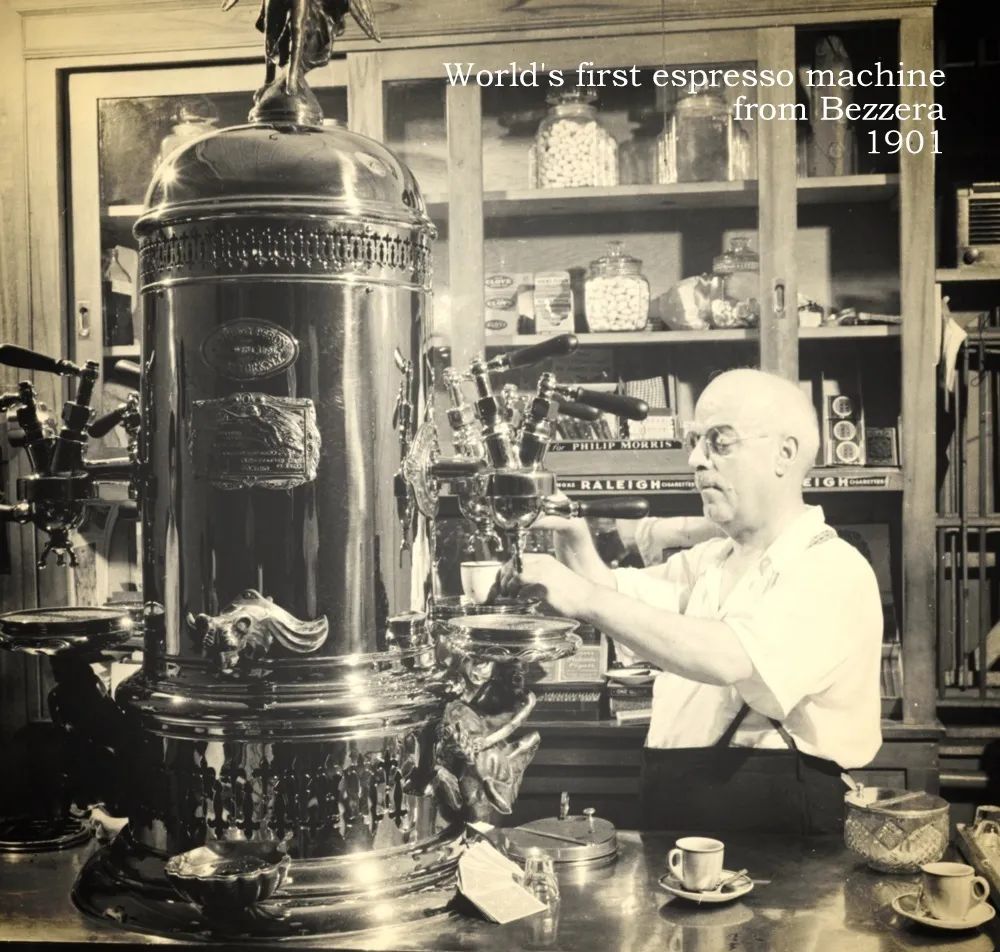
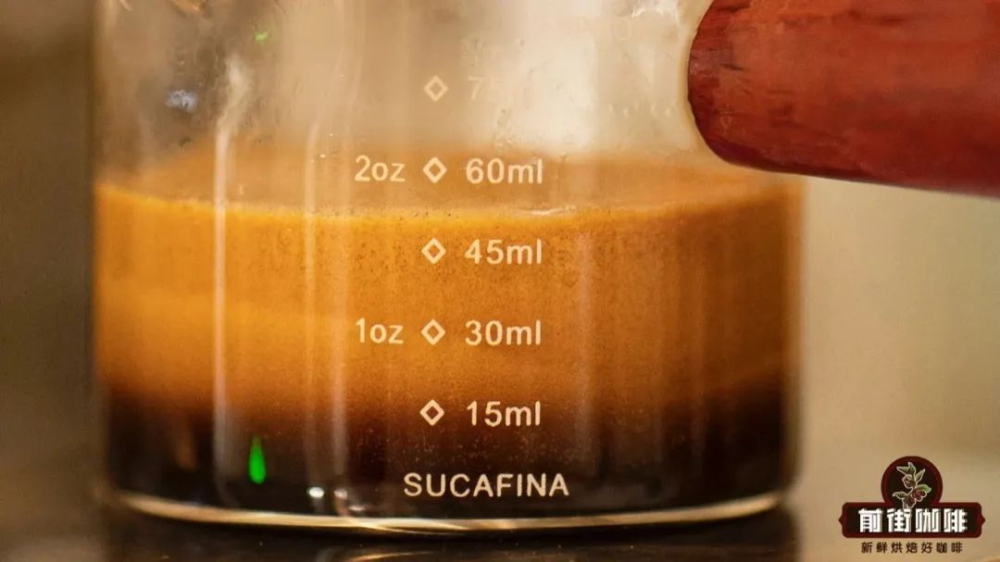
The essence of espresso lies in its intense, rich, and layered mouthfeel, typically based on dark roasted beans, emphasizing the richness of the crema and the overall body. For many Italians, espresso is not just a daily necessity, but also a digestive aid after meals,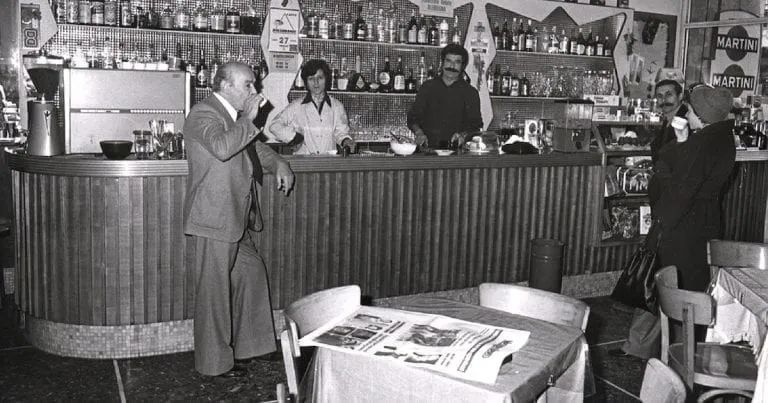 as they are accustomed to quickly enjoying an affordable shot of espresso at the bar before continuing their busy day. This drinking culture is deeply rooted in the lifestyle of Italians, making espresso an inseparable part of Italian coffee culture.

If you walk into an Italian coffee shop and order an iced Americano, you might encounter puzzled looks or even be politely refused. While some baristas may accommodate tourists’ requests, traditional Italian coffee shops remain centered around espresso and may seem less enthusiastic about beverage choices that don’t align with local culture. This insistence is not just a difference in dietary habits, but also a reflection of pride in their own coffee culture identity.
The above content is compiled by CoffeeHunters, a coffee news website.


