







Introduction:Want to enjoy professional-grade coffee at home but not sure where to start? This article explains the characteristics, ideal user profiles, and key parameters—including grind size, water temperature, and extraction time—of five mainstream home coffee brewing methods such as pour over, AeroPress, and moka pot. It helps you choose the most suitable brewing style based on your taste preferences and budget, allowing you to quickly master the art of making coffee with your desired flavor profile.
Brewing coffee at home is actually simpler than you might think—the key lies in choosing the right tool that fits your needs and budget. Different brewing devices not only affect ease of use but also directly determine the flavor profile of your coffee. From bright acidity to layered pour over notes, and even rich espresso crema, you can easily achieve all of these at home.
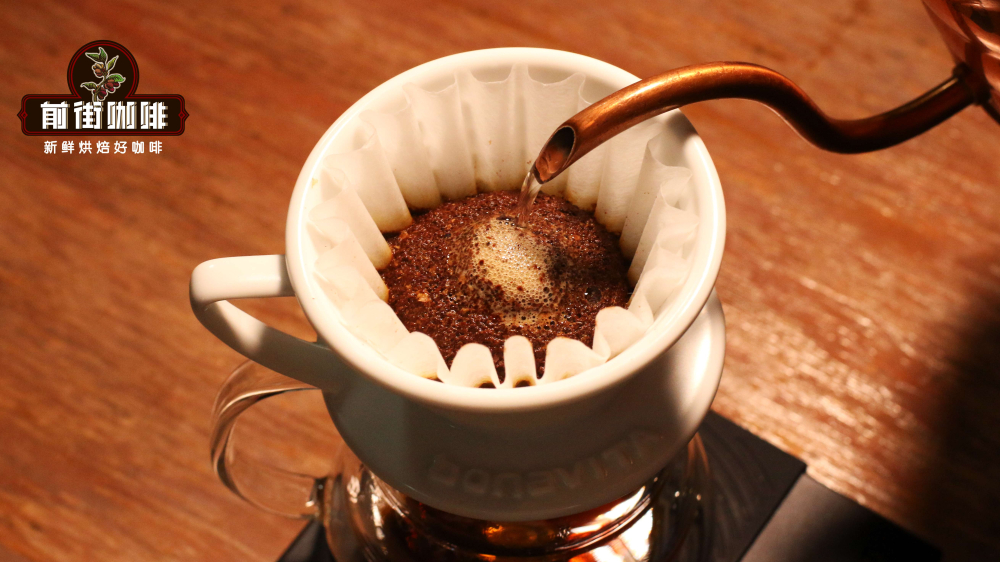
[Pour Over Coffee: A Flexible Option for Exploring Diverse Flavors] Pour over coffee equipment typically includes a pour over kettle, a dripper, and filter paper. It is one of the brewing methods that best showcases a barista’s technique. Every subtle adjustment in pouring angle, water temperature control, and grind coarseness can lead to different flavor outcomes. Among them,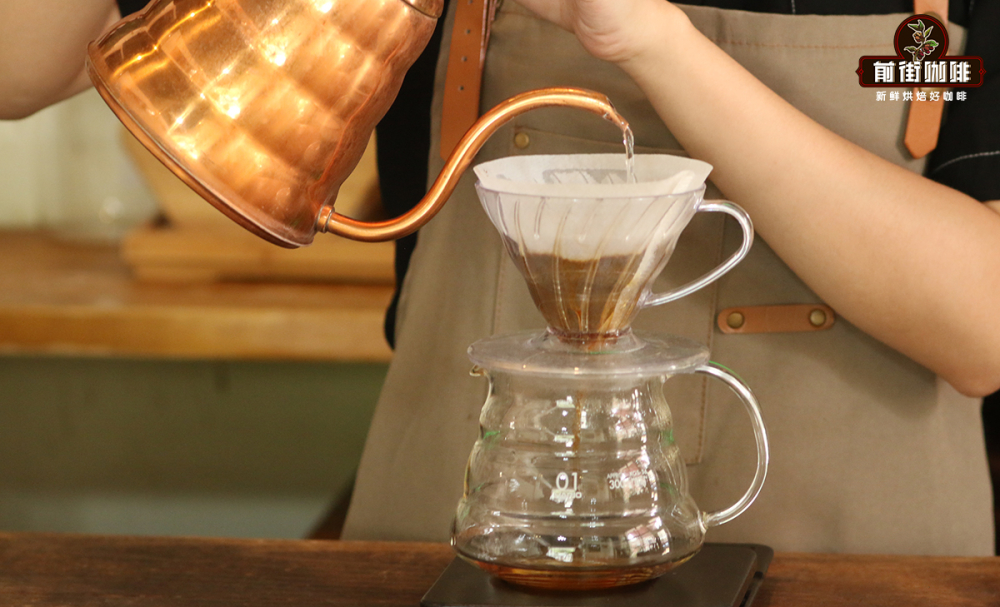 The Hario V60 dripper is well-known for its 60-degree conical design, capable of extracting clean and layered flavors. Beginners are advised to use a medium-fine grind, paired with a 30-second bloom and slow, circular pouring with a thin stream of water, gradually sensing how parameter changes influence the flavor. Another option, the Kalita Wave flat-bottom dripper, features a three-hole design that ensures more even water distribution, making it suitable for those who prefer a stable and balanced taste. Its operation is similar to the V60 but places greater emphasis on pouring stability.
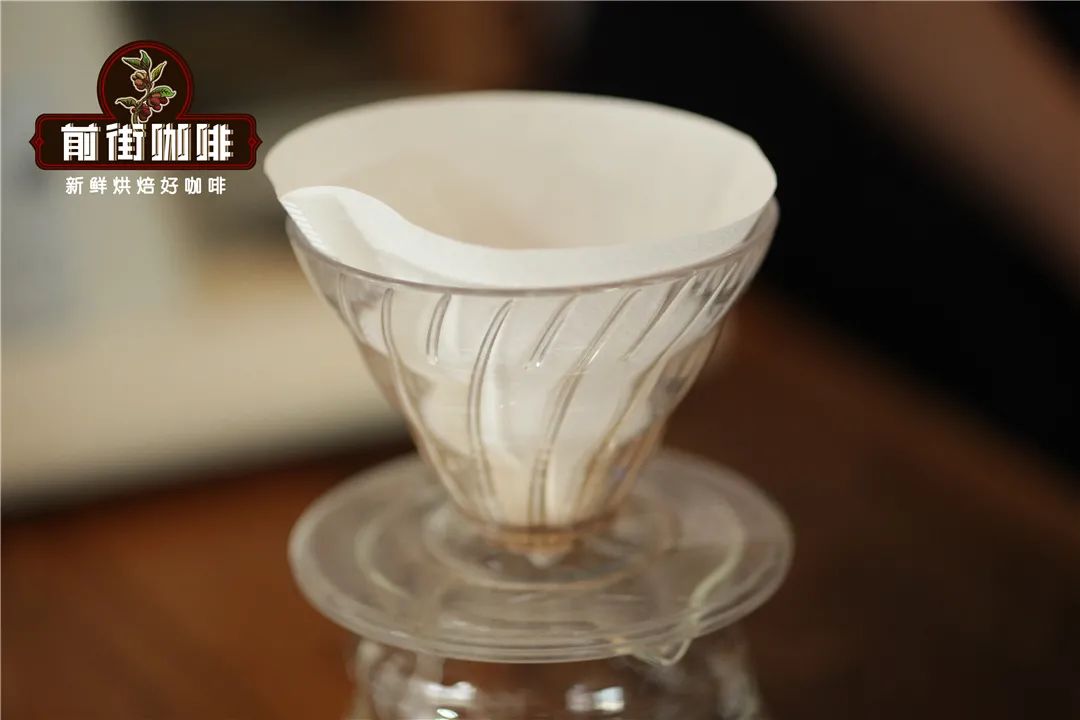
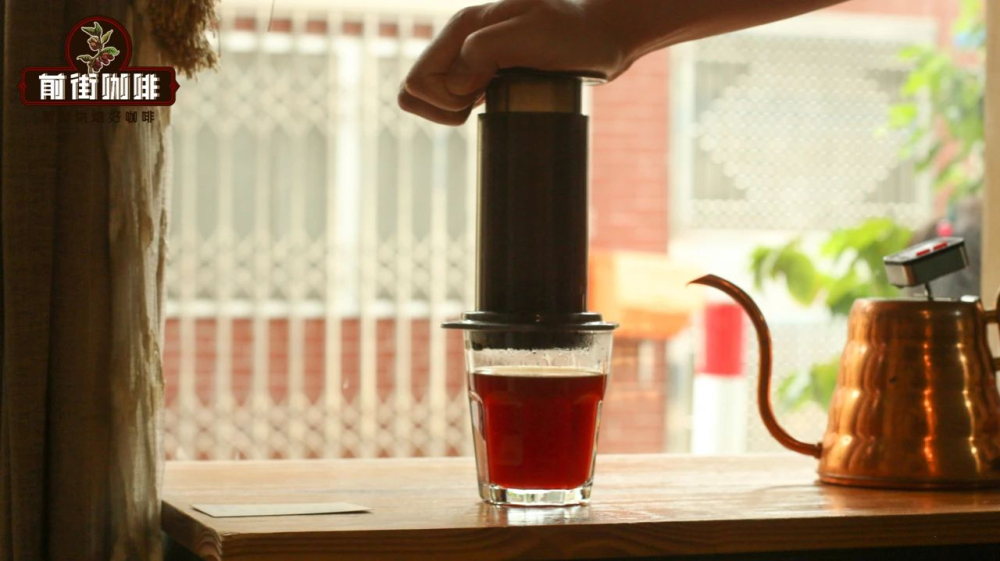
[Smart Cup & AeroPress: Balancing Convenience and Flavor Expression] The Smart Cup combines the concepts of immersion and filtration, simplifying the steps and reducing variables, making it ideal for busy individuals who still want to enjoy the nuances of pour over coffee. It is recommended to use medium-roasted beans, and you may choose whether or not to stir after pouring. Once the immersion time is complete, simply release the valve to finish extraction. The AeroPress is known for its versatile brewing possibilities. Both the regular (positive) and inverted (negative) brewing methods affect the integrity of the brew, with the inverted method better preventing early drainage of the brew. It is recommended to use water at around 84°C to avoid over-extraction or under-extraction. Whether you're brewing a rich single origin or experimenting with creative flavors, the AeroPress can handle it with ease.
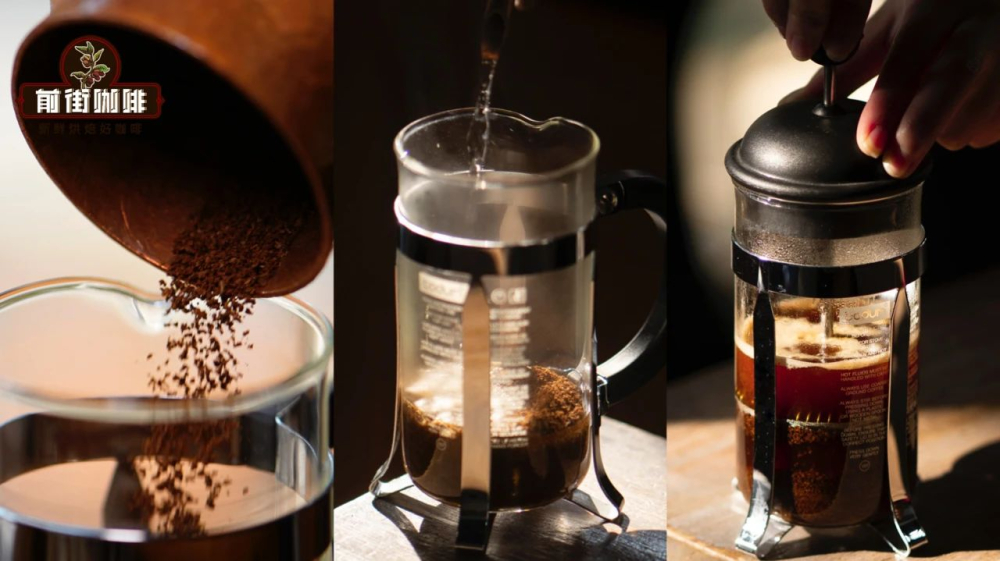
[Moka Pot & French Press: Classic Choices for Bold Flavor] The moka pot uses steam pressure generated by heating to push water through a bed of coffee grounds, producing a rich, oily coffee that is ideal for those who enjoy espresso-style flavors.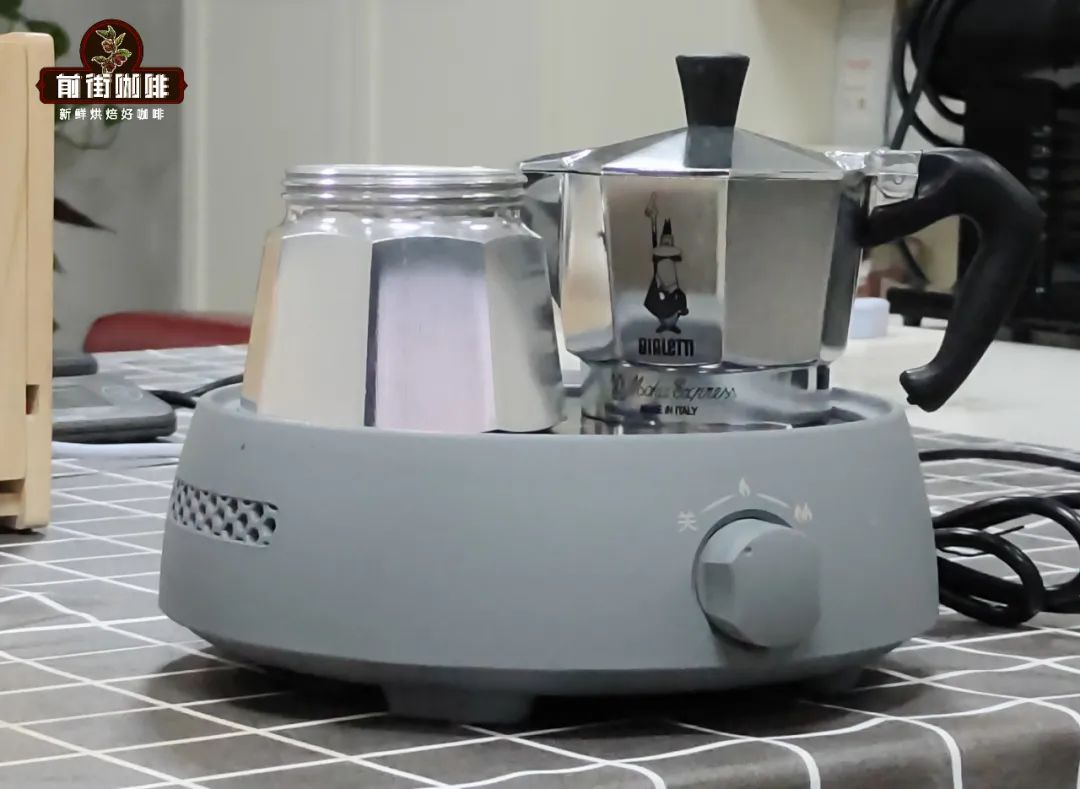 Be sure to use medium to dark roasted beans, and avoid the last bit of brewed liquid to maintain flavor balance. The French press is the easiest device of all—it simply involves steeping coarse-ground coffee in hot water and then pressing down to extract a full-bodied brew. However, its richer oils may mask some subtle flavors, making it more suitable for quick and simple brewing scenarios.
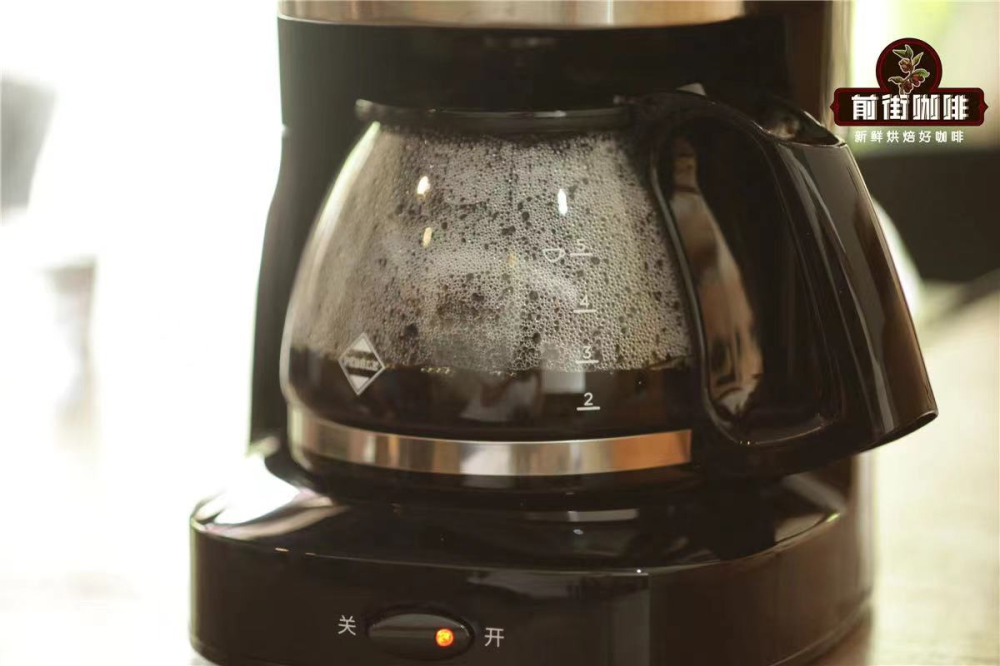
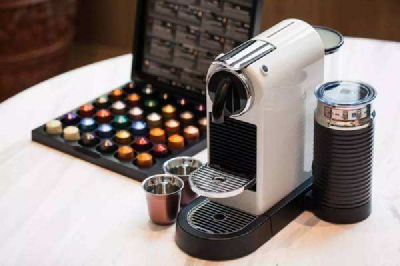
[Chemex & Drip Coffee Makers: Different Paths to Large Capacity and Automation] The Chemex dripper uses thick filter paper to retain more oils. Its deep-V shape requires attention to pouring stability to maintain consistent flavor. A medium-coarse grind is recommended, and it's great for sharing with others.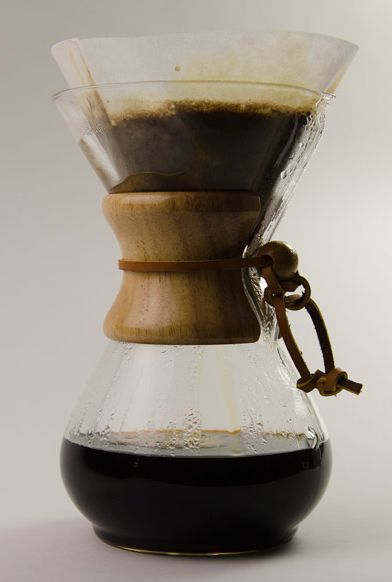 Drip coffee makers are extremely easy to operate and can complete a brew in just 5–8 minutes. While they don’t extract oils, they are suitable for daily office or household brewing needs. If you prefer a quick espresso-like experience, capsule coffee machines offer a one-touch espresso solution, but be mindful of capsule system compatibility and higher per-cup costs. It’s advisable to assess your long-term usage needs.
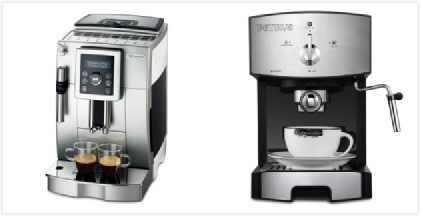
When selecting a home coffee brewing device, it’s best to start from your daily drinking habits and technical comfort level. Whether you’re aiming for ultimate flavor or simplicity and convenience, you’ll find a brewing solution that matches your needs. By mastering basic parameters such as grind size, water temperature, and brewing time, even beginners can gradually improve their brewing skills and enjoy their own unique coffee moments.
The above content is compiled by CoffeeHunters, a coffee news website.


