







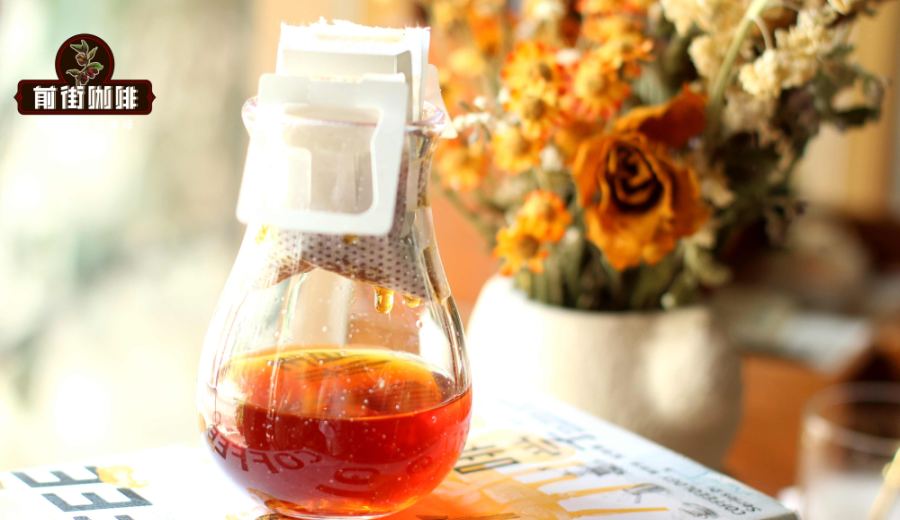
Introduction:Drip bags combine the flavor of freshly ground coffee with convenience, making them a daily choice for many coffee enthusiasts. But what exactly makes them better than instant coffee? And how can you brew them to bring out the best flavor layers? This article will delve into the structural principles and health advantages of drip bags, provide a detailed brewing guide, and recommend suitable bean types based on different flavor preferences to help you elevate your coffee experience from beginner to higher quality.
Thanks to their convenience and flavor that closely resembles freshly ground coffee, drip bags have gradually become the coffee of choice for many people in their daily lives. But what is the fundamental difference between them and common instant coffee? And how should you brew them to fully release the aroma and layers of the coffee? The following will provide a detailed analysis, covering the basic principles of drip bags, their health comparison with instant coffee, their unique characteristics and quality control, as well as practical brewing steps and flavor selection advice. Whether you're a beginner just getting into drip bags or a drinker looking to improve your coffee quality, you'll find useful references here.
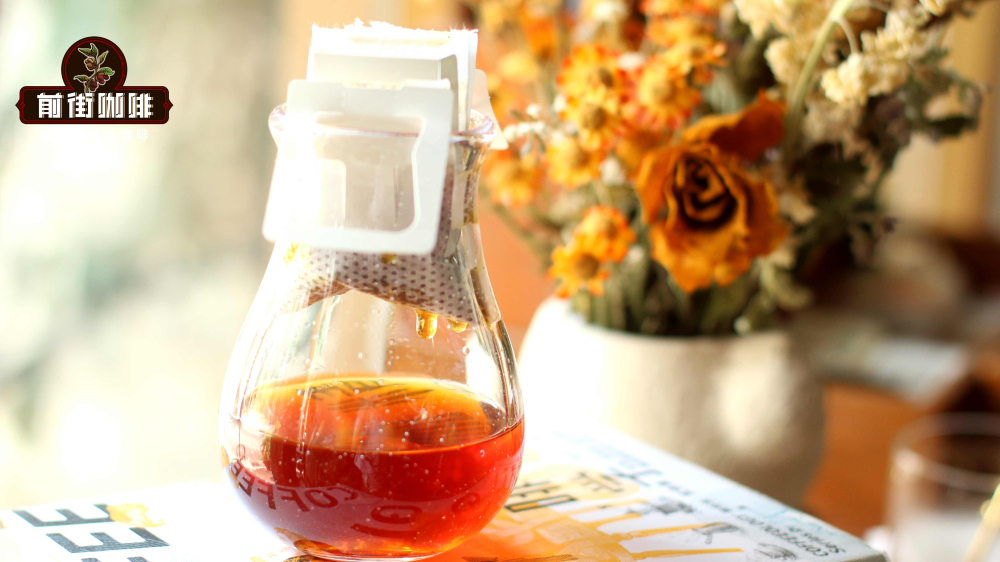
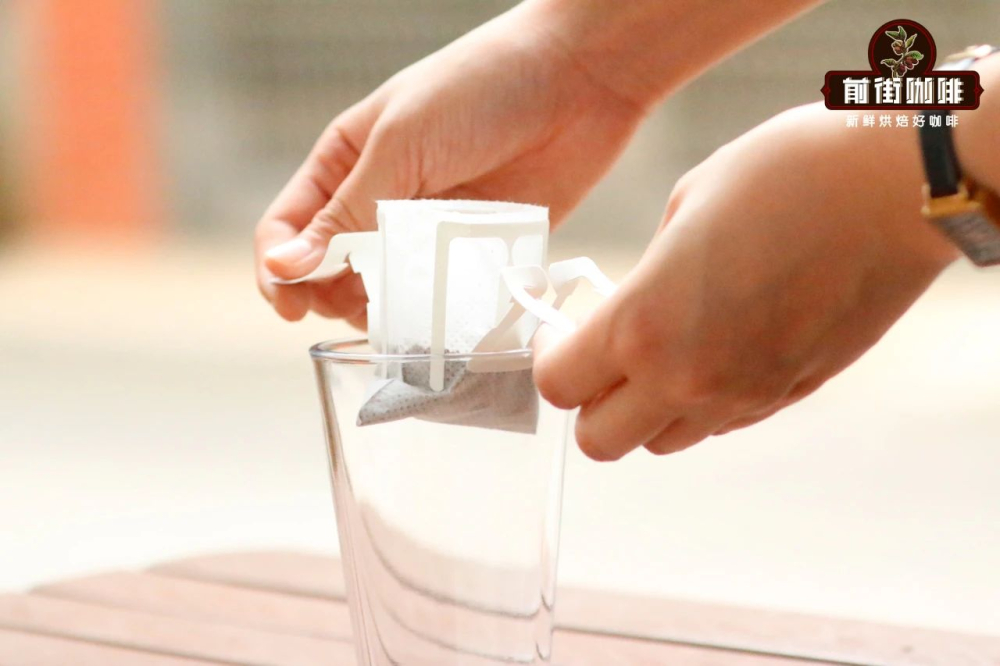
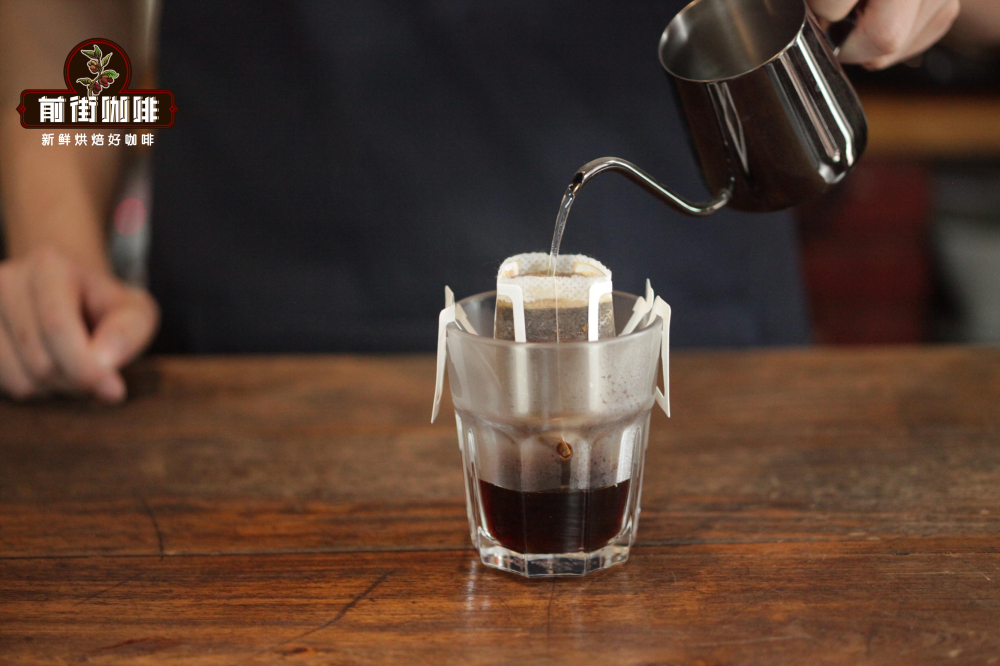
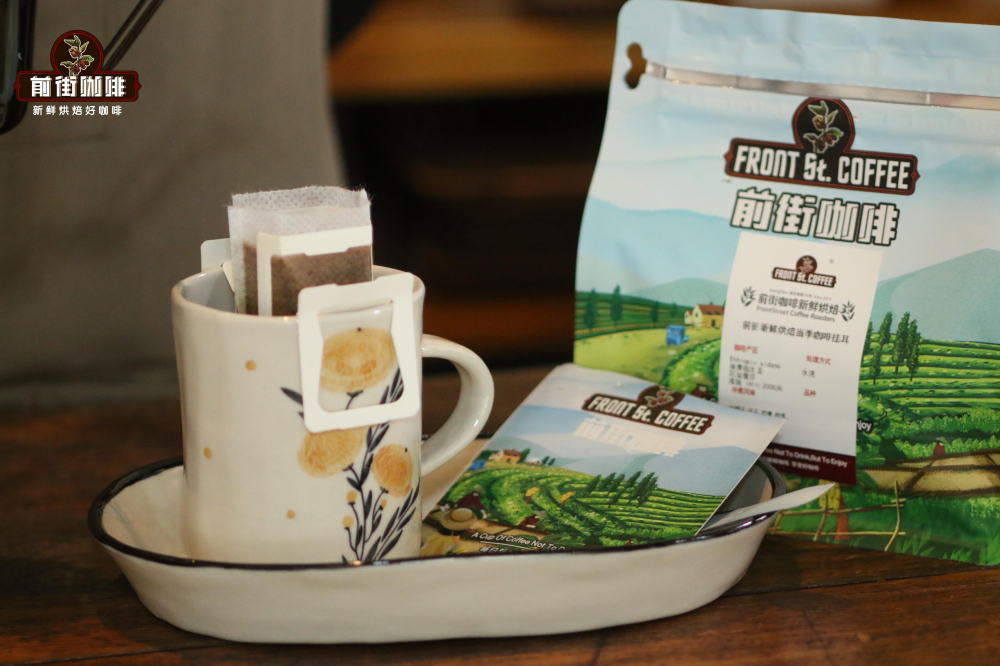
The appearance of drip bags is somewhat similar to tea bags, but they contain pre-ground coffee powder. Each drip bag has two hard paper "ears" on either side, designed to securely hang over the rim of a cup. To use, first warm the cup slightly with hot water, then open the drip bag, hang the two ears over the cup’s edge, and slowly pour hot water so that the coffee liquid drips precisely into the cup through the filter bag. Once extraction is complete, remove and discard the drip bag, and a fresh cup of drip coffee is ready—simple to operate yet retaining the flavor of freshly ground coffee.
So, what’s the difference between drip bags and instant coffee? The key lies in ingredients and production processes. Drip bags contain only 100% ground coffee bean powder, with no additives, preserving hundreds of natural compounds that offer multiple health benefits, including potential protection for the liver, certain cancers, asthma, cardiovascular diseases, and Parkinson's disease. Studies indicate that drinking 1 to 2 cups of black coffee per day without sugar or milk helps maintain health and may even reduce the risk of certain diseases. In contrast, instant coffee is a highly processed industrial product, often made from lower-quality raw materials and subjected to multiple high-temperature treatments during processing, leading to significant loss of aroma. As a result, it often requires additional flavorings, sugar, or non-dairy creamers to adjust taste, and long-term consumption is not beneficial to health.
High-quality drip bags emphasize fresh roasting and proper storage. Ideally, coffee beans should be ground immediately after roasting and packaged in individual sealed bags to lock in the most vibrant aroma and flavor. Some brands promise to ship within five days of roasting to ensure customers receive products at peak flavor. Additionally, the filter bag material greatly affects brewing performance. Designs using straight tubular non-woven fabric filter bags can effectively filter fine grounds, resulting in a cleaner and purer coffee taste. A common drip bag package contains 10 bags, with each bag holding about 10 grams of coffee powder, suitable for single use.
The biggest advantage of drip bags lies in their portability and ease of use. Although considered an entry-level form of freshly ground coffee, their flavor layers are by no means inferior to premium pour over. By selecting coffee beans from different regions, varieties, and processing methods, consumers can find the most suitable option according to personal taste preferences. Below, based on three common major flavor types, we’ve compiled practical bean recommendations for readers.
1. Fruity & Bright Acidity Type
For drinkers who enjoy bright acidity and floral-fruity aromas, consider drip bags with flavors such as citrus, lemon, white floral, or tropical fruits. For example, those with lemony notes or rose floral profiles often deliver a refreshing and crisp drinking experience; additionally, beans described with dried fruit or berry flavors, such as some with raisin or cherry notes, are also good choices.
2. Rich & Nutty Type
If you prefer a richer, fuller-bodied coffee, medium to dark roasted beans are usually a better choice. These types of drip bags often present mellow notes such as nuts, chocolate, caramel, cream, or cocoa, with relatively low acidity, making them suitable for drinkers who enjoy a robust mouthfeel. Common recommendations include classic Golden Mandheling, Blue Mountain No.1, or beans with strong roasty aromas like Queen Estate and Bird of Paradise.
3. Bold & Winey Type
For those seeking complex layers and unique flavors, you can try drip bags with wine-like, fermented, or special processing characteristics, such as beans themed around sherry, Mozart, or strawberry candy, which often deliver rich sensations akin to sweet wine or jam. Additionally, those who prefer fruity layers might start with beans like Dorothy or Bach, which have distinct flavor profiles, to experience a more diverse coffee taste.
As for the drip coffee cups available on the market, are they worth buying? Actually, there’s no need to make a special purchase. Generally, a glass or mug with a rim diameter of less than 9 cm and a height of over 12 cm is sufficient for smooth brewing. Such dimensions help the coffee liquid drip properly, avoiding backflow or over-steeping that could alter the flavor. If the rim is too wide, the drip bag may slip due to its weight, affecting brewing stability. Therefore, choosing a suitable everyday cup is enough—no need for extra investment in specialized equipment.
The standard brewing recommendation ratio for drip bags is 1:15 (coffee powder:water). Taking a common 10-gram drip bag as an example, the total water volume is about 150 ml. Of course, this isn’t absolute and can be adjusted based on personal preference for strength. When brewing, it’s recommended to first bloom for about 10 to 20 seconds to activate the coffee powder, then pour water steadily in a thin stream. After the liquid level drops, continue pouring until extraction is complete. Note that drip bags are only suitable for single use; reusing them will not extract effective flavors, and the taste will significantly decline.
Finally, many long-time instant coffee drinkers might wonder if they can adapt to drip bags. The answer is usually yes. With the growing popularity of coffee culture, consumers’ demands for flavor and quality are increasingly rising, and drip bags offer a richer, more freshly ground-like coffee experience compared to instant. For those accustomed to instant coffee, switching to drip bags not only allows for a better-quality coffee experience but also makes it easy to carry and brew while traveling, at work, or on the go—a choice that combines quality and convenience.
The above content is compiled by CoffeeHunters, a coffee news website.


