








Introduction:The term "Mocha" in the coffee world encompasses three distinctly different concepts: a historic type of coffee bean, a classic Italian-style beverage, and a household Italian extraction device. Though they share the same name, each has its own unique history and flavor profile. This article will delve into the true nature of "Mocha coffee beans," "Mocha coffee beverages," and "Mocha pots" from the perspectives of historical origins, flavor profiles, and brewing principles, helping readers clarify common confusions and appreciate the unique charm of each "Mocha."
In the world of coffee, the word "Mocha" appears frequently, yet its meaning is often confusing. Whether it’s Mocha coffee beans, Mocha-flavored beverages, or the household Mocha pot, the names may sound similar but actually have distinct origins. In fact, the years of their creation may differ by over a century, with no direct evolutionary relationship between them—yet all are associated with the word "Mocha." To trace it back to its roots, we must begin with the port of Mocha in Yemen.
Mocha Coffee Beans: A Historic and Rare Product
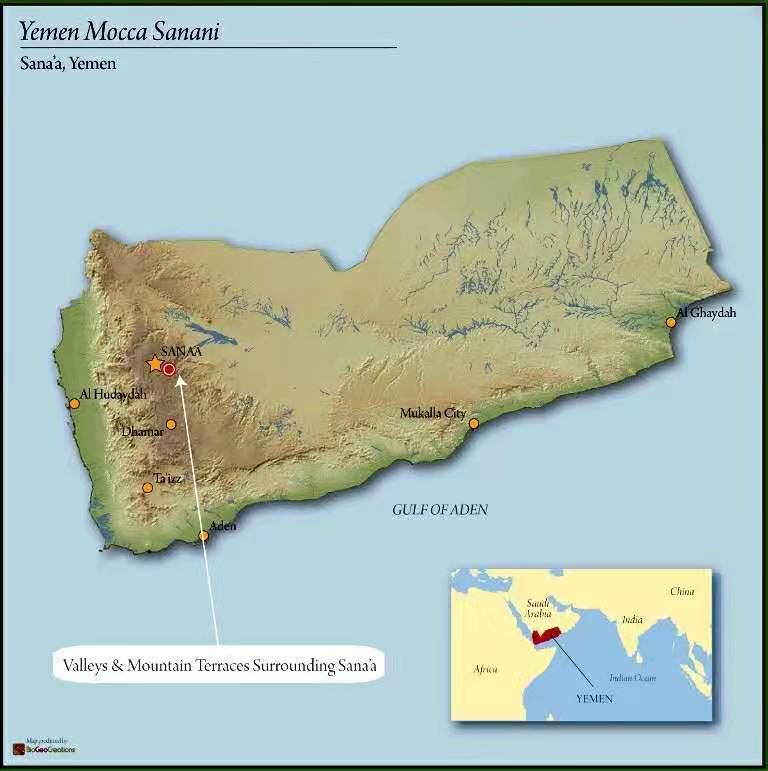
As early as the 15th century, the port of Mocha in Yemen was an important trade hub along the Red Sea, similar in status to today’s Port of Shanghai. At that time, the port was a key stop on global maritime trade routes, through which many goods—including coffee—were shipped to Europe. It’s worth noting that Yemen did not cultivate large quantities of coffee locally, but relied on beans produced in its high-altitude central mountain regions. These beans were exported through the port of Mocha, hence collectively referred to as "Mocha coffee (beans)." Over time, any coffee coming from the port of Mocha was labeled and sold under this name.
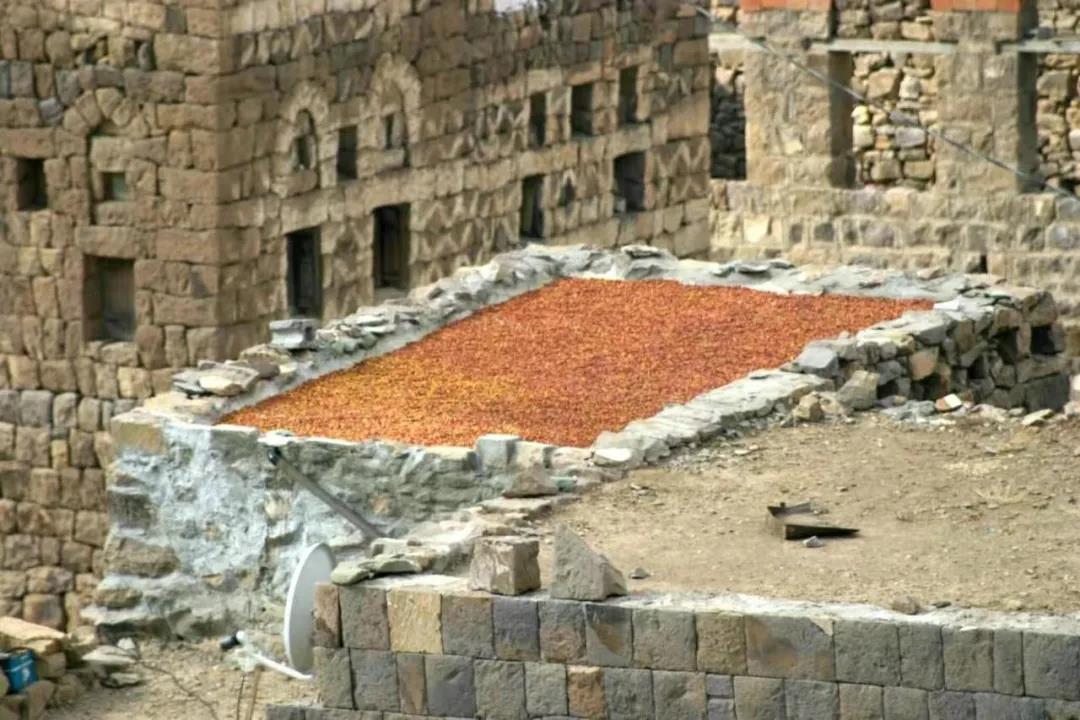
Even today, Yemeni Mocha remains an extremely precious and rare coffee variety. Due to recent instability, local coffee production has drastically declined, and very little coffee manages to be successfully exported. There was once a coffee known as "Mokha Mattari" from Yemen’s Bani Mattar region, famous for its distinctive packaging and bold flavor. Unlike the jute sacks commonly used for other coffees, Yemeni coffee is typically packaged in finely woven cloth resembling flour sacks, which aids ventilation and preservation.
Yemeni Mocha exhibits diverse styles depending on the producing region. For example, Mattari has pronounced chocolate and acidity notes, while Sanani offers a rugged yet fragrant character. Overall, however, the intense chocolate flavor is the most well-known hallmark of Yemeni Mocha.
Mocha Coffee: An Italian-Style Chocolate Fusion
When people hear "Mocha coffee," many likely think of the classic Italian beverage that combines espresso, milk, and chocolate syrup. This drink is typically based on espresso, with the addition of a chocolate element (which can be syrup, powdered, or chocolate chunks), followed by steamed milk to create a beverage that balances coffee aroma with chocolate sweetness.
Although it seems unrelated to the Yemeni Mocha coffee beans, there is a historical theory behind it. As early as the 18th century, as the Dutch and French introduced coffee to Southeast Asia and South America respectively, Mocha port's monopoly on the global coffee supply gradually waned. Coupled with the influence of the later Ottoman Empire, the circulation of Mocha coffee significantly decreased. To recreate the unique chocolate flavor of Mocha coffee beans in the European market, Italians began adding chocolate to espresso, paired with milk, crafting a beverage with a similar flavor profile—what we now know as "Mocha coffee."
This beverage gradually became one of the classic options in coffee shops worldwide as Italian coffee culture expanded, and it remains a favorite among many coffee enthusiasts for its sweet aroma and rich taste.
Mocha Pot: A Classic Extraction Tool for Italian Homes
Unlike the first two, the Mocha pot has almost no direct connection to the port of Mocha. This device was invented in 1933 by Italian designer Alfonso Bialetti and is an extremely common coffee brewing tool in Italian households. The Mocha pot consists of three main parts: the upper chamber, the funnel (or filter basket), and the lower chamber. The lower chamber holds water, the funnel contains finely ground coffee, and the upper chamber collects the brewed coffee.
Its working principle utilizes steam pressure generated by heating the lower chamber (approximately 1.5–2 bar) to push hot water upward through the coffee grounds, which then drips down into the upper chamber, resulting in a strong cup of coffee. Although the pressure is far lower than the 9 bar of professional espresso machines, it is still sufficient to extract coffee oils, delivering a rich texture and aroma.
As for why it’s called a "Mocha pot"? It is said that since the 17th century, the term "Mocha" had been closely associated with coffee in places like Venice, even becoming a synonym for coffee. Therefore, this device that allows you to make strong coffee at home came to be known as the "Mocha pot," with its English name, Moka Pot, also continuing this tradition.
Mocha Pot Brewing Tips and Bean Selection
Since the Mocha pot uses pressurized extraction, it is recommended to choose medium-roasted coffee beans for a balanced flavor. If you prefer a bold and robust taste, consider beans with distinct nutty and caramel notes; if you wish to highlight fruity flavors while avoiding excessive bitterness, opt for medium-light roasted beans with prominent fruit characteristics.
Additionally, Mocha pot brewing parameters are also worth noting: the recommended coffee-to-water ratio is between 1:1.5 and 1:2, grind size should be similar to fine sugar or slightly finer, and water temperature should be controlled around 90–96°C. Proper tamping and the right amount of coffee grounds (typically around 18–20 grams) are also key factors for successful extraction.
Conclusion
Looking at the triple identity of "Mocha," it’s clear that although they share the same name, each carries a different historical background and cultural significance. From the rare coffee beans originating at the port of Mocha in Yemen, to the classic chocolate-flavored beverage in Italian coffee shops, to the commonly seen Mocha pot in home kitchens—these three elements weave a rich and diverse tapestry in the world of coffee. Understanding their origins and characteristics not only helps consumers make more informed choices, but also allows for a deeper appreciation of the stories and craftsmanship behind the coffee.

The above content is compiled by CoffeeHunters, a coffee news website.


