







Introduction:The moka pot is the go-to brewing device for many coffee beginners seeking to explore espresso-like flavors. With a simple structure, it delivers a rich and intense brew similar to that of an espresso machine. This article delves into the working principles and design features of the moka pot, along with a comprehensive step-by-step guide on how to use it — from choosing coffee beans and adjusting grind size to heating techniques — helping you master the ideal extraction parameters. It also covers common issues and usage tips to help you avoid mistakes and brew a perfectly balanced cup with crema.
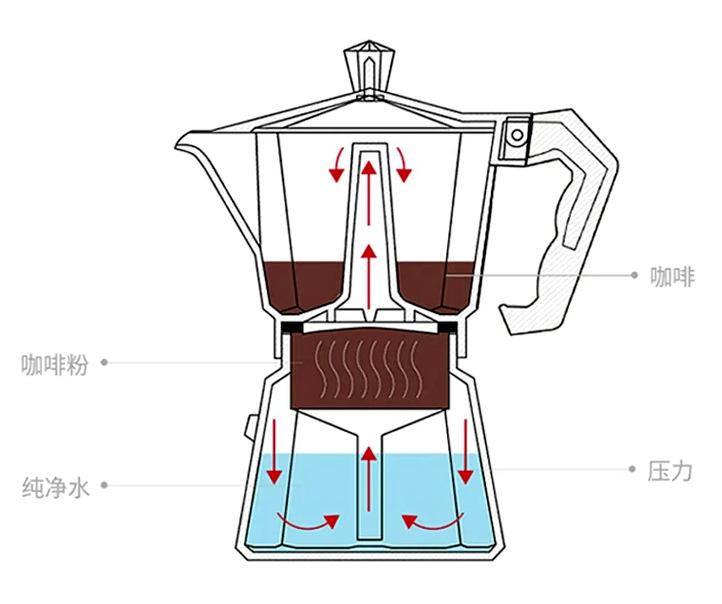
The moka pot is a classic stovetop espresso maker that uses steam pressure generated by heat to push hot water from the lower chamber through a bed of ground coffee in the middle section, eventually collecting the brewed coffee in the upper chamber. Compared to expensive and complex espresso machines, the moka pot is not only more affordable but also allows you to easily make rich, crema-topped coffee at home, making it perfect for beginners to experience the allure of espresso.
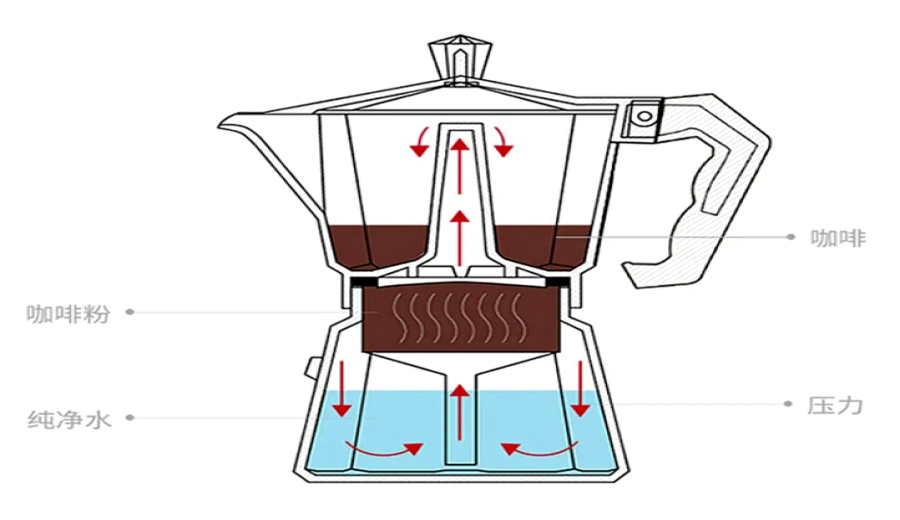
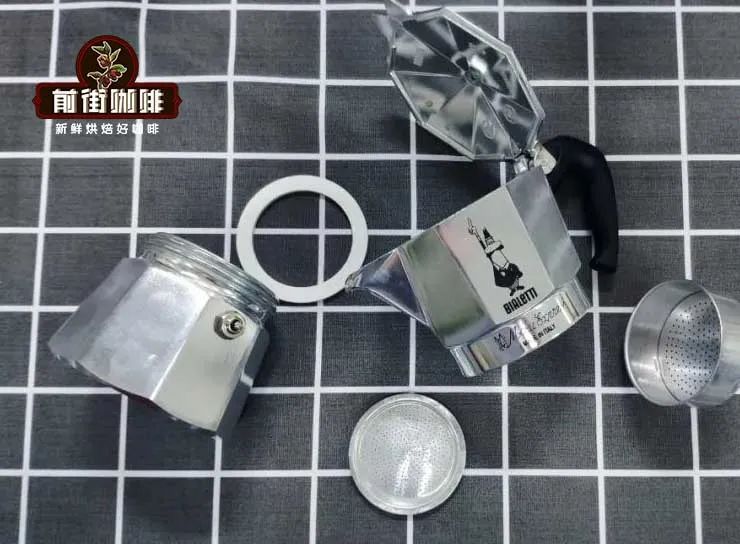
Understanding the basic structure and working principle of the moka pot is the first step toward using it correctly. It mainly consists of an upper chamber, a lower chamber, and a filter basket in between. When heated, the water in the lower chamber boils and turns into steam. As the pressure builds, the hot water is forced through the coffee grounds in the middle, extracting flavor compounds, and is then pushed up into the upper chamber. The pressure created during this process typically ranges between 1.2 to 3 atmospheres, similar to that of a semi-automatic home espresso machine, allowing it to produce a similarly rich flavor and aromatic intensity.
Before using the moka pot, prepare freshly roasted coffee beans, clean water, a grinder, and a heating tool such as a gas or electric stove. It’s recommended to use medium to dark roasted beans, which help deliver a fuller flavor under pressure extraction and release crema more easily. The coffee-to-water ratio can be adjusted based on personal preference, but a general guideline is to use about 90–110 ml of water for every 18 grams of coffee, achieving the best extraction balance.

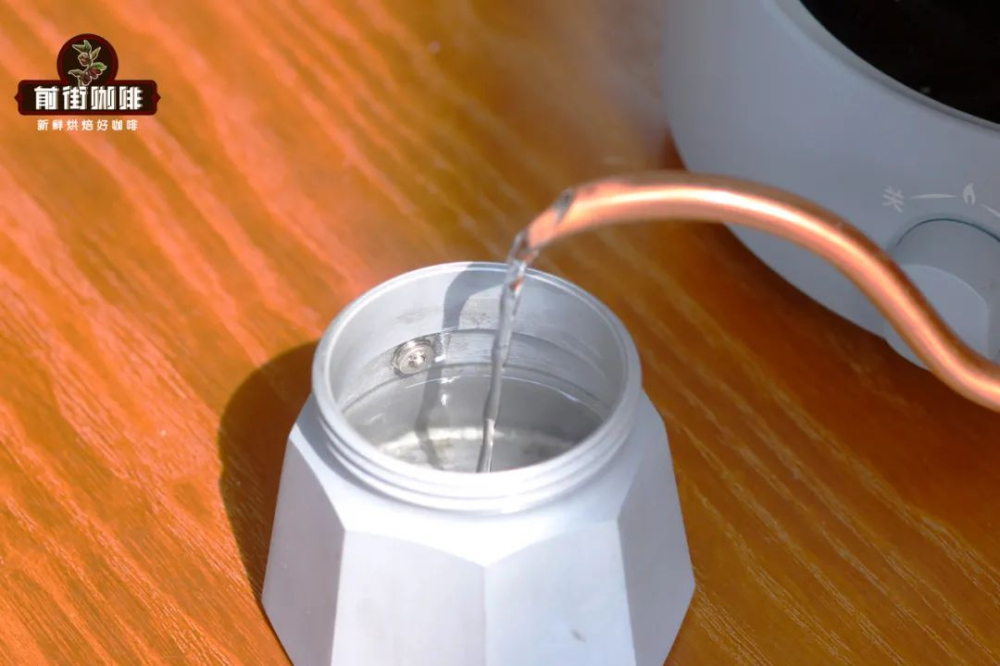
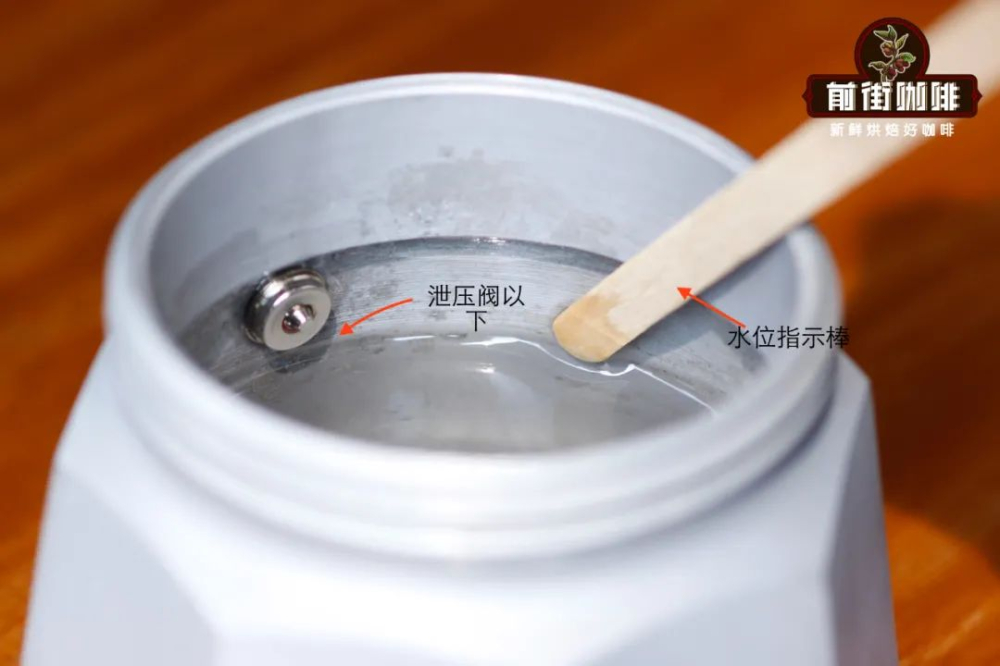
First is the water-filling step. Pour clean, warm water into the lower chamber, keeping the water level about 0.5 cm below the safety valve. This helps reduce the risk of the coffee grounds overheating too early, which can lead to bitter or burnt flavors, and also shortens the overall extraction time. The safety valve prevents accidents caused by excessive pressure due to overly fine grind or a compact coffee bed that could block the flow path. Therefore, make sure the safety valve is not submerged to avoid any potential hazards.
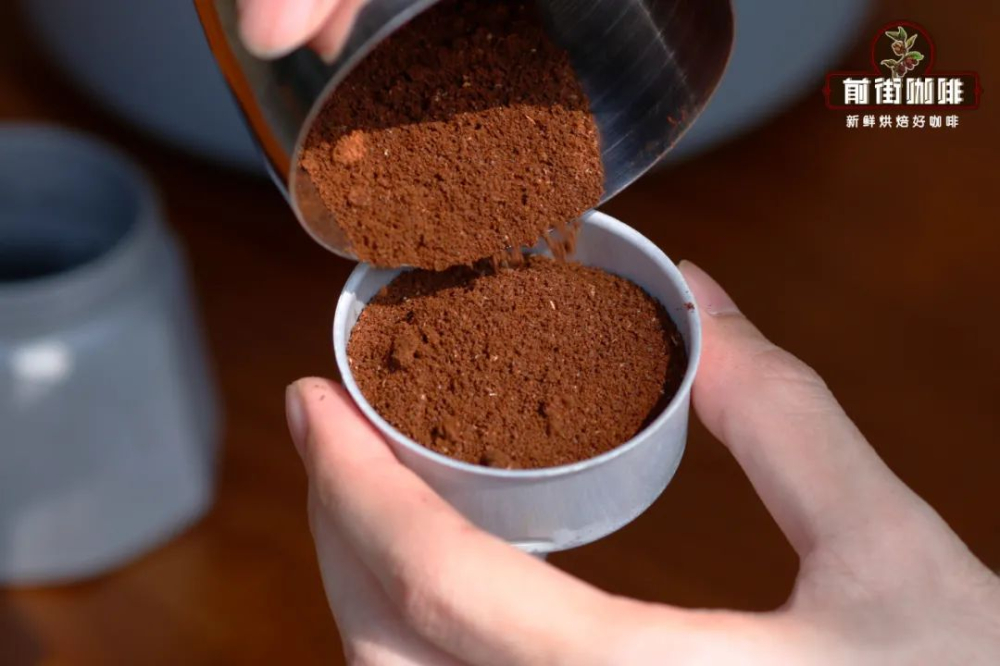
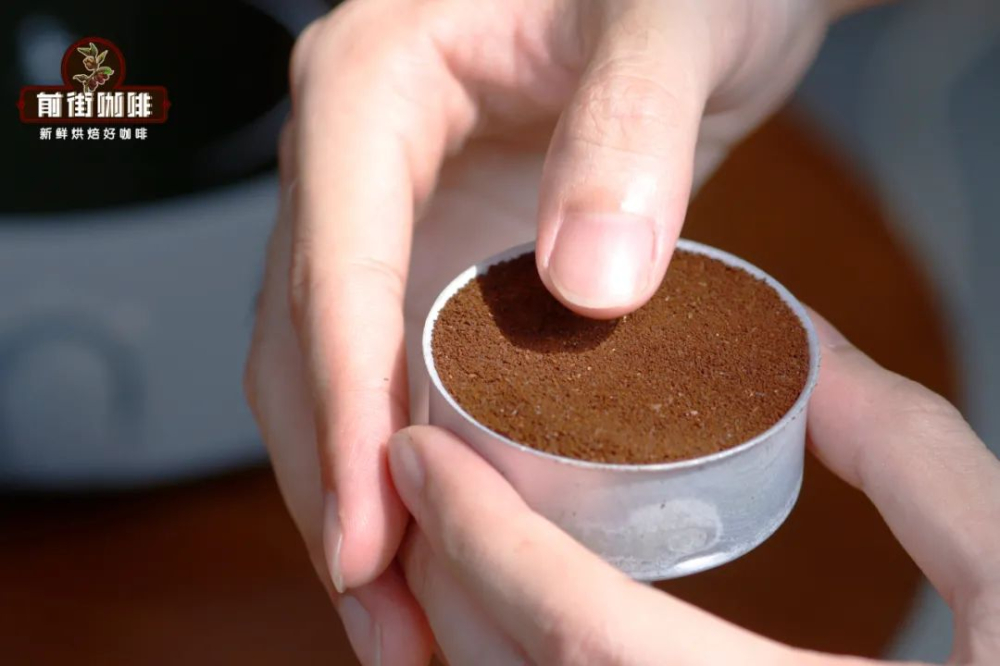
Next comes preparing the coffee grounds. It’s recommended to use a fine grind, slightly finer than that for pour over, roughly similar to the grind size for espresso. For example, using a common grinder like the EK-43s, you can adjust to around 0.5 on the scale. The amount of coffee depends on the moka pot's capacity — for a standard three-cup moka pot, about 18 grams of coffee is recommended. Evenly distribute the ground coffee into the filter basket, leveling it gently without pressing too hard. Over-tamping can obstruct water flow, affecting extraction speed and flavor balance.
After filling the coffee grounds, securely screw the upper and lower chambers together, ensuring the threads are fully tightened to prevent air leakage. When placing it on the heat source, if using a gas stove with an open flame, keep the flame confined to the bottom of the moka pot to avoid uneven heating or overheating. Once you start heating, when you hear a slight hissing sound from the lower chamber, it means the water has begun to boil and pressure is building — at this point, reduce the heat to low to maintain a stable extraction.
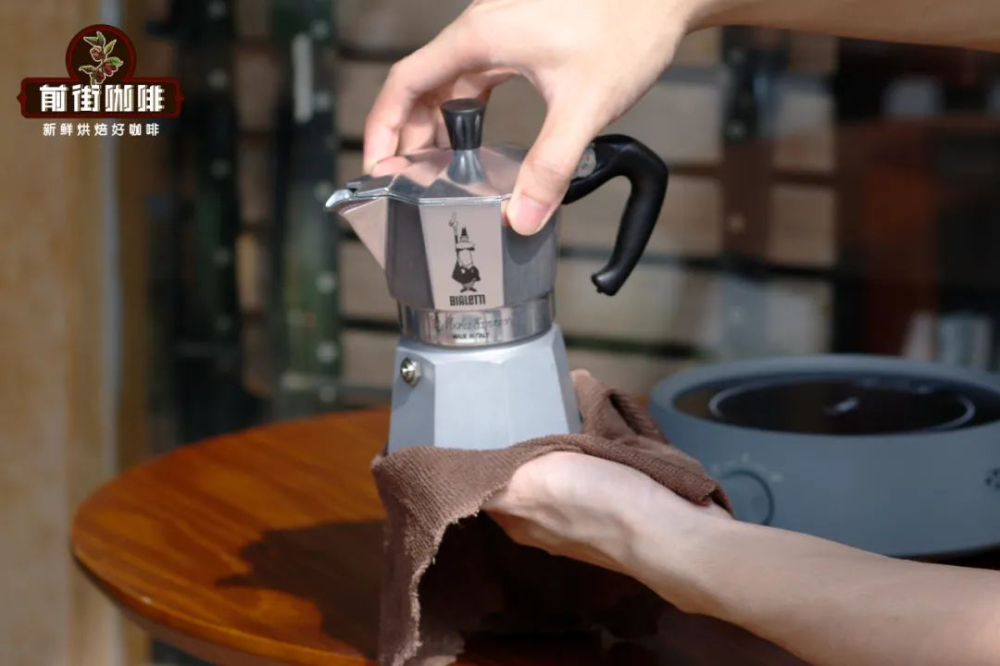
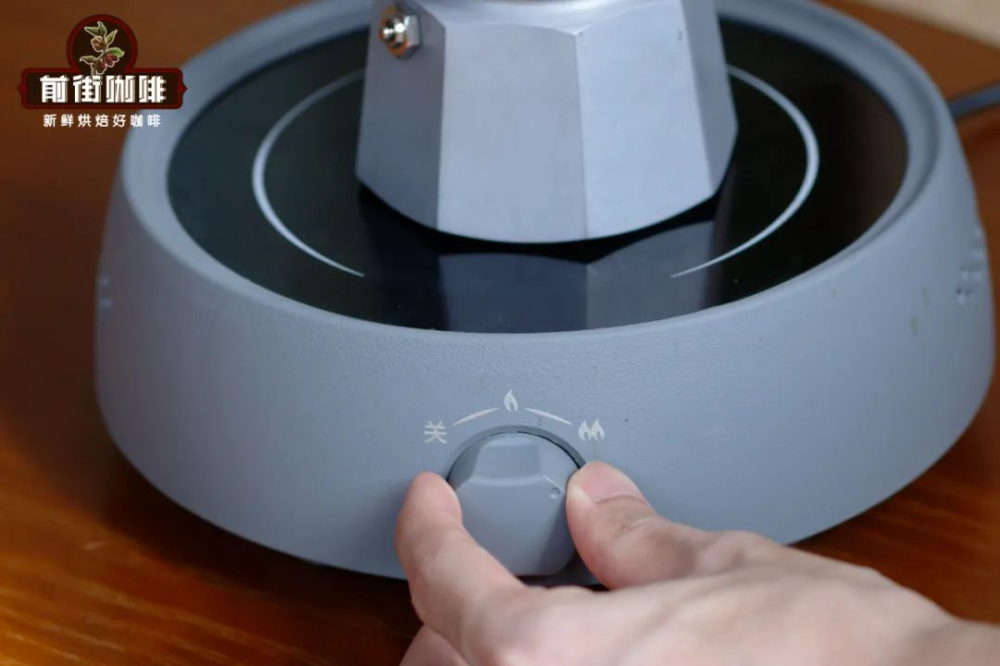
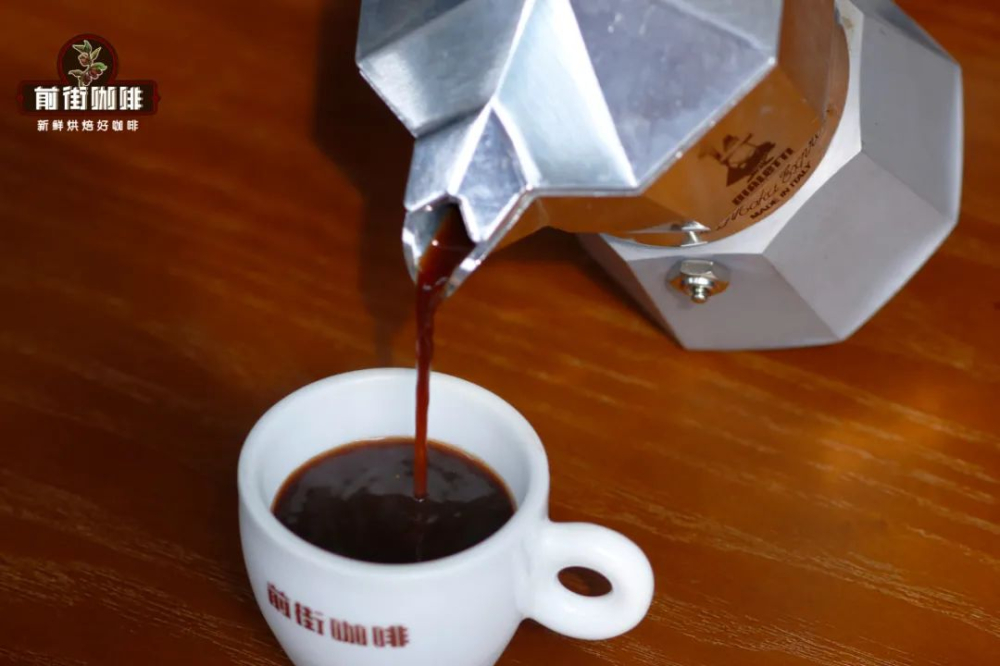
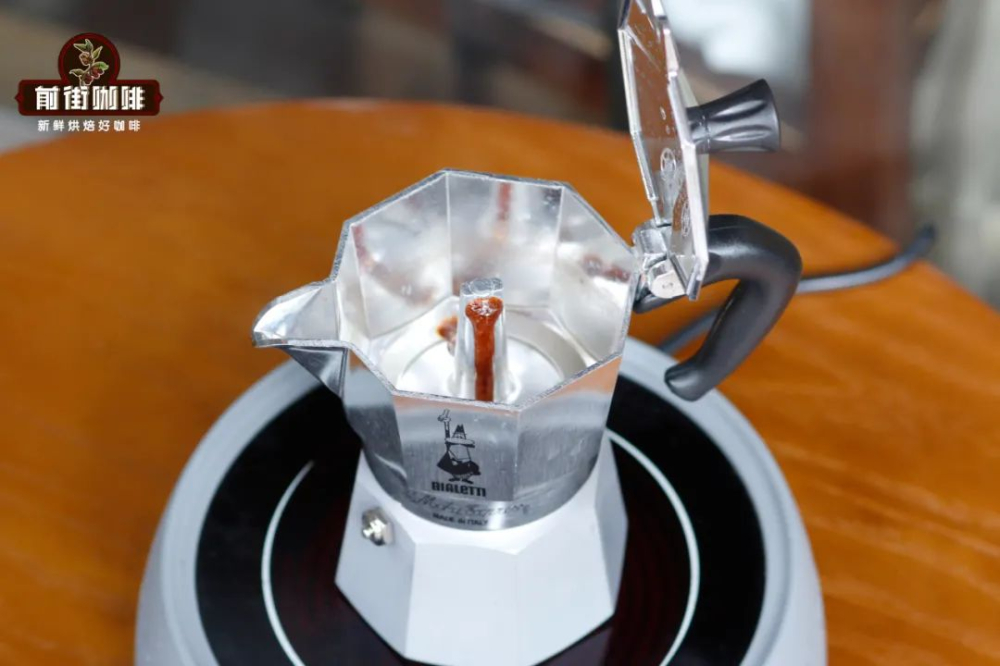
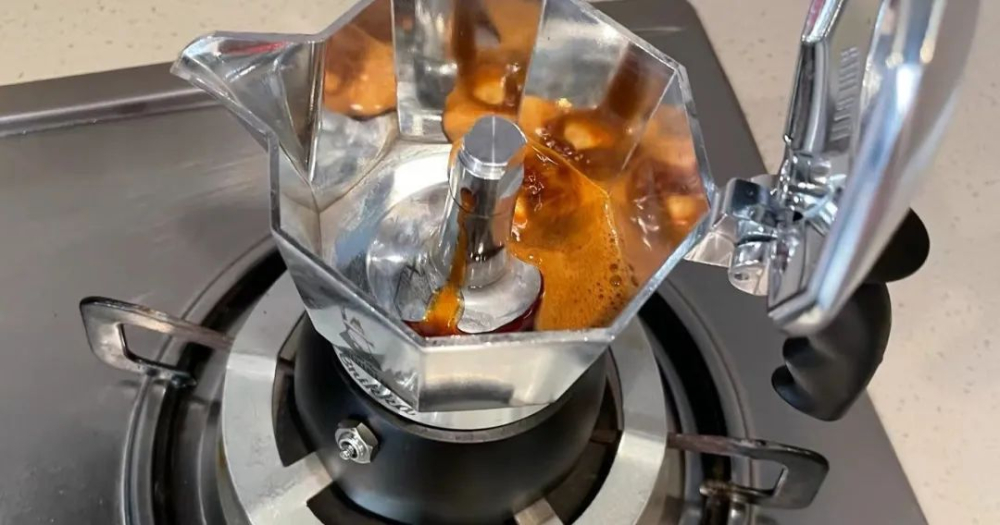
When the coffee starts to slowly flow into the upper chamber, observe the flow rate and color changes. Once the upper chamber is about half full, you can turn off the heat, letting the residual heat and pressure inside complete the final extraction. This helps avoid over-extraction while preserving more aroma and a smoother mouthfeel. It’s recommended to pour the brewed coffee into a cup immediately for the best flavor experience.

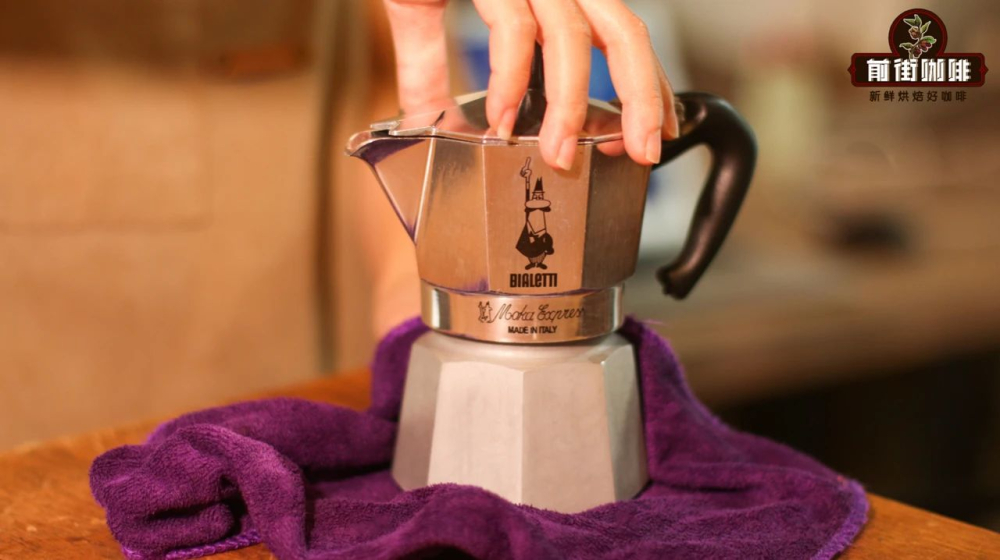
There are several important details to keep in mind during daily use of the moka pot. First, the moka pot becomes very hot after heating, so it’s advisable to use a damp towel to help move it and avoid burns. If you hear a whistling sound but no coffee is coming out, it may be due to a clogged spout or compacted coffee bed — stop heating immediately and check. Additionally, the grind size and how the coffee is tamped directly affect the extraction outcome: too coarse a grind can lead to under-extraction and weak flavor, while too fine can cause over-extraction, resulting in bitterness and burnt notes.
To keep your moka pot in optimal condition, disassemble and clean it promptly after each use, especially the filter plate, rubber gasket, and internal channel, to prevent coffee residue buildup that can cause off-flavors or blockages. It’s also recommended to avoid using light roasted beans, as they often require a finer grind in high-pressure, high-temperature environments, which can bring out unpleasant sharp acidity and make it difficult to develop a rich crema layer. Medium to dark roasted beans are better suited to bring out the moka pot’s strengths, producing a bold, caramel- and chocolate-toned brew with deep flavor.
The above content is compiled by CoffeeHunters, a coffee news website.


