







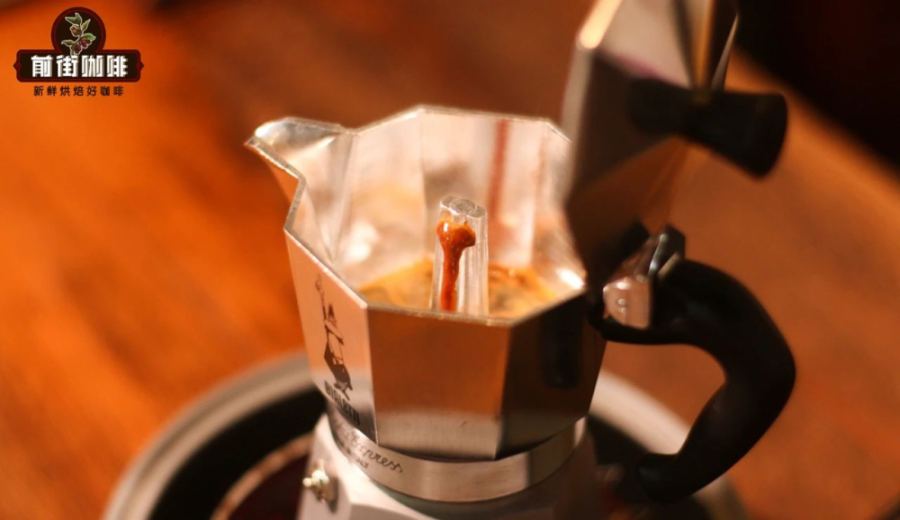
Introduction:The moka pot is a classic brewing device found in many coffee lovers’ homes, but improper use can lead to danger or extraction failure. This article delves into the correct way to use a moka pot, covering everything from its structure and working principles to common mistakes, with 13 practical tips to help you safely and successfully brew a rich, aromatic cup of coffee.
The moka pot is a top choice for many home coffee enthusiasts, yet online there’s often the saying, “Moka pots are dangerous—better not to use them.” This perception mainly stems from two aspects: first, it has a relatively high learning curve, requiring precise control over grind size, heat level, and heating time, which can be challenging for beginners; second, improper use may cause hot water to spray—or even scalding—due to excessive pressure or imbalanced coffee-to-water ratio, along with potential damage to the pot itself.

However, once you master the correct usage details, the moka pot is actually a very reliable home tool for espresso-style extraction. With a history of over a century and enduring popularity, its key lies in understanding its structure and operating principle, as well as avoiding common operational mistakes.
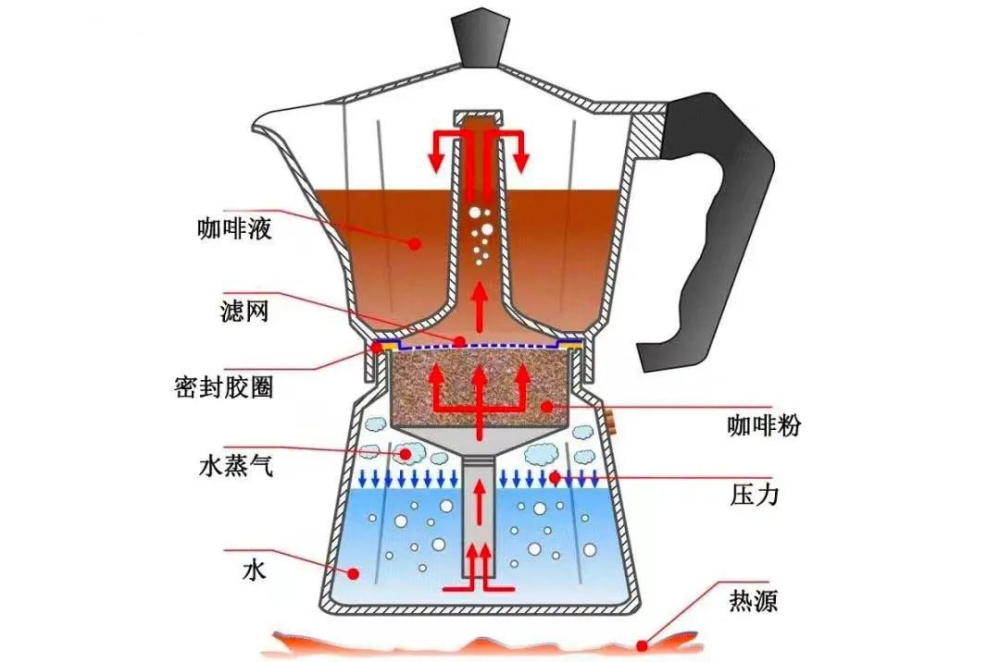
A typical moka pot is made of aluminum alloy or stainless steel, and is mainly divided into three parts: the upper chamber, the filter basket, and the lower chamber, connected via a central tube. The lower chamber usually has a safety valve that releases excess pressure when it exceeds safe levels, preventing the pot from rupturing due to high pressure.

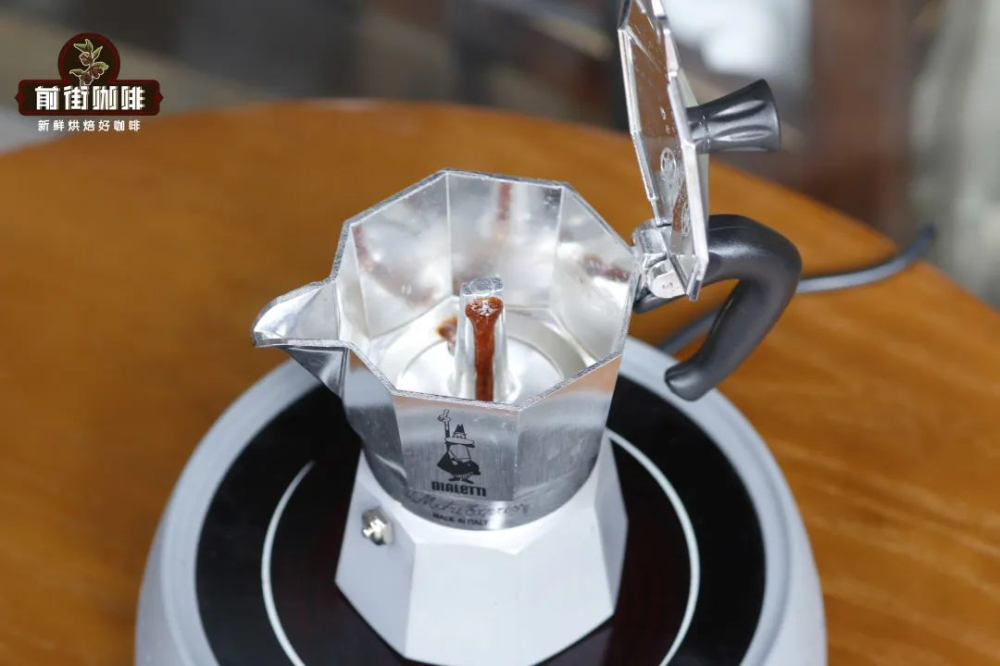
The extraction principle of the moka pot relies on heating the water in the lower chamber to produce steam, which creates pressure that pushes the hot water through the coffee grounds in the filter basket and then through a filter screen, ultimately delivering concentrated coffee liquid into the upper chamber. Understanding this process is fundamental to using the moka pot correctly.
Here are 13 practical and essential tips to keep in mind when using a moka pot:
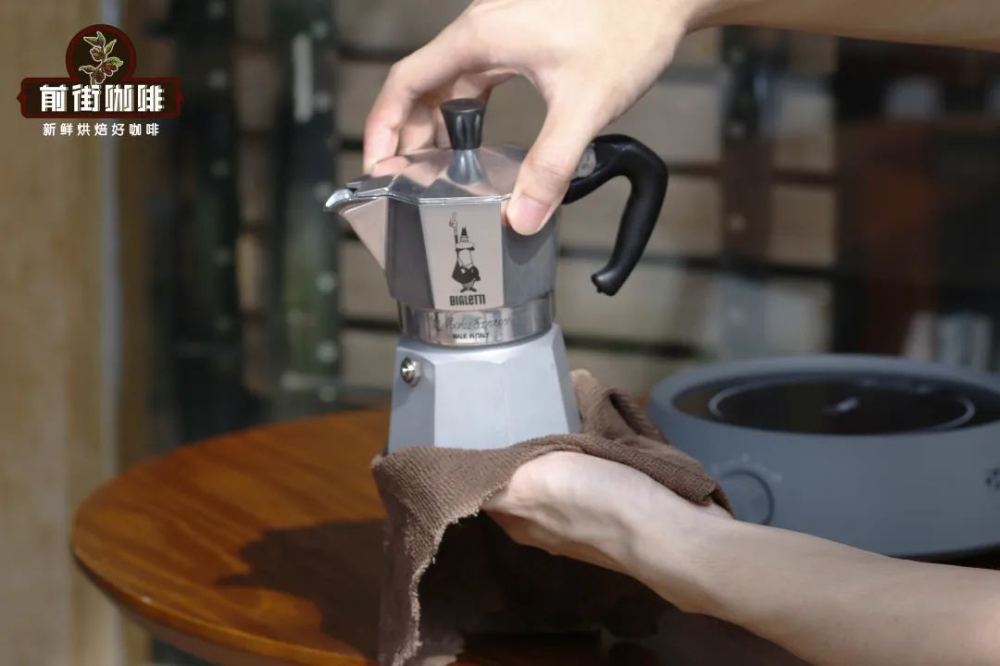
1. For a newly purchased moka pot, it is recommended to perform two trial brews before the first actual use, and the brewed coffee should be discarded rather than consumed. This helps remove any trace amounts of metal residues that might remain from the manufacturing process.
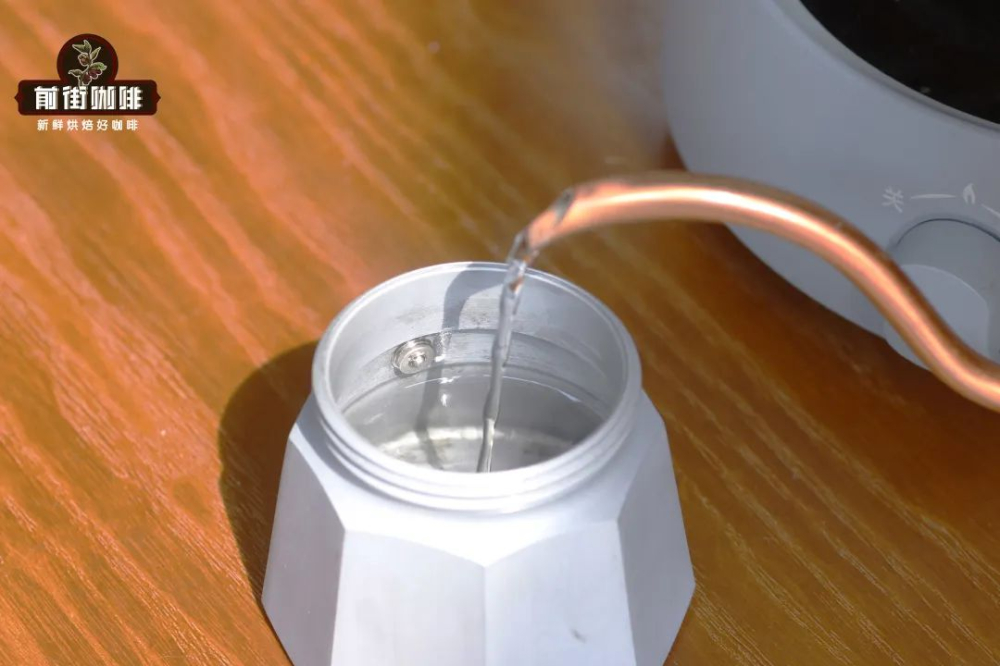
2. When adding water, ensure the water level is always below the bottom edge of the safety valve on the lower chamber. This prevents water from entering the central tube, which could affect extraction and pressure control.
3. After placing the coffee grounds in the filter basket, do not tamp them down. If using filter paper, its size should be slightly smaller than the surface of the coffee layer to prevent excessive sealing, which could lead to abnormally high pressure.
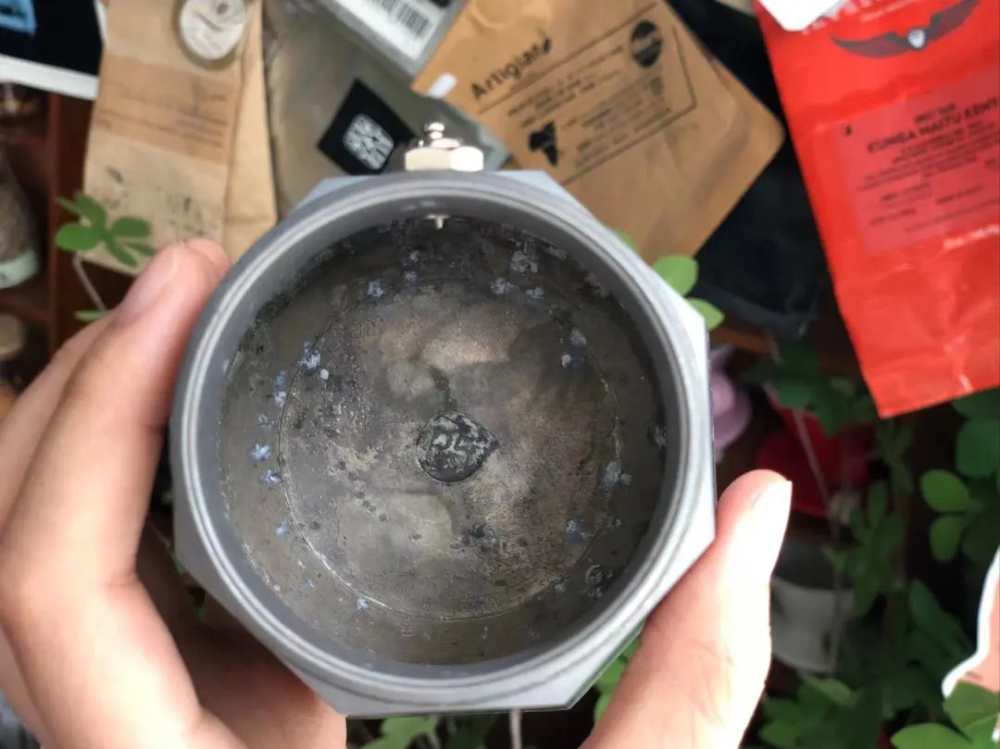
4. After each use, make sure to thoroughly dry the lower chamber to prevent long-term moisture exposure from causing oxidation of the aluminum parts.
5. The rubber gasket between the upper and lower chambers typically has a lifespan of no more than one year, and frequent users are advised to replace it every six months to ensure no steam leakage, thereby avoiding burns or pressure loss.
6. When tightening the moka pot, hold and turn the lower chamber; avoid using the handle of the upper chamber to apply force, as this may cause the handle to loosen over time. If the lower chamber contains hot water, be especially careful to avoid burns.
7. Moka pots made of aluminum alloy are only suitable for use on electric ceramic stoves, open flames (such as gas stoves), or small electric stoves, while stainless steel models are compatible with various heat sources including induction cooktops.
8. If coffee sprays upward, possible causes include: water level exceeding the safety valve, coffee grounds being too coarse or insufficiently filled, excessive heat or turning off the heat too late, and improperly assembled components.
9. Leaks from the pot are commonly caused by aging gaskets or an improperly tight seal between the upper and lower chambers; new pots may also leak slightly at first, but this usually improves after 3–4 trial brews.
10. If the safety valve emits a sharp sound or sprays steam during heating, it is usually due to coffee grounds being too fine, an overly large amount of coffee, or too much water, leading to abnormally high pressure.
11. If the pot becomes stuck and won’t open after brewing, try pouring hot water into the upper chamber, waiting about a minute for it to cool slightly, then attempt to unscrew it again. You may also ask for assistance if needed.
12. Do not put the moka pot in a dishwasher, and avoid soaking it in cleaning agents that contain corrosive substances, as this may damage the metal and rubber parts.
13. It is recommended to use medium to dark roasted coffee beans, which can produce richer crema and a fuller body. For example, classic Italian blends often combine Brazilian beans with Indonesian Mandheling and Vietnamese beans, offering intense and layered flavors.
Mastering these details not only significantly improves the safety of using a moka pot, but also makes each extraction more stable and delicious. Whether you’re new to coffee or already have some experience, these practical tips will help you better enjoy the pleasure of moka pot espresso.


The above content is compiled by CoffeeHunters, a coffee news website.


