







Introduction:Freshly roasted coffee beans contain a large amount of carbon dioxide. Grinding them without proper resting can affect flavor release. This article delves into the degassing characteristics, aging cycles, and optimal brewing timings for coffee beans of different roast levels, while also providing practical storage advice and parameter adjustment tips to help pour over enthusiasts grasp the peak flavor of their beans and elevate the quality and enjoyment of every extraction.
Immediately after roasting, coffee beans contain abundant carbon dioxide within their structure. These gases are rapidly released during grinding and when in contact with hot water, resulting in noticeable expansion. Brewing or grinding right after roasting causes the sudden gas discharge to interfere with the even penetration of hot water through the coffee grounds, preventing full release of flavor compounds. Therefore, understanding the degassing process and flavor development of coffee beans is essential knowledge for every pour over lover.
Lightly roasted coffee beans, due to relatively mild roasting conditions and a tightly packed bean structure, release their internal carbon dioxide at a slower pace and over a longer period. Generally, such beans are recommended to rest for five to seven days. Once the excess gases inside have naturally dissipated, the initially suppressed bright acidity and delicate floral notes will gradually emerge, entering a mature stage where flavors stabilize and are suitable for brewing. At this point, the coffee exhibits a more linear and layered profile.
In contrast, medium to dark roasted beans, having undergone greater expansion and possessing more internal pores, release gases significantly faster. Typically, three to four days after roasting, the internal gas pressure stabilizes, reaching an extraction-friendly balance point. Brewing and grinding during this stage not only avoids channeling and uneven extraction caused by excessive degassing, but also preserves the bean’s inherent oily aroma along with its foundational notes of nuts and caramel.
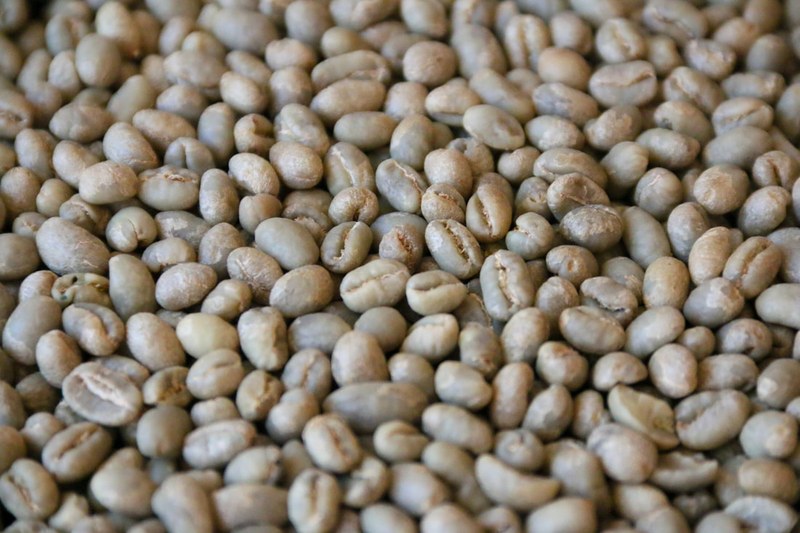
The so-called “optimal flavor window” of coffee beans refers to the period when the concentration of aromatic compounds inside the beans and the state of degassing reach an ideal balance. This golden period usually falls between one week to one month after roasting. During this time, the coffee’s volatile aromas remain abundant, the oils have not yet oxidized noticeably, the dry fragrance remains vivid when ground, and the brewed flavors are most vibrant and layered.
Take the lightly roasted Yirgacheffe Guji Dingding as an example. After seven days of aging, the jasmine floral notes and citrus tones in the beans become clearer and more pronounced. It is recommended to brew with water around 91°C, using about 15 grams of coffee and a total of 225 milliliters of water, with an overall extraction time of approximately 2 minutes and 5 seconds. A three-stage pouring method is advised: start with 30 milliliters of hot water for a 30-second bloom, followed by a circular pour up to 130 milliliters, then top up to 225 milliliters once the water level drops. This approach helps fully extract a green-tea-like aftertaste and gentle berry flavors.
Once coffee beans are opened, how they are stored directly affects how long their flavors last. Since oxygen, light, moisture, and high temperatures all accelerate coffee aging, it is best to use the one-way degassing valve on the original packaging. After each use, squeeze out the excess air inside the bag and seal it tightly with a clip. If your beans come without a one-way valve, you can transfer them to an opaque, airtight container and store them in a cool, dry place away from direct sunlight to extend their prime flavor period.
To maintain the best experience for hand grinding, it’s recommended to plan your coffee purchase and consumption rhythm according to your daily intake, ideally buying only what you can consume within a month. If you’ve just received freshly roasted beans, consider letting them rest first and prioritize drinking beans that are already in the middle of their optimal flavor window, establishing a natural and smooth drinking cycle.
If you prefer nuanced and rich layers, consider trying Panamanian Emerald Estate Red Label Geisha after about ten days of aging. Once fully degassed, its bergamot, white floral notes, and tea-like texture become even purer and more elegant. It is recommended to use water at 92°C, with 16 grams of coffee and a total of 240 milliliters of water, for an overall extraction time of about 2 minutes and 15 seconds. A two-stage pouring method is suggested: start with 40 milliliters for a 35-second bloom, then continue with a fine, steady circular pour up to 240 milliliters. The resulting coffee has a smooth mouthfeel and a long-lasting aftertaste.
When coffee beans have been open for more than a month, their volatile aromas gradually weaken and the degassing phenomenon becomes less pronounced. For beans that have been stored longer, you can improve extraction efficiency by slightly adjusting brewing parameters—such as reducing the grind size a bit or increasing the water temperature by 1–2°C—to enhance sweetness in the finish and overall body.
For those who enjoy tropical fruit flavors and juicy profiles, try Colombian Shizu after about a week of aging. This bean showcases a bright, sweet-sour profile blending passionfruit, blueberry, and apricot. It is recommended to use water at 90°C, 15 grams of coffee, and a total of 220 milliliters of water, with a total brew time controlled at around 1 minute and 55 seconds. A one-stage pouring method is advised: begin with 30 milliliters for a 25-second bloom, then pour the remaining water steadily with a medium flow in one go. This highlights its juice-like, vibrant acidity and sweetness.
In summary, mastering the degassing cycle and optimal drinking stage of each coffee bean, combined with the correct storage methods and brewing adjustments, not only fully unlocks the beans’ potential flavors but also makes each hand grinding and brewing session more anticipated and enjoyable. From aging to extraction, every step is key to flavor expression.
The above content is compiled by CoffeeHunters, a coffee news website.

