







Introduction:Can freshly roasted coffee beans, full of vibrancy, be brewed right away? This article delves into the degassing characteristics of fruity and floral coffee beans, their optimal drinking window, and the differences in aging across light, medium, and dark roasts. From Yirgacheffe to Geisha, we’ll guide you through the prime drinking periods, pour over parameters, and storage tips for different flavor profiles, ensuring each cup releases the fullest burst of fruity aroma and layered complexity.
Freshly roasted fruity and floral coffee beans contain a large amount of carbon dioxide internally. If these gases are not fully released, they can interfere with water penetration through the coffee grounds, affecting extraction uniformity. It is recommended to let the beans rest in a one-way valve bag for several days until the internal pressure stabilizes, after which the delicate floral notes and fruity acidity can fully shine in your cup.
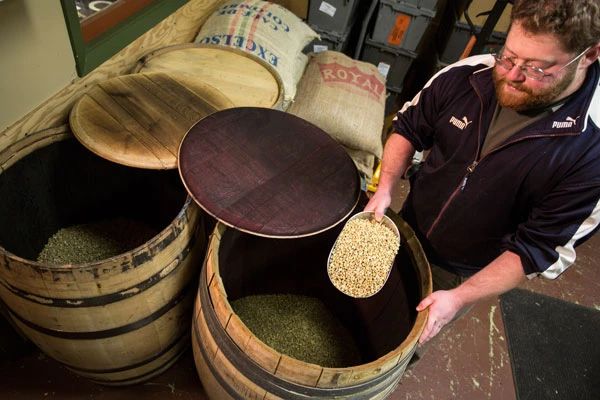
Lightly roasted single-origin fruity and floral beans, due to their higher density and tighter cell walls, undergo a slower degassing process compared to medium or dark roasts. Typically, between the 7th and 10th day post-roast, the beans enter a flavor stabilization period, followed by a golden drinking window of two to three weeks when aromas are most vibrant and juice-like flavors are at their peak.
Take Yirgacheffe Guddina, known for its refreshing floral and fruity notes, as an example. This washed coffee features soft white flowers, ripe citrus, bright raspberry-like fruit acidity, paired with a green tea-like aftertaste. Brewing it after a full week of roasting allows you to experience a clean, mouthwatering sensation and clear fruity character.
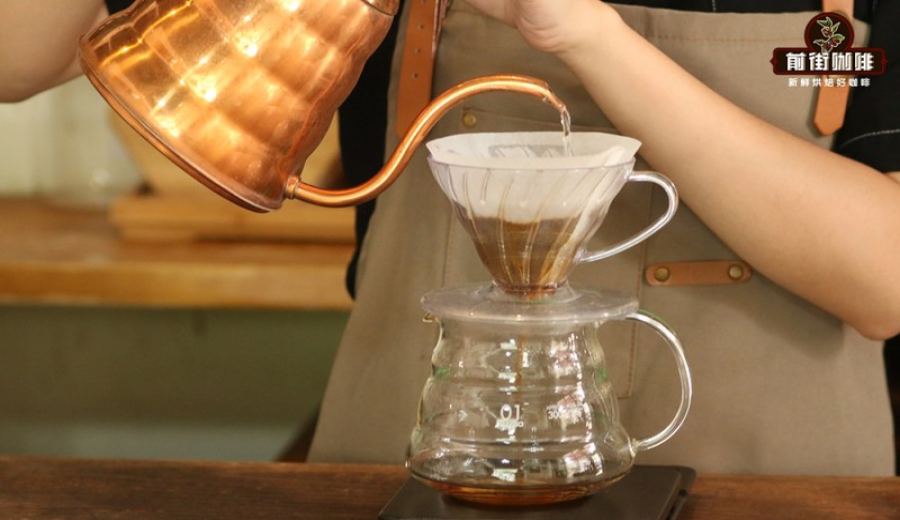
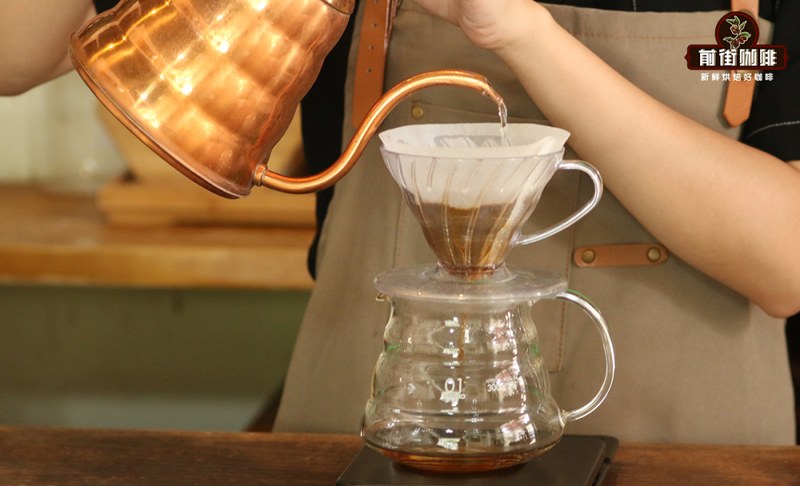
For pour over, we recommend a water temperature of 91°C, using 15g of coffee to 225ml of water, with a total extraction time of about 2 minutes and 10 seconds. Use a three-stage pouring method: start with a 30ml bloom for 30 seconds, then pour up to 130ml to enhance floral notes, and finally steadily pour up to 225ml to enjoy bright, translucent fruity and floral flavors.
For those who prefer bold tropical fruit flavors, Colombian Gesha is a great choice. This specially fermented bean, after 8 to 12 days of aging, will express softer aromas of passionfruit, purple grape, and yellow apricot, with a more balanced sweet and sour profile.
We suggest a brewing temperature of 89°C, using 16g of coffee with 240ml of water, for a total brew time of 2 minutes. Use a two-stage pouring method: begin with a 40ml bloom for 35 seconds, then pour in a circular motion from the inside out until full. The result is a juicy, fruit tea-like experience in every sip.
If you enjoy nuanced and elegant layers, the Panama Finca El Valle Red Label Geisha is an excellent option. Grown at high altitudes, it has a solid body and requires more than ten days of aging before the trailing notes of jasmine, bergamot, and high-mountain black tea fully develop.
For pour over, we recommend a water temperature of 92°C, using 15g of coffee with 240ml of water, for a total extraction time of 2 minutes and 20 seconds. Use a three-stage pouring method: start with a 35ml bloom for 30 seconds, then pour 95ml to enhance mid-palate sweetness, and finally pour up to 240ml to amplify the tea-like and floral characters.
For everyday drinking, we suggest choosing small packages of 100g or 250g. Try to finish the coffee within three to four weeks after opening. In the beginning, the aromas are bright, and over time the sweetness becomes rounder, with the overall flavor profile gradually evolving throughout the drinking window.
For storage, always keep the original one-way valve resealable bag. After each use, squeeze out the air and seal tightly. Store in a cool, dry place, away from sunlight and heat sources, to effectively slow down aroma loss.
By mastering the aging rhythm and optimal drinking period, along with proper brewing techniques and storage methods, you can ensure that every cup of fruity and floral coffee continues to bloom with pure and captivating flavors.
The above content is compiled by CoffeeHunters, a coffee news website.

