







Introduction:When is the best time to brew freshly bought Colombian coffee beans for the most aromatic cup? In fact, from the “resting period” right after roasting to the optimal drinking window, each stage offers distinct flavor profiles. This article will guide you on how to determine the resting time based on the roast date, understand the transition from bright to rounded flavors tailored to the different characteristics of pour over and espresso brewing, and provide practical storage and tasting tips—so you can brew balanced, layered Colombian coffee at home.
One reason why Colombian coffee beans are favored by many home coffee enthusiasts is not only their clear and approachable flavor profile, but also because they vividly demonstrate the transformation from “freshly roasted” to “flavor maturity.” Many people mistakenly believe that beans right out of the roaster are in their prime, but in reality, the high level of carbon dioxide at this stage often leads to instability during pour over or espresso extraction, resulting in overly tense flavors or uneven extraction. Allowing the beans to “rest” for a few days lets acidity, sweetness, and aftertaste gradually unfold, and makes it easier for home equipment to consistently extract a well-balanced coffee flavor.
When selecting Colombian coffee beans, remember to prioritize checking theroast dateon the packaging rather than vague “manufactured on” or “best before” dates. The expiration date only tells you when the beans will go bad, but the roast date helps you determine which flavor stage the beans are currently in. It’s recommended to choose recently roasted beans with clearly marked dates, and to buy an amount that fits your consumption pace to avoid the loss of aroma and freshness due to prolonged storage.
The term “resting” refers to the process where the residual carbon dioxide inside the beans is gradually released after roasting. This does not necessarily mean you have to wait a fixed number of days before drinking. Generally speaking,light-roasted or high-altitude Colombian beans, due to their higher activity, benefit from a few extra days to allow the aromas to fully develop; whereasmedium-roasted Colombian beansusually reach a smoother stage just a few days after roasting. When evaluating at home, there’s no need to obsess over a universal “best-after-X-days”—relying on aroma and actual taste will give you a more accurate sense of the beans’ condition.
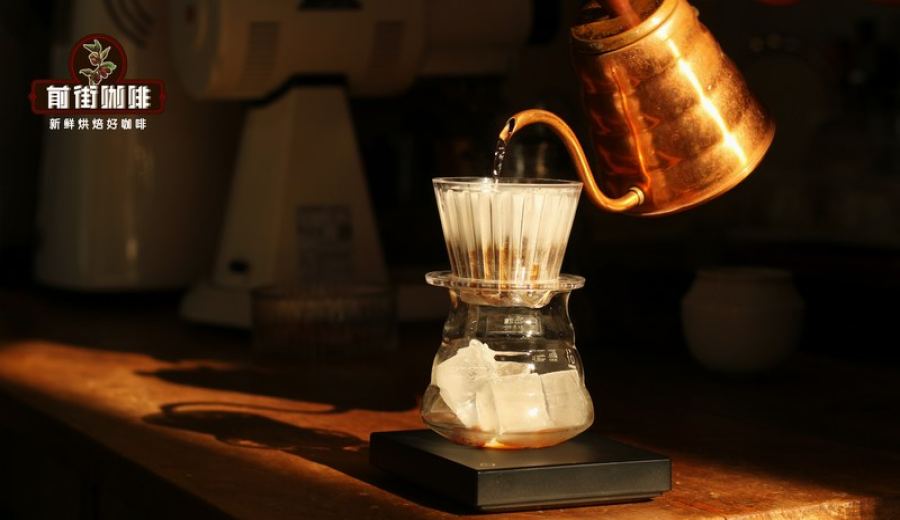
If you typically use a pour over method, it is recommended to consider thefourth to seventh dayafter roasting as the key window for observing aroma and flavor. During this period, some of the internal gases have been released, fruity and floral notes are no longer confined to the nose but harmonize with sweetness, and extraction becomes smoother. If you find the coffee tastes sharp, the acidity is disjointed, or the finish is hollow, let it rest for another day or two; if the aroma is clear and layered, it's ready to enjoy.
When switching to an espresso machine, the situation is slightly different. Freshly roasted beans, containing a lot of gas, can cause unstable shot extraction—even if the crema looks dense, it might be accompanied by noticeable harshness. Formedium-roasted Colombian beans, it’s suggested to start experimenting with extraction from theseventh day onward, adjusting based on actual dose, output weight, and grind size. Due to the variability among home espresso machines, it’s best to judge based on the coffee’ssweetness and finishrather than relying solely on the roast date.
When purchasing Colombian coffee beans, it’s wise to plan your drinking pace after opening the bag. For individual use of one cup per day, opt for smaller packages to ensure the beans are consumed within two to three weeks to maintain peak flavor; if shared among multiple people or brewed several times daily, even though larger packages are available, it’s advisable to portion them out soon after opening to minimize air exposure. Freshness isn’t just about the state at the time of purchase—it’s about the overall management from roasting, shipping, storage, to that very last cup.
If you want to better understand the flavor evolution of a particular Colombian bean, try tasting it in stages: brew a cup right after opening and note its aroma; brew again a few days later to compare changes in acidity, sweetness, and mouthfeel; and finally observe whether the aftertaste remains rich. For example, a Colombian regional coffee may show bright citrus and apricot-like fruit acids in pour over, and as it cools, you might notice lingering tea-like qualities and sweetness—helpful for grasping the layered progression of Colombian beans.
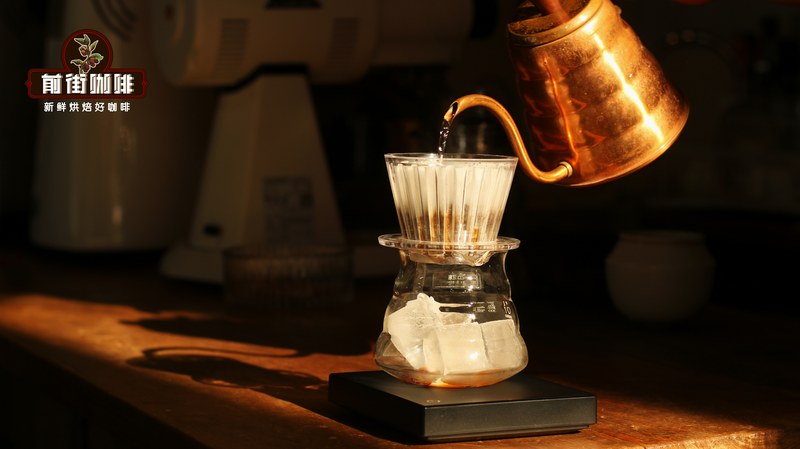
If you prefer a bolder fruit expression, you could also contrast it with an aromatic Ethiopian regional bean as a control. Its tropical fruit, berry, and passion fruit notes are easily recognizable, making it great for pour over or iced pour over tastings on different days. By comparing such highly active beans, you’ll more easily detect the subtle shifts in sweetness, acidity, and overall roundness when returning to the Colombian beans.
After opening, try to expel excess air from the bag, keep the one-way valve facing outward, and store the beans in a cool, dry cabinet with minimal temperature fluctuation. Be quick when scooping beans to avoid leaving the bag open too long. It’s especially important to note that moisture, food odors in the fridge, and frequent temperature changes can negatively impact the beans—so it’s not recommended to repeatedly refrigerate or freeze beans currently in use.
If you’ve bought a large package, it’s a good idea to portion out about a week’s worth on the day of opening, and keep the rest sealed in the original packaging. Also, residual coffee grounds in your grinder can affect the performance of fresh beans, so when switching bean types, remember to clean out any leftover grounds, and adjust grind size and brewing parameters according to flow rate and extraction flavor. Paying attention to these details will help you better capture the evolving aroma of Colombian beans over time, without it being masked by storage conditions.
In summary, home coffee selection doesn’t require fixation on a single “absolute best-by date.” As long as you chooseColombian beans with a clear roast date, good packaging seal, and a capacity that matches your drinking pace, and give them a few days to settle in, the moment you find the aroma, sweetness, and mouthfeel all reach a state you enjoy—that’s your personal optimal drinking window. Finding your own rhythm not only makes bean buying more precise, but also fills every brew with anticipation and enjoyment.
The above content is compiled by CoffeeHunters, a coffee news website.

